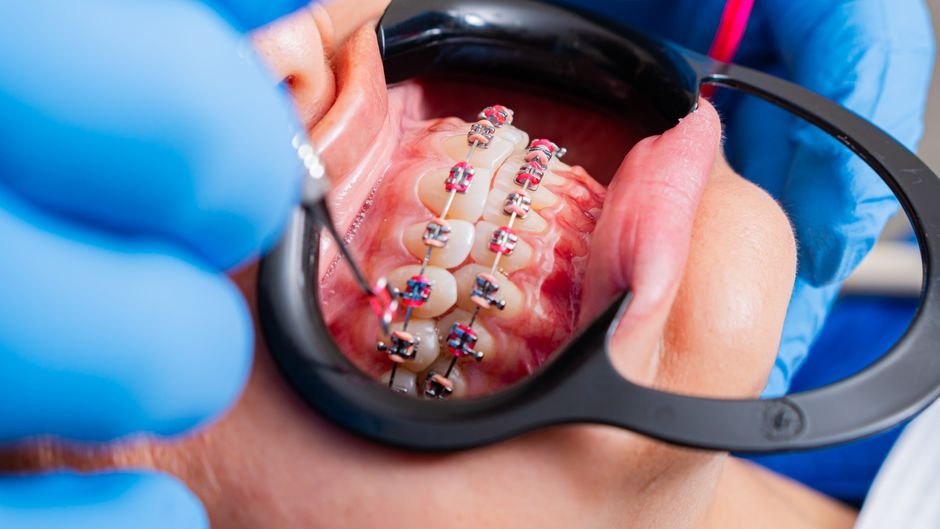
Braces wax, also called orthodontic wax, is a soft, safe wax that you press over brackets or wires to stop them rubbing against your lips, cheeks and gums. It creates a smooth barrier that eases soreness, protects irritated spots while they heal and offers quick relief from a poking wire until you can see your orthodontist. To use it, clean and dry the area, roll a small pea-sized piece of wax into a ball and press it firmly over the problem bracket or wire.
Key takeaways
- Braces wax acts as a cushion between metal brackets or wires and the soft tissues of the mouth.
- It is especially useful in the first few weeks of treatment and after adjustments.
- Always apply it to a clean, dry surface so it sticks properly.
- Remove wax before brushing and replace it with a fresh piece afterwards.
- Wax is a temporary comfort measure; persistent pain or a broken wire still needs your orthodontist.
What Is Braces Wax Made From?
Braces wax is usually made from medical-grade, non-toxic materials such as paraffin, beeswax, carnauba wax or similar food-safe ingredients. It is designed to be soft enough to mould easily with your fingers, yet firm enough to stay in place over a bracket or wire. Most braces wax is clear or white so it is discreet, although some versions come in colours or with mild flavours. It is supplied in small strips or sticks, often inside a compact plastic case that fits in a pocket or bag.
Because it is intended for use in the mouth, braces wax is safe if a small amount is accidentally swallowed. It simply passes through the digestive system without causing harm. This makes it a reassuring option for children and teenagers in orthodontic treatment. Some people use dental-grade silicone instead of traditional wax, which can last a little longer and may hold up better while eating. Your orthodontist will usually give you a supply at the start of treatment and can recommend which type suits you best.
Why Do Braces Cause Irritation in the First Place?
Brackets and wires are small, but they introduce new surfaces into the mouth that your lips, cheeks and tongue are not used to. When you speak, eat or simply move your mouth, the soft tissue can rub against the edges of the brackets, causing tenderness, small sores or ulcers. This is most noticeable in the first few days and weeks after braces are fitted, as the inside of the mouth gradually toughens up and adapts to the new hardware.
Irritation can also flare up after an adjustment appointment, when wires are changed or tightened. As teeth move, the end of a wire may begin to protrude slightly from the last bracket at the back of the mouth, poking into the cheek. Elastic ties, hooks or springs can also catch on soft tissue. Sports, a knock to the face or biting into something hard can bend a wire out of position. In all of these situations, braces wax provides a simple way to shield the tender area.
When Should You Use Braces Wax?
Braces wax is most helpful whenever a part of your braces is rubbing, scratching or poking. Many people use it routinely during the first couple of weeks after their braces are fitted, placing wax over the brackets that cause the most friction. It is also handy after each adjustment, when the mouth can feel tender again for a few days. Some people apply wax before bed if they find their cheeks rub against brackets while sleeping.
Wax is also useful in specific situations, such as before playing a wind instrument, during long days of talking, or while waiting for an appointment to fix a loose bracket or poking wire. If you already have a mouth ulcer, covering the bracket next to it with wax can stop it being aggravated and give it a better chance to heal. It is worth carrying a small case of wax with you at school, work or on holiday so that you can deal with discomfort quickly wherever you are.
How Do You Apply Braces Wax Correctly?
Start by washing your hands thoroughly. Brush your teeth or at least rinse your mouth with water to remove food from around the area. Next, dry the bracket or wire as much as possible, using a clean tissue or cotton bud, or by pulling your lip away and letting it air dry for a few seconds. Wax sticks much better to a dry surface, so this step makes a big difference to how long it stays in place.
Pinch off a small piece of wax, about the size of a pea, and roll it between your fingertips for a few seconds to warm and soften it. Then press the ball of wax gently but firmly over the bracket or wire that is causing the problem, flattening it slightly so it covers any sharp edges. Run your tongue over it to check it feels smooth. If it falls off quickly, try again with a slightly larger piece and make sure the area is dry. A little practice soon makes the process quick and easy.
How Long Can You Leave Braces Wax In?
Braces wax can generally be left in place for several hours, and some people leave it overnight to protect their cheeks while sleeping. However, it should not be left on indefinitely. Over time, wax can trap food particles and bacteria against the teeth and brackets, which may increase the risk of plaque build-up, staining and decay. It can also become less effective as it softens and wears away throughout the day.
A good habit is to remove the wax before brushing, clean thoroughly around your braces, and then apply a fresh piece if you still need it. Most people replace their wax at least once or twice a day. You can remove old wax by gently pulling it off with your fingers or by using a toothpick or interdental brush to lift it away. Never reuse wax that has already been in your mouth, as it may harbour bacteria. Fresh wax is always more hygienic and sticks better.
Can You Eat With Braces Wax On?
It is usually best to remove braces wax before eating. Chewing can dislodge the wax and cause it to mix with food, and while swallowing a small piece is harmless, it is not pleasant. Wax can also make it harder to clean the area properly after meals. If you need protection while eating, for example because a wire is poking badly, you can try leaving it in place and simply replacing it once you have finished and cleaned your teeth.
Some people find dental-grade silicone holds up better while eating than standard wax, so it may be worth asking your orthodontist about it if you need longer-lasting coverage. Choosing softer foods during the first few days after an adjustment can also reduce irritation and limit the need for wax at mealtimes. Cutting food into smaller pieces and chewing carefully with your back teeth helps protect both your braces and your mouth. After eating, rinse with water, brush thoroughly and reapply wax as needed.
How Can You Soothe Sore Spots Alongside Wax?
Braces wax works best as part of a wider approach to comfort. Rinsing your mouth with warm salt water a few times a day can help soothe sore areas and keep small ulcers clean while they heal. Simply dissolve around half a teaspoon of salt in a glass of warm water, swish it gently around your mouth and spit it out. This is a simple, inexpensive remedy that many orthodontists recommend for general tenderness during treatment.
Cold foods and drinks, such as water or smooth yoghurt, can temporarily numb aching teeth after an adjustment. Over-the-counter pain relief may help in the first day or two, provided it is suitable for you and taken as directed on the packet. Keeping your lips moisturised with a lip balm can prevent dryness and cracking, which can make rubbing feel worse. Avoid spicy, acidic or very crunchy foods while ulcers are healing, as these can sting or aggravate the tissue further.
When Should You Contact Your Orthodontist Instead?
Braces wax is designed as a short-term comfort measure, not a permanent fix. If a wire is sticking out sharply, a bracket has come loose, or a band or spring has broken, you should contact your orthodontist for advice. These problems can affect the progress of your treatment and may need to be repaired or adjusted. In the meantime, wax can cover the problem area and keep you comfortable until your appointment.
You should also seek advice if you have a mouth ulcer that does not improve after a week or two, significant swelling, signs of infection, or pain that is not relieved by wax and simple remedies. Do not try to cut or bend wires yourself unless your orthodontist has specifically told you how to do so safely, as this can cause injury or damage the braces. Your orthodontic team would always prefer you to get in touch with a concern than struggle with discomfort.
Frequently Asked Questions
Is it safe to swallow braces wax?
Yes. Braces wax is made from non-toxic, food-safe materials, so swallowing a small piece accidentally is not harmful. It simply passes through the digestive system. It is still best to remove the wax before meals so it does not mix with food.
Can I sleep with braces wax on?
Many people leave braces wax on overnight to stop their cheeks rubbing against brackets while sleeping. Remove it in the morning, brush your teeth thoroughly and apply a fresh piece if you still need protection during the day.
Why won’t my braces wax stay in place?
Braces wax struggles to stick to wet surfaces. Dry the bracket or wire with a tissue before applying, warm the wax between your fingers first and press it firmly over the area. Using a slightly larger piece can also help it hold better.
Can I use ordinary candle wax or chewing gum instead of braces wax?
No. Candle wax is not designed to be used in the mouth and may contain unsafe additives, while chewing gum can stick to braces and damage them. Use only orthodontic wax or dental-grade silicone, which your orthodontist or a pharmacy can supply.
How long will I need to use braces wax?
Most people use braces wax heavily during the first few weeks of treatment, then mainly after adjustments or if a wire starts to poke. As the inside of the mouth adapts, many find they need it only occasionally.

Matthew is a dental content writer passionate about helping readers understand their oral health, one article at a time.