Everyday Habits That Reduce Your Risk of Cavities
The everyday habits that lower cavity risk are simple and consistent: brush twice a day with fluoride toothpaste and spit
The everyday habits that lower cavity risk are simple and consistent: brush twice a day with fluoride toothpaste and spit

Living with braces becomes noticeably easier once a few practical habits become routine: adjusting how you eat, brushing and flossing
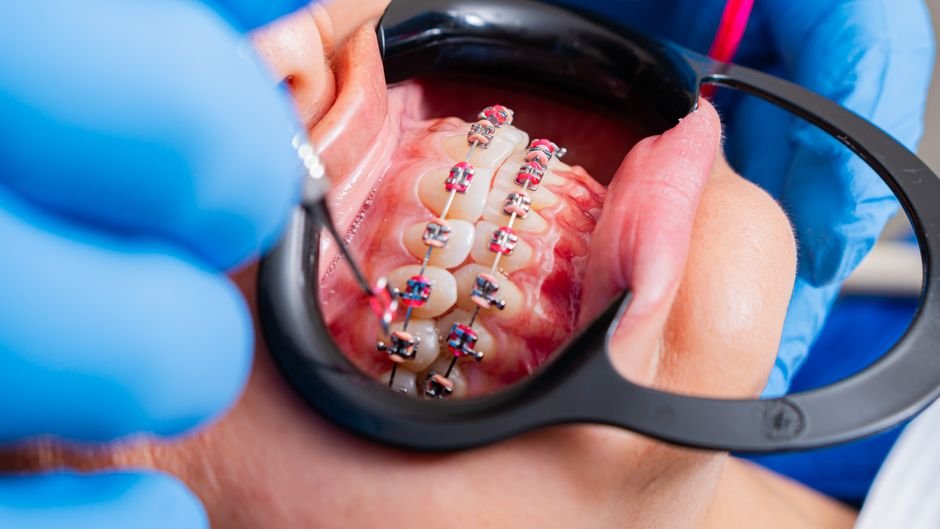
Ceramic braces work much like traditional metal braces, using brackets and wires to gradually move teeth into better alignment, but
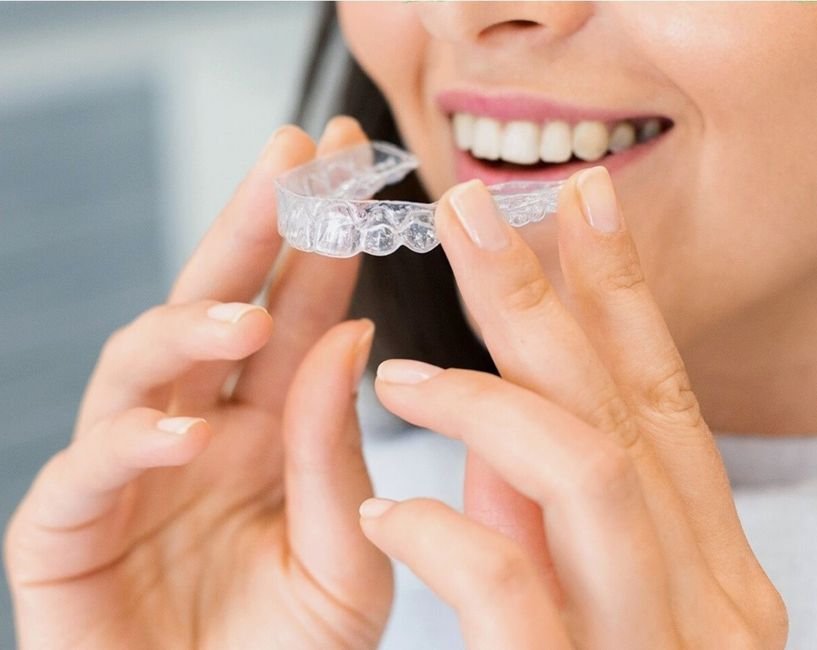
Orthodontic treatment does far more than straighten crooked teeth cosmetically: by gradually repositioning teeth into proper alignment, it improves how
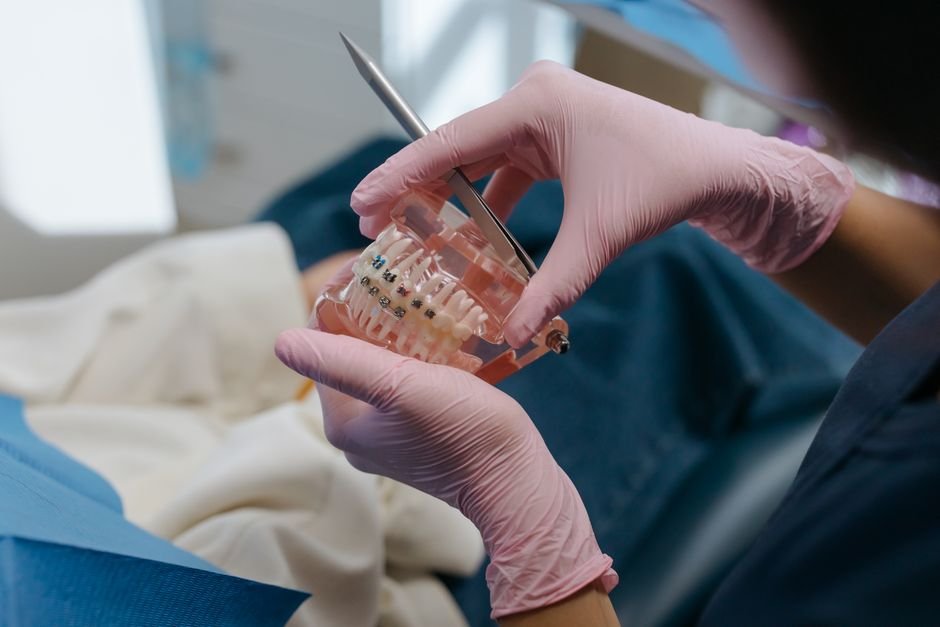
Age influences orthodontic treatment mainly through jaw growth, bone density, and healing capacity: children benefit from guiding growth while the
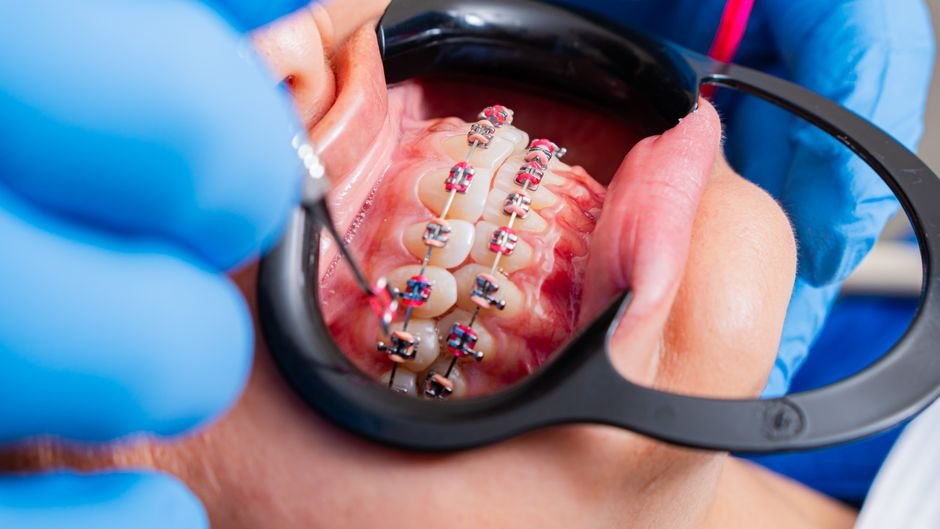
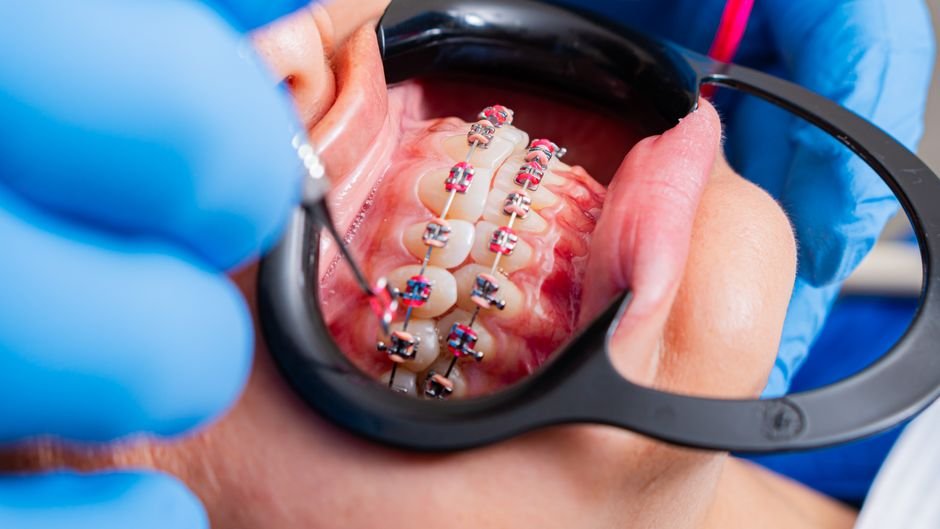
Most orthodontic problems fall into two camps: minor irritations you can manage at home until your next scheduled appointment, and
Orthodontic treatment supports long term jaw health by correcting how the upper and lower teeth meet, which allows the jaw
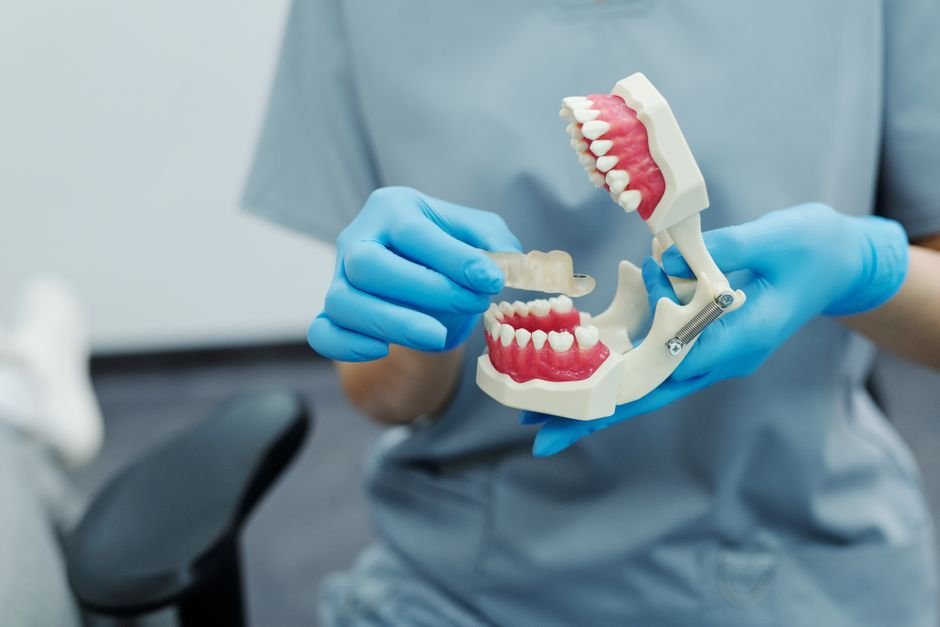
Every orthodontist is a dentist, but not every dentist is an orthodontist, and understanding this distinction helps explain why certain
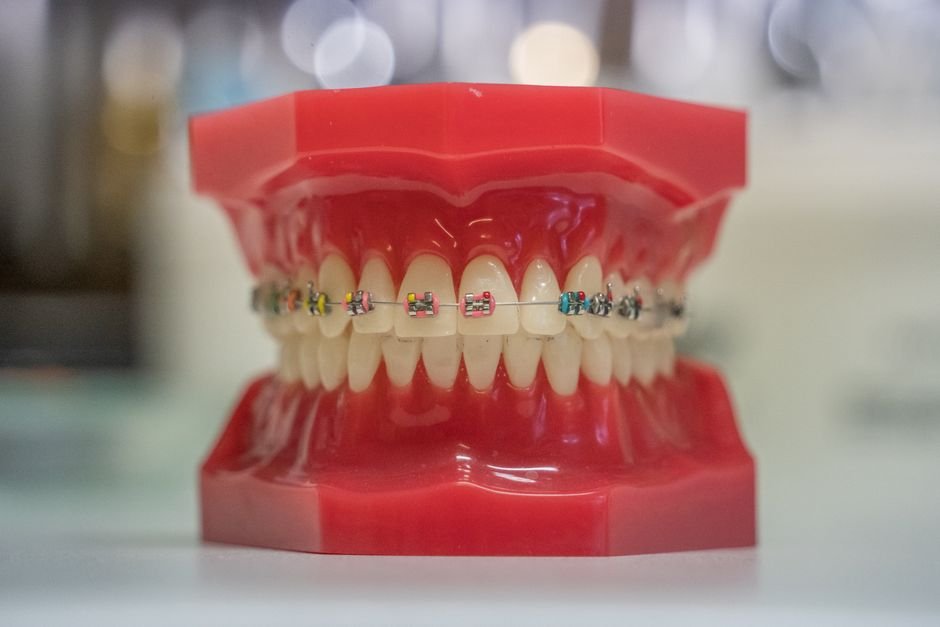
What you eat during orthodontic treatment directly affects how quickly your teeth move, how often appliances break, and how healthy
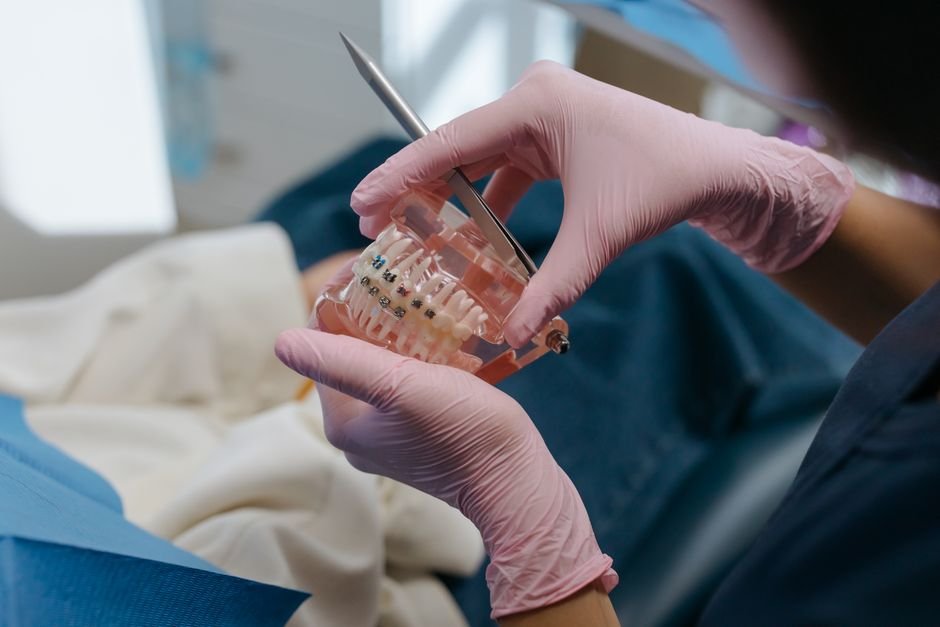
Orthodontic relapse is the gradual shifting of teeth back toward their original position after braces or clear aligners are removed.