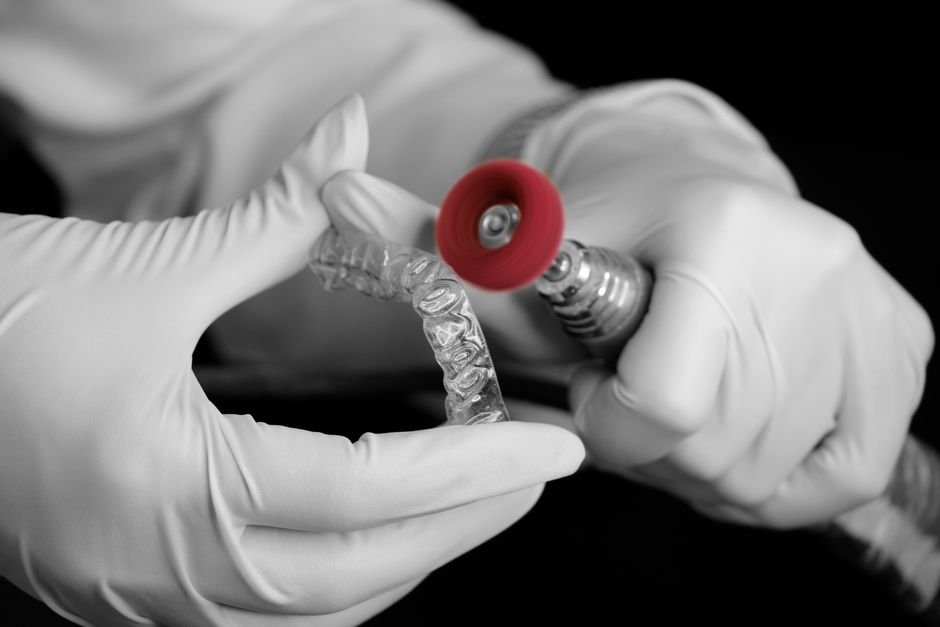
To clean a retainer properly, rinse it with cool or lukewarm water every time you take it out, then brush it gently at least once a day with a soft toothbrush and mild, unscented soap or a non-abrasive cleaner. Soak it periodically in a cleaner recommended by your dentist or orthodontist, store it dry in its case when not in use, and never use hot water, harsh chemicals or abrasive toothpaste, which can warp or scratch it.
Key takeaways
- Rinse your retainer each time you remove it and brush it gently at least once a day.
- Use cool or lukewarm water only, as hot water can warp plastic retainers.
- Avoid abrasive toothpaste, bleach and alcohol-based mouthwash, which can scratch or damage the material.
- Fixed retainers need careful cleaning between teeth with floss threaders or interdental brushes.
- Always store a removable retainer in its case to prevent loss, damage and contamination.
Why Does Cleaning Your Retainer Matter?
Your retainer sits against your teeth and gums for many hours, often overnight. During that time, it collects saliva, plaque, bacteria and food particles, just as your teeth do. If a retainer is not cleaned regularly, this material builds up into a film that can harden into tartar-like deposits. A dirty retainer can cause bad breath, an unpleasant taste and a cloudy or discoloured appearance, and it may hold bacteria against your teeth and gums for long periods.
Bacteria trapped against the teeth can increase the risk of decay and gum inflammation, particularly if you put your retainer in without brushing first. Some people may also develop fungal or other infections from a poorly cleaned appliance. Keeping your retainer clean protects your oral health, helps it last longer and makes it more pleasant to wear. Since retainers play a vital role in keeping teeth in their new positions after orthodontic treatment, looking after them well is part of protecting your results.
What Types of Retainers Are There?
There are three main types of retainer, and each needs slightly different care. Clear plastic retainers, sometimes called vacuum-formed or Essix-style retainers, look similar to clear aligners and fit snugly over the teeth. Hawley retainers combine a moulded acrylic plate, which sits against the roof of the mouth or behind the lower teeth, with a metal wire that runs across the front teeth. Both of these are removable, so they can be taken out for cleaning.
Fixed retainers, also called bonded or permanent retainers, are thin wires attached to the back surfaces of the front teeth. They stay in place at all times and cannot be removed at home. Many people have a fixed retainer on one arch and a removable one on the other, or a combination of both on the same arch. Knowing which type you have helps you choose the right cleaning method. If you are not sure, ask your dentist or orthodontist to explain.
How Should You Clean a Clear Plastic Retainer Every Day?
Each time you remove your clear retainer, rinse it under cool or lukewarm running water to wash away saliva before it dries and leaves deposits. At least once a day, brush it gently inside and out using a soft toothbrush kept just for this purpose. A small amount of mild, unscented liquid soap or a cleaner specifically made for retainers works well. Pay attention to the grooves where teeth sit, as plaque tends to collect in these areas.
Avoid using regular toothpaste on clear retainers, as many toothpastes contain mild abrasives that can create tiny scratches. These scratches make the plastic look cloudy and provide places for bacteria to hide. Never use hot or boiling water, and do not leave a clear retainer in a hot car or near a heater, as heat can warp the plastic and change how it fits. Once cleaned, rinse it thoroughly and let it air dry before storing it in its case.
How Do You Clean a Hawley Retainer?
Hawley retainers are cleaned in a similar way, with a few extra considerations. Rinse after each removal and brush the acrylic and wire parts gently every day using a soft toothbrush and mild soap or a suitable retainer cleaner. Take care around the wire, especially where it joins the acrylic, as plaque often builds up in these small areas. Brushing too forcefully or bending the wire can affect the fit, so use light pressure.
Some people find that a soak helps remove stubborn build-up from the acrylic. Your orthodontist may recommend a specific cleaning product or soaking solution. Be cautious with products that are not designed for retainers, as some cleaners, especially those containing bleach, can weaken the acrylic or corrode the metal. If you notice white, crusty deposits that will not brush away, ask your dental team for advice rather than scraping them off with sharp objects, which could damage the retainer.
How Often Should You Deep Clean a Retainer?
In addition to daily brushing, a periodic deep clean helps keep your retainer fresh. Many people soak their removable retainers once or twice a week, or as often as recommended by their dentist or orthodontist. Retainer cleaning tablets dissolve in water to create a solution that loosens deposits and freshens the appliance. Always follow the instructions on the packaging carefully, including the soaking time, and rinse the retainer thoroughly afterwards.
Some people use a diluted solution of white vinegar and water as an occasional soak to help loosen mineral deposits, followed by gentle brushing and a thorough rinse. Check with your dental team before trying any home remedy, as recommendations can vary depending on the material. Do not soak retainers for longer than advised, and avoid alcohol-based mouthwashes as a soak, because alcohol can dry out and damage some plastics over time, making them brittle or cloudy.
How Do You Keep a Fixed Retainer Clean?
Because fixed retainers stay in your mouth, they are cleaned as part of your normal brushing routine. Brush carefully along the back of your front teeth, angling the bristles towards the wire and gum line. Plaque and tartar tend to build up around bonded retainers, particularly on the lower front teeth, where saliva glands release minerals that can harden deposits. Thorough brushing twice a day is the first line of defence against this build-up.
Cleaning between teeth is trickier with a fixed wire in place, as normal floss cannot slide down from the top. Floss threaders, which work like a needle to guide floss under the wire, can help, as can floss with a stiffened end. Small interdental brushes or a water flosser are other useful options. Your dental hygienist can show you techniques that suit your retainer. Regular professional cleaning is also important, as hardened tartar around fixed retainers can only be removed by a dental professional.
How Should You Store and Handle Your Retainer?
When your removable retainer is not in your mouth, it should be in its case. Wrapping a retainer in a napkin at mealtimes is one of the most common ways retainers are accidentally thrown away. Leaving it uncovered also exposes it to dust and bacteria, and pets, especially dogs, are often attracted to retainers and may chew them. Clean the case regularly too, by washing it with mild soap and water and letting it dry fully.
Always brush your teeth before putting your retainer back in, especially after eating or drinking anything other than water. Wearing a retainer over food debris or sugary drinks traps them against your teeth, raising the risk of decay. Handle your retainer with clean hands, and remove it by gently easing it out evenly rather than pulling from one side. If your retainer cracks, warps or no longer fits comfortably, contact your dentist or orthodontist promptly, as a poorly fitting retainer may not hold your teeth in place.
Frequently Asked Questions
Can I clean my retainer with toothpaste?
Most toothpastes contain mild abrasives that can scratch clear plastic retainers, making them cloudy and harder to keep clean. A soft toothbrush with mild, unscented soap or a dedicated retainer cleaner is usually a better choice.
Can I put my retainer in hot water?
No, hot or boiling water can warp plastic retainers and change how they fit. Always use cool or lukewarm water when rinsing or soaking a retainer, and keep it away from heaters and hot cars.
How often should I clean my retainer?
Rinse your retainer every time you take it out and brush it gently at least once a day. Many people also soak it in a retainer cleaner once or twice a week, or as often as their dental team recommends.
How do I get white build-up off my retainer?
White build-up is usually mineral deposits from saliva. Regular soaking in a retainer cleaner followed by gentle brushing can help. If deposits remain, ask your dentist or orthodontist for advice rather than scraping them off.
How do I clean a permanent retainer?
Brush carefully along the back of the teeth and the wire twice a day, and clean between teeth using floss threaders, interdental brushes or a water flosser. Regular professional cleaning removes any hardened tartar around the wire.

Matthew is a dental content writer passionate about helping readers understand their oral health, one article at a time.