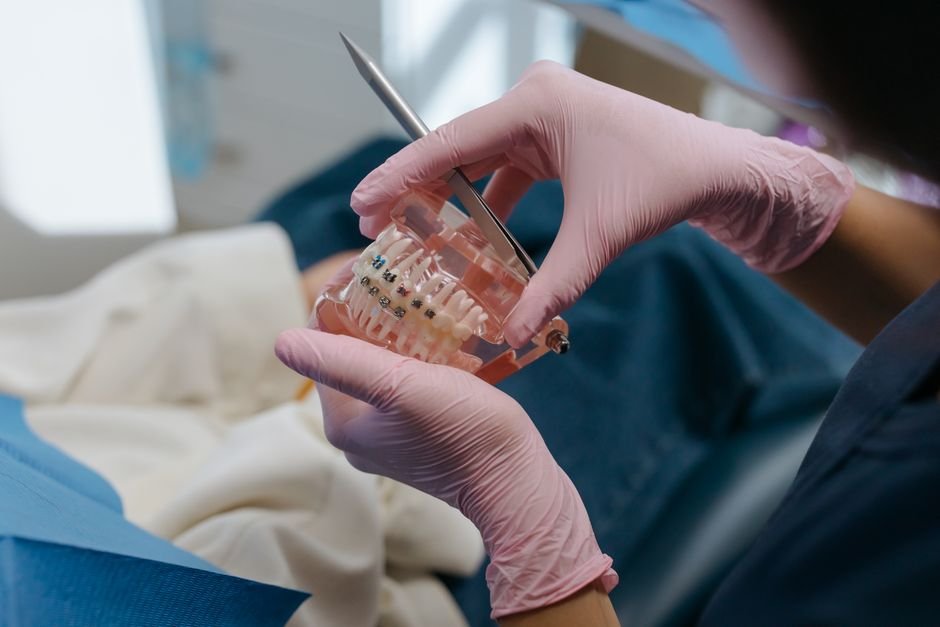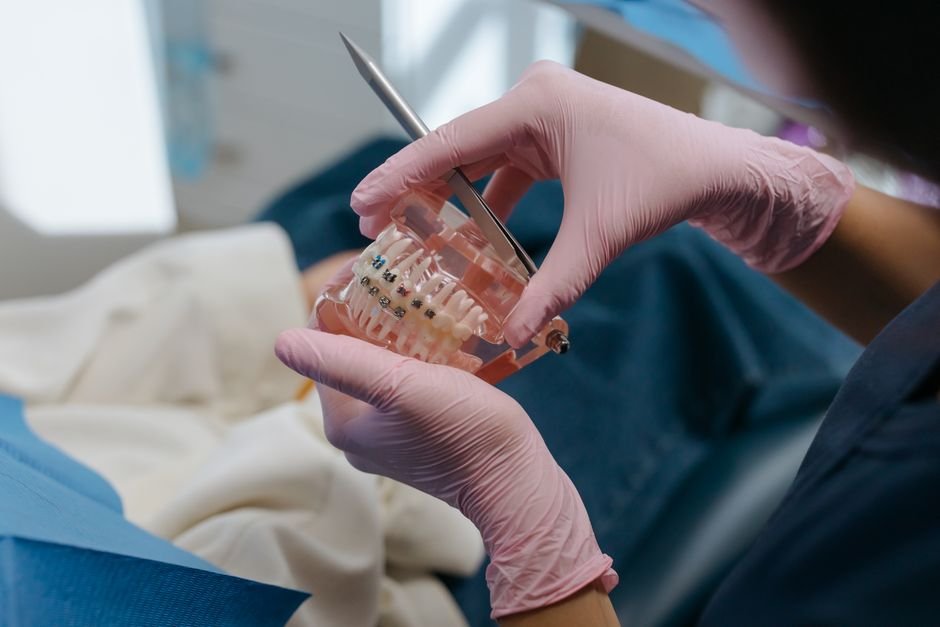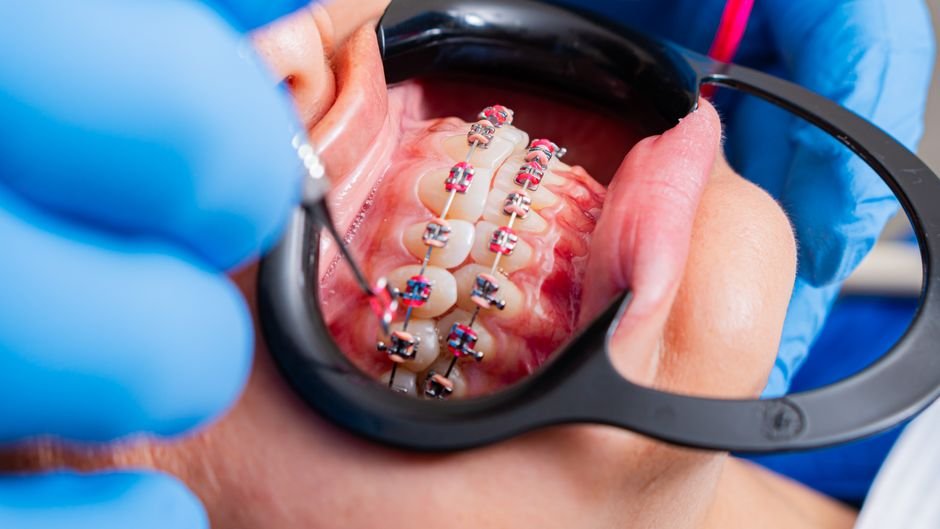
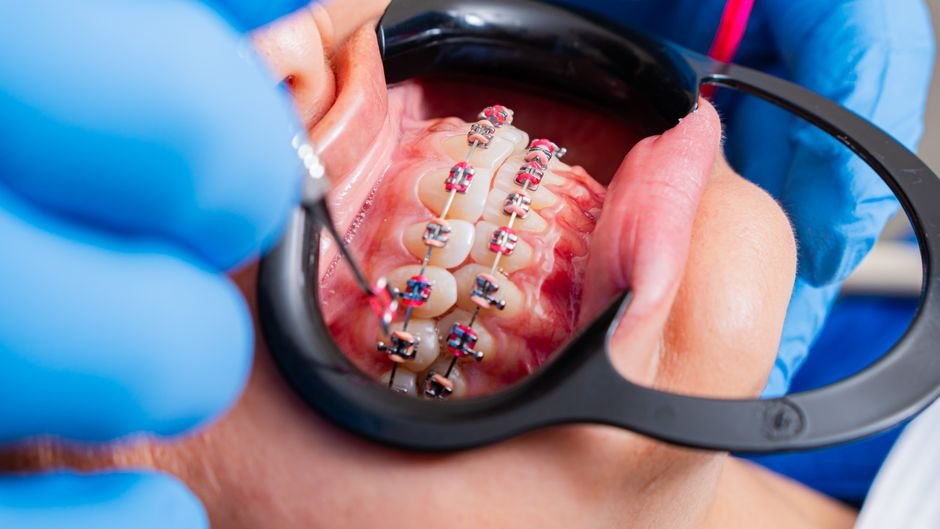
Most orthodontic problems fall into two camps: minor irritations you can manage at home until your next scheduled appointment, and genuine issues that need attention sooner rather than later. A poking wire, a loose bracket, or a lost aligner tray are the most common examples, and in nearly all cases they can be temporarily managed with a few household items and a calm approach, then properly resolved at your regular check-up or a slightly earlier visit if discomfort persists.
Key takeaways
- A poking wire or loose bracket is uncomfortable but rarely urgent — orthodontic wax and gentle care usually get you through until your next visit.
- Lost or cracked aligners should be replaced quickly to avoid treatment delays, but going back to the previous tray temporarily is usually fine.
- Swelling, significant pain, or an object that will not budge are signs to contact your provider sooner rather than waiting.
- Good oral hygiene habits and avoiding hard or sticky foods prevent the majority of everyday orthodontic mishaps.
- Keeping a small emergency kit at home makes managing these situations far less stressful.
What actually counts as an orthodontic emergency?
A true orthodontic emergency is relatively rare. It generally involves something that is causing ongoing tissue damage, significant pain that does not settle, or a component that has come apart in a way that could be swallowed or inhaled. Examples include a wire that has broken and is digging deeply into the cheek or gum, a bracket that has detached completely and is loose in the mouth, or a retainer that has cracked in a way that leaves a sharp edge. These situations warrant a phone call to your orthodontic provider and, if needed, an earlier appointment than originally scheduled.
Most other issues are better described as inconveniences rather than emergencies. A wire end that has shifted slightly, a bracket that feels a touch loose but is still attached, or mild soreness after an adjustment all fall into this category. These can typically be managed with simple home care and monitored over a day or two. Learning to tell the difference reduces unnecessary stress and helps you decide whether a same-day call is genuinely needed or whether your next routine visit will do.
How should you deal with a poking or broken wire?
A wire poking into the cheek, lip, or tongue is one of the most frequent orthodontic complaints. The first step is to try gently pushing the wire back into a more comfortable position using the eraser end of a pencil or a cotton bud, rather than your fingers alone, which can be difficult to control. If that is not possible, covering the sharp end with a small piece of orthodontic wax, rolled into a ball and pressed firmly over the area, creates an immediate barrier between the metal and the soft tissue.
If wax is not available, a small piece of clean, soft cotton wool can serve as a short-term substitute, though it should be replaced as soon as proper wax is on hand since cotton can shred and stick to the wire. Rinsing the mouth with warm salt water afterward soothes any irritation that has already developed. A wire that cannot be repositioned and continues to cause pain despite wax should prompt a call to your provider, as it may need to be trimmed or adjusted professionally.
What is the right way to handle a loose or broken bracket?
Brackets occasionally loosen from the tooth surface, often after eating something hard or sticky, though sometimes without any obvious cause. If a bracket has slipped along the wire but is still attached, it is usually safe to leave it in place and simply avoid chewing directly on that tooth until your appointment. Covering any sharp edge with a dab of orthodontic wax will keep it from irritating the cheek in the meantime.
If the bracket has come away from the wire entirely, remove it from the mouth carefully to avoid it being swallowed or inhaled, and store it somewhere safe, such as a small container, since your provider may be able to reattach the very same bracket rather than fitting a new one. Note which tooth it came from if you can, as this speeds up the repair. A single detached bracket rarely counts as urgent, but it is worth mentioning at your next contact with the clinic so it can be scheduled in before it delays your overall treatment plan.
What should you do if you lose or crack a clear aligner?
Clear aligner treatment relies on a set sequence of trays worn for a specific number of days each, so losing one can understandably feel worrying. The most common approach is to simply move back to the previous tray in the sequence and continue wearing it as normal until a replacement can be organised or until it is appropriate to move forward again. This keeps the teeth held in position and prevents unwanted movement backwards.
A cracked or chipped aligner can often still be worn temporarily if the edges are not sharp and it still fits securely, though a small crack tends to worsen with continued wear. If the tray no longer sits properly, has a jagged edge, or has broken into pieces, it should be set aside and the previous tray used instead. Keep track of how many days you have gone without your current planned tray, since this information is useful when your provider advises on adjusting the remaining schedule.
Can a loose band, spacer, or other small component wait?
Separators, bands, and small elastics occasionally shift or fall out between visits. In most cases, a spacer that has come out slightly early has usually already done its job of creating room for a band, so it is not typically an urgent problem, though it is worth mentioning at your next appointment. Similarly, a small elastic band worn between teeth that snaps or goes missing is easy to manage by simply following the instructions given for replacing it, if you have been supplied with spares.
A loose molar band is a little different, since it sits further back and can sometimes trap food or feel uncomfortable against the gum. If it is still attached and not causing sharp irritation, gentle rinsing after meals and careful brushing around it will keep the area clean until it can be re-cemented. If it has come off completely, store it safely as you would a bracket, and let your provider know, particularly if the exposed wire underneath feels sharp against the cheek.
What household items actually help with orthodontic discomfort?
A small home emergency kit makes most minor orthodontic issues far less stressful to deal with. Orthodontic wax is the single most useful item, as it can be reshaped and reapplied to cushion almost any sharp edge, wire end, or bracket corner. A travel-sized container of wax kept in a bag or car glovebox means you are rarely caught without it. Blunt-ended tweezers, a small mirror, and a spare toothbrush are also worth having on hand.
Warm salt water rinses remain one of the simplest and most effective remedies for general soreness, gum irritation, or minor ulceration caused by braces rubbing against soft tissue. Over-the-counter oral gels designed for mouth irritation can numb a sore spot temporarily, and soft foods reduce strain on teeth that feel tender after an adjustment. Keeping these basics together in one place means you can respond calmly the moment a minor issue arises, rather than searching for solutions while already uncomfortable.
How do you manage mouth sores or general irritation from braces?
Braces introduce new surfaces inside the mouth, and it is common for the cheeks, lips, and tongue to develop small sore patches while they adjust, particularly in the first few weeks after fitting or after a tightening appointment. Applying wax over any bracket or wire that seems to be the source of friction is the most direct fix. Rinsing with warm salt water two or three times a day helps keep the area clean and encourages faster healing of any small ulcers that have formed.
If a sore spot is persistent, a soothing oral gel applied directly can reduce discomfort while eating or speaking. It generally helps to avoid acidic or very salty foods while a sore is healing, since these can sting. Most irritation of this kind settles within a week as the soft tissue toughens up and adapts to the appliance. If soreness is unusually severe, spreading, or accompanied by visible swelling, it is sensible to mention it to your provider rather than assuming it will resolve on its own.
When should you actually contact your orthodontic provider promptly?
While the majority of orthodontic hiccups can be managed at home for a day or two, there are situations where a prompt call is the sensible choice. These include a wire or bracket that cannot be made comfortable with wax and continues to cause significant pain, a retainer or aligner that has cracked with a sharp edge that cannot be smoothed, or any appliance component that has come loose and could potentially be swallowed.
Noticeable swelling of the gum or cheek, a bad taste that will not go away despite rinsing, or pain that is worsening rather than settling over a couple of days are also reasonable prompts to get in touch sooner. Most orthodontic practices are used to fielding these calls and can often talk you through a solution over the phone, or bring your appointment forward if a hands-on fix is genuinely needed. Reaching out early, described calmly and clearly, generally leads to a quicker and simpler resolution than waiting until the next scheduled visit.
How can you prevent most orthodontic emergencies before they happen?
Prevention comes down mostly to food choices and daily habits. Hard foods such as ice, hard sweets, and crusty bread crusts, along with sticky foods like chewy sweets or caramel, are the most frequent causes of broken brackets and bent wires. Cutting harder fruits and vegetables into smaller pieces rather than biting directly into them reduces unnecessary strain on brackets. Chewing gum, unless specifically approved for use with your appliance, should generally be avoided altogether.
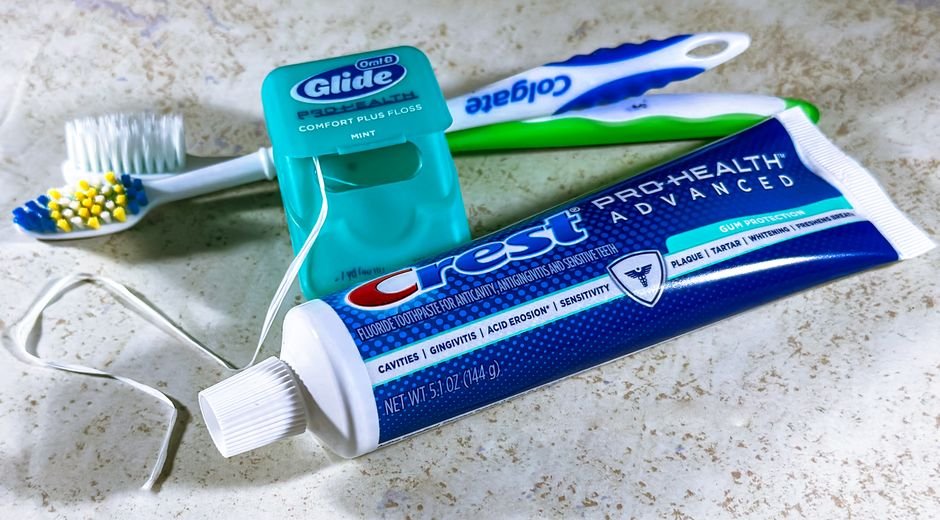
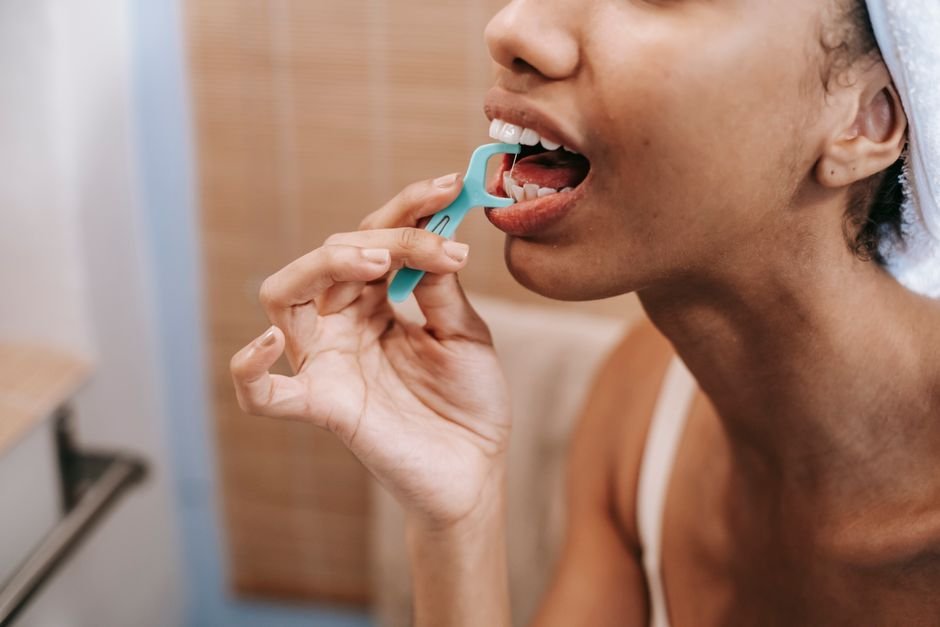
Consistent, gentle brushing around every bracket and along the gumline, along with regular flossing using a floss threader or interdental brush, keeps the appliance and surrounding teeth healthy and reduces the chance of gum irritation that can make minor issues feel worse. For aligner wearers, always storing trays in their case when not worn, rather than in a napkin or pocket, dramatically cuts down on the number lost or accidentally thrown away. Attending every scheduled appointment also allows your provider to catch small issues, like a slightly loose bracket, before they progress into something more disruptive.
Frequently Asked Questions
Is a poking wire considered a dental emergency?
A poking wire is uncomfortable but rarely a true emergency. Covering the end with orthodontic wax, or a small piece of clean cotton wool if wax is unavailable, usually resolves the irritation until it can be properly trimmed or adjusted at your next visit. A call to your provider is only needed if the wax cannot control the discomfort or the wire is causing ongoing damage to the cheek or gum.
What should I do if I swallow a small bracket or elastic?
Small orthodontic components are generally harmless if accidentally swallowed, as they typically pass through the digestive system without issue. It is still worth mentioning to your provider so a replacement can be arranged, and if you experience any unusual discomfort afterwards, it is sensible to seek general medical advice as a precaution.
Can I keep wearing my retainer if it feels cracked?
A retainer with a hairline crack but no sharp edges can often still be worn for a short period, but it should be checked as soon as possible since a small crack tends to worsen with continued use and pressure. If any edge feels sharp against the gum or cheek, stop wearing it and contact your provider for a repair or replacement.
How long can I go without wearing my aligner if I lose one?
If a tray goes missing, wearing the previous tray in the sequence keeps your teeth held in their current position and prevents unwanted shifting while a replacement is arranged. It is best not to leave any tray out for more than a day or two, since teeth can begin to move without any appliance in place at all.
Why does my mouth feel sore after every orthodontic adjustment?
Soreness after an adjustment happens because the teeth are being gently guided into new positions, which creates mild pressure and tenderness for a few days. This is a normal part of the process and typically eases within two to four days. Sticking to softer foods, rinsing with warm salt water, and using a soothing oral gel can make this period more comfortable.

Matthew is a dental content writer passionate about helping readers understand their oral health, one article at a time.