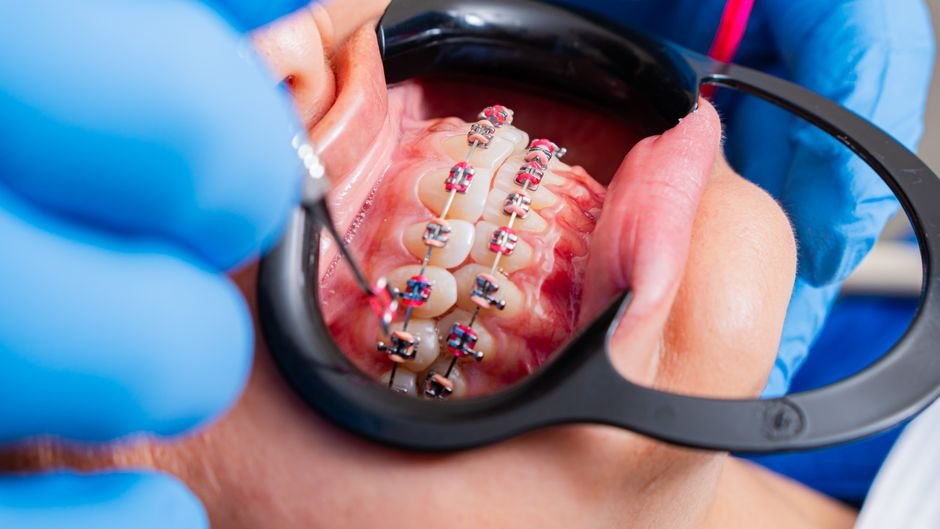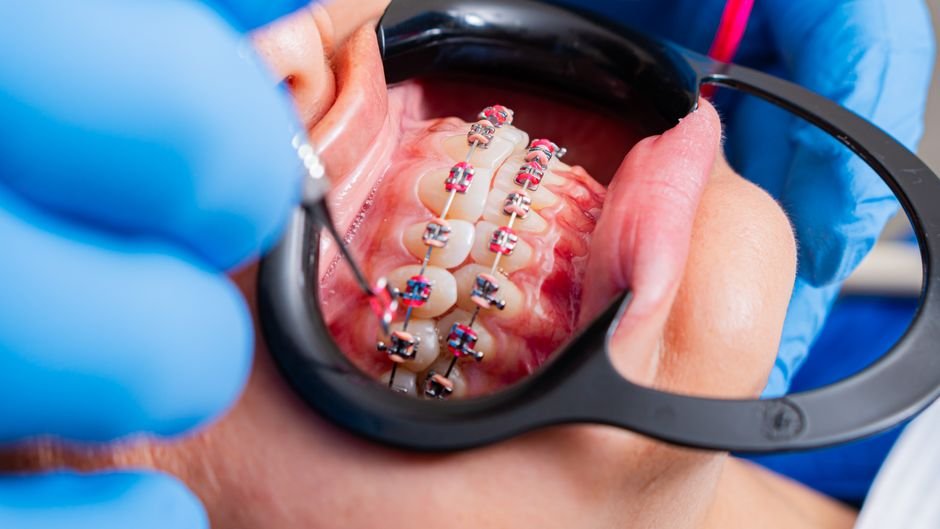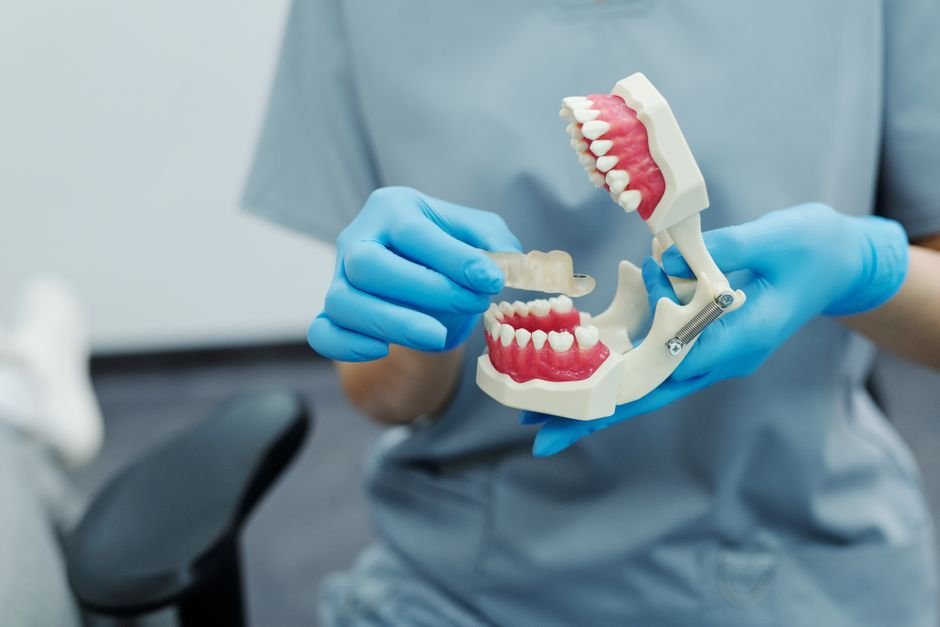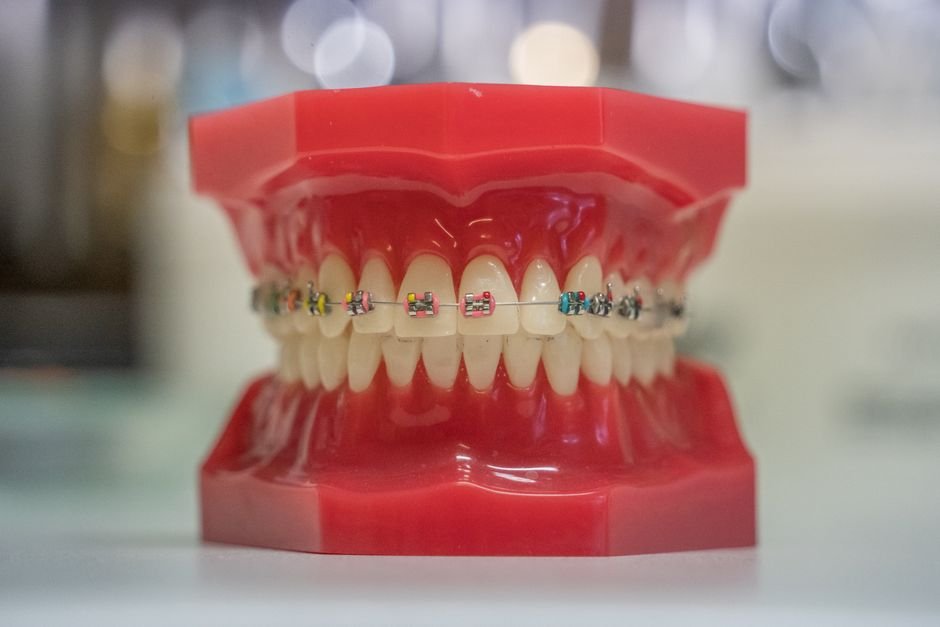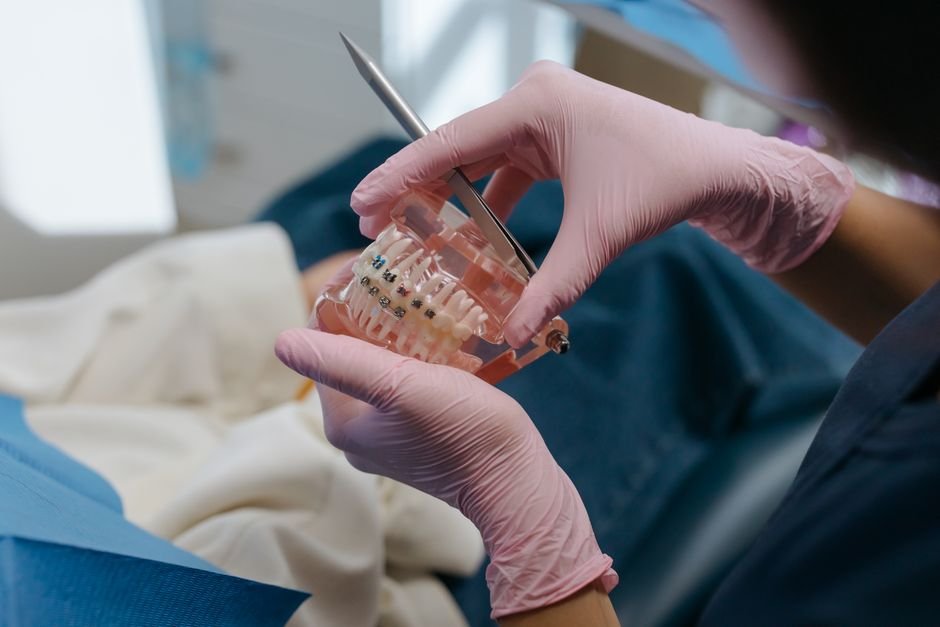
Early signs a child may need braces include crowded or overlapping teeth, noticeable gaps, difficulty biting or chewing comfortably, a jaw that shifts noticeably when opening or closing, and prolonged habits like thumb sucking affecting tooth position. Not every early sign automatically means braces are necessary, but noticing these indicators helps parents know when an orthodontic evaluation is worth pursuing sooner rather than later.
Key takeaways
- Crowding, gaps, and bite irregularities are common early indicators worth monitoring.
- An early orthodontic evaluation does not always mean immediate treatment is needed.
- Prolonged habits like thumb sucking can influence tooth and jaw development.
- Jaw shifting or clicking during opening and closing is worth mentioning to a dentist.
- Early evaluation allows monitoring of development at the most useful stages.
What Does Tooth Crowding Look Like in Children?
Tooth crowding occurs when there is not enough space in the jaw for all the teeth to align properly, causing them to overlap, twist, or emerge at odd angles. In children, early signs of crowding might appear as baby teeth that seem tightly packed together, or as permanent teeth emerging in a visibly crooked position as they replace baby teeth.
While some mild crowding can resolve or become more manageable as the jaw continues to grow, more significant crowding often benefits from early monitoring, since it may indicate the jaw will not naturally develop enough space for all permanent teeth. An orthodontist can assess whether crowding observed at a young age is likely to require intervention later.
Are Gaps Between Teeth Ever a Cause for Concern?
Small gaps between baby teeth are actually a normal and often positive sign, since they typically indicate there is adequate space for larger permanent teeth to emerge later. However, unusually large or persistent gaps, particularly between permanent teeth, can sometimes indicate an underlying issue worth evaluating, such as a missing tooth or a habit affecting tooth position.
Distinguishing between a normal developmental gap and one that might indicate a concern is not always straightforward for parents to judge on their own. This is one of the reasons early dental and orthodontic checkups are valuable, since a professional can assess whether a particular gap fits within expected developmental patterns.
How Can Parents Recognise Bite Problems?
Bite problems, such as an overbite, underbite, or crossbite, can sometimes be noticed at home when a child’s upper and lower teeth do not align as expected when their mouth is closed. Signs might include the upper front teeth significantly overlapping the lower teeth, the lower teeth sitting in front of the upper teeth, or teeth on one side not meeting properly when biting down.
Difficulty biting into certain foods, or a child mentioning that their teeth feel like they don’t fit together comfortably, can also be worth paying attention to. These observations do not confirm a diagnosis on their own, but they are useful details to share with a dentist or orthodontist during a routine evaluation.
Does Jaw Clicking or Shifting Matter?
A jaw that clicks, shifts noticeably to one side, or feels like it needs to find a particular position when opening and closing can sometimes indicate an underlying alignment issue affecting how the jaw joints function. While occasional, painless clicking is not always significant, a consistent pattern is worth mentioning to a dental professional.
Jaw-related concerns are sometimes connected to how the teeth meet when biting down, meaning addressing an underlying bite issue can, in some cases, also improve associated jaw symptoms. An orthodontic evaluation can help determine whether observed jaw behaviour is related to tooth alignment or a separate consideration entirely.
How Do Habits Like Thumb Sucking Influence the Need for Braces?
Prolonged thumb sucking or pacifier use beyond the toddler years can place consistent pressure on developing teeth and the jaw, sometimes contributing to an open bite or affecting how front teeth align. The extent of impact generally depends on how long, how frequently, and how intensely the habit continues, along with a child’s individual development.
If a habit continues well beyond the age when most children naturally stop, discussing gentle strategies to encourage stopping with a dentist or paediatrician can help minimise any lasting effect. In some cases, addressing the habit early may reduce or eliminate the need for more extensive orthodontic correction later on.
At What Age Should an Orthodontic Evaluation Happen?
Many orthodontic professionals recommend an initial evaluation around age seven, even if no obvious problems are apparent at that point. By this age, enough permanent teeth have typically emerged to allow an orthodontist to assess developing patterns and identify potential concerns while there may still be opportunities for simpler, earlier intervention if needed.
An early evaluation does not necessarily mean treatment will start immediately, or at all. Often, the purpose is simply to establish a baseline and monitor development over subsequent visits, allowing any necessary treatment to begin at the most appropriate and effective stage for that specific child.
What Happens During an Early Orthodontic Evaluation?
An early evaluation typically involves an examination of the teeth, jaw, and bite, sometimes supported by X-rays to assess how permanent teeth are developing beneath the gum line. The orthodontist will discuss any observations with parents, explaining whether current development appears typical or whether specific patterns warrant closer monitoring or early treatment.
This appointment is generally low-stress for children, since it usually does not involve any treatment itself, only assessment and discussion. Framing the visit positively to a child beforehand, as simply a checkup to see how their teeth are growing, can help keep the experience calm and straightforward.
Does Early Evaluation Always Lead to Early Treatment?
No, many children who are evaluated early do not require immediate treatment, and instead are simply monitored at regular intervals as their teeth and jaw continue to develop. Early treatment is generally reserved for specific situations where addressing an issue sooner is likely to produce a meaningfully better outcome than waiting.
Understanding that evaluation and treatment are separate steps can help ease any parental concern about seeking an early assessment. Identifying a potential issue early simply provides more options and information, allowing decisions about treatment timing to be made thoughtfully rather than reactively later on.
How Can Parents Support a Child Through the Waiting and Monitoring Period?
If an orthodontist recommends monitoring rather than immediate treatment, it can help to explain to a child, in simple terms, that their teeth are still growing and that the dentist is simply keeping an eye on things. This framing avoids unnecessary worry while still acknowledging that dental visits are continuing for a specific reason.
Maintaining consistent oral hygiene and attending all recommended follow-up appointments during this monitoring period remains important, since healthy teeth and gums provide the best foundation for any orthodontic treatment that may eventually be recommended. Keeping a simple written note of what was observed at each visit can also help track changes over time between appointments.
Frequently Asked Questions
Can baby teeth alignment predict permanent teeth alignment?
Baby teeth alignment can offer some early clues, but it does not always predict exactly how permanent teeth will align, since jaw growth and tooth development continue to change significantly over subsequent years. This is part of why ongoing monitoring, rather than a single assessment, tends to give the clearest picture.
Is it too late to address alignment issues if they aren’t noticed until the teenage years?
No, orthodontic treatment can be effective at a wide range of ages, including the teenage years and beyond. While certain early interventions rely on a child’s jaw still being in an active growth phase, many alignment issues can still be addressed successfully later using different treatment approaches.
Do all children with crowded teeth need braces?
Not necessarily. The severity of crowding, along with how a child’s jaw continues to develop, influences whether braces or other treatment will ultimately be needed. An orthodontic evaluation can help determine the likely path forward based on the specific situation.
Can thumb sucking effects on teeth be reversed?
In many cases, mild effects from thumb sucking can improve on their own once the habit stops, particularly if it ends before permanent teeth emerge. More significant or prolonged effects may require orthodontic treatment to fully correct, which an orthodontist can assess during an evaluation.
How often should a child be reevaluated if no treatment is needed initially?
This varies by individual case, but many orthodontists recommend periodic monitoring, often around once a year, for children who show early signs worth watching but do not yet need treatment. This allows any changes in development to be identified and addressed at an appropriate time.

Matthew is a dental content writer passionate about helping readers understand their oral health, one article at a time.