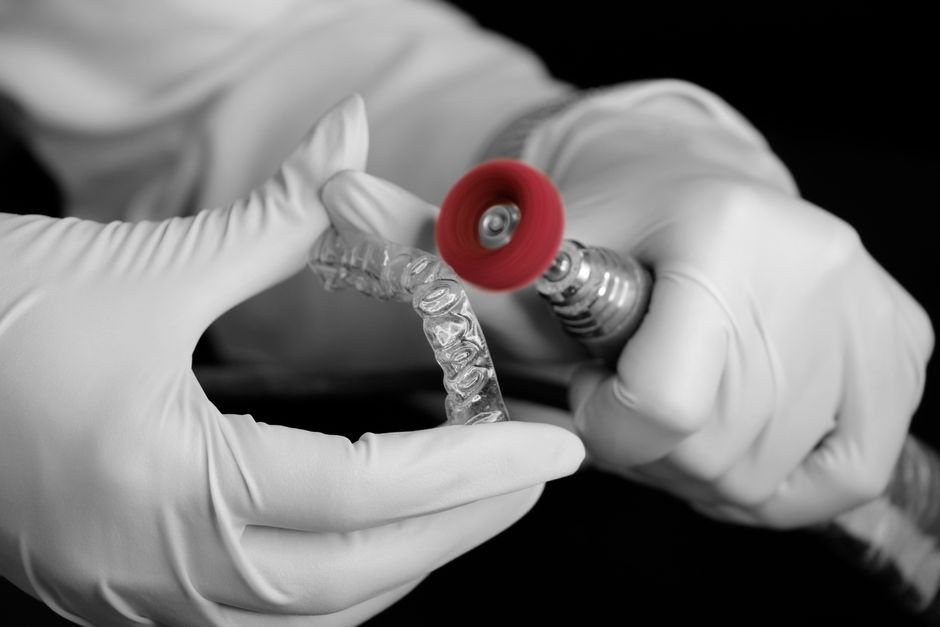
Fixed retainers are thin wires bonded behind the front teeth that hold them in place around the clock, while removable retainers are clear plastic trays or wire-and-acrylic appliances you take out to eat and clean. Fixed retainers are better for people who might forget to wear an appliance and for teeth at high risk of shifting. Removable retainers are easier to clean around and more flexible. Many orthodontists recommend combining both for the most reliable long-term results.
Key takeaways
- Teeth naturally tend to drift after braces or aligners, so some form of retainer is needed long term.
- Fixed retainers work continuously without relying on you to remember them, but need careful cleaning.
- Removable retainers make brushing and flossing easier but only work when worn as instructed.
- Many people benefit from a fixed retainer on the front teeth plus a removable retainer worn at night.
- Both types need regular checks, as wires can loosen and removable trays can wear or warp.
Why do you need a retainer after orthodontic treatment?
When braces or aligners move teeth, they do so by gradually reshaping the bone and stretching the fibres that attach each tooth to its socket. Once active treatment ends, these tissues need time to reorganise around the new positions. The elastic fibres around the necks of the teeth in particular have a memory and tend to pull teeth back towards where they started. Without support, teeth can begin to move within weeks or months.
Even after the tissues have settled, teeth continue to change position slowly throughout life. Natural ageing, the pressure of the tongue and lips, wisdom teeth and changes in the bite can all cause gradual crowding, especially in the lower front teeth. A retainer is what protects the investment of time, effort and money made during orthodontic treatment. Most orthodontists now consider retention to be a lifelong commitment, rather than something needed for just a year or two.
What is a fixed retainer?
A fixed retainer, also called a bonded or permanent retainer, is a thin wire attached to the back surfaces of the front teeth with tooth-coloured bonding material. It is most commonly placed on the lower front teeth, from canine to canine, but can also be used on the upper teeth if the bite allows. The wire may be a single strand, a braided wire or a custom-made design, and it is invisible from the front when you smile.
Fitting a fixed retainer is usually quick and painless. The dentist or orthodontist cleans and prepares the back of the teeth, positions the wire and secures it with small amounts of bonding material, which is then hardened with a special light. There are no injections or drilling involved. Many people notice the wire with their tongue for the first few days, but most quickly get used to it and forget it is there during everyday eating and talking.
What are the advantages and drawbacks of fixed retainers?
The biggest advantage of a fixed retainer is that it works all the time without any effort from you. There is nothing to remember, lose, break by sitting on it or leave behind when travelling. This makes fixed retainers particularly useful for teenagers, busy adults and anyone whose teeth were severely crowded, rotated or spaced before treatment, as these cases have a higher tendency to relapse. They also protect the front teeth from the gradual crowding that often happens with age.
The main drawback is cleaning. Plaque and tartar can build up around the wire and between the teeth it connects, raising the risk of gum inflammation and decay if hygiene slips. Flossing requires a floss threader, special floss or small interdental brushes. Fixed retainers can also come loose if you bite into hard foods, and a broken bond may go unnoticed, allowing a tooth to move. Regular dental check-ups are important so problems can be found and repaired early.
What types of removable retainers are available?
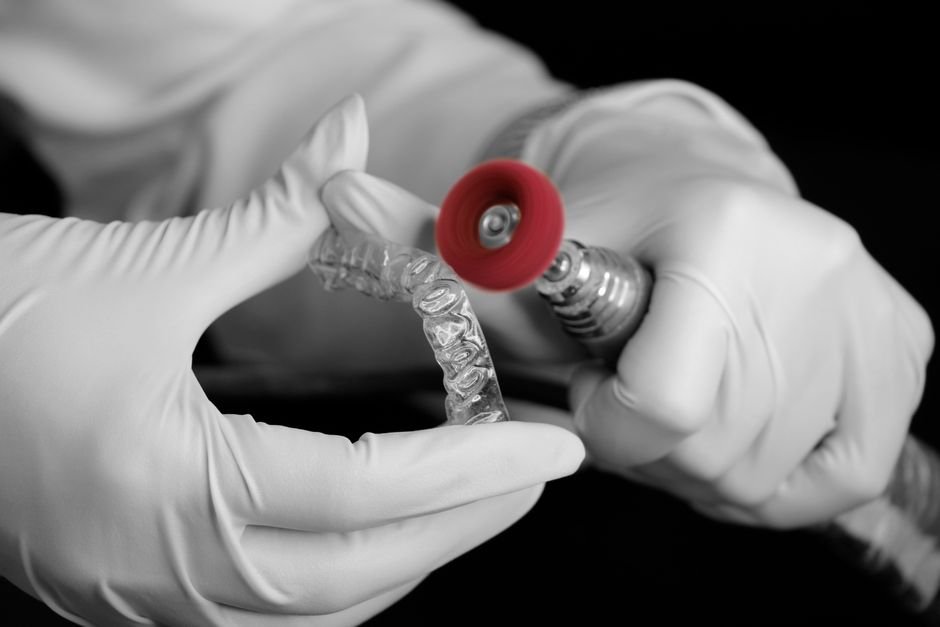
The most common removable retainer today is a clear plastic retainer, sometimes called a vacuum-formed or essix retainer. It is made from a thin, transparent material moulded closely to the shape of your teeth from a digital scan or impression. It is discreet, comfortable and holds every tooth in position, including the back teeth. Clear retainers look similar to aligner trays, although they are usually made from thicker, more durable material.
The other main type is the wire-and-acrylic retainer, often known as a Hawley retainer. It has a plate that sits against the roof of the mouth or behind the lower teeth, with a metal wire running across the front teeth. Hawley retainers are very durable, can be adjusted by the orthodontist and allow the upper and lower teeth to meet naturally. They are more visible than clear retainers and can affect speech slightly at first while you adapt.
What are the advantages and drawbacks of removable retainers?
Removable retainers make oral hygiene simple, because you take them out to brush and floss normally. They can be cleaned thoroughly outside the mouth and are easy to replace if lost or damaged, provided a scan or model of your teeth has been kept. Clear retainers hold all the teeth, not just the front ones, and wearing them at night can also offer some protection to teeth if you clench or grind during sleep, although they are not a substitute for a proper night guard.
The obvious drawback is that removable retainers only work when you wear them. It is easy to forget them on busy nights, and teeth can start to shift if they are left out for days or weeks. When a retainer that has not been worn for a while feels tight, it is a sign teeth have moved. Clear retainers can also crack, warp in heat, discolour or wear thin over time, so they typically need replacing every few years.
Is it better to have both a fixed and a removable retainer?
Many orthodontists recommend a combined approach, known as dual retention. This usually means a fixed wire on the lower front teeth, and sometimes the upper front teeth, along with a clear removable retainer worn at night. The fixed wire guards the teeth most prone to relapse, while the removable retainer holds the whole arch, including the back teeth, and provides a backup if the fixed wire ever breaks without you noticing.
Dual retention is particularly helpful for people who had significant crowding, large gaps or rotated teeth before treatment, or who want the highest level of protection for their result. The right choice, however, depends on your bite, your gum health, your cleaning habits and your personal preferences. Some people do very well with removable retainers alone, while others prefer the security of a fixed wire. Your orthodontist will explain which option suits your situation best.
How should you care for each type of retainer?
With a fixed retainer, brush carefully along the gumline behind the front teeth twice a day, angling the bristles towards the wire. Clean between the teeth daily using a floss threader, super floss or appropriately sized interdental brushes, as normal floss cannot pass through the bonded contacts. A water flosser can help remove loose debris but should not replace physical cleaning. Avoid biting directly into very hard foods with your front teeth, and run your tongue over the wire regularly to check it feels secure.
Removable retainers should be rinsed when you take them out and cleaned gently every day with a soft brush and cool water or a mild, unscented soap. Avoid hot water, which can warp plastic, and avoid abrasive toothpaste, which scratches the surface and makes it cloudy. Always store your retainer in its case when it is not in your mouth, never wrapped in a tissue, where it is easily thrown away. Keep it away from pets, which are often attracted to retainers.
What should you do if a retainer breaks or no longer fits?
If your fixed retainer feels loose, part of the wire has come away from a tooth, or the wire is bent, contact your dentist or orthodontist as soon as possible. Do not try to pull it off or bend it back yourself. A detached section means the tooth it was holding can start to drift, sometimes quite quickly. In many cases, the wire can be re-bonded at a short appointment, or a new wire can be made if needed.
For removable retainers, a crack, split or change in fit should also be checked promptly. If the retainer feels slightly tight after a missed night, wearing it consistently again may gently guide teeth back. If it no longer fits at all, do not force it in, as this can damage teeth or the appliance. Ask your orthodontist about a replacement. Keeping a copy of your digital scan on record can make replacement retainers faster and easier to produce.
Frequently Asked Questions
How long do I need to wear a retainer after braces?
Most orthodontists now recommend wearing a retainer long term, ideally for life, because teeth continue to move naturally with age. Removable retainers are usually worn full time at first and then reduced to night-time wear. Fixed retainers can stay in place for many years as long as they remain secure and clean.
Can a fixed retainer damage my teeth or gums?
A fixed retainer does not damage teeth by itself, but plaque can build up around the wire if cleaning is not thorough, increasing the risk of gum inflammation and decay. Careful daily cleaning with floss threaders or interdental brushes and regular professional check-ups help keep teeth and gums healthy around the wire.
Can a fixed retainer be removed later?
Yes, a fixed retainer can be removed by a dentist or orthodontist if needed, usually by gently polishing away the bonding material. Removal is straightforward and should not damage the teeth. If the fixed wire is removed, a removable retainer is normally recommended to keep the teeth from moving.
What happens if I stop wearing my removable retainer?
If a removable retainer is not worn as instructed, teeth may gradually drift back towards their original positions. Crowding often appears first in the lower front teeth. If your retainer feels tight or no longer fits, contact your orthodontist promptly, as minor movement can sometimes be corrected before it becomes significant.
Which retainer is less noticeable?
Fixed retainers are hidden behind the teeth and cannot be seen when you smile, making them the least noticeable option. Clear removable retainers are also very discreet. Wire-and-acrylic retainers are more visible because a metal wire crosses the front teeth, although many people find them durable and comfortable.

Matthew is a dental content writer passionate about helping readers understand their oral health, one article at a time.