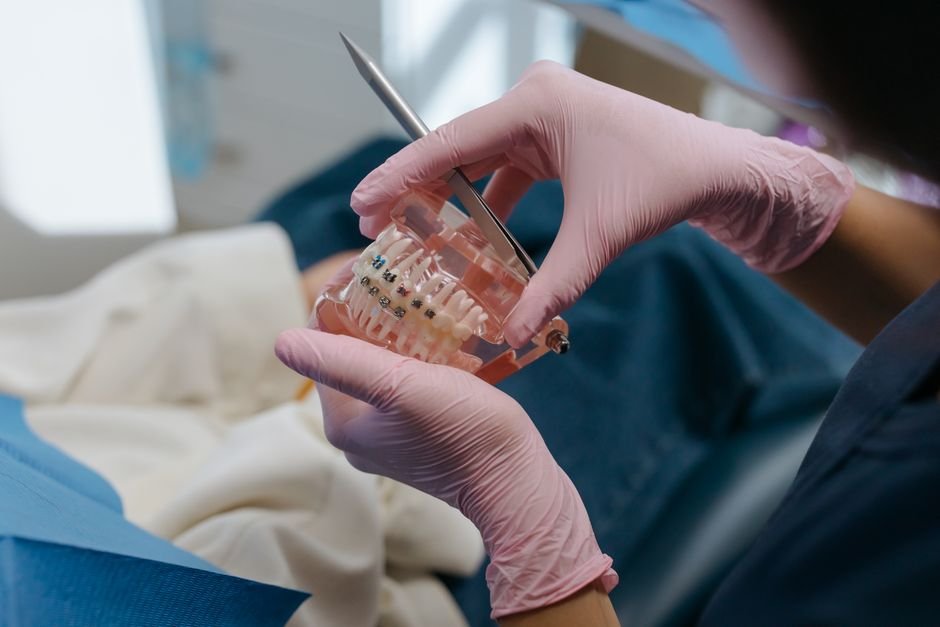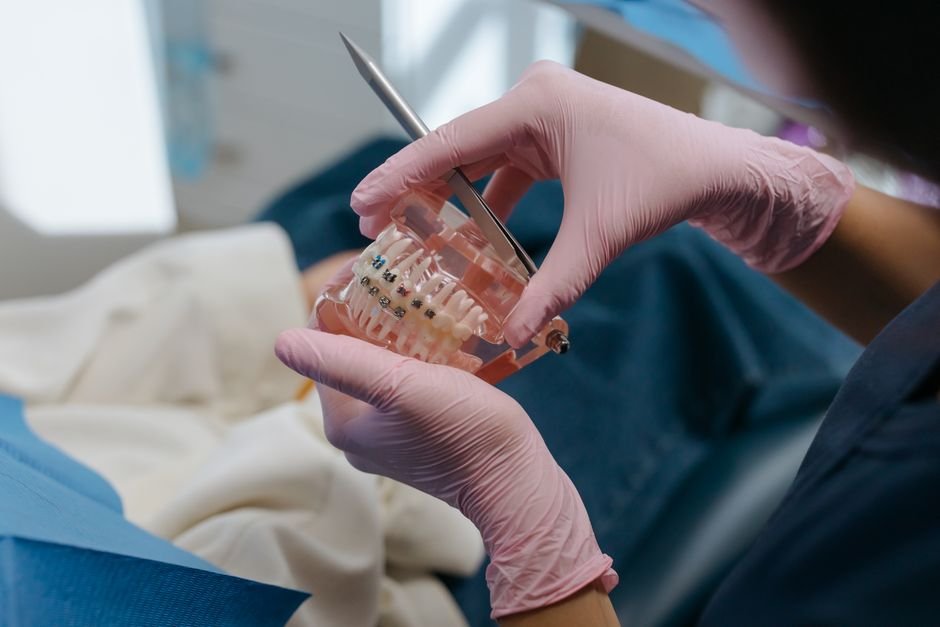

Living with braces becomes noticeably easier once a few practical habits become routine: adjusting how you eat, brushing and flossing with slightly more care and the right tools, and knowing how to manage minor discomfort when it arises. Most people adapt within the first few weeks and settle into a straightforward daily rhythm around their braces.
Key takeaways
- Certain hard, sticky, and chewy foods are best avoided to protect brackets and wires.
- Brushing and flossing take slightly longer with braces but are essential for preventing decay.
- Mild discomfort after adjustments is normal and typically manageable with simple remedies.
- Specialised tools like interdental brushes and floss threaders make hygiene significantly easier.
- Orthodontic wax can quickly resolve irritation from brackets or wires rubbing the cheek.
What Foods Should Be Avoided With Braces?
Certain foods pose a genuine risk to braces, either by bending wires, dislodging brackets, or getting lodged in ways that are difficult to clean out. Hard foods such as nuts, hard sweets, and ice, along with sticky foods like caramel and chewy sweets, are among the most commonly flagged culprits for causing damage or extended cleanup.
This does not mean every enjoyable food becomes off-limits entirely. Many foods can be modified rather than avoided completely, such as cutting apples and carrots into smaller pieces rather than biting directly into them, or choosing softer versions of a favourite snack. Learning these adjustments early helps make the adaptation period considerably smoother.
How Should Brushing Technique Change With Braces?
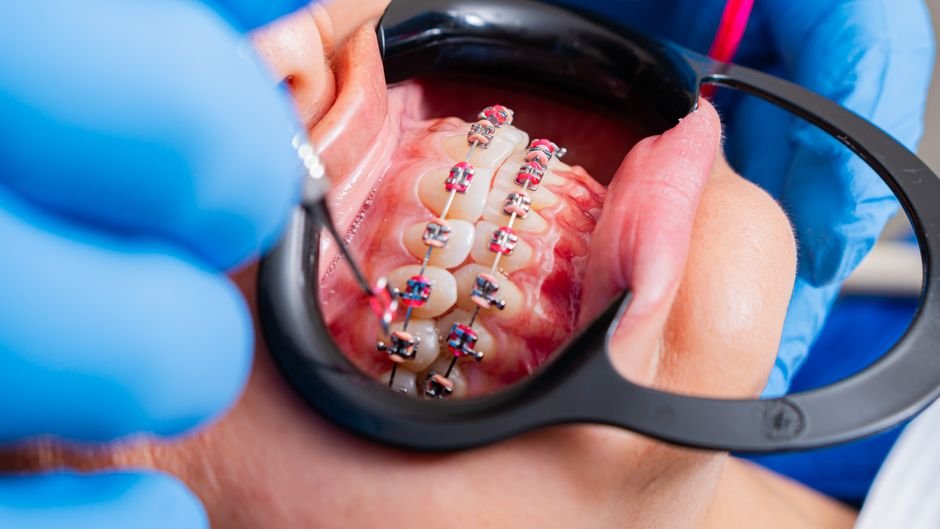
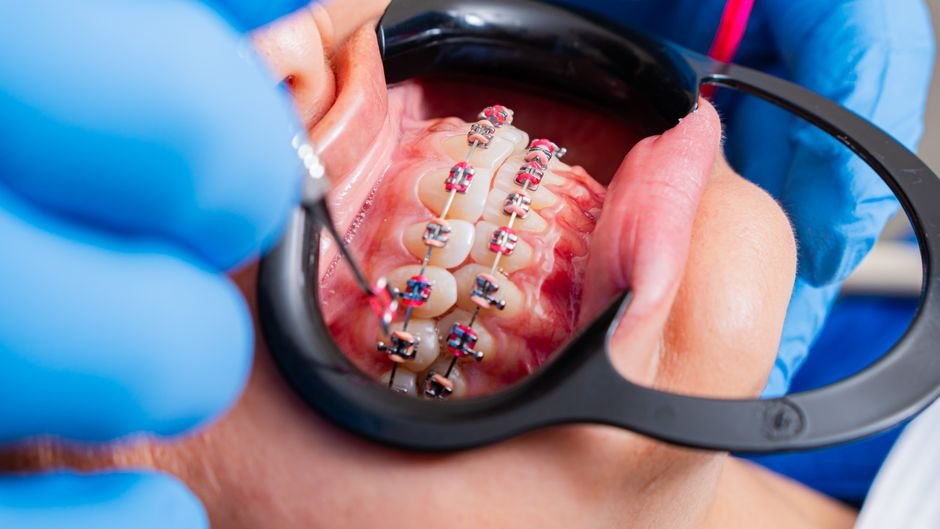
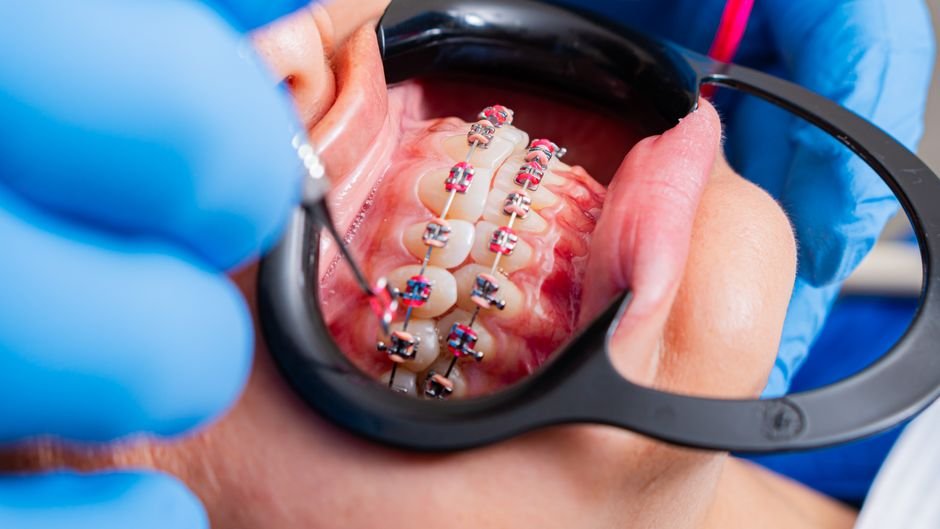
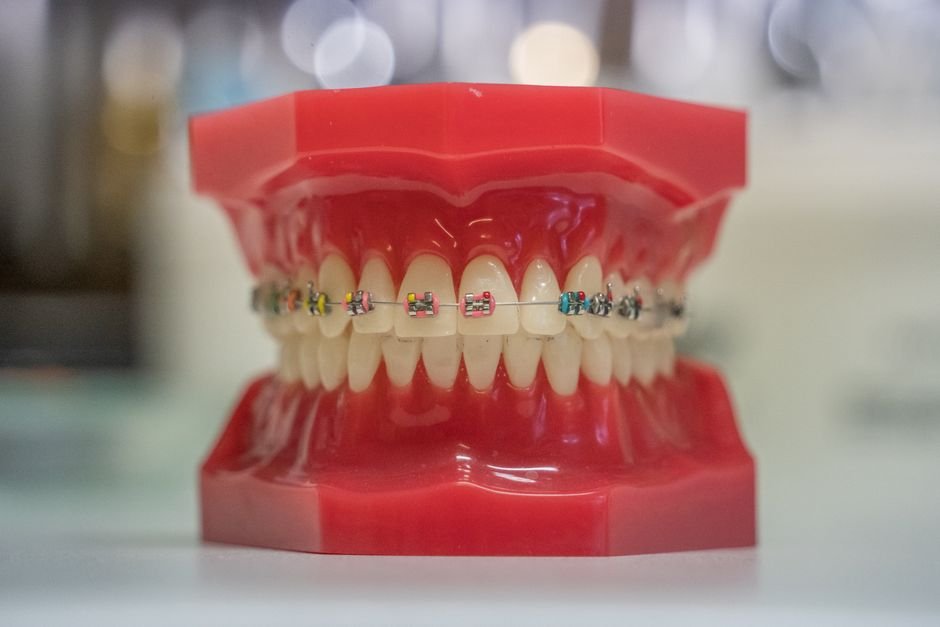
Braces create additional surfaces and small gaps around brackets and wires where food particles and plaque can accumulate more easily than on smooth, bracket-free teeth. This means brushing needs to be more deliberate and thorough, angling the brush to clean above and below each bracket rather than simply brushing across the surface as usual.
Many orthodontists recommend brushing after every meal when possible, since food trapped around brackets can sit against the tooth surface for extended periods if left until the next scheduled brushing. A soft-bristled brush, sometimes designed specifically for orthodontic use with a V-shaped bristle pattern, can make this more thorough cleaning noticeably easier to achieve.
What Tools Make Flossing With Braces Easier?
Traditional flossing becomes considerably more challenging with braces in place, since the wire running across the front of the teeth blocks the straightforward path floss would normally take. Floss threaders, which help guide floss underneath the wire, and orthodontic floss with a stiffened end built in, are both commonly used solutions to this challenge.
Water flossers have also become a popular alternative for many people with braces, using a targeted stream of water to dislodge food particles and plaque from around brackets and between teeth without needing to thread anything under the wire manually. Whichever tool is chosen, consistency matters more than which specific method is used.
Is Discomfort After Adjustments Normal, and How Long Does It Last?
Mild soreness or pressure in the days following an orthodontic adjustment is a normal and expected part of the treatment process, reflecting the gentle, gradual force being applied to shift teeth into their new positions. This discomfort typically peaks within the first day or two after an adjustment and then steadily improves.
Most people find this discomfort manageable with simple measures such as over-the-counter pain relief if needed, sticking to softer foods for a couple of days, and rinsing with warm salt water to soothe general tenderness. If discomfort feels unusually severe or persists well beyond a few days, it is worth checking in with the orthodontist to rule out any issue needing adjustment.
What Should You Do About Wire or Bracket Irritation?
It is common for a wire end or bracket edge to occasionally rub against the inside of the cheek or lip, particularly in the early weeks of treatment before the mouth has fully adjusted to the presence of braces. This can cause localised irritation or a small sore spot in the affected area.
Orthodontic wax, a simple soft wax provided by most orthodontic practices, can be pressed directly over the offending bracket or wire end to create a smoother, protective barrier. This offers quick relief while the mouth continues adjusting, and most people find they need it less frequently as the weeks progress and tissue toughens slightly in response to the braces.
How Can You Manage Braces During Sports or Physical Activity?
Continuing sports and physical activity with braces is generally fine, but a properly fitted mouthguard becomes particularly important to protect both the braces and the soft tissue of the mouth from impact. Standard mouthguards are not always suitable, since they can trap around brackets uncomfortably, so orthodontic-specific mouthguards are often recommended.
These specialised mouthguards are designed with extra room to accommodate brackets and wires while still providing effective protection. Discussing appropriate options with an orthodontist, particularly for anyone involved in contact sports, helps ensure both safety and continued treatment progress are protected simultaneously.
What Happens If a Bracket or Wire Breaks?
Occasionally, despite careful food choices, a bracket may become loose or a wire may shift out of place. This is a fairly routine occurrence in orthodontic treatment and is rarely a cause for panic, though it does need to be addressed by the orthodontic practice rather than left unattended for an extended period.
In the meantime, orthodontic wax can help manage any irritation caused by a protruding wire until the appointment can be arranged. Most orthodontic practices have processes in place for handling these minor emergencies fairly quickly, since prompt attention helps keep overall treatment progressing on schedule.
How Does Diet Planning Make Life With Braces Easier?
Rather than viewing food restrictions as a constant source of frustration, many people find it helpful to plan meals and snacks around braces-friendly options in advance, particularly for situations like packed lunches or social gatherings where less suitable options might otherwise be the default choice.
Building a small rotation of reliable, enjoyable braces-friendly meals and snacks removes the need to make difficult decisions in the moment, and reduces the temptation to reach for something risky simply out of convenience. This kind of forward planning tends to make the overall experience feel considerably less restrictive day to day.
How Long Does It Typically Take to Adjust to Daily Life With Braces?
Most people find that the initial adjustment period, when new habits around eating and hygiene feel effortful and unfamiliar, settles into a comfortable routine within the first few weeks. By this point, brushing and flossing techniques become more automatic, and food choices become second nature rather than requiring conscious thought each time.
Understanding that this adjustment period is temporary and expected can make the early weeks feel more manageable. The specific habits and tools that work best often vary slightly from person to person, so it is worth experimenting with different approaches to hygiene and food preparation to find what fits most comfortably into an individual routine.
How Can You Keep Track of Orthodontic Appointments and Progress?
Staying organised around orthodontic appointments helps keep treatment moving smoothly, since missed or delayed visits can sometimes extend the overall timeline. Setting calendar reminders well ahead of scheduled adjustments, and keeping a simple note of any recurring discomfort or concerns to mention at the next visit, helps make each appointment more productive.
Many people also find it motivating to take occasional photos throughout treatment, allowing them to notice gradual progress that can be difficult to see day to day. This kind of light tracking, combined with attending every scheduled appointment, supports both a smoother daily experience and a treatment plan that stays on schedule.
Frequently Asked Questions
Can I still eat popcorn or chewing gum with braces?
Popcorn and chewy gum are generally best avoided with braces, since popcorn kernels can get lodged around brackets and gum can stick to and potentially dislodge them, creating unnecessary cleanup or repair needs.
How often should I brush my teeth while wearing braces?
Brushing after every meal is often recommended with braces, since food particles can become trapped around brackets more easily than with regular teeth, increasing the importance of frequent, thorough cleaning.
Is it normal for braces to hurt every time they are adjusted?
Mild soreness after adjustments is normal and typically resolves within a day or two. It reflects the gentle pressure being applied to gradually shift teeth and is a routine part of orthodontic treatment.
What should I do if a wire is poking my cheek?
Orthodontic wax can be pressed over the wire to create a smoother surface and relieve irritation. If the discomfort persists or the wire has clearly shifted, contact your orthodontic practice for guidance.
Do I need a special mouthguard for sports if I have braces?
Yes, an orthodontic-specific mouthguard designed with extra room for brackets and wires is generally recommended over a standard mouthguard, offering better comfort and protection during physical activity.

Matthew is a dental content writer passionate about helping readers understand their oral health, one article at a time.