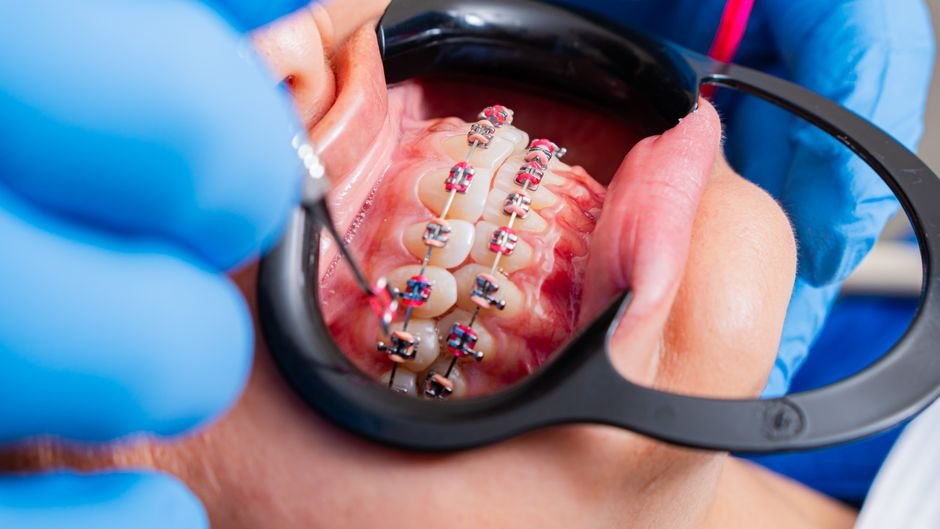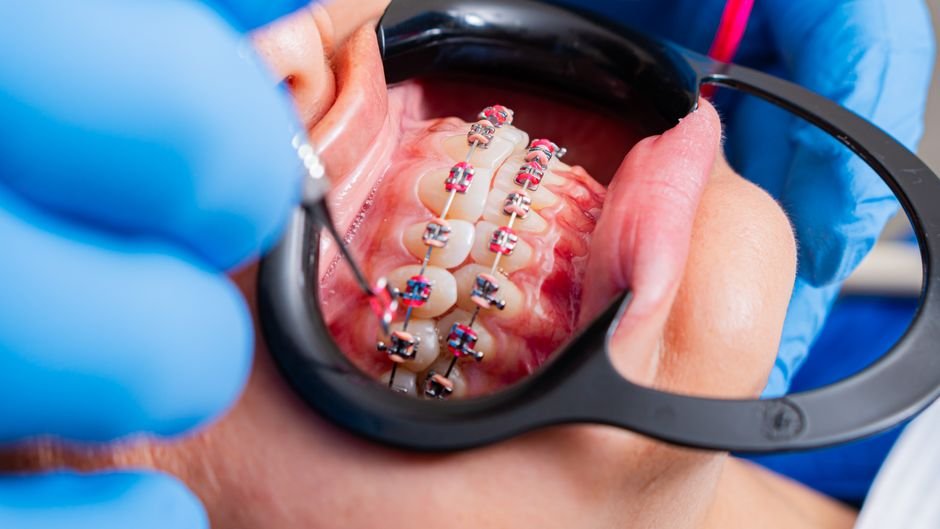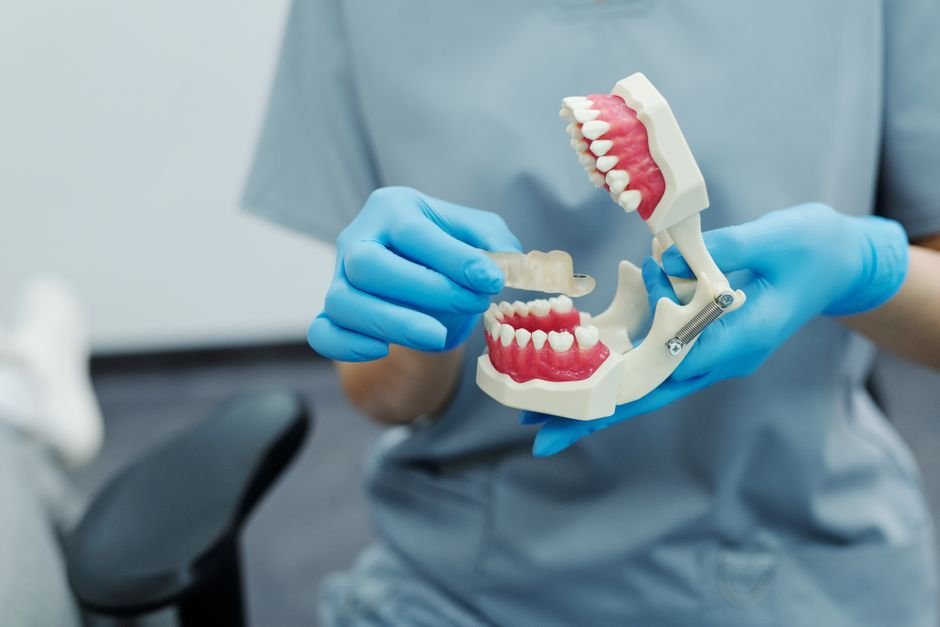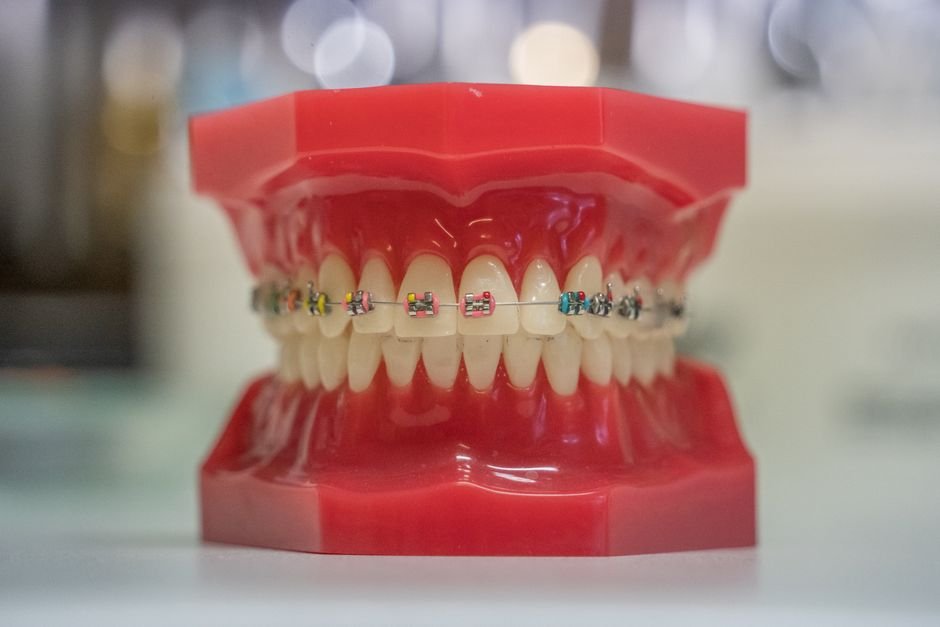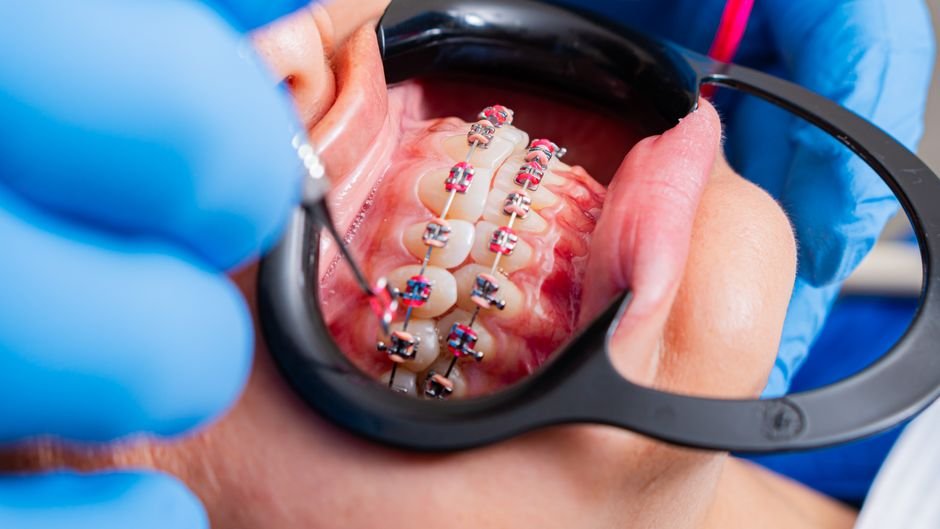
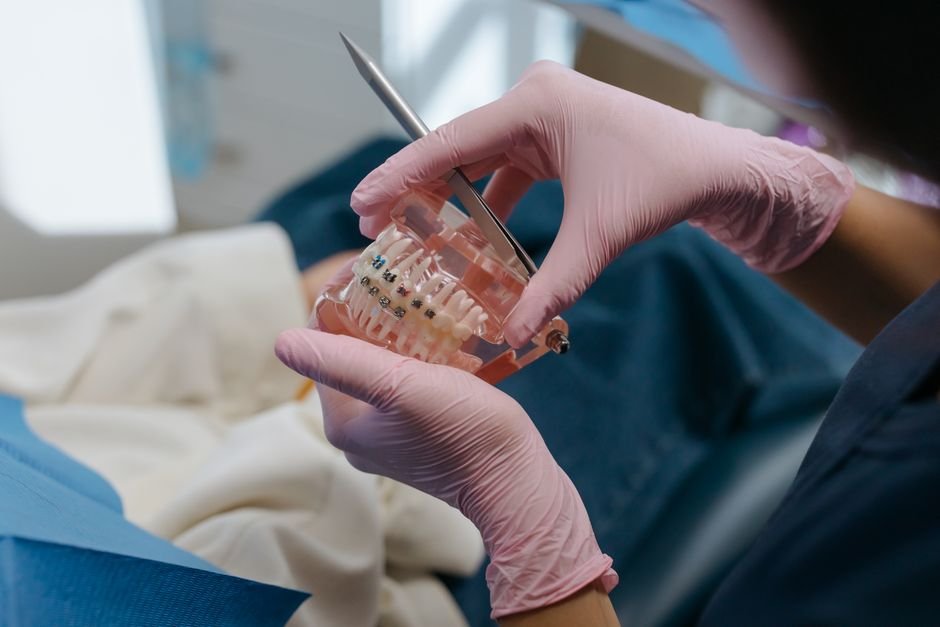
Age influences orthodontic treatment mainly through jaw growth, bone density, and healing capacity: children benefit from guiding growth while the jaw is still developing, teenagers have the fastest and most predictable tooth movement, and adults can achieve excellent results too, though treatment often takes longer and may need to work around existing dental work. There is no strict cut-off age for straightening teeth, but the goals, pace, and appliance choices shift considerably from childhood through to later adulthood.
Key takeaways
- Childhood orthodontic screening focuses on guiding jaw growth and catching problems early, not just straightening teeth.
- Teenage years remain the most efficient window for braces because growth and healing are both still active.
- Adults can achieve equally good results, but treatment is typically slower and must account for denser bone and existing dental work.
- Older adults may need extra attention to gum health and bone support before and during treatment.
- Appliance choice, from traditional braces to clear aligners, often depends more on lifestyle and treatment complexity than on age alone.
How Does Orthodontic Treatment Differ Between Children and Adults?
The core mechanics of moving teeth through bone are similar at every age, but the surrounding biology changes significantly. In children, the jaw bones are still growing and the sutures that join facial bones have not yet fused. This means an orthodontist can sometimes influence the width or position of the jaw itself, not just the teeth sitting within it. Growth-modification appliances, such as expanders, take advantage of this window to create space or correct imbalances that would be far harder to address later.
In adults, jaw growth has finished, so treatment relies entirely on moving teeth through existing bone rather than reshaping the underlying structure. This makes adult treatment more predictable in terms of the skeletal base staying stable, but it also means certain corrections, particularly those involving jaw width or significant bite discrepancies, may require a combined approach involving both orthodontics and, in some cases, surgical input. Adults also tend to have more accumulated wear, fillings, or gum changes that need to be factored into planning.
What Makes Childhood the Ideal Time for Early Orthodontic Screening?
Dental professionals generally recommend an initial orthodontic check during the early school years, even if a child clearly does not need braces yet. This is because certain issues, such as crowding, crossbites, or a jaw that is growing asymmetrically, are far easier to intercept while baby teeth are still present and growth is ongoing. Early screening does not always lead to early treatment; often it simply means monitoring development at intervals so that timing can be optimised later.
When early intervention is recommended, it is usually aimed at guiding growth rather than achieving a final, polished smile. Simple appliances might widen a narrow palate, create room for permanent teeth to erupt properly, or reduce the risk of trauma to protruding front teeth. This phased approach can sometimes reduce the complexity of a second phase of treatment during the teenage years, though not every child who is screened early will need two rounds of treatment.
Why Are the Teenage Years Considered the Traditional Window for Braces?
The teenage years remain the most common time for comprehensive orthodontic treatment because most permanent teeth have erupted by this stage, while the jaw is often still finishing its growth. This combination allows an orthodontist to address both tooth alignment and bite relationships in a single, coordinated phase of treatment. Bone in teenagers also tends to remodel more quickly than in adults, which generally allows teeth to move at a faster pace for a given amount of applied force.
Beyond biology, this stage of life also tends to suit the practical demands of orthodontic treatment. Regular school routines make it easier to schedule consistent appointments, and teenagers are often more adaptable to wearing appliances full time. That said, faster movement is not the only consideration; discipline with oral hygiene and, where relevant, aligner wear time still plays a major role in how smoothly treatment progresses, regardless of how favourable the biology is.
Can Adults Still Achieve Effective Orthodontic Results?
Yes, adult orthodontic treatment is both common and effective. Teeth retain the ability to move through bone throughout life, because the biological process that allows this, involving specialised cells that remodel bone around the tooth root, does not switch off with age. What changes is the pace and, in some cases, the complexity of the plan needed to reach a stable, healthy result. Many adults pursue treatment for reasons that were not addressed earlier in life, or to correct shifting that has occurred gradually over the years.
Modern options have also made adult treatment more discreet and flexible, with clear aligners and less visible fixed appliances now widely available alongside traditional braces. The choice between these usually depends on the complexity of the case, personal preference, and budget rather than age itself. What matters most for a successful outcome is a thorough assessment beforehand, since adult mouths are more likely to include factors such as previous dental work, gum recession, or missing teeth that shape the treatment plan.
How Does Bone Density and Healing Speed Change Treatment Timelines With Age?
Bone remodels more slowly as a person gets older, which is one of the main reasons adult orthodontic treatment often takes longer than treatment carried out during the teenage years. Denser, more mature bone resists tooth movement more than the more pliable bone found in younger patients, meaning the same amount of applied force typically produces smaller increments of movement per month. This does not make treatment less effective, but it does mean patience is often required, and timelines quoted at the outset should be treated as estimates that may extend.
Healing speed also affects how tissues respond around teeth that are being moved. Gums and the ligament supporting each tooth need to adapt continuously throughout treatment, and this adaptation generally happens more gradually in adults. Orthodontists often account for this by using lighter, more sustained forces in adult cases to reduce discomfort and protect the supporting structures, rather than attempting to match the faster pace typically seen in younger patients.
What Role Does Existing Dental Work Play in Adult Orthodontic Planning?
Adults are far more likely than children or teenagers to arrive for an orthodontic consultation with a history of fillings, crowns, bridges, or missing teeth. Each of these can influence how a treatment plan is designed. A crowned tooth, for example, may need special attention when attaching brackets or aligner fittings, while a missing tooth might need to be accounted for when deciding how surrounding teeth should be repositioned to close or maintain a gap.
Gum health is another major factor in adult planning. Because gum disease becomes more common with age, a thorough periodontal assessment is typically carried out before treatment begins, since moving teeth through compromised gum tissue or reduced bone support carries greater risk. In many cases, any active gum issues are stabilised first, and only once the supporting tissues are healthy does orthodontic movement begin, ensuring the results are both effective and durable.
How Do Treatment Goals Shift Across Different Life Stages?
In childhood, the primary goal is often guiding growth and development rather than achieving a finished cosmetic result. Treatment at this stage is frequently about creating the right conditions for permanent teeth to come through in good positions and ensuring the jaws develop in proportion to one another. The teenage years then typically shift the focus toward comprehensive alignment and bite correction, aiming for a stable, functional result that will last well into adulthood.
By the time treatment is considered in adulthood, goals often become more individualised. Some adults are focused purely on aesthetics, wanting straighter teeth for confidence or to support other dental work such as veneers or restorations. Others are addressing functional concerns, such as uneven wear, jaw discomfort, or bite problems that have developed gradually. Because adult treatment is rarely about influencing growth, success is measured by long-term stability, comfort, and how well the result integrates with the rest of the mouth.
What Should Older Adults Consider Before Starting Orthodontic Treatment?
Older adults considering orthodontic treatment are not excluded by age itself, but a more detailed assessment is usually appropriate before proceeding. Bone density can decline over time, and conditions affecting the gums or supporting bone become more prevalent later in life. An orthodontist will typically want a clear picture of gum health, bone levels around the teeth, and any history of tooth loss before recommending a treatment plan, since these factors influence both what is achievable and how the teeth should be moved safely.
General health can also play a bigger role in orthodontic decisions for older adults. Certain medications and health conditions can affect bone metabolism or healing, so open communication between the patient, their dentist, and their wider healthcare providers is valuable. None of this means treatment is off the table; many older adults complete orthodontic treatment successfully. It simply means the planning phase tends to be more thorough, with realistic timelines set based on the individual’s dental and general health rather than age alone.
Frequently Asked Questions
Is there a maximum age limit for orthodontic treatment?
No, there is no upper age limit for orthodontic treatment. Teeth can be moved through bone at any age as long as the surrounding gums and bone are healthy enough to support the process. Treatment may take longer and require closer monitoring in older adults, but age on its own does not prevent someone from having braces or aligners.
Why does orthodontic treatment usually take longer for adults than for teenagers?
Adult bone is denser and remodels more slowly than the bone found in growing teenagers, which means teeth typically move in smaller increments each month. Adults may also need extra time for gum health to be stabilised or for existing dental work, such as crowns or missing teeth, to be factored into the plan before movement begins.
At what age should a child first see an orthodontist?
Many dental professionals suggest an initial orthodontic evaluation during the early school years, even before all baby teeth have been lost. This does not usually mean treatment starts immediately; it allows growth and tooth eruption to be monitored so that any necessary intervention can be timed appropriately.
Can adults use the same orthodontic appliances as teenagers?
Adults have access to the same general categories of appliances as teenagers, including traditional braces, less visible fixed options, and clear aligners. The most suitable choice depends on the complexity of the case, the condition of the teeth and gums, and personal preference, rather than being restricted by age.
Does gum health affect whether someone can have orthodontic treatment later in life?
Yes, healthy gums and adequate bone support are essential for safe tooth movement at any age, but this becomes a more common consideration in older adults. If gum disease or bone loss is present, it is typically addressed and stabilised first, after which orthodontic treatment can often proceed with appropriate monitoring throughout.

Matthew is a dental content writer passionate about helping readers understand their oral health, one article at a time.