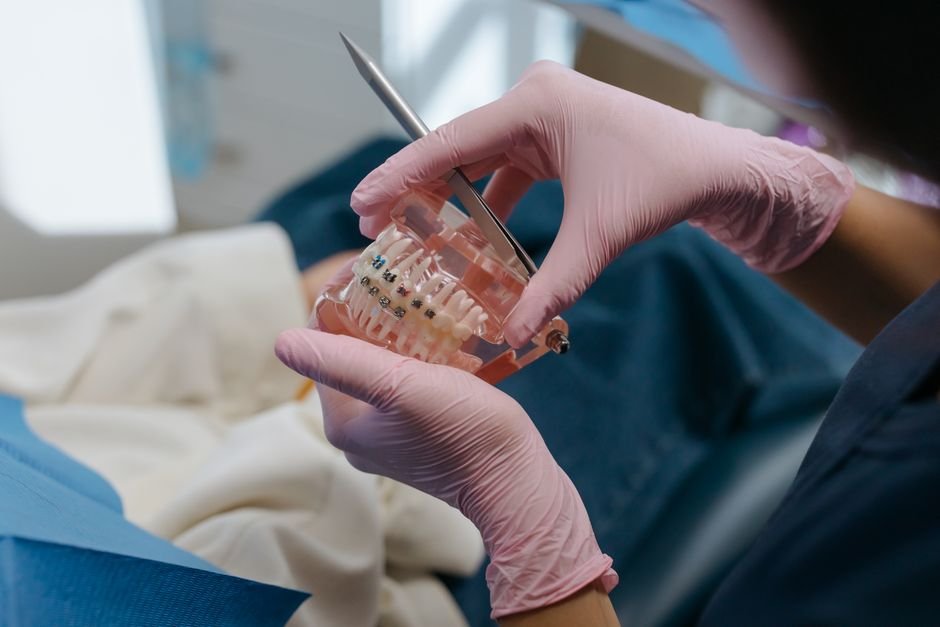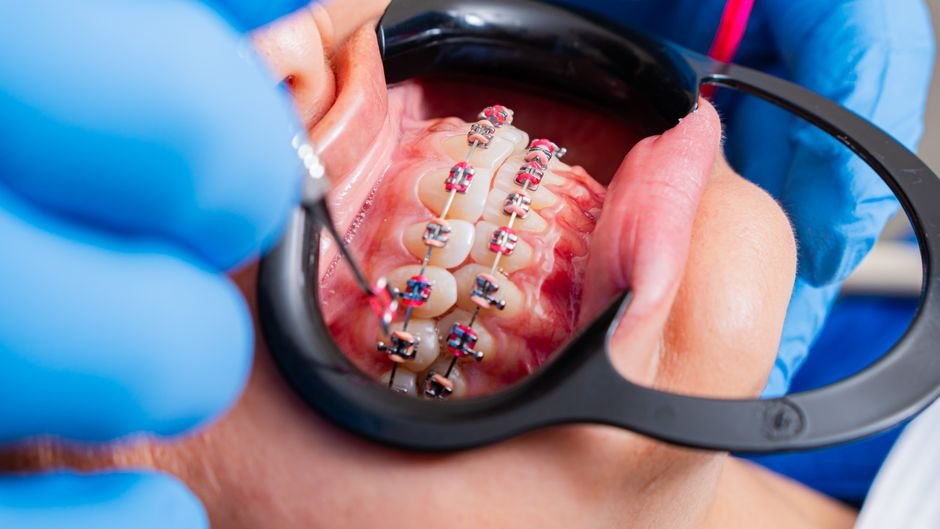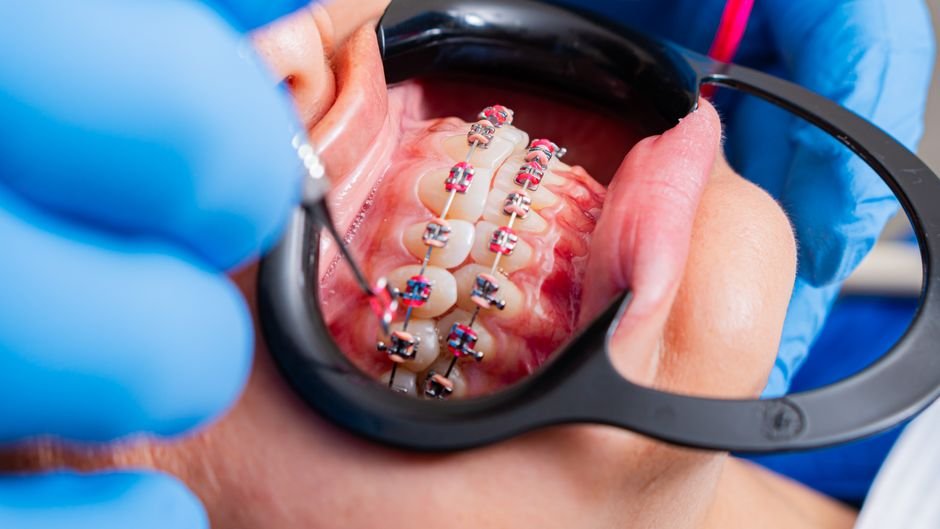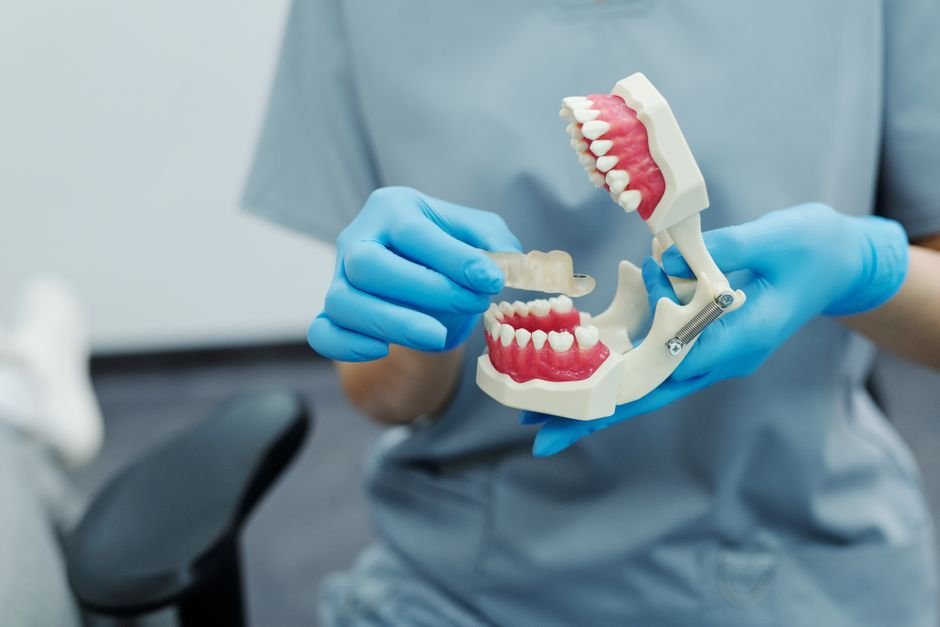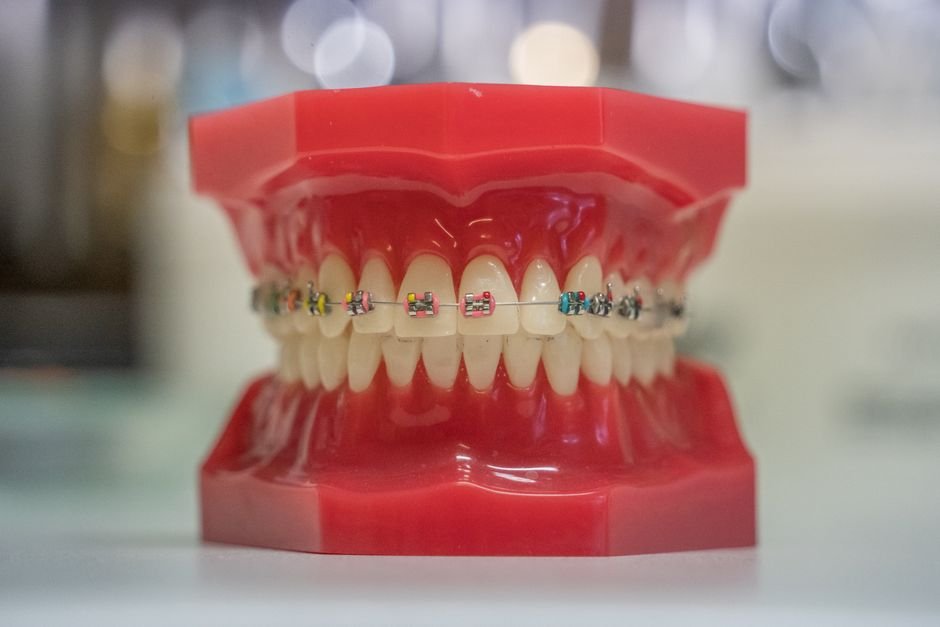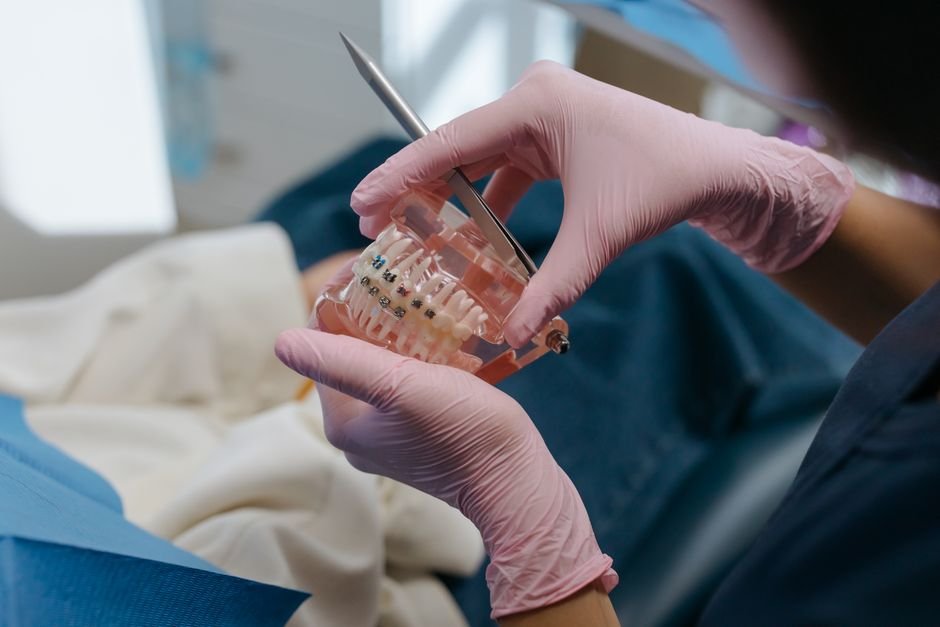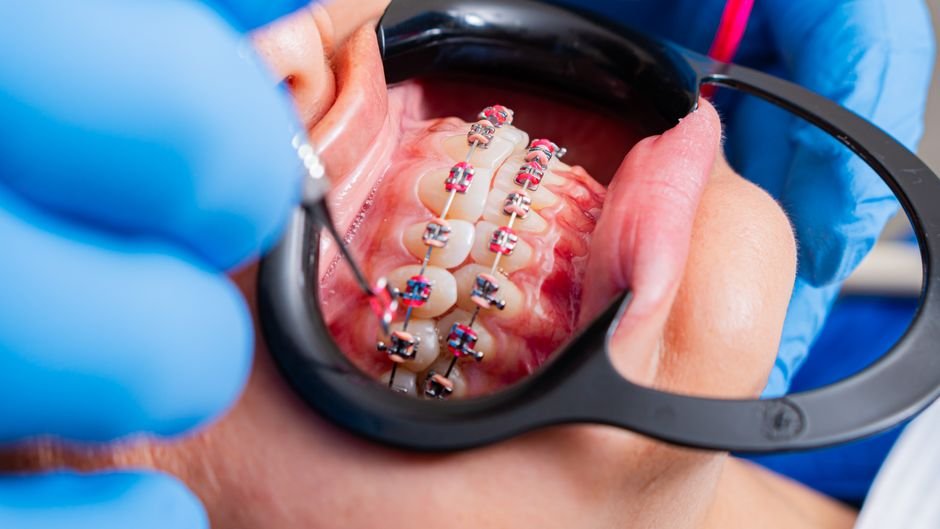
An orthodontic consultation is often the first real step toward understanding whether treatment like braces or clear aligners is right for a particular bite or alignment concern. Knowing what to expect beforehand, from the initial examination to the discussion of options, can make the appointment feel far less uncertain and help make the most of the time spent with the orthodontist.
Key takeaways
- A consultation typically includes an examination, imaging and a discussion of options.
- Not every consultation results in an immediate treatment recommendation.
- Questions about timeline, comfort and process are worth preparing in advance.
- Imaging helps assess factors not visible during a simple visual exam.
- A consultation is a starting point, not a binding commitment to treatment.
What Is the Purpose of an Initial Orthodontic Consultation?
The primary purpose of a first consultation is assessment, not treatment. An orthodontist examines the current state of the teeth, bite and jaw alignment to understand what, if anything, might benefit from correction. This appointment is as much about gathering information as it is about beginning any kind of active treatment, which is why it typically feels more exploratory than clinical.
For many people, this is also an opportunity to ask questions and get a clearer sense of what orthodontic treatment might actually involve for their specific situation. Rather than a generic overview, a good consultation should provide tailored insight based on an individual’s particular alignment concerns, giving a much clearer picture than general research alone could offer.
What Does the Physical Examination Typically Involve?
The examination usually begins with a visual assessment of how the teeth align and how the jaw functions when opening, closing and moving side to side. An orthodontist will look at spacing, crowding, and how the upper and lower teeth meet, noting any patterns that might indicate a need for correction, whether related to appearance, function or both.
This part of the appointment is generally quick and non-invasive, involving little more than an orthodontist observing and occasionally touching the jaw to assess movement and alignment. Most people find this portion of the consultation straightforward and far less involved than they may have anticipated beforehand.
Why Is Imaging Often Part of the Process?
While a visual exam reveals a great deal, it cannot show everything relevant to a thorough assessment. X-rays and other imaging techniques allow an orthodontist to see the position of teeth still developing beneath the gum line, the structure of the jawbone, and other details that are simply not visible during a standard visual examination alone.
This imaging plays an important role in shaping any treatment recommendation, since it can reveal issues that might not be apparent otherwise, such as impacted teeth or specific patterns of jaw growth. Having this fuller picture helps ensure that any suggested treatment plan is based on comprehensive information rather than surface-level observation.
Will a Treatment Plan Be Presented During the First Visit?
In many cases, an orthodontist can outline a general treatment approach during the initial consultation, particularly if the case is relatively straightforward. This might include an estimate of treatment duration, the type of appliance likely to be recommended, and a general sense of what the process would involve from start to finish.
For more complex cases, additional time may be needed to review imaging in detail or consult with other specialists before a specific plan is finalised. It is not unusual for a follow-up appointment to be scheduled to present a more detailed plan once all the necessary information has been fully reviewed and considered.
What Questions Are Worth Asking During a Consultation?
Preparing a few questions in advance can help make the most of a consultation. Useful questions often include asking about the expected duration of treatment, what the day-to-day experience of wearing the recommended appliance is like, and how treatment might affect daily habits such as eating, speaking or playing sports.
It is also worth asking about the flexibility of the plan should adjustments be needed along the way, and what ongoing appointments and monitoring will look like throughout treatment. These questions help set realistic expectations from the outset, reducing surprises once treatment is actually underway.
Does Every Consultation Lead to a Treatment Recommendation?
Not necessarily. Some consultations conclude with a recommendation to simply monitor the situation over time, particularly for younger patients whose jaws and teeth are still developing. In these cases, an orthodontist might suggest a follow-up visit in the future rather than beginning treatment immediately, especially if timing would benefit from further natural growth.
This kind of watchful waiting is a legitimate and common outcome, not a sign that nothing useful happened during the appointment. Understanding the current state of alignment and having a plan for future monitoring is valuable information in itself, even without immediate treatment being recommended at that particular stage.
How Should Someone Prepare for Their First Consultation?
Little preparation is typically required for an orthodontic consultation, though bringing along any relevant dental records or recent X-rays from a general dentist can sometimes streamline the process. Arriving with a general sense of any specific concerns, whether about appearance, comfort or function, also helps guide a more focused and useful conversation.
For younger patients, it can help to talk through what to expect beforehand in simple, reassuring terms, since the environment and equipment may feel unfamiliar. A calm, informed approach going into the appointment tends to make the experience more comfortable for both the patient and any accompanying family member.
What Happens After the Consultation Concludes?
Once the examination and discussion are complete, the next steps depend on what was recommended. This might involve scheduling a start date for treatment, booking a follow-up consultation to finalise details, or simply setting a timeframe for future monitoring if immediate treatment was not recommended at that stage.
Taking time to consider the information presented, rather than feeling pressured to decide immediately, is a reasonable approach for most people. Orthodontic treatment is generally not urgent in the way some dental concerns are, so there is usually room to ask further questions or seek additional input before committing to a specific plan.
How Do Orthodontists Decide Between Different Treatment Options?
When more than one treatment approach could reasonably address a particular alignment concern, an orthodontist weighs several factors before making a recommendation, including the complexity of the misalignment, the patient’s lifestyle and preferences, and how consistently a given option is likely to be worn or maintained correctly throughout the course of treatment.
This is part of why the consultation conversation matters so much. A treatment option that is technically effective but poorly suited to someone’s daily routine or personal comfort is less likely to succeed than one that fits more naturally into their life, even if it might take slightly longer. Being open about lifestyle and preferences during the consultation helps guide a more realistic recommendation.
What Role Does Cost Discussion Play During a Consultation?
Most orthodontic consultations include at least a general discussion of cost, since this is often a significant factor in a family’s decision-making process. This typically covers the estimated cost of the recommended treatment, available payment arrangements, and how any relevant coverage might apply, giving a clearer financial picture alongside the clinical recommendation.
Having this conversation early, rather than after committing to a plan, allows for a more informed decision that accounts for both clinical and practical considerations together. Most orthodontic practices are accustomed to discussing cost openly and can usually provide a written estimate to take away and consider without any pressure to decide immediately.
Frequently Asked Questions
How long does a typical orthodontic consultation take?
Most initial consultations last between thirty minutes and an hour, depending on the complexity of the case and how much imaging and discussion is involved during the visit.
Is an orthodontic consultation painful?
No, a consultation is generally painless. It involves a visual examination, imaging and discussion, none of which typically cause discomfort for the patient.
At what age should a first orthodontic consultation happen?
Many orthodontists recommend an initial evaluation around the time permanent teeth begin coming in, though the right timing can vary based on individual development and any specific concerns noticed by a family or general dentist.
Do I need a referral from a dentist to book a consultation?
This varies by provider. Some orthodontists accept direct appointments, while others prefer a referral from a general dentist. Checking directly with the orthodontic practice is the most reliable way to confirm.
Am I obligated to start treatment after a consultation?
No. A consultation is an informational appointment, not a commitment to treatment. It is meant to help you understand your options so you can make a well-informed decision at your own pace.

Matthew is a dental content writer passionate about helping readers understand their oral health, one article at a time.