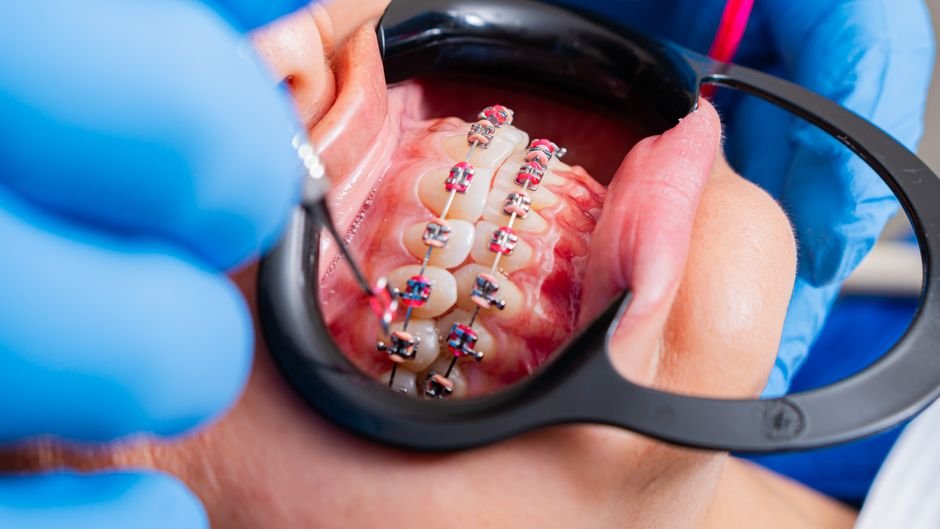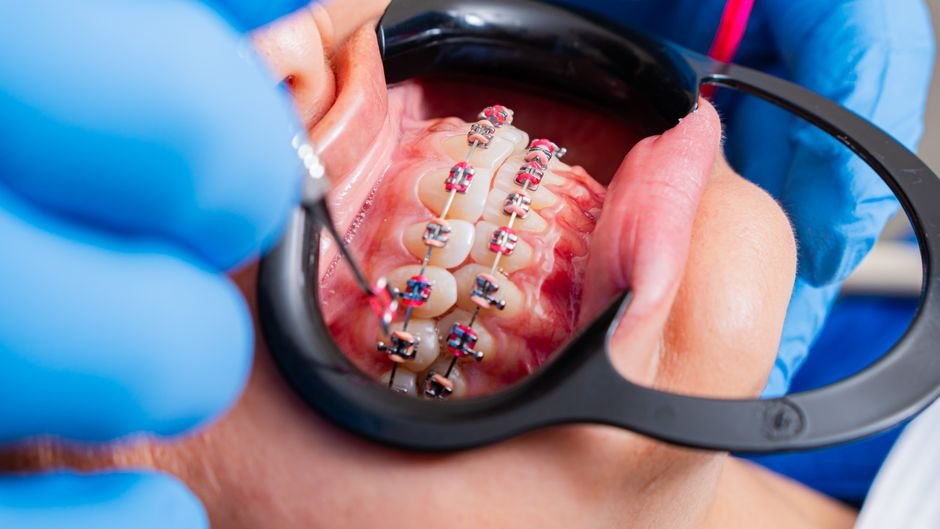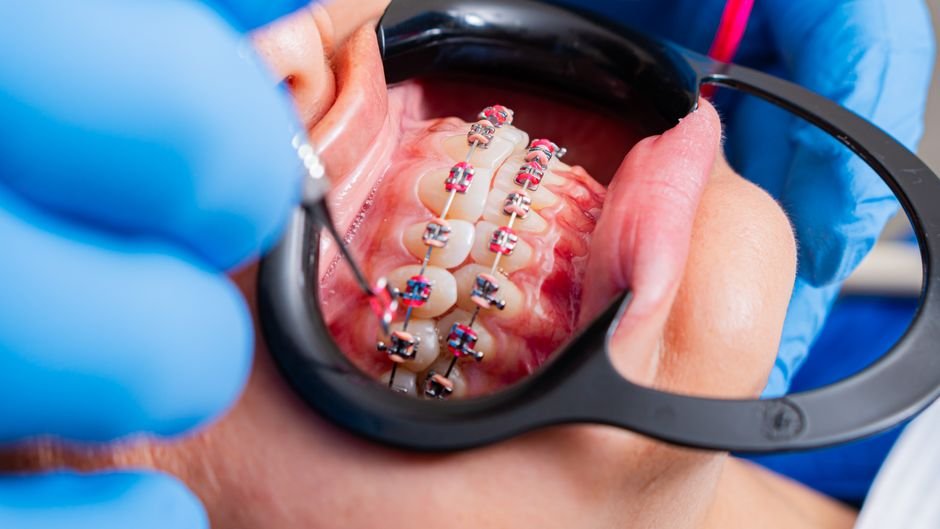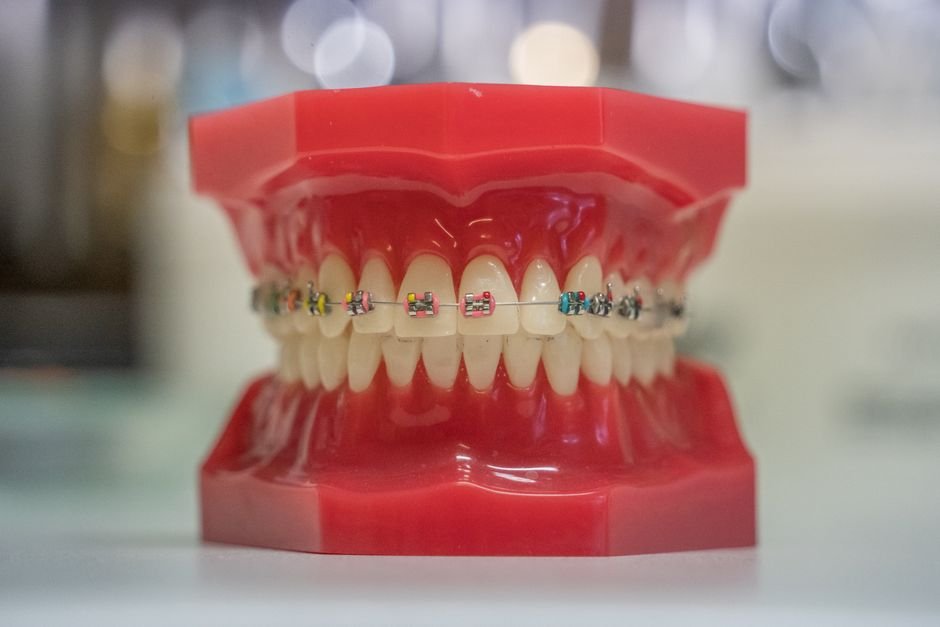
Orthodontic rubber bands, also called elastics, work alongside braces to apply steady pulling force that moves teeth and jaws into a more precise alignment than brackets and wires can achieve alone. They are typically stretched between hooks on the upper and lower braces, and worn for a set number of hours each day as directed, gradually correcting bite issues such as an overbite, underbite, or misaligned midline.
Key takeaways
- Rubber bands apply continuous, gentle force that helps correct bite alignment between the upper and lower jaws.
- They are usually added after braces have already made some progress moving individual teeth.
- Consistent wear, as instructed, is essential; removing them often undoes progress and lengthens treatment.
- Mild discomfort when starting or changing bands is normal and usually settles within a few days.
- Elastics come in different sizes and strengths depending on the specific correction being made.
What are orthodontic rubber bands used for?
Rubber bands, known clinically as elastics, are used to correct the relationship between the upper and lower jaws in ways that braces alone cannot manage. While brackets and wires excel at straightening individual teeth and closing gaps, they have a limited ability to shift how the upper and lower dental arches meet. Elastics fill this gap by pulling one arch relative to the other with a steady, sustained force.
This makes them particularly useful for correcting an overbite, where the upper teeth sit too far forward, an underbite, where the lower jaw protrudes, or asymmetries where the midline of the upper and lower teeth do not line up. By hooking onto specific points on the braces, the orthodontist can direct the force precisely where it is needed, making elastics a targeted tool rather than a general one.
How do rubber bands help move teeth and jaws?
Teeth move in response to sustained, gentle pressure, which prompts natural remodelling of the bone and ligament surrounding each tooth root over weeks and months. Rubber bands harness this same biological process, but instead of moving one tooth relative to its neighbours, they exert force across the whole arch to shift the bite relationship itself. This is a slower, more gradual form of movement than repositioning a single crooked tooth.
Because the force from an elastic is continuous while it is worn, even short periods without it can interrupt the steady pressure needed for effective movement. This is why orthodontists are firm about consistent daily wear rather than occasional use. The cumulative effect of thousands of hours of gentle, steady pulling is what ultimately produces a corrected, more balanced bite over the course of treatment.
What are the different types of orthodontic elastics?
Elastics vary considerably depending on the specific correction required. Class II elastics typically run from the upper canine area back to a lower molar hook, helping correct a prominent overbite by pulling the upper teeth backward and the lower teeth forward. Class III elastics work in the opposite direction, addressing an underbite by drawing the lower arch back and the upper arch forward.
Other configurations include vertical elastics, which help close small gaps between the upper and lower teeth when they do not meet fully, and cross elastics, used to correct a crossbite affecting one side of the mouth. Elastics also come in a range of sizes and force strengths, measured in diameter and pull weight, so that the orthodontist can prescribe precisely the right combination for each patient’s specific bite issue and stage of treatment.
How long do patients typically need to wear them?
Most orthodontists recommend wearing elastics for the majority of the day, often around twenty hours or more, removing them only for eating, brushing, and flossing. This near-continuous wear is necessary because the force needs to be sustained to produce steady tooth and jaw movement rather than intermittent bursts of pressure that the mouth can simply readjust to.
The overall length of time elastics are needed varies from a few months to considerably longer, depending on the severity of the bite correction and how consistently they are worn. Patients who wear them exactly as instructed generally see the desired correction achieved more quickly, while inconsistent wear tends to stall progress and can extend the total treatment timeline noticeably.
What happens if rubber bands aren’t worn as instructed?
Skipping elastics, even for what seems like a short period, interrupts the steady force needed for the bite correction to progress, and teeth can begin to shift back towards their earlier position during that gap. This means inconsistent wear does not simply pause progress; it can actively undo some of the movement already achieved, requiring extra time to make up the lost ground.
Beyond the direct effect on tooth movement, inconsistent elastic wear is one of the most common reasons overall orthodontic treatment runs longer than originally planned. Orthodontists rely on patients following the prescribed wear schedule closely, since the appliance’s ability to guide teeth and jaws depends entirely on that continuous force being present as intended, day after day.
Are rubber bands painful or uncomfortable?
Some mild soreness or pressure is common when elastics are first introduced or when a stronger band is prescribed at a later stage of treatment, similar to the adjustment period after braces are tightened. This discomfort reflects the ligaments and bone around the teeth responding to new, sustained pressure, and it is a normal part of the corrective process rather than a sign of a problem.
This initial soreness typically eases within a few days as the mouth adapts to the new force. Sticking to softer foods during this adjustment period and maintaining the prescribed wear schedule, rather than removing the elastics to seek relief, generally helps the discomfort pass more quickly. Persistent or sharp pain that does not settle is worth mentioning at the next orthodontic appointment.
How should elastics be cared for and changed?
Rubber bands lose their elasticity with wear and exposure to saliva, so they are generally changed several times a day to maintain consistent force, most commonly each time they are removed for eating and replaced afterwards. Using a band that has stretched out or become brittle reduces the effective pressure being applied, even if it still looks intact.
Patients are usually given a supply of elastics to take home along with clear instructions on hook placement and how often to change them. Washing hands before handling elastics and storing spares in a clean, dry container helps avoid introducing bacteria into the mouth. Attaching bands correctly, using a small hook tool if provided, ensures the intended direction of force is achieved rather than a weaker or misaligned pull.
Can rubber bands be combined with other orthodontic appliances?
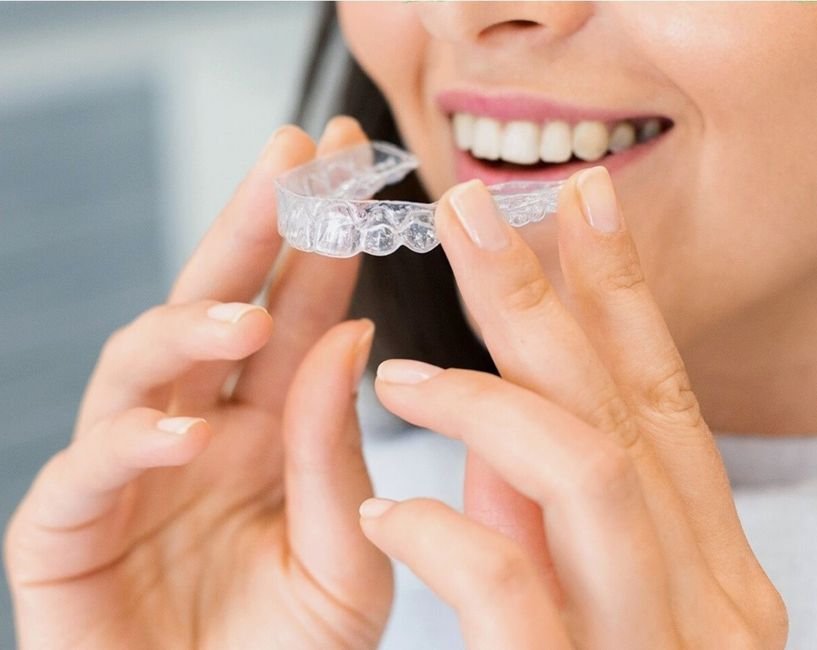
Elastics are frequently used alongside traditional braces, but they can also be incorporated into treatment plans involving clear aligners, where small buttons or attachments provide the hooks needed to anchor the bands. This flexibility means elastics are not limited to one style of orthodontic appliance and can be adapted to whichever system is already correcting individual tooth positions.
In more complex cases, elastics might be used in combination with other auxiliary devices, such as expanders or specific springs, to address multiple aspects of a bite correction simultaneously. The orthodontist coordinates these elements so that the forces work together rather than against one another, with elastics typically handling the jaw-relationship component while other appliances manage individual tooth positioning.
Frequently Asked Questions
Can I eat with my rubber bands in?
Elastics should be removed before eating to avoid them snapping, becoming dislodged, or trapping food, and then replaced with a fresh band afterwards. This also makes it easier to brush and floss thoroughly before putting the new elastic back in place.
What should I do if a rubber band snaps or comes loose?
Simply replace it with a new one from your supply, following the same hook placement you were shown. If you run out of spares or are unsure about correct placement, contact your orthodontic provider for guidance or a replacement supply rather than skipping wear altogether.
Will I need rubber bands for my entire treatment?
Not necessarily; elastics are often introduced partway through treatment once individual teeth have been sufficiently aligned by the braces or aligners, and they may be adjusted or discontinued as the bite correction progresses. The exact timing depends on each patient’s individual treatment plan.
Can I remove rubber bands to brush my teeth?
Yes, elastics should always be taken out before brushing and flossing so you can clean thoroughly around the brackets and wires, then replaced with a new band once you have finished. This is one of the few times removal is expected and encouraged.
Why do rubber bands come in different colours and sizes?
Colours mainly help patients and orthodontic staff distinguish between different strengths or types of elastic at a glance, while size and thickness relate directly to the amount of force and the distance the band needs to span between hooks. The orthodontist selects the specific combination needed for each patient’s correction.

Matthew is a dental content writer passionate about helping readers understand their oral health, one article at a time.