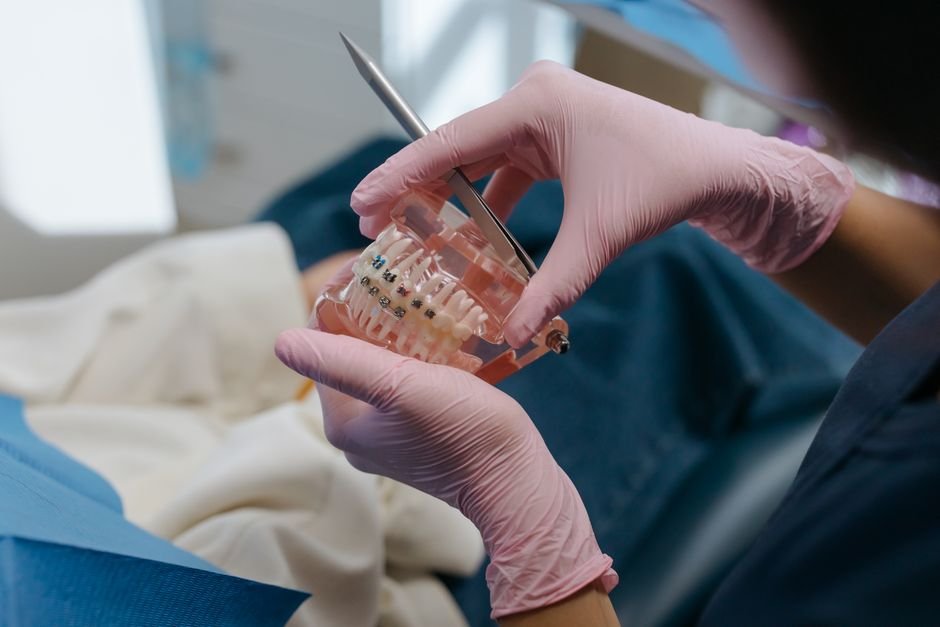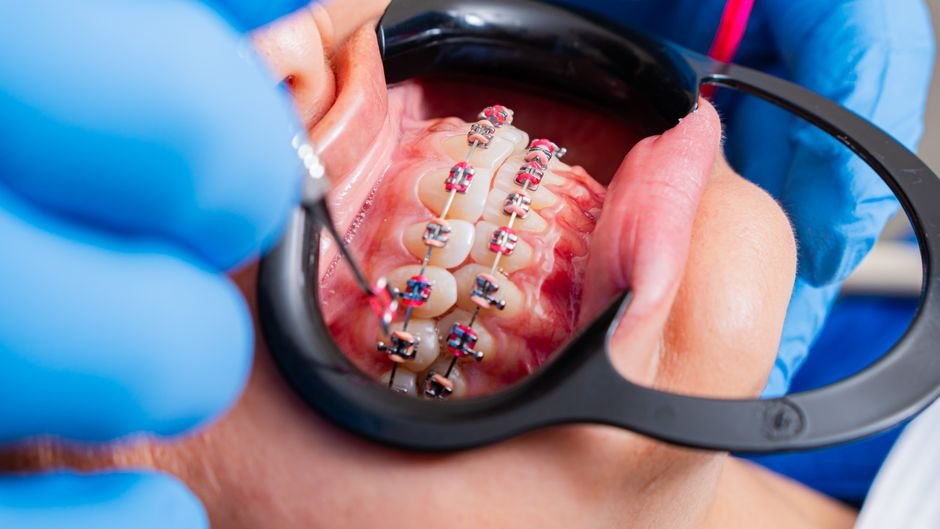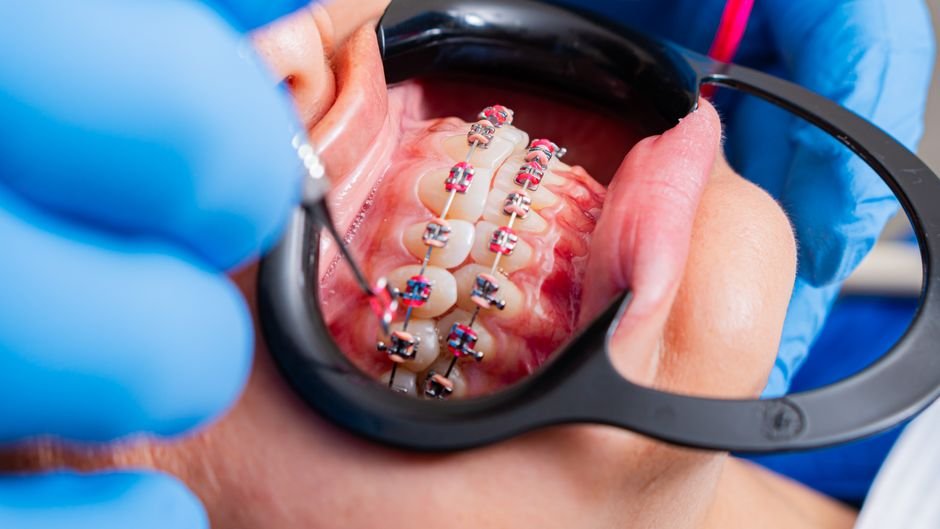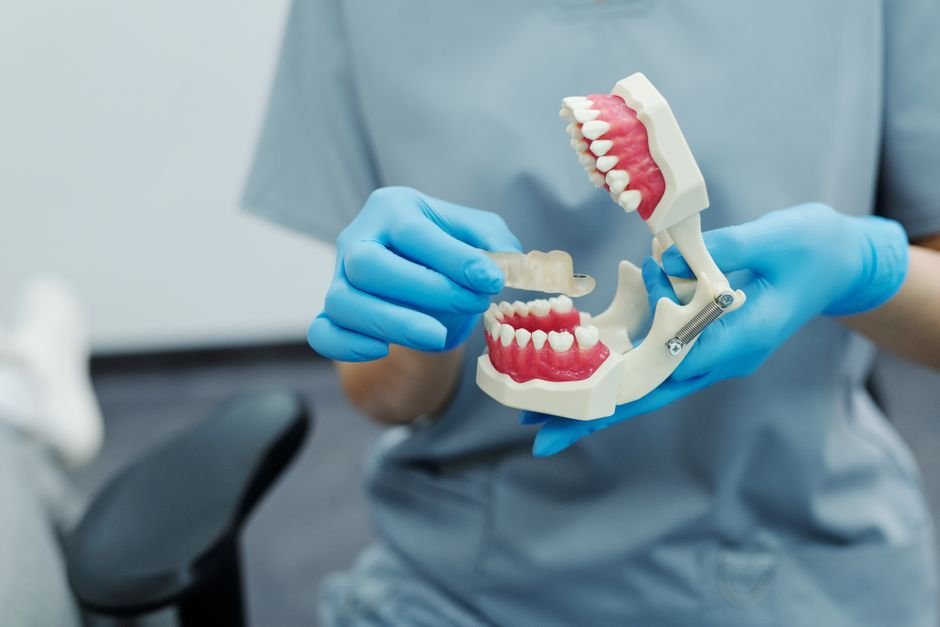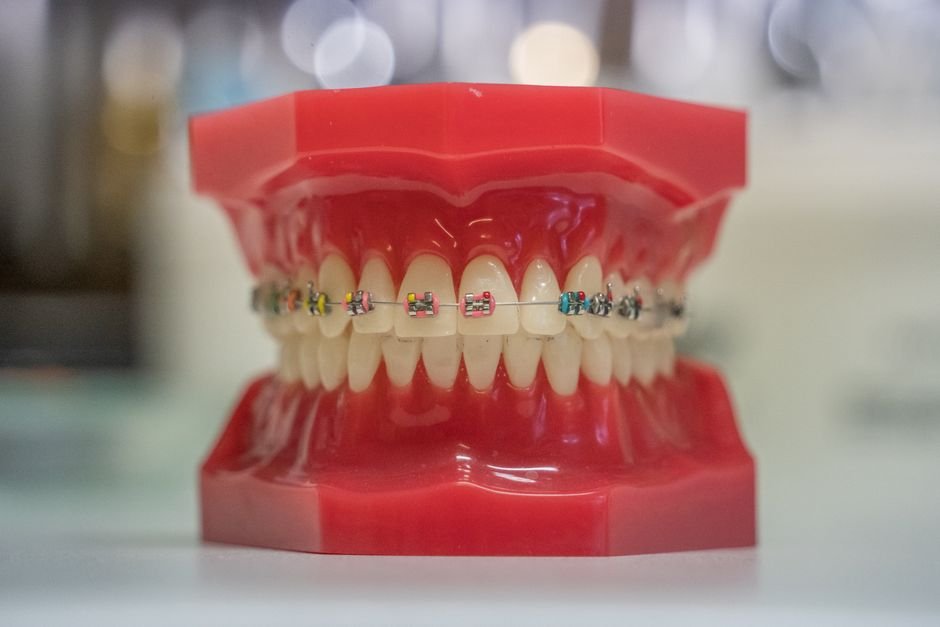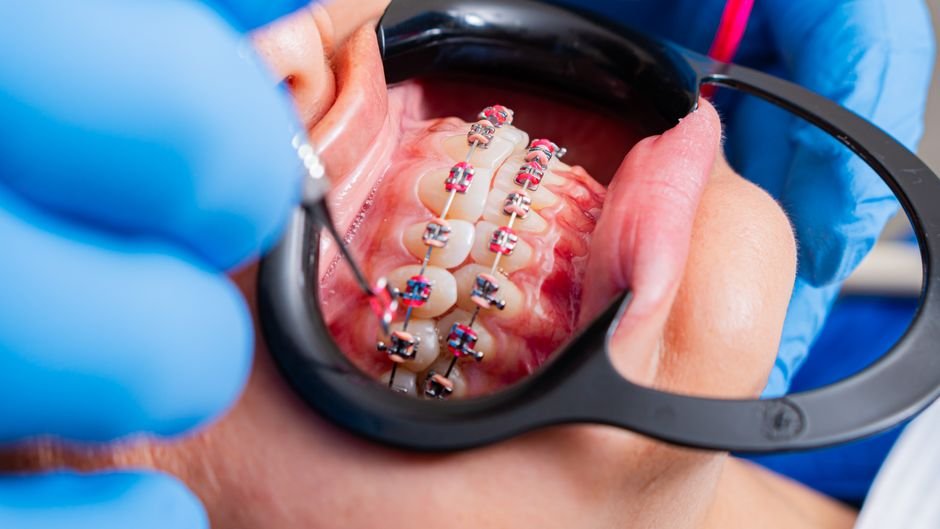
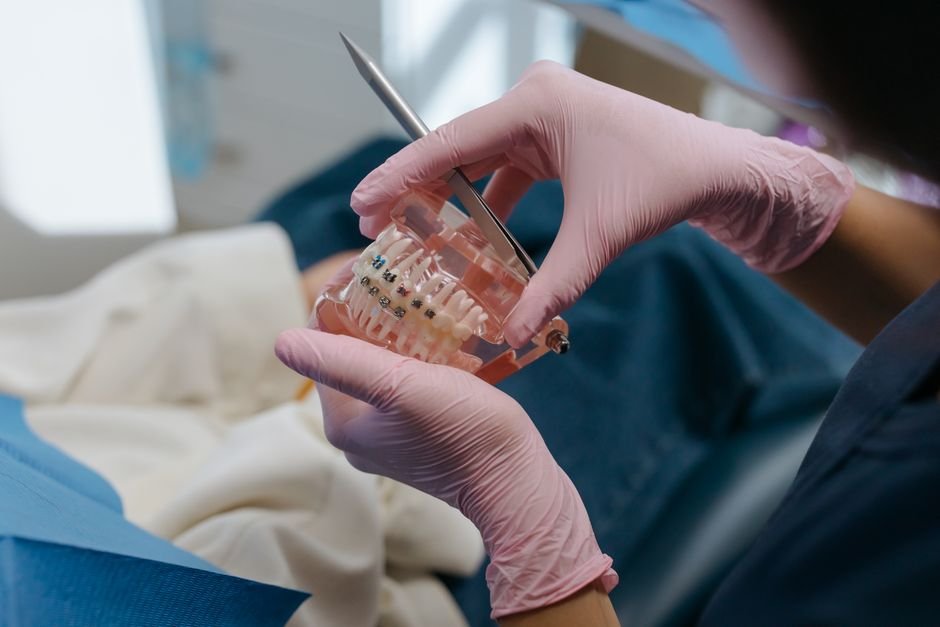
Orthodontic relapse is the gradual shifting of teeth back toward their original position after braces or clear aligners are removed. It happens because the periodontal ligament, jawbone and soft tissues need time to remodel around teeth in their new alignment, and because natural forces from the tongue, lips, cheeks and ongoing ageing keep acting on teeth for life. Relapse is not a sign that treatment failed; it is a predictable process, and it is largely preventable with consistent retainer wear and a few sensible daily habits.
Key takeaways
- Orthodontic relapse is the natural tendency of teeth to drift back after treatment because supporting tissues take months to stabilise.
- Retainers, not braces or aligners, are what keep corrected teeth in position over the long term.
- Relapse risk is highest during the first year after treatment finishes but never fully disappears.
- Fixed and removable retainers both work well when they are worn consistently and looked after properly.
- Spotting early signs of shifting and acting on them quickly makes correction far simpler than waiting.
What Is Orthodontic Relapse?
Orthodontic relapse refers to the tendency of teeth to move away from their corrected position once the active phase of treatment has ended. During treatment, braces or aligners apply steady pressure that reshapes the bone and ligament fibres holding each tooth in place. The moment that pressure is removed, those tissues are still settling, and the elastic fibres stretched during movement can gently pull teeth back toward where they used to sit. This is a well-recognised part of the orthodontic process, which is why retention planning is built into every treatment plan from the outset.
Relapse is not a mark of poor treatment or a patient’s failure. Teeth are living structures embedded in bone that continues to remodel throughout life, so some degree of movement pressure is always present. What separates a stable result from a relapsed one is usually not the quality of the original treatment but whether retention was followed through afterwards. Understanding relapse as a normal biological tendency, rather than a mistake, helps people take the follow-up phase as seriously as the active treatment that came before it.
Why Do Teeth Shift Back After Braces or Aligners Are Removed?
The periodontal ligament fibres connect each tooth root to the surrounding bone socket. When a tooth is moved during treatment, these fibres stretch and reorganise slowly, often taking months to settle into the new position. If a retainer is not worn during this period, the fibres can act like a stretched elastic band, drawing the tooth back toward its earlier location. This is why dental professionals recommend near-continuous retainer wear immediately after treatment, tapering gradually rather than stopping abruptly.
Beyond ligament memory, everyday forces continue to influence tooth position long after treatment ends. The tongue pushes outward with every swallow, the lips and cheeks press inward, and lower front teeth are especially prone to gradual crowding as a person ages, regardless of orthodontic history. Wisdom teeth that are still present can also exert subtle forward pressure on the back teeth. None of these forces are dramatic alone, but together they explain why lifelong, part-time retention is usually recommended rather than a fixed end date.
How Long Does the Risk of Relapse Last?
The highest risk period for relapse is generally the first six to twelve months after braces or aligners are removed, because the bone and ligament tissue around each tooth is still actively remodelling. During this window, most dental professionals recommend wearing retainers close to full-time, only removing them to eat, drink and clean the teeth. Skipping even a few weeks of consistent wear during this early period can allow noticeable movement to creep in, particularly in the lower front teeth, which are most prone to shifting because of their narrow, curved arch shape.
After the first year, the risk gradually decreases but does not disappear altogether. Research into orthodontic outcomes consistently shows that some tooth movement continues throughout adulthood, independent of whether a person ever wore braces, simply as part of how the jaw changes with age. For this reason, many practitioners recommend indefinite part-time retainer wear, typically a few nights a week, as a sensible long-term insurance policy rather than something that finishes at a fixed point.
What Role Do Retainers Play in Preventing Relapse?
Retainers work by holding teeth still while the surrounding bone and ligament fibres catch up and stabilise around their new position. Think of a retainer as a scaffold that supports a freshly set structure until it can bear its own weight; it does not create new movement, it simply prevents unwanted movement while the body’s own repair processes finish their work. This is why post-treatment instructions usually involve a stepped-down schedule, starting with near-continuous wear and gradually reducing to night-time use, rather than an abrupt switch from full-time braces to no support.
A retainer maintains a result rather than correcting one that has already slipped. If teeth are allowed to shift significantly before a retainer is reintroduced, simply putting it back in may not move them back on its own, since retainers hold position rather than actively reshape the bite. This is precisely why consistency matters: wearing a retainer as instructed from the very start of retention is far more effective, and far less effort, than trying to manage relapse after it has already taken hold.
Fixed or Removable Retainers: Which Works Better?
Fixed retainers, sometimes called bonded retainers, are thin wires attached to the back of the front teeth, usually the lower ones, where they remain in place unless removed by a dental professional. Their main advantage is that they work continuously without requiring the wearer to remember anything, removing a major source of relapse: simple forgetfulness. The trade-off is that fixed retainers require more careful cleaning around the wire, since food debris and plaque can accumulate there, and need periodic checking to make sure the bond or wire has not distorted.
Removable retainers, whether clear plastic or the older wire-and-acrylic style, offer more flexibility because they can be taken out for eating, sport and cleaning. Their effectiveness depends entirely on the wearer’s consistency, since a retainer sitting in a drawer offers no protection. Many practitioners recommend combining both approaches, a fixed retainer for constant support plus a removable one for extra reinforcement at night. Neither option is universally superior; the right choice depends on a person’s habits and how easily they can maintain a fixed wire.
What Are the Early Signs That Teeth Are Shifting?
One of the most reliable early warning signs of relapse is a retainer that suddenly feels tighter than usual or takes more effort to seat fully. Because retainers are custom-moulded to a specific tooth position, even small amounts of movement change how they fit, often before anything is visible to the naked eye. Anyone who notices this tightness should keep wearing the retainer as much as possible and get it checked, since continuing to wear a slightly tight retainer regularly can sometimes gently correct minor drift before it becomes established.
Visible signs tend to appear later and are usually most obvious in the lower front teeth, which may develop mild overlap, rotation or small gaps reappearing. Some people also notice subtle changes in how their bite feels when chewing. Because visible changes usually mean movement has already been happening for some time, it is far better to act on the early tightness signal than to wait for something noticeable to appear in the mirror.
Can Orthodontic Relapse Be Reversed?
Mild relapse, particularly when caught within the first few months, can often be corrected relatively simply. A dental professional may recommend wearing the existing retainer more consistently to see whether the movement resolves, or fitting a new, updated retainer or a short course of clear aligners to gently guide the teeth back into alignment. The key factor is almost always how early it is identified, since minor shifts respond far more readily to simple measures than movement left to settle in for a long time.
More significant relapse, where teeth have moved substantially or the bite has changed noticeably, generally requires a more thorough approach, sometimes a full course of retreatment similar in scope to the original plan. This is naturally more time-consuming than maintaining consistent retainer wear from the outset. Anyone who suspects their teeth have shifted since finishing treatment should raise it with a dental professional promptly, since delaying almost always narrows the range of simple options available.
What Everyday Habits Help Prevent Relapse?
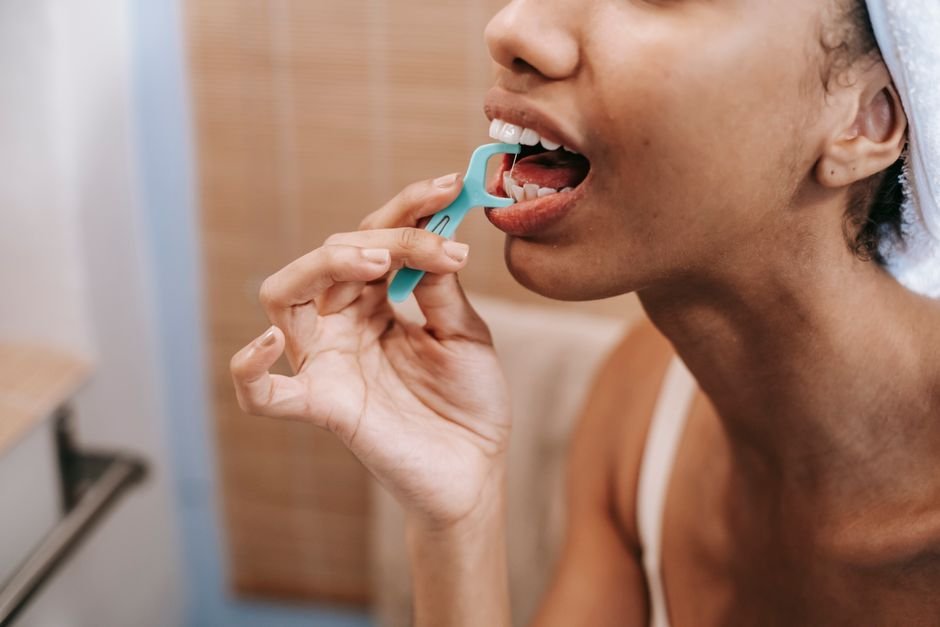
Beyond remembering to wear a retainer, how it is cared for matters just as much. Removable retainers should be cleaned daily with a soft brush and lukewarm water, since hot water can warp clear plastic and permanently affect its fit. They should be stored in a proper case whenever not worn, since retainers left loose on a napkin are among the most common items lost or damaged. Fixed retainers need extra attention when flossing, often with a floss threader or interdental brush to clear plaque around the bonded wire.
Other habits also influence how stable a corrected bite remains. Chronic teeth grinding or clenching places extra pressure on tooth position and may benefit from a separate nightguard. Habits such as nail biting, chewing on pens or resting the jaw on a hand apply small but repeated forces that gradually nudge teeth over time. Tongue posture and mouth breathing patterns can also influence pressure on the front teeth, so anyone with persistent relapse despite good retainer wear may benefit from having these habits assessed.
Frequently Asked Questions
How often should a retainer be worn to prevent relapse?
Most dental professionals recommend near full-time wear, removing the retainer only to eat, drink and clean the teeth, for the first several months after treatment ends. After that, wear is usually tapered down to night-time only, and many recommend continuing night-time wear a few times a week indefinitely, since teeth can keep shifting slightly throughout life regardless of orthodontic history.
Is some tooth shifting after braces or aligners considered normal?
Yes, a very small amount of movement over the years is common and expected, even with excellent retainer habits, because teeth naturally shift slightly with age. The goal of retention is not to freeze teeth in an unmoving state forever but to prevent the kind of significant shifting that undoes the visible results of orthodontic treatment.
What happens if a retainer is not worn for several weeks?
A few weeks without a retainer, especially soon after treatment ends, can be enough for noticeable movement to begin, since the supporting tissues are often still stabilising during this period. If this happens, the retainer may feel tight when reinserted; continuing to wear it consistently and having it checked by a dental professional is the best next step rather than waiting to see if the tightness resolves on its own.
Can adults experience orthodontic relapse many years after finishing treatment?
Yes, relapse is not limited to the first year or two after treatment. Because tooth position continues to change gradually throughout adulthood, people who stopped wearing their retainers altogether can experience noticeable shifting even a decade or more later. This is part of why many practitioners recommend some form of long-term, low-frequency retainer wear rather than treating retention as a temporary phase.
Do clear removable retainers work as well as fixed wire retainers?
Both types are effective when used correctly, and the better choice often depends on the individual. Fixed retainers work continuously without relying on memory, which suits people who might forget to wear a removable one consistently. Removable retainers offer more flexibility and easier cleaning around the teeth, but their success depends entirely on wearing them as instructed. Many people benefit from a combination of both.

Matthew is a dental content writer passionate about helping readers understand their oral health, one article at a time.