The best way to protect your teeth while snacking is to reduce how often you snack, choose foods that are low in sugar and starch, pair snacks with water or cheese, and avoid grazing continuously throughout the day. Every time you eat something sugary or starchy, your mouth becomes acidic for around 20 to 40 minutes as bacteria on your teeth feed on the leftover particles. Frequent snacking keeps your mouth in this acidic state almost constantly, which wears down enamel and raises the risk of cavities far more than the total amount of sugar you eat in a day.
Key takeaways
- How often you snack matters more for tooth decay than the total quantity of sugar consumed.
- Sticky, sugary, and starchy foods cling to teeth and feed decay-causing bacteria for longer.
- Pairing snacks with water, cheese, or crunchy vegetables helps neutralise acid and clear debris.
- Waiting roughly 30 to 60 minutes before brushing after eating protects softened enamel from abrasion.
- Chewing sugar-free gum and staying hydrated both boost saliva, your mouth’s natural defence system.
Why Does Snacking Increase the Risk of Tooth Decay?
Every time food or drink containing sugar or starch touches your teeth, bacteria in dental plaque convert those carbohydrates into acid. This acid softens and gradually dissolves the mineral structure of your enamel, a process called demineralisation. A single snack triggers roughly 20 to 40 minutes of acid activity, and this cycle resets each time you eat again. If snacks are spaced closely together, your saliva never gets the chance to fully neutralise the acid and restore the mouth’s natural pH balance before the next wave begins.
This is why dental professionals often say that frequency, not quantity, drives decay. Eating a whole block of chocolate in one sitting causes far less cumulative acid exposure than nibbling small amounts of the same chocolate across several hours. Understanding this pattern helps explain why some people who snack constantly on seemingly small amounts of food still develop more cavities than those who eat larger meals less often throughout the day.
How Often You Snack Matters More Than How Much
Grazing habits, such as sipping sweetened tea throughout the morning or picking at biscuits while working, expose teeth to near-continuous acid attacks. Even foods that seem harmless in isolation become problematic when consumed repeatedly in small doses. Dental researchers generally recommend limiting snacking to two or three defined occasions a day, rather than eating whenever the urge strikes, so the mouth has predictable windows of recovery between exposures.
Setting boundaries around snack timing does not mean giving up snacks altogether. Instead, try consolidating what you eat into set breaks rather than spreading it across the day. If you tend to snack out of habit or boredom rather than genuine hunger, consider replacing some of those moments with a glass of water or a short walk, which reduces the number of acid cycles your teeth experience without requiring you to change what you eat.
Which Snacks Are Kindest to Your Enamel?
Firm, low-sugar foods tend to be the safest choices between meals. Cheese is particularly beneficial because it is low in sugar, stimulates saliva flow, and contains calcium and phosphate that can help remineralise weakened enamel. Plain nuts, natural yoghurt without added sugar, and raw vegetables such as carrot sticks or cucumber are also gentle on teeth, partly because their texture encourages chewing, which increases saliva production and helps clear debris from the mouth naturally.
Crunchy fruits and vegetables with high water content, like apples, pears, and celery, have a mild cleansing effect as you chew, although they still contain natural sugars and should not replace brushing. Plain popcorn without butter or sugar coatings, boiled eggs, and small portions of unsalted seeds are further options that satisfy hunger without leaving behind the sticky residue that clings to enamel and feeds bacteria for extended periods.
Which Snacks Should You Limit or Avoid?
Sticky and chewy sweets, dried fruit, and toffee are among the most damaging snack choices because they adhere to the grooves and surfaces of teeth, sometimes for hours, continuing to feed bacteria long after you have finished eating. Starchy processed snacks such as crisps and crackers behave similarly, as they break down into fermentable sugars that linger in the mouth and become trapped between teeth, extending the acid attack well beyond the time it takes to eat them.
Sipping sugary or acidic drinks slowly throughout the day, including fruit juice, sports drinks, and fizzy drinks, is another common culprit, since sipping extends the exposure time far longer than drinking the same beverage quickly. If you enjoy these foods and drinks occasionally, try consuming them alongside a meal rather than as a standalone snack, since increased saliva flow during meals helps buffer the acid and reduces the overall impact on enamel.
Does Rinsing Your Mouth After Snacking Really Help?
Rinsing with plain water after a snack is a simple and effective habit that helps dilute acid and physically wash away loose food particles before they have a prolonged chance to feed bacteria. It is especially useful when brushing is not practical, such as after eating at work, school, or while travelling. A quick rinse takes only a few seconds and provides an immediate reduction in the amount of sugar and acid sitting on tooth surfaces.
While rinsing is not a substitute for brushing and flossing, it works well as an in-between measure that limits damage during the day. Water is the best rinsing choice because it is neutral and will not introduce further acid or sugar. Some people find it helpful to keep a water bottle nearby specifically as a reminder to rinse after eating, turning the habit into an automatic part of any snack break.
Should You Brush Immediately After Eating?
It may seem logical to brush straight after a snack, but dental professionals generally advise waiting around 30 to 60 minutes first, particularly after acidic foods or drinks. Acid temporarily softens the outer layer of enamel, and brushing too soon can gently abrade this weakened surface rather than cleaning it effectively. Giving your mouth time to recover allows saliva to neutralise the acid and begin restoring the enamel’s natural hardness before you introduce a toothbrush.
During this waiting period, rinsing with water or chewing sugar-free gum can help manage the acidic environment without risking abrasion. Once the recommended time has passed, brushing with a fluoride toothpaste helps remove any remaining plaque and delivers minerals that support enamel strength. Building this short pause into your routine is a small adjustment that meaningfully protects enamel over months and years of repeated snacking.
How Can Pairing Foods Protect Your Teeth?
Combining a sugary or starchy snack with a protective food can reduce its overall impact on your teeth. Eating cheese alongside dried fruit, for example, helps offset some of the acid produced, because cheese raises saliva flow and provides calcium that supports remineralisation. Similarly, pairing crackers with a glass of milk or a piece of cheese introduces a buffering element that a starchy snack alone would not provide.
This strategy works because saliva production increases naturally when you eat firmer, protein-rich foods, and higher saliva flow helps wash away sugars more quickly while restoring a neutral pH in the mouth. Rather than eliminating favourite treats entirely, thinking about what you eat them with can be a practical middle ground, allowing occasional indulgences while still giving your teeth some built-in protection against the resulting acid exposure.
What Role Does Saliva Play in Protecting Your Teeth?
Saliva is one of the most important, and most overlooked, defences your mouth has against tooth decay. It washes away food particles, neutralises acids produced by bacteria, and carries calcium and phosphate minerals that help repair early enamel damage before it progresses into a cavity. People who naturally produce less saliva, whether due to certain medications, dehydration, or simply breathing through the mouth, tend to face a higher risk of decay regardless of their diet.
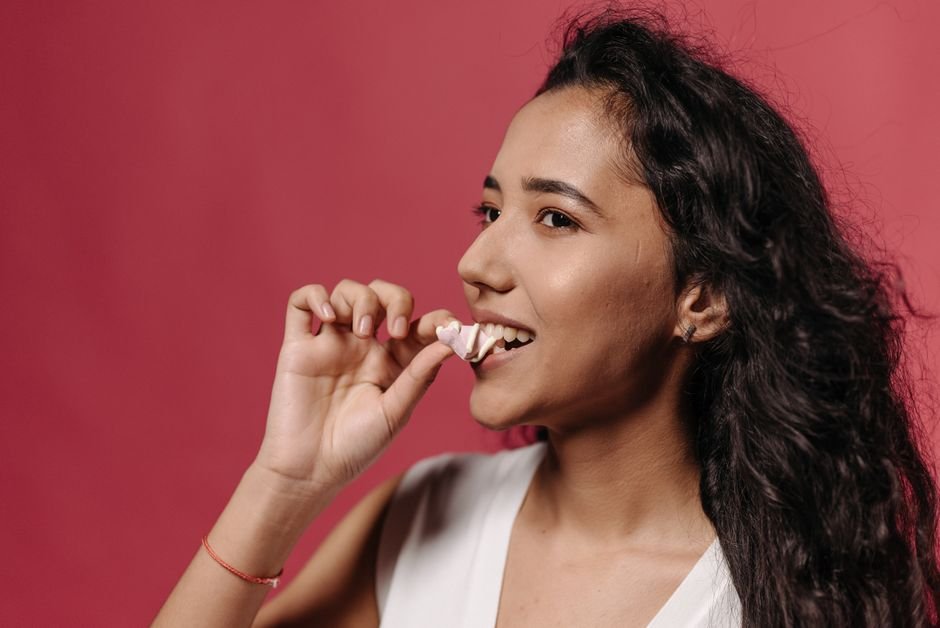
Staying well hydrated throughout the day supports healthy saliva flow, as does chewing sugar-free gum, which physically stimulates the salivary glands. Gum sweetened with xylitol offers an additional benefit, since xylitol interferes with the ability of decay-causing bacteria to produce acid. Keeping saliva flowing steadily, particularly after snacking, gives your mouth a stronger natural chance to recover from each acid exposure before the next one begins.
Are There Smart Ways to Plan Snack Timing Around the Day?
Thinking ahead about when you snack can be just as protective as choosing the right foods. Scheduling snacks close to main meals, rather than scattering them evenly across the day, takes advantage of the extra saliva your mouth produces during eating, which helps buffer acid more efficiently. This approach also naturally limits the number of separate acid cycles your teeth experience, since fewer isolated eating occasions mean fewer periods of prolonged acidity.
Planning ahead is particularly useful for children, who often snack more frequently than adults and may have less consistent oral hygiene habits. Preparing a small selection of tooth-friendly snacks in advance, such as cheese cubes or vegetable sticks, makes it easier to reach for a protective option in the moment rather than defaulting to whatever sugary or starchy food is most convenient. Small, consistent planning choices add up to meaningfully better outcomes over time.
Frequently Asked Questions
Is it worse for teeth to snack often or to eat one large sugary treat?
Frequent snacking is generally worse for teeth than eating one larger treat in a single sitting. Each time sugar or starch touches the teeth, an acid attack begins that lasts around 20 to 40 minutes. Spacing snacks closely together means the mouth never fully recovers between attacks, while eating the same amount of sugar in one sitting produces only a single, shorter period of acid exposure.
How long after snacking should I wait before brushing my teeth?
It is best to wait around 30 to 60 minutes after eating, especially after acidic foods or drinks, before brushing. Acid temporarily softens the outer layer of enamel, and brushing immediately can abrade this weakened surface. Rinsing with water or chewing sugar-free gum in the meantime helps manage acid levels while the enamel has time to reharden naturally.
Are dried fruits a healthy snack for teeth?
Dried fruit is nutritious in many respects but is not ideal for teeth because it is sticky and concentrated in natural sugars, allowing it to cling to tooth surfaces for extended periods. If you enjoy dried fruit, eating it alongside a meal or pairing it with cheese can help offset some of the acid produced and reduce the length of time sugar remains in contact with enamel.
Does chewing gum actually help protect teeth after eating?
Sugar-free chewing gum can help protect teeth by stimulating saliva production, which washes away food particles and neutralises acid more quickly. Gum sweetened with xylitol offers additional benefit because it can interfere with the ability of decay-causing bacteria to produce acid. It works best as a supplement to brushing and flossing, not as a replacement for them.
What is the single best snack choice for protecting tooth enamel?
Cheese is widely regarded as one of the best snack choices for protecting enamel. It is low in sugar, encourages saliva flow, and supplies calcium and phosphate that support remineralisation of weakened enamel. Pairing cheese with raw vegetables or a small portion of nuts creates a snack that satisfies hunger while placing minimal acid burden on the teeth.

Matthew is a dental content writer passionate about helping readers understand their oral health, one article at a time.