
Sleep affects your teeth and gums in ways that are easy to overlook. Saliva flow drops to almost nothing overnight, so a mouth that is not clean before bed spends hours under acid attack with no natural defence. Breathing through the mouth while asleep dries the gums and front teeth, night-time grinding wears enamel and strains the jaw, and short or poor sleep changes daytime cravings toward sugar. Small adjustments to your evening routine and sleep patterns can quietly remove several of the biggest ongoing threats to your oral health.
Key takeaways
- Saliva, the mouth’s main defence, nearly stops during sleep, so bedtime cleaning is critical.
- Eating or drinking anything but water after brushing undoes the benefit for the whole night.
- Mouth breathing and snoring dry the tissues and are worth investigating.
- Sleep grinding wears teeth and tires the jaw; a night guard protects against it.
- Too little sleep increases sugar cravings and makes daily oral care easier to skip.
Why Does the Mouth Become Vulnerable During Sleep?
Throughout the day, saliva continuously rinses the teeth, neutralises acids produced by plaque bacteria, clears food debris, and delivers minerals that repair the earliest stages of enamel damage. It is the mouth’s built-in maintenance system. When you fall asleep, salivary glands slow right down and this protection is largely switched off until morning.
That means the overnight hours are the longest single stretch each day when the teeth have no defence. Whatever plaque and sugar are present at bedtime stay in contact with the enamel and gums for seven or eight uninterrupted hours. This is exactly why the evening clean matters more than the morning one, and why what you consume just before bed has an outsized effect.
What Should Your Last Act Before Bed Be?
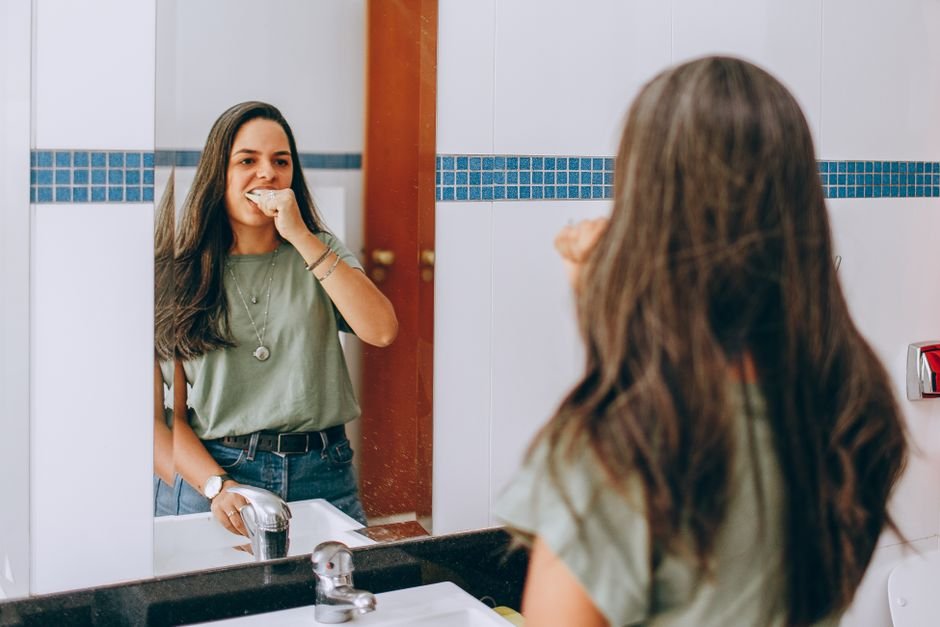
The final thing to touch your teeth before sleep should be a toothbrush with fluoride toothpaste, not food or a drink. Brushing last thing removes the day’s accumulated plaque and leaves a thin layer of fluoride on the enamel to work overnight. Spitting out the excess rather than rinsing with water helps that fluoride stay in place.
If you have a habit of a late snack, a cup of tea with sugar, or a glass of juice or wine after brushing, the sugars and acids sit undiluted on your teeth all night. Shifting any evening food or drink to before the brush, and sticking to plain water afterwards, is a simple change that protects the teeth during their most exposed hours.
How Does Mouth Breathing at Night Harm Teeth and Gums?
Some people habitually breathe through the mouth while asleep, often due to nasal congestion, allergies, or the structure of their airway. Air flowing across the front teeth and gums for hours evaporates what little protective saliva remains, leaving those tissues dry. Dry gums are more prone to inflammation, and dry enamel loses some of its resistance to acid.
People who mouth breathe overnight often wake with a dry, sticky mouth and may notice their upper front gums look red or puffy despite good brushing. Persistent snoring or mouth breathing is worth raising with a dentist or doctor, both because of the oral effects and because it can be a sign of an airway issue that affects sleep quality more broadly.
What Is Sleep Bruxism and What Does It Do?
Sleep bruxism is grinding or clenching the teeth during sleep, usually without the person being aware of it. Bed partners may hear it, or a dentist may spot the signs: flattened, polished wear facets on the teeth, small chips, increased sensitivity, tenderness in the jaw muscles on waking, or headaches around the temples.
The forces generated during sleep grinding are considerably higher than those used in normal chewing, and sustained over years they can wear through enamel, crack teeth, damage fillings and crowns, and strain the jaw joints. It is linked to stress, disrupted sleep, and certain medications and substances. A dentist can assess the wear and discuss protection.
How Can You Protect Your Teeth From Night Grinding?
The most common protection is a custom night guard, a thin, precisely fitted plastic shield worn over the upper or lower teeth during sleep. It does not stop the grinding itself but absorbs and redistributes the force, so the guard wears down instead of the teeth, and the jaw muscles are often more relaxed. Custom guards fit better and last longer than the boil-and-bite versions sold over the counter.
Alongside a guard, addressing contributing factors helps. Reducing stress where possible, keeping a consistent sleep schedule, limiting caffeine and alcohol in the evening, and treating any nasal or breathing problems can all lessen grinding. If grinding is severe or linked to disturbed breathing during sleep, the dentist may suggest looking into the sleep side of the picture more thoroughly.
Can Not Getting Enough Sleep Lead to More Cavities?
Indirectly, yes. When you are short on sleep, the body seeks quick energy, and appetite shifts toward sugary and starchy foods. People who are tired also tend to snack more often and later into the evening. Frequent snacking is one of the strongest drivers of tooth decay, because every episode of eating restarts the acid attack and the enamel gets no time to recover.
Tiredness also erodes routines. The evening brush is the one most likely to be skipped or rushed when you fall into bed exhausted, and that is the clean that matters most. Over months, the combination of more sugar, more frequent snacking, and less thorough brushing measurably raises decay risk, all traceable back to insufficient sleep.
Does Sleep Position or Environment Matter?
Sleep position has a minor role. Sleeping on your back can worsen snoring and mouth breathing for some people, while acid reflux, which is more likely when lying flat soon after eating, can bring stomach acid into the mouth and erode the back surfaces of the teeth over time. Leaving a few hours between the last meal and lying down, and raising the head of the bed slightly, can help those prone to reflux.
The bedroom environment matters mostly through its effect on sleep quality. A dark, cool, quiet room and a regular schedule improve how well you sleep, which in turn supports the daytime habits and stress levels that keep the mouth healthy. Keeping only a glass of water by the bed, rather than sugary drinks, removes a common overnight hazard.
How Does Dry Mouth From Sleep Contribute to Bad Breath?
Morning breath is largely a product of the overnight drop in saliva. Bacteria on the back of the tongue and between the teeth break down food debris and cells, releasing sulphur compounds that smell unpleasant. During the day, saliva and the movement of the mouth keep these in check, but through the night they accumulate undisturbed, which is why breath is worst on waking.
People who breathe through the mouth or sleep with the mouth open wake with noticeably stronger odour because their mouths are drier still. Cleaning thoroughly before bed, including gently cleaning the tongue, reduces the material bacteria have to work on overnight. Drinking water on waking and eating breakfast both restart saliva flow. Persistent bad breath that does not improve with good cleaning is worth discussing with a dentist.
Can Poor Sleep Make Gum Inflammation Worse?
Sleep is when much of the body’s repair and immune regulation happens. When sleep is short or broken over a long period, the immune system becomes less efficient at keeping the bacterial challenge in the gums under control, so inflammation can take hold more readily from the same amount of plaque. Poor sleep is also associated with higher overall levels of inflammation in the body.
There is a two-way relationship as well: dental problems such as an aching tooth, jaw tension from grinding, or the discomfort of gum disease can themselves disturb sleep, creating a loop where each makes the other worse. Improving sleep supports the gums’ resilience, and resolving a nagging dental problem often improves sleep, so it is worth addressing both rather than treating them as unrelated.
What Simple Evening Routine Supports Oral Health?
Aim for a consistent wind-down that ends the same way each night. Finish any food and drink other than water at least half an hour before bed. Clean between your teeth, then brush for two minutes with fluoride toothpaste and spit without rinsing. If you have a night guard, put it in. Keep water, not other drinks, on the bedside table.
Going to bed and waking at roughly the same times strengthens sleep quality, which supports steadier eating and lower stress the next day. If you snore, breathe through your mouth, wake with jaw pain, or notice tooth wear, mention it at your next dental visit. These small, repeatable steps quietly protect your teeth during the hours you are not thinking about them at all.
Frequently Asked Questions
Why is brushing at night more important than in the morning?
Saliva flow drops dramatically during sleep, removing the mouth’s main defence for seven or eight hours. Brushing last thing clears the day’s plaque and leaves protective fluoride on the teeth for that vulnerable overnight period.
Is it bad to drink anything except water after brushing?
Yes, if it contains sugar or acid. Tea with sugar, juice, milk, or alcohol after brushing coats the teeth for the whole night with little saliva to clear it. Stick to plain water after your evening brush.
How do I know if I grind my teeth in my sleep?
Common signs are jaw tenderness or headaches on waking, increased tooth sensitivity, flattened or chipped teeth, and a partner hearing grinding sounds. A dentist can confirm it by examining the wear patterns on your teeth.
Can a night guard stop me grinding?
It does not stop the grinding action, but it absorbs and spreads the force so your teeth and jaw are protected. The guard wears instead of your enamel, and many people find their jaw muscles feel less tense.
Does mouth breathing while asleep need treatment?
It is worth investigating. Habitual mouth breathing dries the gums and teeth and can point to nasal congestion, allergies, or an airway problem. A dentist or doctor can help identify the cause and suitable management.

Matthew is a dental content writer passionate about helping readers understand their oral health, one article at a time.