
A healthier smile starts with a few consistent morning habits: brushing thoroughly for two minutes, cleaning the tongue, choosing tooth-friendly breakfast foods, and staying hydrated. None of these steps take long, but done every morning they reduce plaque build-up, freshen breath, and protect your teeth and gums for the whole day ahead.
Key takeaways
- Brushing for a full two minutes each morning removes the plaque that builds up overnight.
- Cleaning your tongue helps reduce bacteria and freshens breath more effectively than brushing alone.
- What you eat and drink first thing can either support or undermine your oral health.
- A consistent morning routine is just as important as your evening one for long-term dental health.
- Small habits, like rinsing with water after breakfast, add up to meaningfully better outcomes over time.
Why does a morning routine matter for oral health?
While you sleep, saliva production slows down considerably, and saliva is one of the mouth’s natural defences against bacteria. This means that by the time you wake up, plaque and bacteria have had hours to accumulate on your teeth and along the gumline with far less natural rinsing action to keep them in check. A dedicated morning routine addresses this build-up before it has a chance to cause irritation, bad breath, or the early stages of decay.
Establishing a routine also creates consistency, which matters more for oral health than any single perfect brushing session. Teeth and gums respond well to regular, predictable care rather than occasional intensive effort. When morning habits become automatic, they require little willpower and are far less likely to be skipped, especially on busy days. Over months and years, this consistency is what separates a healthy mouth from one prone to recurring problems.
What’s the right way to brush your teeth in the morning?
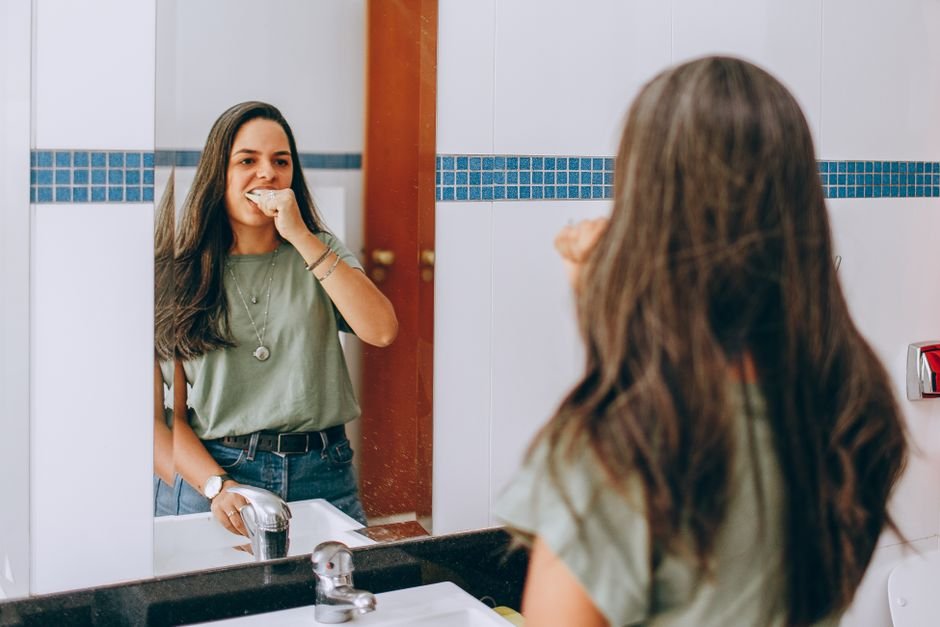
Effective morning brushing starts with a soft-bristled brush held at a slight angle towards the gumline, using gentle, small circular motions rather than aggressive back-and-forth scrubbing. Cover every surface systematically: outer surfaces, inner surfaces, and the chewing surfaces of the back teeth, which are often neglected. The whole process should take a full two minutes, which is longer than most people realise without timing themselves.
A fluoride toothpaste is recommended, as fluoride helps strengthen enamel and makes teeth more resistant to acid attacks from food and bacteria. Avoid pressing too hard, since excessive force can wear down enamel and irritate gums over time without providing any extra cleaning benefit. Replacing your toothbrush or brush head every few months, or sooner if the bristles look frayed, keeps the cleaning action effective rather than merely pushing bacteria around.
Should you brush before or after breakfast?
This is one of the most debated questions in daily oral care, and the honest answer depends on what you eat. Brushing before breakfast allows fluoride from your toothpaste to coat your teeth and start working before you introduce any food, and it also clears away the bacteria that accumulated overnight before they interact with your meal.
If you brush immediately after eating, particularly after acidic foods like citrus fruit or juice, you risk brushing softened enamel while it is temporarily more vulnerable. The safer approach if you prefer brushing after breakfast is to wait at least thirty minutes, giving saliva time to neutralise acids and re-harden the enamel surface. Either order can work well as long as this simple timing rule around acidic foods is respected.
Why is tongue cleaning worth adding to your routine?
The tongue’s surface is covered in tiny grooves and papillae that trap bacteria, food debris, and dead cells, and this build-up is a major contributor to morning breath. Brushing your teeth alone does very little to address this, since a toothbrush is not well suited to reaching across the broad, uneven surface of the tongue. A dedicated tongue scraper or the tongue-cleaning ridge on the back of many toothbrushes is far more effective.
Cleaning the tongue takes only about fifteen seconds but noticeably improves breath freshness and reduces the overall bacterial load in the mouth. Work from the back of the tongue towards the tip using gentle pressure, rinsing the scraper between passes. Over time, this habit also supports better taste perception, since a coated tongue can dull the taste buds and make food seem less flavourful than it actually is.
How does morning hydration help your smile?
Drinking a glass of water first thing in the morning helps rinse away some of the bacteria and food particles that accumulated overnight, and it also kick-starts saliva production after hours of reduced flow during sleep. Saliva is essential for neutralising acids, washing away debris, and delivering minerals that help remineralise enamel, so anything that supports its production benefits your teeth.
Staying hydrated throughout the morning, rather than relying on coffee or sugary drinks alone, also helps prevent the dry mouth that makes bacteria more likely to thrive. Plain water between meals is the simplest way to keep saliva flow steady without introducing sugars or acids that feed decay-causing bacteria. If your morning drink of choice is coffee or tea, following it with a glass of water helps limit the time sugars or acids sit on your teeth.
What role does diet play in your morning routine?
Breakfast choices set the tone for your mouth’s chemical environment for hours afterwards. Foods high in refined sugar, such as pastries or sweetened cereals, feed the bacteria that produce acid and attack enamel, while sticky foods can cling to teeth and prolong that exposure well beyond the meal itself. Choosing options like plain yoghurt, eggs, or whole grains gives your mouth a gentler start to the day.
Crunchy fruits and vegetables, when included at breakfast, can even help mechanically clean the tooth surface as you chew, alongside stimulating saliva flow. Cheese is another useful addition, as it can help neutralise acids and provide calcium that supports enamel strength. None of this means sweeter breakfasts must be avoided entirely, but pairing them with water or following them with brushing after the recommended waiting period limits their impact.
Is mouthwash necessary every morning?
Mouthwash is not strictly essential for everyone, but it can be a useful addition to a morning routine, particularly for reaching areas that brushing and tongue cleaning might miss. A fluoride rinse offers an extra layer of enamel protection, while an antibacterial rinse can help reduce the bacteria responsible for plaque and bad breath throughout the day.
It is worth using mouthwash at a different time from brushing, since rinsing immediately afterwards can wash away the concentrated fluoride left behind by toothpaste, reducing its benefit. Using an alcohol-free formula is generally gentler on the soft tissues of the mouth and less likely to cause dryness or irritation with daily use. Ultimately, mouthwash should be treated as a helpful extra rather than a substitute for thorough brushing and cleaning.
How can you keep your toothbrush and dental tools hygienic?
A toothbrush left uncovered in a humid bathroom can harbour bacteria, so rinsing it thoroughly after each use and allowing it to air-dry upright is important. Storing brushes too close together, or in a closed container while still damp, can encourage bacterial growth and even cross-contamination between household members’ brushes.
Tongue scrapers and any other reusable tools should be rinsed under running water immediately after use and left to dry fully before their next use. Replacing your brush head roughly every three months, or immediately after an illness, prevents worn bristles and lingering bacteria from undermining the good work of your morning routine. Simple habits like these protect the effectiveness of every other step you take each day.
Frequently Asked Questions
How long should I brush my teeth in the morning?
Two minutes is the generally recommended duration, giving enough time to clean all surfaces of every tooth thoroughly. Using a timer or an electric brush with a built-in timer can help you gauge this accurately, since most people underestimate how long they have actually brushed.
Is it bad to skip brushing in the morning if I brushed at night?
Skipping morning brushing allows the bacteria and plaque that accumulated overnight to remain on your teeth throughout the day, which can contribute to bad breath and a higher risk of decay over time. Morning and evening brushing serve different purposes, so both are considered important rather than interchangeable.
Can drinking water first thing help oral health?
Yes, a glass of water in the morning helps rinse away overnight bacteria and stimulates saliva flow, which supports the mouth’s natural defences. It is a simple habit that complements brushing rather than replacing it, and it also helps counter the dry mouth common after a night’s sleep.
Should children follow the same morning routine as adults?
Children benefit from the same core habits of brushing, and later tongue cleaning, adapted to their age with supervision and an appropriately sized brush and fluoride toothpaste amount. Building these habits early makes them far more likely to continue into adulthood as an automatic part of daily life.
What if my gums bleed when I brush in the morning?
Occasional light bleeding can happen with a new routine or a firmer brushing technique, but persistent or frequent bleeding often signals gum inflammation that deserves attention. Using a soft-bristled brush and gentle technique usually helps, and ongoing bleeding is worth discussing with a dental professional.

Matthew is a dental content writer passionate about helping readers understand their oral health, one article at a time.