
Protecting a family’s dental health does not require complicated routines or expensive products, but rather a handful of consistent daily habits that everyone in the household can realistically follow. When these habits become shared family practices rather than individual responsibilities, they tend to stick far more reliably over the long term.
Key takeaways
- Shared routines, like brushing together, help habits stick across all ages.
- Keeping sugary snacks and drinks as occasional rather than daily items helps everyone.
- Scheduling family dental checkups together simplifies consistency.
- Modelling good habits as an adult has a strong influence on children’s behaviour.
- Small, realistic routines are more sustainable than overly strict rules.
Why Do Shared Routines Work Better Than Individual Reminders?
When brushing and flossing become a shared family activity, such as everyone brushing together at a set time each morning and evening, the habit becomes part of the household rhythm rather than something each person has to remember individually. This shared structure reduces the mental effort required to maintain consistency, since the routine itself carries the habit forward.
Children in particular respond well to this kind of modelling, often mimicking the behaviour of parents or older siblings without needing constant verbal reminders. Establishing set times for brushing as a family activity, rather than leaving it to individual initiative, tends to produce more consistent results across all age groups in a household.
How Can Families Manage Sugar Without Feeling Overly Restrictive?
Rather than banning sugary foods entirely, which can be difficult to sustain and sometimes backfires by making treats feel more desirable, many families find success in reframing sugary snacks and drinks as occasional items rather than daily staples. This shift in framing tends to be easier to maintain than strict elimination.
Keeping sugary items to specific occasions, such as weekends or special events, rather than as an everyday default, reduces the frequency of acid exposure on teeth without requiring anyone to give up treats altogether. This approach also teaches children a sustainable relationship with sugar that can carry into their own habits later in life, rather than framing certain foods as strictly forbidden.
What Role Does Scheduling Family Checkups Together Play?
Booking dental checkups for multiple family members on the same day or in the same week simplifies logistics considerably, reducing the mental load of tracking separate appointments throughout the year. This practical benefit alone makes consistent attendance more likely for busy households.
Beyond convenience, attending appointments together can also make dental visits feel like a normal, shared family activity rather than an individual event some family members dread. Younger children in particular often feel reassured seeing older siblings or parents go through the same routine checkup process.
How Much Does Modelling Behaviour as an Adult Actually Matter?
Children observe and absorb far more from watching adult behaviour than from being told what to do directly. A parent who visibly prioritises their own brushing, flossing and regular dental visits sends a consistent, reinforcing message that these habits matter, often more effectively than repeated verbal instructions alone.
This modelling effect extends to attitude as well as action. A parent who approaches dental visits calmly and matter-of-factly, rather than expressing anxiety or reluctance, tends to pass along that same calm attitude to children, reducing the likelihood of dental anxiety developing within the family over time.
Why Do Overly Strict Rules Often Fail Compared to Simple Routines?
Highly restrictive rules around diet or hygiene can create friction within a household, particularly with children or teenagers who may push back against rules that feel excessive or joyless. This friction can undermine consistency more than it supports it, since rules that generate constant conflict are harder to sustain over time.
Simple, realistic routines, such as a consistent brushing schedule and treating sugary snacks as occasional rather than forbidden, tend to be easier for every family member to accept and maintain. Sustainable habits generally outperform strict, hard-to-follow rules when it comes to long-term dental health outcomes across a household.
How Can Families Keep Hygiene Consistent While Travelling or Busy?
Travel and unusually busy periods, such as school holidays or demanding work seasons, are common times when family dental routines can slip. Preparing a simple travel kit with toothbrushes, toothpaste and floss ready to go, rather than relying on packing decisions made at the last minute, helps maintain consistency during these periods.
Setting a realistic expectation that routines might be slightly adjusted, rather than abandoned entirely, during unusually busy times can also help. A shortened but still consistent brushing routine during a hectic week is far better for long-term habit maintenance than skipping it altogether and trying to fully resume normal routines afterward.
What Small Adjustments Support Better Hydration as a Family Habit?
Making water the easily accessible default drink at home, rather than keeping sugary drinks as visible everyday options, naturally shifts family habits over time without requiring constant enforcement. Simple structural choices like this tend to be more effective than repeated verbal reminders about drink choices.
Encouraging water with meals as a standard family practice, rather than an occasional suggestion, helps normalise it as the default rather than an alternative to something more appealing. Over time, this kind of environmental adjustment often has a bigger impact on daily habits than direct instruction alone.
How Can Older and Younger Family Members Have Different Needs Addressed Together?
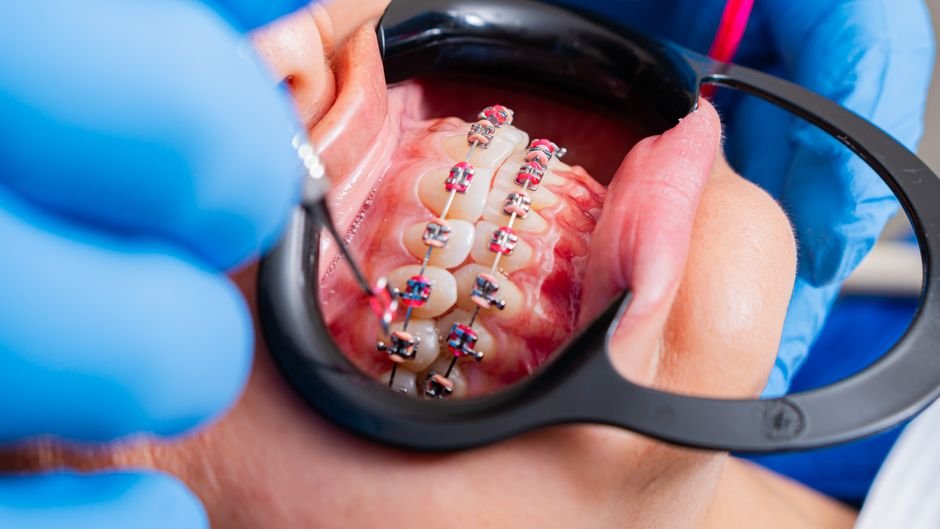
Different ages within a family often have different specific dental needs, from a toddler learning to brush for the first time to a teenager managing orthodontic appliances to an older adult monitoring gum health more closely. Acknowledging these differences while still maintaining a shared family routine framework allows each person’s specific needs to be met without abandoning the benefits of consistency.
This might look like everyone brushing at the same time but with age-appropriate techniques or products, or scheduling checkups around each person’s specific needs while still keeping the overall family habit of regular dental care intact. Flexibility within a consistent shared structure tends to work better than either a rigid one-size-fits-all approach or a completely individualised one.
Why Does Consistency Matter More Than Perfection in Family Dental Habits?
No family maintains a perfect dental routine every single day, and expecting flawless consistency can create unnecessary pressure that ultimately undermines long-term habit formation. What matters more is a generally consistent pattern over time, with occasional lapses treated as normal rather than as failures requiring a complete restart.
Framing family dental habits around general consistency rather than perfection tends to produce more sustainable results, since it removes the all-or-nothing thinking that can lead to giving up on a routine entirely after a difficult week. This more forgiving, realistic approach tends to serve families better over months and years than a stricter standard that is harder to maintain.
Frequently Asked Questions
What is the easiest way to start building a shared family brushing routine?
Choosing a consistent time, such as right after breakfast and right before bed, and having everyone brush together during that window tends to be an effective starting point. Consistency in timing, rather than any special technique, is usually the biggest factor in making the habit stick.
How can parents reduce sugary snack consumption without constant conflict?
Reframing sugary snacks as occasional rather than everyday items, and involving children in choosing when those occasions are, such as a weekend treat, tends to reduce resistance compared to strict, unexplained bans on sugar entirely.
Is it better to schedule all family members’ dental checkups on the same day?
Scheduling checkups together, when practical, simplifies logistics and can make dental visits feel like a normal shared family activity. This is a matter of convenience and consistency rather than a clinical necessity, so it can be adjusted based on what works best for a specific family’s schedule.
How can families maintain dental habits during school holidays or travel?
Preparing a simple travel kit in advance and accepting a shortened but still consistent routine during busy periods tends to work better than aiming for a completely normal routine or abandoning it altogether. The goal during these periods is maintaining the habit, even in a reduced form.
Does modelling good habits really influence children more than direct instruction?
Yes, children frequently mimic observed adult behaviour more readily than they follow verbal instructions alone. A parent who visibly and consistently prioritises their own dental care tends to reinforce the same habits in children more effectively than reminders or rules on their own.

Matthew is a dental content writer passionate about helping readers understand their oral health, one article at a time.