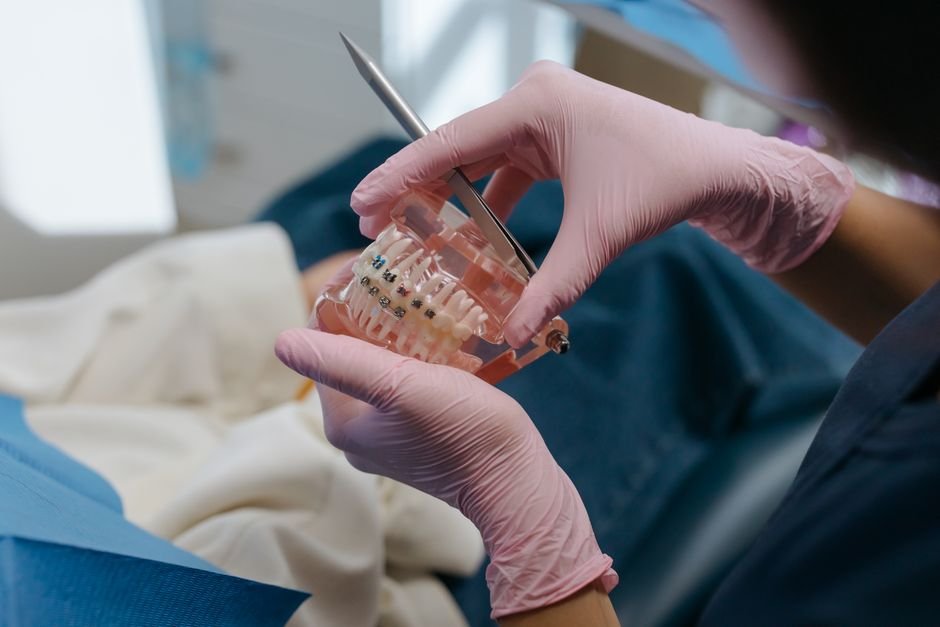

Mild soreness after an orthodontic adjustment is a normal response to the gentle pressure being applied to shift teeth into a new position, and it typically peaks within the first day or two before gradually easing over the following several days. Simple strategies such as sticking to softer foods, using appropriate pain relief, and applying a cold compress can make this adjustment period considerably more comfortable while your mouth adapts to the new positioning.
Key takeaways
- Soreness after an adjustment is a normal sign that teeth are responding to gentle pressure.
- Discomfort typically peaks within a day or two and eases within the following week.
- Softer foods reduce strain on teeth while they are most sensitive.
- Over-the-counter pain relief and cold compresses can ease discomfort effectively.
- Orthodontic wax helps manage any irritation from brackets or wires rubbing against the cheeks.
Why Does an Adjustment Cause Soreness in the First Place?
Orthodontic adjustments work by applying carefully calculated pressure to gradually move teeth toward their intended position, and this pressure temporarily affects the ligaments and tissue surrounding the tooth roots. The soreness that follows is essentially the body’s response to this pressure, similar to the mild ache felt in a muscle after unfamiliar exercise, and it signals that the treatment is doing exactly what it is meant to do rather than indicating a problem.
This sensation is usually most noticeable when biting down or chewing firmer foods, since these actions place direct pressure on teeth that are already sensitive from the recent adjustment. The intensity varies from person to person and can also vary between different adjustment appointments, with some visits producing barely noticeable discomfort and others causing a more pronounced ache for a day or two.
How Long Does the Discomfort Typically Last?
Most people notice the peak of their discomfort within the first twenty-four to forty-eight hours following an adjustment, after which it begins to gradually subside. By the end of the first week, soreness has usually eased considerably, and many people report feeling largely back to normal before their next scheduled appointment. This pattern tends to repeat with each subsequent adjustment throughout treatment, though many patients find the discomfort becomes progressively milder as their mouth adjusts to the overall process.
If discomfort persists well beyond a week or seems to worsen rather than improve, this is worth mentioning to your orthodontic provider, as it may indicate an issue such as a poking wire or a bracket rubbing against soft tissue rather than simply the expected response to tooth movement. Distinguishing between normal, temporary soreness and a specific mechanical issue helps determine whether a quick in-between visit is warranted.
What Foods Help During the Most Sensitive Days?
Softer foods that require minimal chewing pressure are the most comfortable option during the first few days after an adjustment. Options such as soups, yoghurt, mashed potatoes, scrambled eggs, and well-cooked pasta place far less strain on sensitive teeth than crunchy or chewy foods, allowing you to maintain proper nutrition without aggravating the discomfort. Smoothies and soft fruits are also popular choices during this window.
It is best to temporarily avoid particularly hard, crunchy, or sticky foods, such as raw vegetables, tough meats, or chewy sweets, until the initial soreness has settled. This is not a permanent dietary restriction but rather a short adjustment during the most sensitive period, and most people can gradually return to their normal diet within a few days as the discomfort continues to ease.
Which Pain Relief Options Are Commonly Recommended?
Over-the-counter pain relief medication is commonly used to manage soreness during the first day or two after an adjustment, taken according to the packaging instructions or any specific guidance provided by your orthodontic provider. Taking a dose shortly before or after the appointment, when the anticipated soreness is at its most predictable, can help many people stay ahead of the discomfort rather than waiting until it becomes more noticeable.
Topical oral gels designed to numb sensitive areas can also provide short-term relief, particularly if a specific spot feels more irritated than the general soreness across the mouth. If you have any questions about which pain relief options are appropriate for you, given your personal health history, your orthodontic provider or pharmacist can offer guidance tailored to your situation.
How Can a Cold Compress or Cold Foods Help?
Applying a cold compress to the outside of the jaw for short periods can help reduce any mild swelling and numb the area enough to ease general discomfort, particularly on the day of the adjustment itself. Wrapping ice in a cloth rather than applying it directly to the skin helps avoid any additional irritation while still providing a soothing, cooling effect to the surrounding muscles and tissue.
Cold foods and drinks, such as chilled smoothies, yoghurt, or ice water, can offer similar relief from the inside, gently numbing the sensitive areas around the teeth while also being gentle to eat during the more tender days. Many people find that alternating between a cold compress and a soft, cold snack provides noticeably more comfort than relying on either approach alone.
What Role Does Orthodontic Wax Play in Comfort?
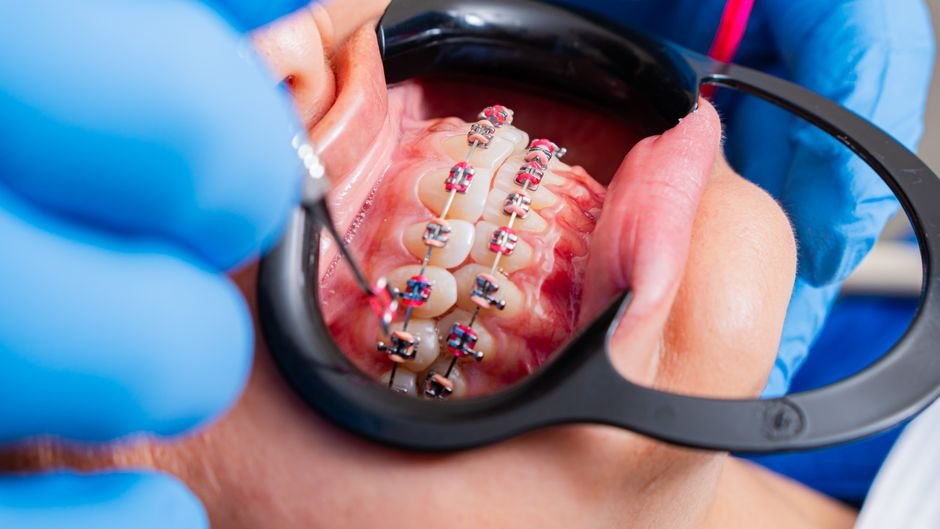
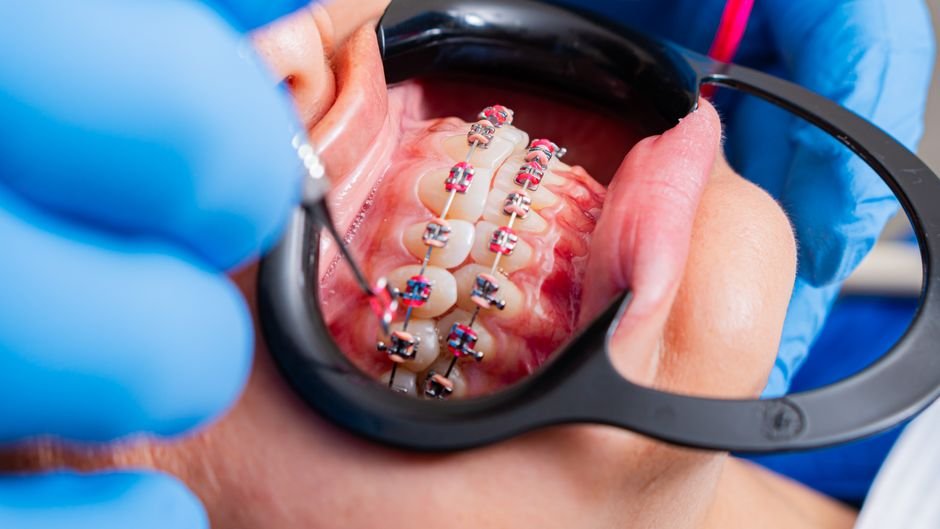
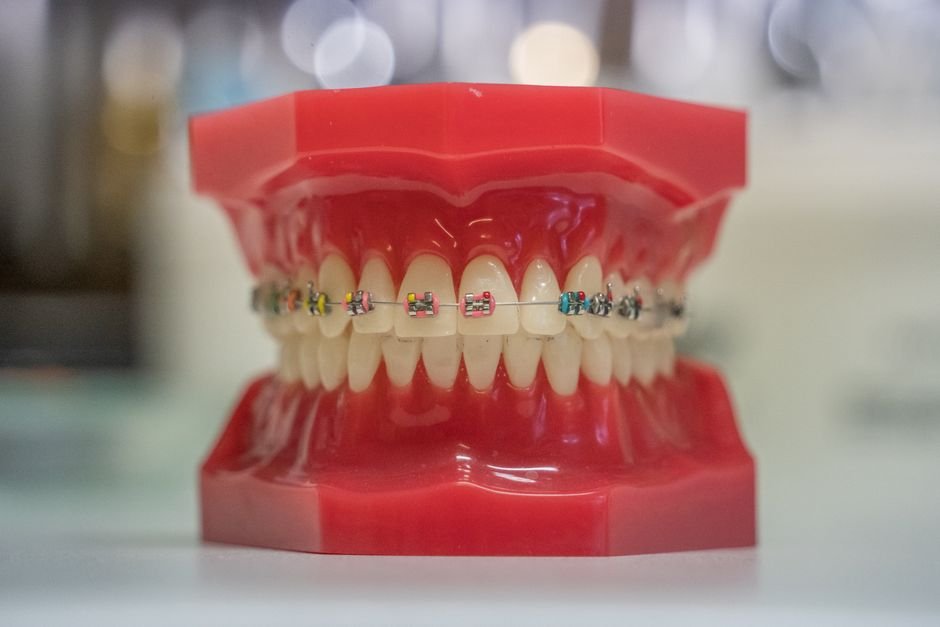
Brackets and wires can sometimes rub against the inside of the cheeks or lips, particularly in the days following an adjustment when the mouth is still adapting to any changes in wire tension or bracket position. Orthodontic wax, a soft, pliable material provided by most orthodontic practices, can be pressed directly over the area causing irritation, creating a smooth barrier between the hardware and the soft tissue of the mouth.
Applying wax is straightforward: a small piece is rolled into a ball and pressed firmly over the specific bracket or wire section causing discomfort, and it can be replaced as needed throughout the day, particularly before eating or if it starts to wear away. Keeping a small supply of wax on hand, whether at home, at work, or in a bag, makes it easy to address irritation the moment it becomes noticeable rather than waiting until it worsens.
Are There Warning Signs That Discomfort Is Not Just Normal Adjustment Soreness?
While mild, generalised soreness is an expected part of the adjustment process, certain signs suggest something beyond typical discomfort. A wire that has come loose and is poking into the cheek or gum, a bracket that has detached, or pain that is sharp and localised to one specific spot rather than a dull general ache are all reasons to contact your orthodontic provider rather than simply waiting it out.
Similarly, discomfort that is significantly more intense than what you experienced after previous adjustments, or that does not begin to ease after the first few days, is worth flagging. Orthodontic practices generally welcome these check-in calls, since a quick adjustment to a poking wire or a loose bracket is usually a simple fix that can prevent several more uncomfortable days if left unaddressed.
How Can You Prepare Ahead of Future Adjustment Appointments?
Once you know your own typical pattern of discomfort following an adjustment, you can plan ahead by stocking softer foods in advance, keeping pain relief on hand, and perhaps scheduling appointments for a time when you do not have demanding plans immediately afterwards. Many people find it helpful to schedule adjustments before a quieter day or two, giving themselves space to manage any soreness without added pressure.
Bringing a small kit of orthodontic wax, and knowing which foods have worked well for you in the past, can turn what once felt like an unpredictable, uncomfortable few days into a manageable and familiar part of your orthodontic routine, making the entire course of treatment feel steadier and less daunting overall.
Frequently Asked Questions
Is it normal to feel sore after every single adjustment?
Yes, mild soreness after each adjustment is a normal and expected response as teeth respond to the applied pressure, though the intensity can vary between visits.
How soon after an adjustment can I eat normally again?
Most people can gradually return to their usual diet within a few days as discomfort eases, though softer foods are recommended during the first day or two.
What should I do if a wire is poking and causing irritation?
Apply orthodontic wax over the area for temporary relief and contact your orthodontic provider, as a poking wire may need to be adjusted rather than left as is.
Can I take pain relief medication before my adjustment appointment?
Many people take a dose shortly before or after the appointment to stay ahead of expected soreness, though it is best to confirm suitable options with your provider or pharmacist.
Does the discomfort get worse with each adjustment over time?
Not typically. Many patients find the discomfort becomes progressively milder as their mouth adjusts to the overall treatment process.

Matthew is a dental content writer passionate about helping readers understand their oral health, one article at a time.