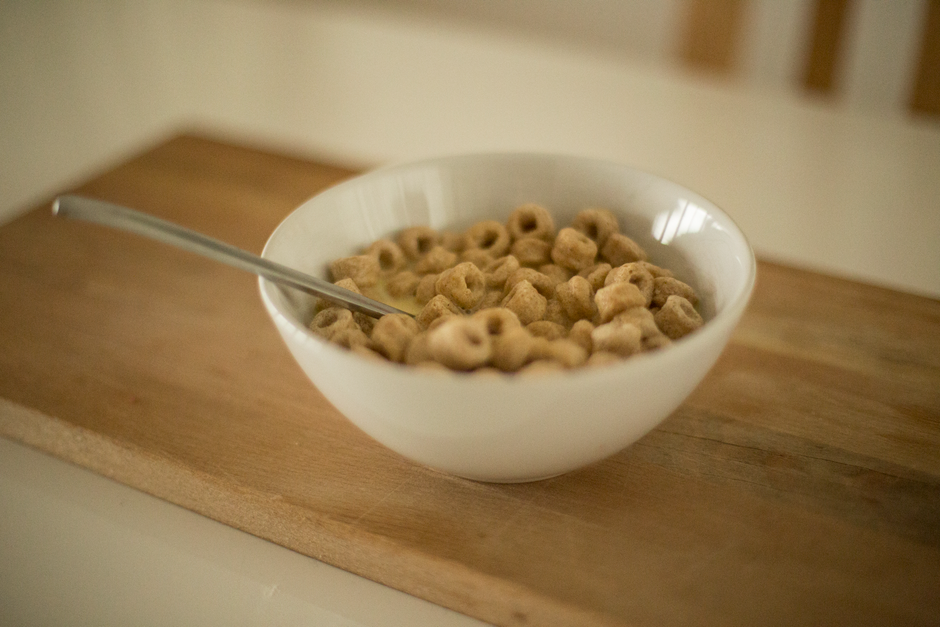
How often you eat matters more for your teeth than how much you eat in a single sitting. Every time you consume food or a drink containing sugar or starch, the bacteria in your mouth produce acid that attacks tooth enamel for roughly the next twenty to thirty minutes. Frequent snacking throughout the day keeps your mouth in an almost constant acidic state, giving enamel little chance to recover, which over months and years significantly raises the risk of cavities and enamel erosion.
Key takeaways
- Frequency of eating affects teeth more than total quantity of sugar consumed.
- Each snack triggers an acid attack that lasts around twenty to thirty minutes.
- Sticky and starchy snacks can be just as damaging as obviously sugary ones.
- Grazing throughout the day gives saliva less opportunity to neutralise acid and repair enamel.
- Choosing tooth-friendlier snacks and timing them sensibly can meaningfully reduce long-term decay risk.
Why does snack frequency matter more than snack size?
Every time sugars or starches reach the bacteria living in dental plaque, those bacteria metabolise the carbohydrate and release acid as a by-product. This acid softens and gradually dissolves the mineral structure of tooth enamel in a process called demineralisation. A single large snack causes one such acid episode, but ten small snacks spread across the day cause ten separate episodes, each resetting the clock on your mouth’s recovery.
Saliva naturally neutralises acid and helps redeposit minerals back into enamel, a process known as remineralisation, but this takes time, typically around half an hour after eating stops. Constant grazing, even on foods that seem relatively harmless, prevents saliva from ever completing this repair cycle. Over months and years, teeth that are exposed to frequent snacking accumulate far more cumulative acid damage than teeth exposed to the same total amount of food consumed in three distinct meals.
Are starchy snacks really as harmful as sugary ones?
Many people assume that avoiding obvious sweets is enough to protect their teeth, but starchy foods pose a similar risk. Crisps, crackers, white bread, and similar snacks break down into simple sugars once mixed with saliva and digestive enzymes, and oral bacteria can use these sugars just as readily as table sugar. These foods also tend to be sticky or crumbly, meaning small particles can lodge between teeth and along the gumline for extended periods.
Dried fruit deserves particular mention, since it is often perceived as a healthy alternative to sweets. Dried fruit is concentrated in natural sugars and has a chewy, sticky texture that clings to tooth surfaces far longer than fresh fruit does. Combined with its tendency to be eaten slowly over an extended period, dried fruit can create a prolonged acid exposure that rivals or exceeds that of confectionery, even though it is marketed and perceived as a nutritious choice.
Does the type of drink someone sips throughout the day matter?
Sipping habits can be even more damaging than snacking habits, because liquids coat the entire mouth rather than remaining localised to a few spots. Sugary soft drinks, juices, and flavoured waters consumed slowly over an hour or more expose every tooth surface to a steady drip of fermentable sugar and, in many cases, acid from the drink itself. Even sugar-free acidic drinks, such as some flavoured sparkling waters, can erode enamel directly through their acidity alone.
Plain water and milk are the safest options for regular sipping between meals, since water does not feed bacteria and rinses the mouth, while milk contains calcium and phosphate that can support remineralisation. Herbal teas without added sugar are also relatively gentle. Anyone who enjoys a cup of tea, coffee, or juice regularly throughout the day should consider limiting these to specific times rather than extending them across hours of continuous sipping.
How does snacking timing relate to overall meal patterns?
Confining sugary or starchy foods to mealtimes, rather than scattering them across the day, gives teeth a meaningful advantage. Saliva production naturally increases during meals to aid digestion, and this extra saliva flow helps buffer acid and clear food particles more effectively than the saliva produced at rest between meals. Eating a dessert immediately after a main meal, for instance, exposes teeth to less prolonged risk than eating the same dessert alone mid-afternoon.
This does not mean people need to eliminate treats entirely; it means timing them thoughtfully. Concentrating occasional sweets within or immediately after a meal, rather than treating them as a separate snacking event hours later, reduces the number of distinct acid attacks a mouth experiences in a day. Over months and years, this small adjustment in timing can add up to a noticeably lower cavity risk without requiring major dietary sacrifice.
What role does saliva play in recovering from snack-related acid exposure?
Saliva is one of the body’s most effective natural defences against tooth decay. It washes away food debris, neutralises acids produced by plaque bacteria, and supplies calcium and phosphate ions that help rebuild enamel that has been softened by acid exposure. A healthy flow of saliva after eating is what allows the mouth to recover from each snack-related acid attack within roughly thirty minutes.
Anything that reduces saliva flow, such as dehydration, certain medications, mouth breathing, or some medical conditions, leaves the mouth more vulnerable to the effects of frequent snacking. People with naturally lower saliva flow may need to be more cautious about snack frequency than others, since their mouths cannot buffer acid as quickly. Chewing sugar-free gum after a snack can stimulate additional saliva flow and support faster recovery when brushing is not immediately possible.
Can texture and stickiness of a snack change its impact on teeth?
The physical texture of a snack significantly influences how long it remains in contact with tooth surfaces. Sticky foods such as caramel, toffee, dried fruit, or soft baked goods cling to grooves and gaps between teeth long after swallowing, extending the period during which bacteria have carbohydrate available to ferment. Crunchy or fibrous foods, by contrast, tend to clear from the mouth relatively quickly and can even help mechanically dislodge some plaque and debris.
This is why two snacks with similar sugar content can carry very different levels of risk. A piece of chocolate that dissolves and clears the mouth within a few minutes generally poses less risk than a sticky sweet that lingers on tooth surfaces for much longer. When choosing snacks, considering texture alongside sugar content gives a more complete picture of how much lasting acid exposure a food is likely to cause.
What are some tooth-friendlier snack choices to consider?
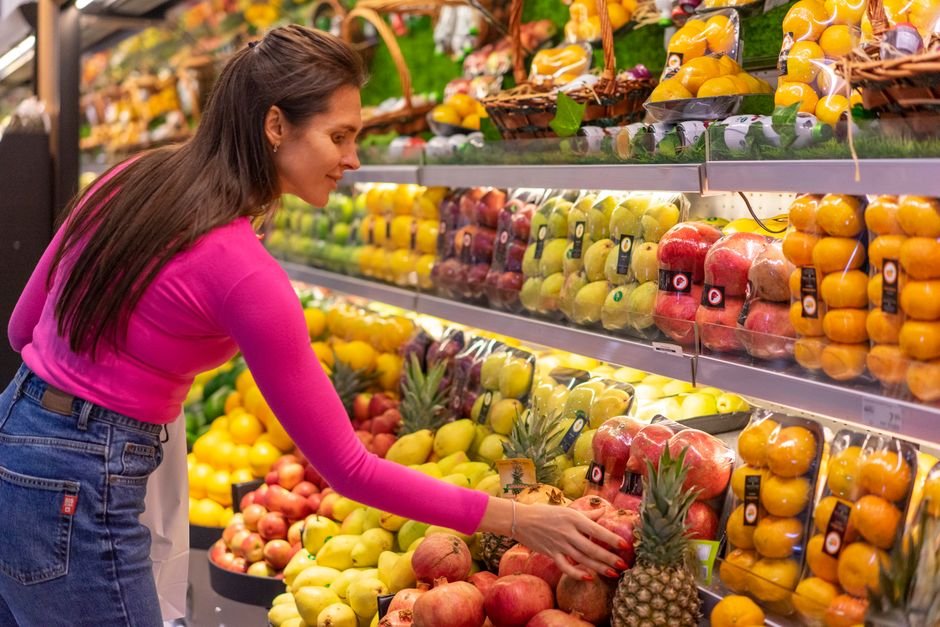
Cheese, plain yoghurt, raw vegetables, and nuts are generally considered kinder to teeth than sugary or starchy alternatives. Cheese in particular can help raise the pH in the mouth after eating and provides calcium and phosphate that support enamel strength. Crunchy vegetables such as carrot or celery stimulate saliva flow and contain little fermentable sugar, making them a practical option for frequent snackers.
Fresh fruit, while it does contain natural sugars, is generally preferable to dried fruit or processed sweets because it has higher water content, is less sticky, and is typically eaten more quickly. Whole fruit also requires more chewing, which increases saliva flow during consumption. Building a routine around these tooth-friendlier choices, rather than eliminating snacking altogether, is a realistic way to reduce cumulative acid exposure over time.
How does long-term snacking behaviour affect enamel beyond cavities?
Cavities are the most commonly discussed consequence of frequent snacking, but repeated acid exposure can also contribute to more generalised enamel erosion, particularly when acidic drinks or foods are involved rather than only sugary ones. Erosion differs from a typical cavity in that it wears away enamel more broadly across a tooth’s surface rather than creating a single localised area of decay, and it can lead to increased sensitivity to hot, cold, or sweet stimuli.
Over years, cumulative enamel loss from a lifetime of frequent snacking can change the appearance of teeth, making them look more translucent at the edges or more prone to chipping, since enamel does not regenerate once it is lost. This long-term perspective is a useful reminder that snacking habits established in childhood or early adulthood carry consequences that often only become visible much later, which is why establishing sensible patterns early is worthwhile.
Frequently Asked Questions
Is it the amount of sugar or the frequency of eating that matters more for tooth decay?
Frequency generally matters more than total quantity. Each time sugar or starch reaches the bacteria in plaque, it triggers a fresh acid attack lasting around twenty to thirty minutes, so eating the same amount of sugar across many small snacks causes far more cumulative acid exposure than eating it within one or two meals.
Are starchy snacks like crisps and crackers bad for teeth even without added sugar?
Yes. Starches break down into simple sugars in the mouth and can feed the same bacteria that cause decay. These snacks are also often sticky or crumbly, allowing particles to remain trapped between teeth and along the gumline for extended periods, which prolongs acid production.
Is dried fruit a safer snack than sweets for teeth?
Not necessarily. Dried fruit is concentrated in natural sugar and has a sticky texture that clings to tooth surfaces, often for longer than a piece of confectionery. While it offers nutritional benefits in other respects, it is not automatically gentler on teeth than sweets.
How long does it take for the mouth to recover after a snack?
Saliva typically needs around twenty to thirty minutes after eating to neutralise the acid produced by plaque bacteria and begin remineralising enamel. Snacking again before this recovery period finishes restarts the acid attack before the mouth has fully recovered from the previous one.
What are some easy snack swaps to reduce the impact on teeth?
Choosing cheese, plain yoghurt, raw vegetables, nuts, or fresh whole fruit instead of sticky sweets, dried fruit, or starchy processed snacks can meaningfully lower acid exposure. Pairing sugary treats with a meal rather than eating them as a standalone snack also helps reduce the number of separate acid attacks in a day.

Matthew is a dental content writer passionate about helping readers understand their oral health, one article at a time.