Orthodontic treatment timelines are worked out by measuring how far the teeth and jaws need to move, how the bone and gum tissue respond to gentle pressure, and how consistently a patient wears aids like elastics or aligners. Most courses of treatment run somewhere between six months and three years, but the exact figure depends on the complexity of the misalignment, the age of the patient, and the type of appliance used. There is no single fixed timetable, because every mouth moves at a slightly different pace.
Key takeaways
- Treatment length depends on the severity of misalignment, not just the type of appliance chosen.
- Bone remodelling happens gradually, which sets a biological limit on how quickly teeth can move safely.
- Patient compliance with elastics, retainers, or aligner wear time has a major effect on how long treatment takes.
- Regular review appointments allow a clinician to adjust the plan if progress is faster or slower than expected.
- A retention phase after active treatment is just as important as the moving phase itself.
What factors decide how long treatment will take?
The single biggest factor is how much movement the teeth and jaws need to undergo. A patient with mild crowding or a small gap will usually finish sooner than someone with a significant bite discrepancy, rotated teeth, or a jaw that needs to be guided into a different growth pattern. Clinicians assess these factors using a clinical examination, models or digital scans of the teeth, and X-rays that show root positions and jaw relationships. All of this information feeds into a treatment plan with an estimated duration, though that estimate is always a starting point rather than a guarantee.
Other contributing factors include the width of the dental arches, whether any teeth are impacted or missing, and whether extractions are needed to create space. A mouth with several complicating factors will typically need a longer, more staged plan. Age also plays a role, since growing jaws respond differently to appliances than fully mature ones. Because every one of these variables interacts with the others, two people with seemingly similar crooked teeth can end up on quite different schedules.
Why does tooth movement have a biological speed limit?
Teeth move because gentle, sustained pressure causes the bone on one side of the tooth root to be gradually broken down while new bone forms on the other side. This process, sometimes called bone remodelling, is carried out by specialised cells that work at a fairly constant biological rate. Pushing harder or faster does not speed this up in a healthy way; it simply increases the risk of root damage, pain, or the tooth becoming loose. This is why appliances are adjusted incrementally rather than moved to their final position in one step.
Because remodelling is a living process, it can be influenced by general health, nutrition, and how well the gums and supporting bone are looked after during treatment. Inflamed gums, for example, can slow progress and complicate planning. This is one reason clinicians place such emphasis on cleaning around brackets or aligners throughout treatment. A mouth that stays healthy throughout the process tends to move more predictably than one battling ongoing gum irritation, which keeps the overall timeline closer to the original estimate.
Does the type of appliance change the timeline?
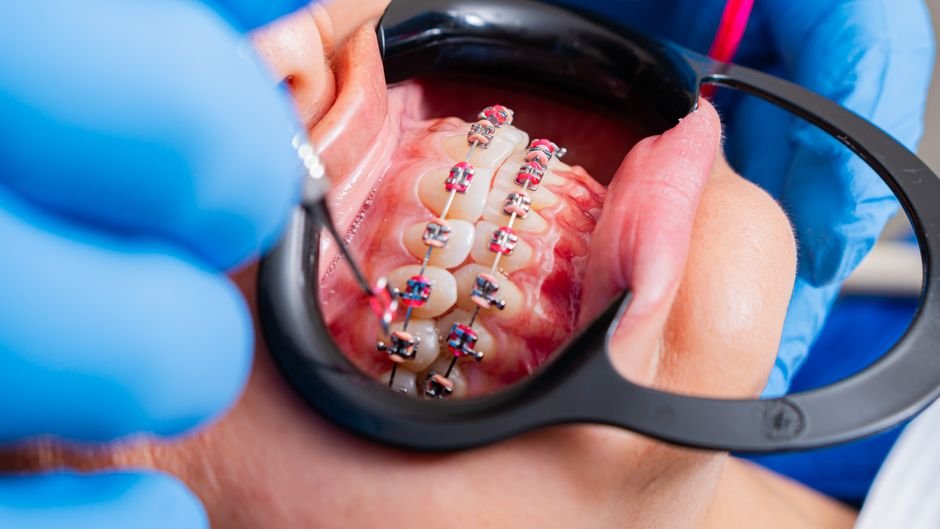
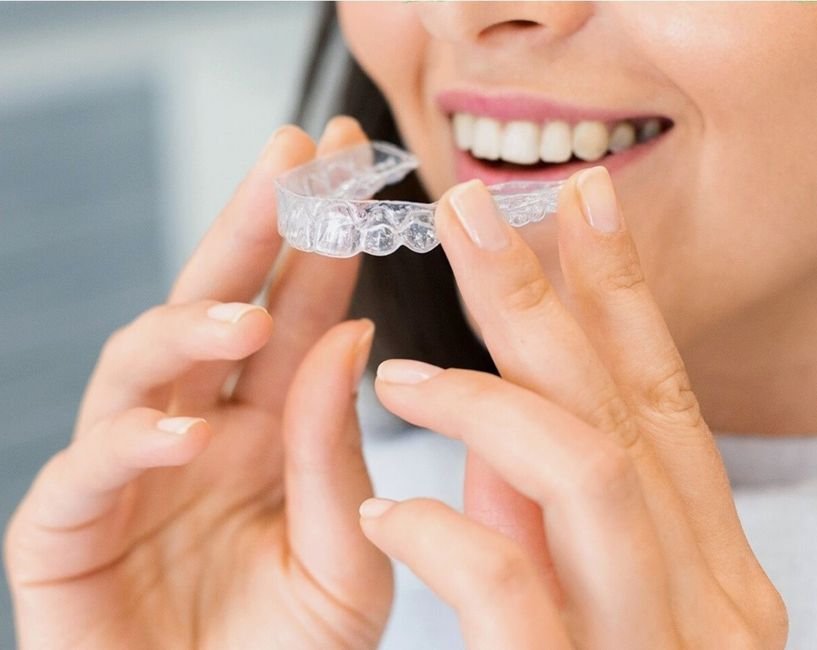
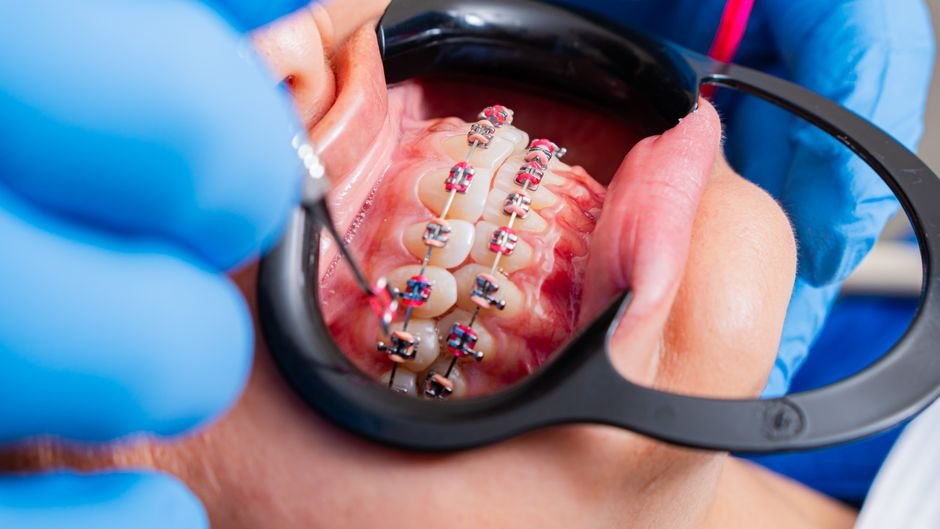
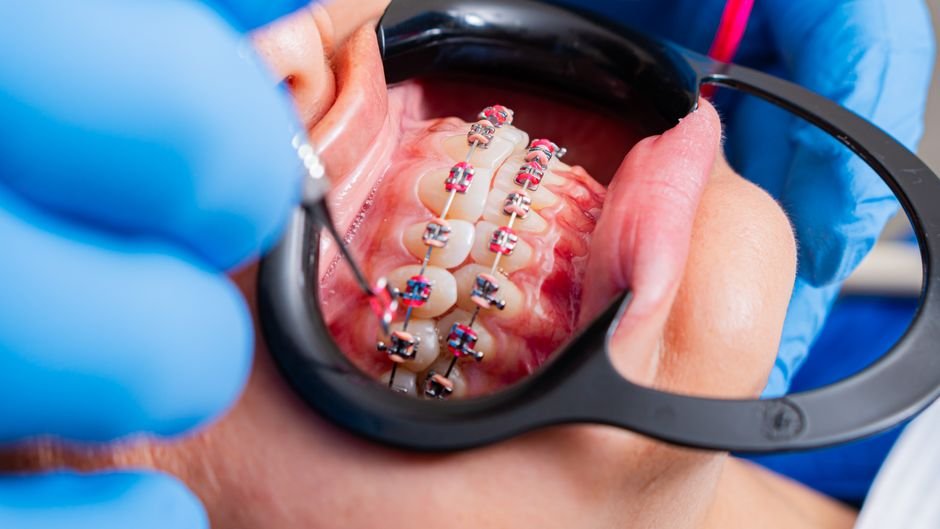
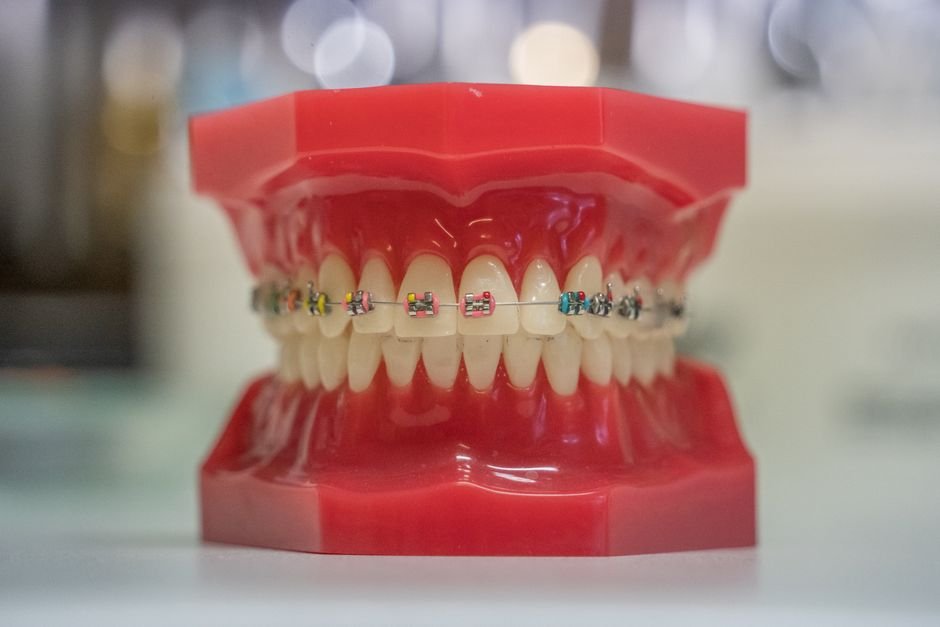
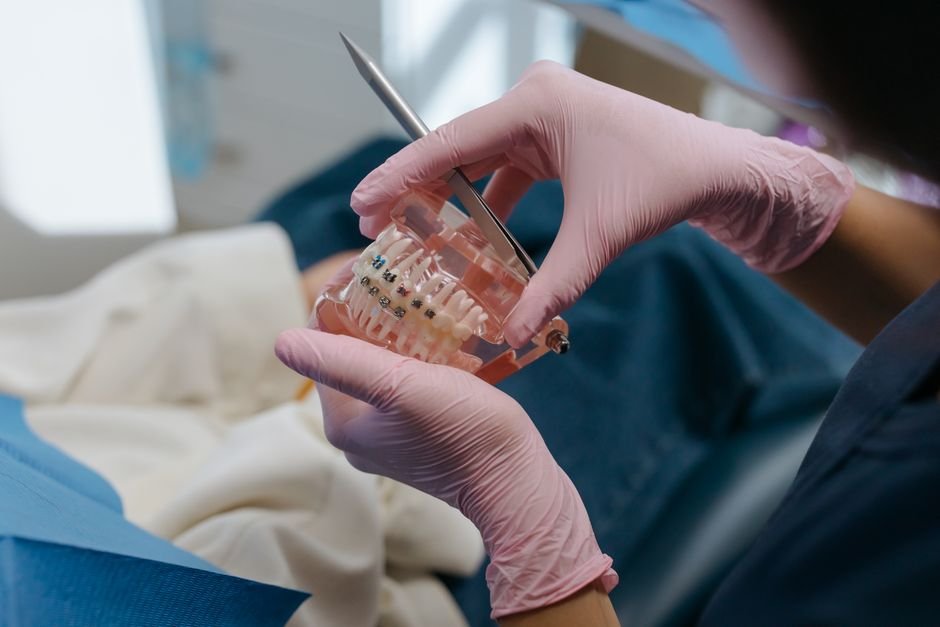
Fixed braces and clear aligners can both achieve similar results, but they sometimes suit different situations. Fixed appliances apply continuous force and can be very effective for complex rotations or bite corrections, while clear aligners rely on a series of removable trays that are changed every one to two weeks. For straightforward cases, aligners can work in a comparable timeframe to braces, but for more complex movements, a clinician may recommend a fixed appliance because it can apply certain forces more predictably.
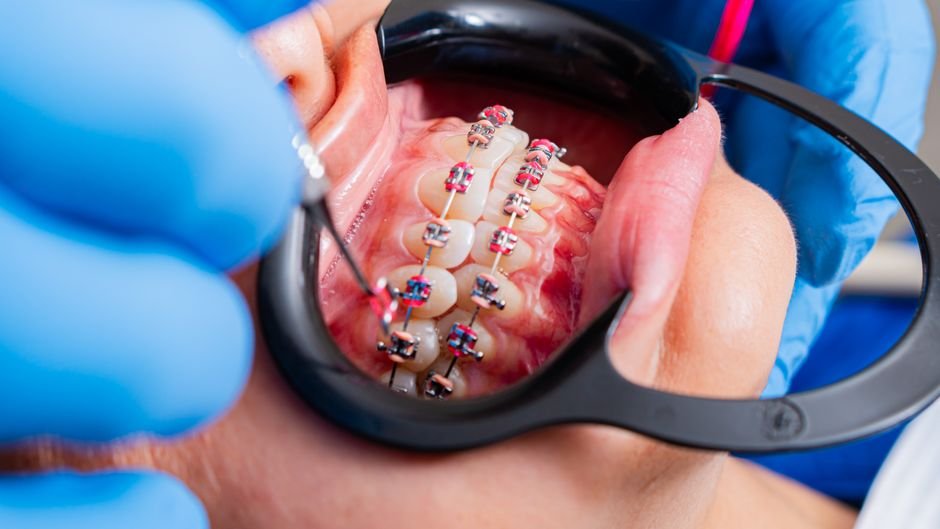
The appliance type also affects how easily a plan can be adjusted mid-course. Fixed braces are adjusted at in-person visits where wires or bands are changed, while aligners are often planned in batches using digital projections of tooth movement. If teeth do not move exactly as the digital plan predicted, additional trays or refinements may be needed, which can extend the overall timeline. Neither system is inherently faster in every case; the right choice depends on the specific alignment problem being treated.
How much does patient cooperation affect the schedule?
Orthodontic appliances only work as intended when they are used as prescribed. Removable aligners need to be worn for the recommended number of hours each day, and elastics, when prescribed, need to be changed and worn consistently to correct bite relationships. Skipping wear time, even for a few hours a day, can slow tooth movement or allow teeth to shift back slightly between check-ups, effectively undoing some of the progress made.
Missed or delayed review appointments can have a similar effect, since these visits are when a clinician checks progress and makes the next round of adjustments. A gap of several extra weeks between visits does not just add that time to the schedule; it can mean the teeth settle in a position that then needs correcting before treatment can move forward again. This is why consistent attendance and following instructions on wear time are two of the most controllable factors in keeping a treatment plan on schedule.
What role do review appointments play in adjusting the timeline?
Review appointments, usually spaced four to eight weeks apart, are where a clinician measures actual progress against the original plan. Teeth may move faster or slower than anticipated, bite relationships may improve ahead of schedule, or an unexpected issue such as a loose bracket may need attention. These visits allow the plan to be recalibrated in small increments rather than waiting until the end to discover the timeline needs to change.
During these appointments, wires may be replaced with ones that apply different forces, elastics may be adjusted, or new aligner trays may be issued. This staged approach means the treatment timeline is rarely set in stone from day one; it is more accurate to think of it as a living estimate that gets refined at every visit. Patients who ask questions at these appointments generally have a clearer understanding of why their treatment might be running slightly ahead of or behind the original estimate.
Why do some cases need a two-phase approach?
In some patients, particularly those whose jaws are still developing, treatment is split into two distinct phases separated by a period of monitoring. The first phase might focus on guiding jaw growth or creating space, while the second phase, sometimes beginning months or years later, focuses on aligning the individual teeth once more permanent teeth have come through. This approach is chosen when addressing the underlying skeletal relationship early is expected to make the second phase simpler.
A two-phase plan naturally extends the total calendar time from first appointment to final result, even though the amount of active appliance-wearing time may not be dramatically longer than a single-phase case. Clinicians weigh the benefits of earlier intervention against the added complexity of a longer overall journey. For patients or parents trying to understand a timeline, it helps to ask whether a plan is single-phase or two-phase, since this distinction significantly affects how the total duration should be interpreted.
What happens after the active treatment phase ends?
Once teeth have reached their planned positions, appliances are removed or treatment with aligners is completed, but the process is not entirely finished. Newly moved teeth sit in bone and gum tissue that is still adjusting, and they have a tendency to drift back toward their original positions if left unsupported. This is why a retention phase, usually involving a removable or fixed retainer, follows every active treatment plan.
Retention is often underestimated when people think about how long orthodontic treatment takes. While active movement might conclude within the originally estimated timeframe, retainers are frequently recommended for long-term or even indefinite wear, particularly at night, to maintain the result. Skipping this phase is one of the most common reasons results do not last, regardless of how well the active treatment phase went. A realistic view of the full timeline includes this maintenance period, not just the visible straightening stage.
How can patients get a realistic sense of their own timeline?
The most reliable way to understand an individual timeline is a thorough initial assessment that includes records such as photographs, scans or impressions, and X-rays. From this information, a clinician can identify which factors are likely to make treatment quicker or slower and communicate a realistic range rather than a single fixed number. Asking specifically what is driving the estimate, whether it is the amount of crowding, a bite correction, or jaw growth considerations, helps set accurate expectations from the outset.
It is also reasonable to ask how progress will be tracked and what would cause the plan to change. Understanding that timelines are estimates based on typical biological responses, rather than fixed contracts, helps patients approach check-ups with realistic expectations. Keeping open communication with the treating clinician throughout, especially if wear time has been inconsistent or discomfort has been an issue, allows the plan to be adjusted early rather than only being addressed once significant time has already passed.
Frequently Asked Questions
Why did my clinician give me a range instead of an exact number of months?
Tooth movement depends on biological processes that vary between individuals, so an exact figure cannot be guaranteed in advance. A range reflects realistic best-case and more cautious scenarios based on the complexity of the case, and the plan is refined at each review appointment as actual progress becomes clear.
Can treatment be sped up if I want faster results?
Tooth movement is limited by how quickly bone can remodel safely, so pushing forces beyond what is recommended increases the risk of root or gum damage rather than producing faster results. The most effective way to keep treatment on schedule is consistent wear of prescribed appliances and attending every review appointment.
Does age affect how long orthodontic treatment takes?
Age can influence timelines because jaw bone in younger patients tends to respond somewhat differently to gentle pressure than more mature bone. This does not mean treatment is impossible at any age, but it is one of several factors a clinician considers when estimating how a particular case is likely to progress.
What happens if I miss several review appointments in a row?
Review appointments are when adjustments are made to keep treatment progressing as planned. Missing several in a row can allow teeth to settle in an intermediate position, which may need to be corrected before the plan can move forward, potentially adding time to the overall course of treatment.
Is the timeline finished once my braces or aligners are removed?
Removing an active appliance marks the end of the moving phase, but a retention period follows to help teeth stay in their new positions while surrounding bone and gum tissue stabilise. Wearing retainers as recommended is an essential part of the overall timeline, not an optional extra step.

Matthew is a dental content writer passionate about helping readers understand their oral health, one article at a time.