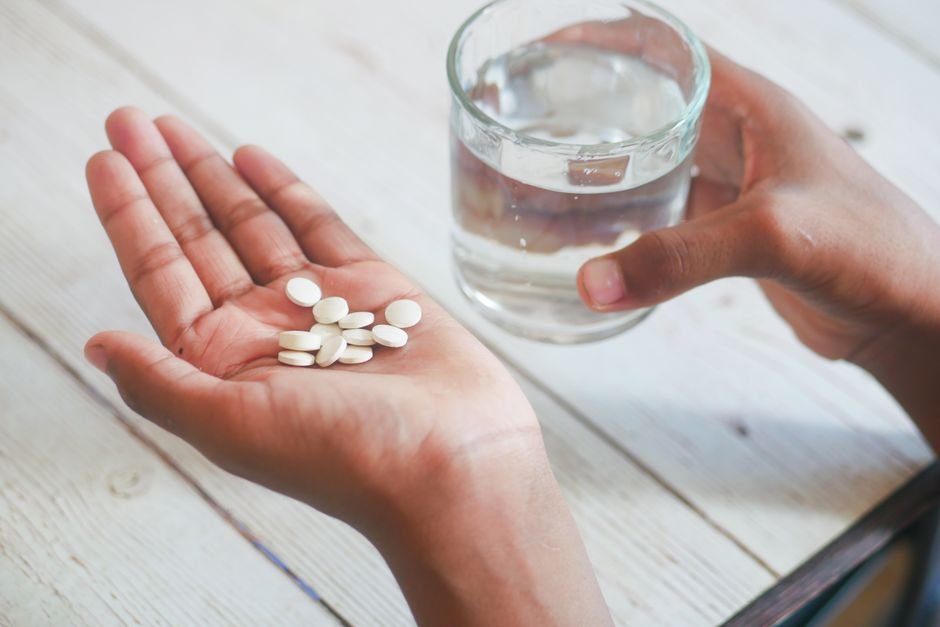
Drinking enough water throughout the day is one of the simplest habits you can build to support a healthier mouth, because it helps rinse away food debris, keeps your mouth from feeling dry and uncomfortable, and gives you a low-sugar alternative to drinks that can be harder on your teeth. It will not replace brushing or flossing, but it works quietly alongside them as a habit that costs nothing and takes almost no extra time to build.
Key takeaways
- Regular water intake is a simple, low-effort habit that complements brushing and flossing rather than replacing them.
- Water helps rinse loose food particles between meals, which can reduce how much debris sits on the teeth and gums.
- Choosing water over sugary or acidic drinks for everyday sipping is generally a mouth-friendlier habit.
- Small routines, such as carrying a water bottle or drinking with meals, make consistent hydration easier to maintain.
- People who are more active or in warmer conditions may benefit from paying closer attention to how often they drink water.
How does drinking water fit into a daily oral care routine?
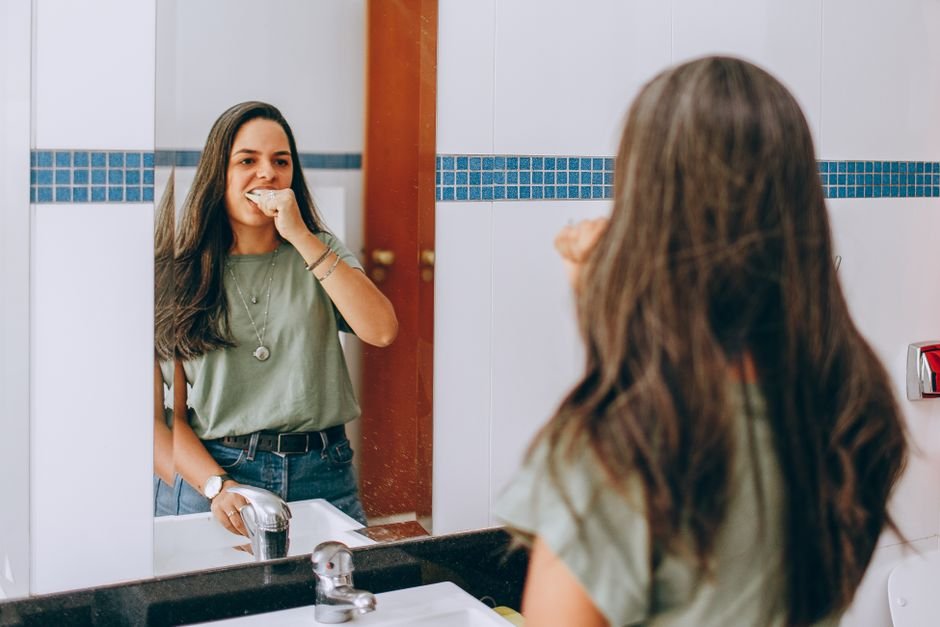
A daily oral care routine is usually built around a handful of anchor habits: brushing twice a day, flossing once a day, and perhaps using a mouth rinse. Water fits into this picture as a background habit rather than a scheduled task. Sipping water throughout the day does not need its own slot on a checklist; it happens naturally between meals, during work or study, and around exercise. Because it requires so little planning, it is one of the easiest habits to slot in alongside the routines you already practise.
Thinking of hydration as part of your oral care routine, rather than a separate lifestyle habit, can help it stick. For example, some people keep a glass of water on the bathroom counter and finish it while getting ready in the morning or before bed. Others treat a water bottle as part of their daily kit, alongside a toothbrush and floss. Framing water this way turns it into a habit that supports your mouth throughout the day, not just at the two moments you actively clean your teeth.
Water or other drinks: which is better for your mouth?
Not all drinks affect the mouth in the same way. Plain water has no sugar and is generally neutral, which makes it a comfortable default for regular sipping throughout the day. Sugary drinks, including soft drinks, sweetened juices, and flavoured beverages, provide fuel that bacteria in the mouth can use, and many are also acidic. Drinking these regularly, especially by sipping slowly over long periods, keeps the mouth exposed to sugar and acid for longer than drinking the same beverage quickly with a meal.
This does not mean other drinks need to disappear from your day entirely. It is more useful to think about balance: water as the everyday default, with other beverages enjoyed more occasionally and ideally alongside meals rather than sipped continuously. Swapping just one or two sugary drinks a day for water is a manageable change that many people find easy to sustain, and it reduces the overall time your teeth spend in contact with sugar or acid.
How does hydration help rinse away food particles between brushings?
Between brushing sessions, small food particles can linger around the teeth and along the gumline, particularly after meals or snacks. Drinking water after eating helps move some of this loose debris away from the tooth surfaces before it has a chance to sit for hours. While this is not a substitute for brushing or flossing, it is a helpful stopgap during the many hours of the day when you are not actively cleaning your teeth, such as at work, while travelling, or between meals.
This habit is especially useful after meals when brushing is not immediately possible. A simple swish of water after eating, followed by swallowing or spitting it out, can help clear away obvious food residue and freshen the mouth in the short term. It is a small, practical action that takes seconds and fits easily into everyday life, making it a sensible bridge between the times you brush.
How do habits like carrying a water bottle or drinking with meals support the mouth?
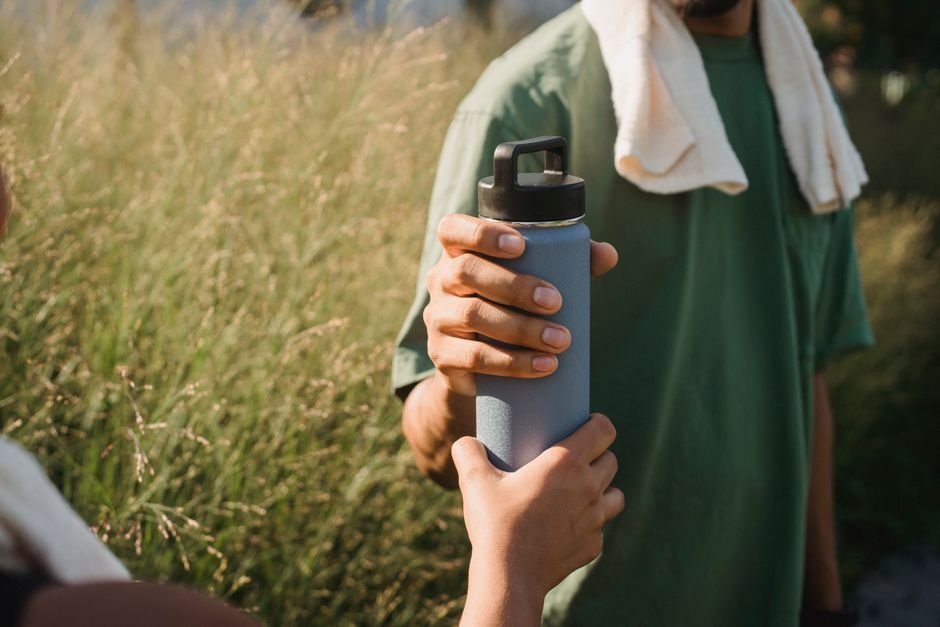
Small environmental habits often have an outsized effect on consistency. Carrying a reusable water bottle means water is always within reach, which makes sipping throughout the day an easy default rather than something you have to remember to seek out. People who keep water visible and accessible, whether at a desk, in a bag, or in the car, tend to drink more of it simply because the barrier to doing so is so low.
Drinking water alongside meals is another habit worth building. It helps with chewing and swallowing comfortably, and it gives the mouth a natural rinse as the meal finishes, rather than leaving food residue to sit undisturbed until the next brushing. Pairing water with meals and snacks, rather than reaching for a sugary drink, is a straightforward routine that reinforces itself over time and requires very little conscious effort once established.
Can staying hydrated help with fresh breath?
A dry mouth is often linked to breath that feels less fresh, because reduced moisture allows food particles and bacteria to build up more noticeably on the tongue, teeth, and gums. Staying hydrated helps keep the mouth comfortably moist throughout the day, which can make a noticeable difference to how fresh your breath feels, particularly during long meetings, after waking up, or during periods when you have been talking a lot.
This is one of the more immediate, day-to-day benefits people notice from building a consistent water habit. Rather than reaching for mints or chewing gum as a quick fix, drinking water addresses one of the underlying contributors to a dry, less fresh-feeling mouth. It is a habit worth building into moments when breath freshness matters most, such as before meetings, after long periods of talking, or first thing in the morning.
Does hydration matter more for active people or those in hot climates?
People who exercise regularly or spend time in warm conditions lose fluid more quickly through sweat and breathing, which can leave the mouth feeling drier than usual if water intake does not keep pace. A drier mouth during or after activity can feel uncomfortable and may make the mouth feel less fresh. Paying closer attention to water intake around exercise or during hot weather is a sensible habit adjustment for anyone in these situations.
Practical steps make this easier to manage. Carrying water during exercise, taking regular sips rather than waiting until you feel very thirsty, and increasing intake gradually during hot weather are all simple adjustments. These habits support overall hydration first and foremost, with a comfortably moist mouth as a welcome side effect. Anyone who is regularly active or often in warm environments may find it worth building a slightly more deliberate hydration habit than they would otherwise.
What are some simple ways to build a consistent water-drinking habit?
Building a consistent habit works best when it is attached to existing routines rather than treated as an entirely new task to remember. Drinking a glass of water upon waking, keeping a bottle at your desk, or having water with every meal are all small anchors that make the habit close to automatic. Setting a reminder on a phone or using a marked water bottle can also help during the early weeks while the habit is still forming.
Consistency matters more than large volumes at any single moment. Spreading water intake evenly across the day, rather than drinking a large amount all at once, tends to feel more comfortable and is easier to sustain. Pairing water with things you already do multiple times a day, such as sitting down at your desk or finishing a meal, is one of the most reliable ways to make the habit stick over the long term.
Where does hydration fit alongside brushing and flossing as part of a broader routine?
Brushing and flossing remain the core of any oral care routine, directly removing plaque and food debris from the tooth surfaces and between the teeth in a way that drinking water cannot replicate. Hydration should be thought of as a supporting habit that fills the gaps between these more active cleaning steps, helping to keep the mouth comfortable and reducing the amount of loose debris sitting around during the hours between brushings.
Viewed this way, a well-rounded routine has several layers working together: brushing twice a day, flossing daily, choosing mouth-friendly drinks, and staying consistently hydrated throughout the day. None of these steps needs to be complicated, and none of them replaces the others. Building hydration in as one more layer, alongside the habits you already have, is a straightforward way to support a healthier mouth over time.
Frequently Asked Questions
How much water should I drink for good oral health?
There is no single figure that suits everyone, since needs vary with body size, activity level, and climate. A practical approach is to drink water regularly throughout the day rather than focusing on one large amount, using thirst as a general guide and increasing intake during exercise or hot weather.
Can drinking water replace brushing my teeth?
No. Water can help rinse away loose food particles and keep the mouth comfortably moist, but it does not remove plaque from tooth surfaces the way brushing does. It works best as a supporting habit alongside regular brushing and flossing, not as a substitute for them.
Is sparkling water as good as still water for the mouth?
Plain sparkling water without added sugar or flavouring is a reasonable alternative to still water for most people. Some flavoured or sweetened sparkling waters are more acidic or contain sugar, so checking the label and favouring plain versions is a sensible everyday habit.
Should I drink water right after eating?
Drinking water after a meal is a useful habit, as it can help move loose food particles away from the teeth and gums before they sit for an extended period. It is a helpful addition between meals and brushing sessions, particularly when brushing straight away is not practical.
Does the temperature of the water I drink matter for my mouth?
For most people, whether water is cold, room temperature, or warm makes little difference to its general benefits for the mouth. Personal comfort and preference are usually the main factors, so choosing whichever temperature encourages you to drink water consistently is the most practical approach.

Matthew is a dental content writer passionate about helping readers understand their oral health, one article at a time.