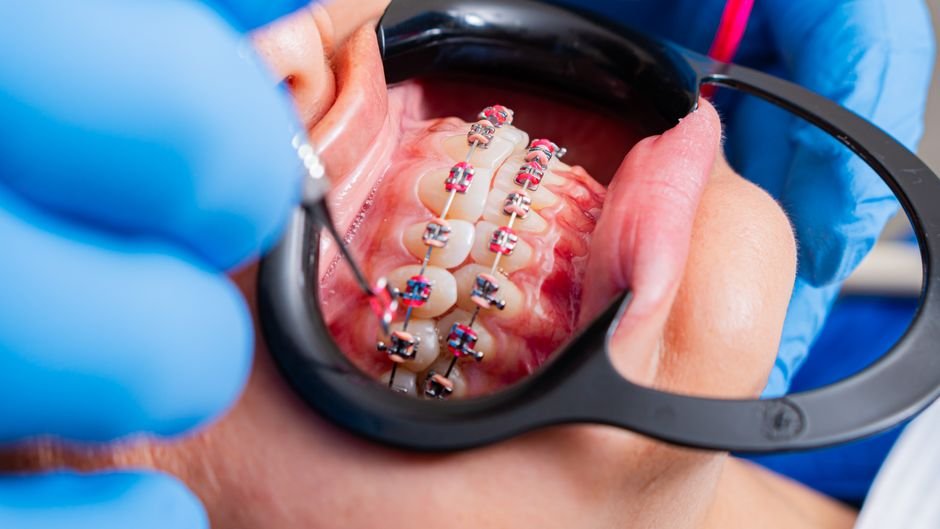
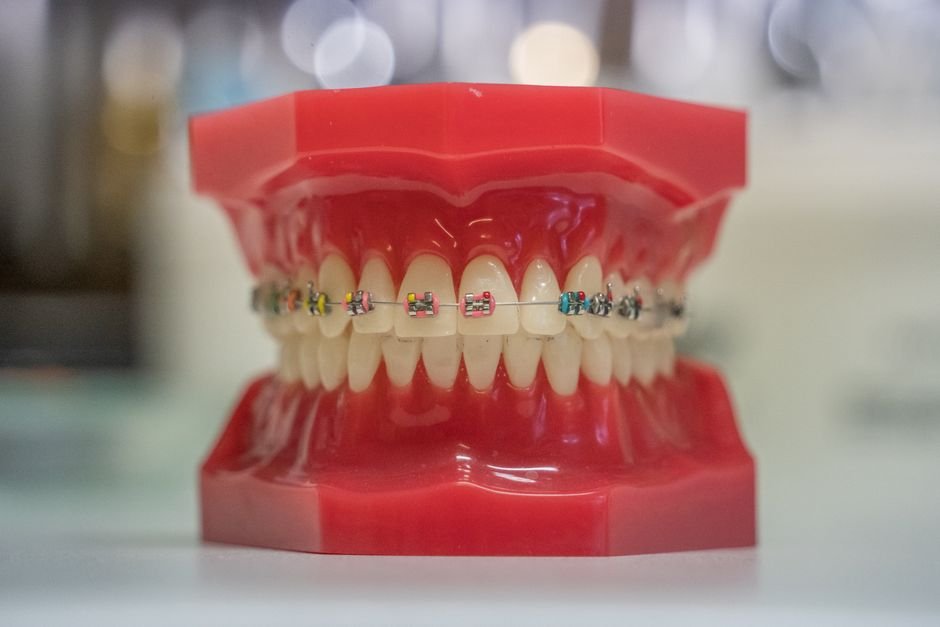
What you eat during orthodontic treatment directly affects how quickly your teeth move, how often appliances break, and how healthy your gums stay along the way. Braces and aligners rely on steady, gentle pressure to reposition teeth, and anything that disrupts that pressure, damages the appliance, or inflames the gums can slow progress or extend treatment time. Choosing softer, lower-sugar, less sticky foods, and being mindful of habits like chewing ice or biting into hard items, keeps treatment on schedule and protects the results you are working towards.
Key takeaways
- Sticky, hard, and chewy foods can bend wires, loosen brackets, or crack aligners, leading to delays and extra appointments.
- Frequent sugar and acid exposure raises the risk of decalcification and cavities around brackets, which can complicate treatment.
- Adequate calcium, vitamin D, and protein support healthy bone remodelling, which is essential for teeth to move efficiently.
- Softer foods are especially important for the first few days after adjustments, when teeth are most tender.
- Staying well hydrated and rinsing after meals helps prevent plaque build-up around brackets and aligner trays.
Why Does Diet Play Such a Large Role in Orthodontic Success?
Orthodontic treatment works by applying continuous, controlled force to teeth so that the surrounding bone reshapes itself over time, allowing teeth to shift into a straighter position. This is a biological process that depends on the health of the gums, the bone, and the ligaments holding each tooth in place. Diet influences every part of that system, from the nutrients available for bone remodelling to the physical forces placed on appliances during chewing. When the diet works against treatment, either through damaging foods or poor nutrition, the process can slow down considerably.
Beyond the biological side, diet also affects the practical mechanics of treatment. Brackets, wires, bands, and aligner trays are all vulnerable to certain foods and habits. A single hard bite can dislodge a bracket or crack a tray, and repeated damage means repeated repairs. Each unplanned visit to fix a broken appliance can add time to the overall treatment plan, which is why orthodontic teams consistently emphasise dietary care as a core part of the process rather than an optional extra.
Which Foods Are Most Likely to Damage Braces or Aligners?
Hard foods are one of the biggest risks for anyone wearing fixed braces. Items such as hard sweets, nuts, ice, crusty bread, and raw vegetables that have not been cut into small pieces can bend wires or snap brackets away from the tooth surface. Chewy or sticky foods, including caramel, toffee, chewing gum, and dried fruit, pose a similar risk because they can pull at brackets or wrap around wires, making appliances difficult to clean and prone to loosening.
For people using clear aligners, the concerns shift slightly but remain significant. Aligners themselves are not typically damaged by food because they are removed before eating, but the discipline of removing and correctly reinserting them after every meal or snack is essential. Eating or drinking anything other than water while wearing aligners can warp the plastic with heat, stain the trays, or trap food particles against the teeth, increasing the risk of decay that can ultimately interrupt treatment.
What Foods Are Safe and Encouraged During Orthodontic Treatment?
Soft, easy-to-chew foods are generally the safest choice throughout treatment, particularly in the days following an adjustment or a new set of aligner trays. Options such as yoghurt, scrambled eggs, mashed potatoes, soft-cooked vegetables, pasta, soups, and smoothies provide nourishment without placing excessive strain on teeth that are already sensitive from recent movement. These foods are gentle on brackets and wires while still supplying the energy and nutrients needed for daily activities.
Fruits and vegetables remain important throughout treatment, but preparation matters. Cutting apples, carrots, and other firm produce into small, manageable pieces rather than biting directly into them reduces strain on the front teeth and appliances. Lean proteins such as fish, poultry, and legumes are easy to chew when cooked until tender, and dairy products offer calcium that supports the bone remodelling process central to tooth movement, making them a consistently sensible choice.
Can Poor Nutrition Actually Slow Down Tooth Movement?
Tooth movement depends on a biological cycle in which bone is broken down on one side of the tooth and rebuilt on the other, allowing the tooth to glide gradually through the jaw. This remodelling process relies on adequate calcium, vitamin D, and protein, along with a range of supporting vitamins and minerals. When the diet consistently lacks these nutrients, the bone remodelling cycle can become less efficient, meaning teeth may respond more slowly to the forces being applied by braces or aligners.
Vitamin D in particular plays a central role because it helps the body absorb and use calcium effectively. Without sufficient vitamin D, even a diet that appears calcium-rich may not translate into strong, responsive bone activity. Protein is equally important, since it supports the soft tissue and ligament repair that occurs constantly during orthodontic movement. A generally balanced diet, rather than any single food, is what best supports steady and predictable progress throughout the treatment timeline.
How Do Sugary and Acidic Foods Affect Treatment Outcomes?
Sugary foods and drinks feed the bacteria that form plaque, and plaque that builds up around brackets or beneath aligner trays is much harder to remove than plaque on smooth, uncovered teeth. Over time, this can lead to decalcification, which appears as permanent white or discoloured patches on the enamel once the appliance is removed. In more advanced cases, ongoing sugar exposure can lead to cavities, and treating those cavities may require pausing or adjusting the orthodontic plan.
Acidic foods and drinks, including citrus fruits, fizzy drinks, and some sports drinks, soften enamel temporarily and make it more vulnerable to wear and staining. Frequent sipping throughout the day is often more damaging than eating the same food in one sitting, because it keeps the mouth in an acidic state for longer. Rinsing with water after acidic or sugary foods, and waiting before brushing, helps protect enamel that is already working hard to support tooth movement.
What Should People With Clear Aligners Keep in Mind About Eating?
Clear aligner treatment introduces a different set of habits compared with fixed braces, since the trays must be removed before eating or drinking anything besides water. This means there is less risk of physically damaging the appliance with hard or sticky foods, but it places more responsibility on the wearer to maintain discipline around removal and reinsertion. Skipping this step, even for a quick snack, can warp the tray with warm liquids or trap sugars and acids against the teeth.
Wear time is central to aligner success, and eating habits directly influence it. Aligners typically need to be worn for around twenty to twenty-two hours a day to keep treatment on schedule, so frequent snacking that requires repeated removal can quietly erode that total. Planning meals and snacks at set times, rather than grazing throughout the day, makes it far easier to hit the recommended wear time while still enjoying a varied and satisfying diet.
Why Is Diet Especially Important Right After an Adjustment?
The days immediately following a wire adjustment, a new archwire, or a fresh set of aligner trays are usually when teeth feel the most tender, since this is when the applied force is at its strongest. Chewing firm or hard foods during this window can be uncomfortable and may also place unnecessary extra stress on teeth that are already responding to pressure, potentially disrupting the smooth, gradual movement the treatment is designed to achieve.
Switching temporarily to soft foods such as soups, porridge, mashed vegetables, and smoothies during this sensitive period allows teeth to settle into their new position more comfortably. This is also a useful time to focus on nutrient-dense options, since the body is actively engaged in the bone remodelling process. Once tenderness eases, usually within a few days, a wider range of appropriately prepared foods can be reintroduced without difficulty.
How Does Diet Support Oral Hygiene Throughout Treatment?
Good nutrition and good oral hygiene work together during orthodontic treatment, and diet plays a direct role in how easy it is to keep the mouth clean. Foods that are lower in sugar and free from sticky residue leave less debris trapped around brackets, wires, and aligner trays, which reduces the daily cleaning burden and lowers the risk of plaque accumulating in places that are already difficult to reach with a toothbrush.
Crunchy fruits and vegetables, when cut into manageable pieces, can also have a mild cleansing effect on the tooth surface as they are chewed, though they are never a substitute for brushing and interdental cleaning. Staying well hydrated supports saliva production, and saliva is one of the mouth’s natural defences against plaque and acid, helping to neutralise the effects of meals and protect enamel throughout the entire course of treatment.
Frequently Asked Questions
Can eating the wrong foods actually lengthen orthodontic treatment time?
Yes. Foods that damage brackets, wires, or aligner trays often require unplanned repair visits, and each repair can add extra weeks to the overall treatment timeline. Poor nutrition can also slow the bone remodelling process that allows teeth to move, further extending treatment beyond the original estimate.
Is it necessary to avoid all crunchy fruits and vegetables with braces?
Not entirely. Firm produce such as apples and carrots can usually still be eaten if cut into small, bite-sized pieces rather than bitten into directly. This reduces pressure on the front teeth and appliances while still allowing these nutritious foods to remain part of a balanced diet.
Why do orthodontists recommend removing aligners before every meal?
Aligner trays are made from a thermoplastic material that can warp when exposed to warm food or drink, which affects how well they fit. Eating with aligners in place can also trap food and sugars against the teeth, increasing the risk of decay and staining the trays.
What should someone eat in the first few days after getting braces tightened?
Soft foods such as soups, yoghurt, mashed vegetables, scrambled eggs, and smoothies are ideal in the days following an adjustment, when teeth tend to feel tender. These options provide nourishment without requiring heavy chewing, allowing teeth to adjust to the new pressure comfortably.
Does drinking sugary or fizzy drinks really make a noticeable difference during treatment?
Yes. Frequent exposure to sugary or fizzy drinks feeds the bacteria that cause plaque and softens enamel through acid exposure, both of which are harder to manage around brackets and aligner trays. Limiting these drinks and rinsing with water afterwards helps protect the teeth throughout treatment.

Matthew is a dental content writer passionate about helping readers understand their oral health, one article at a time.