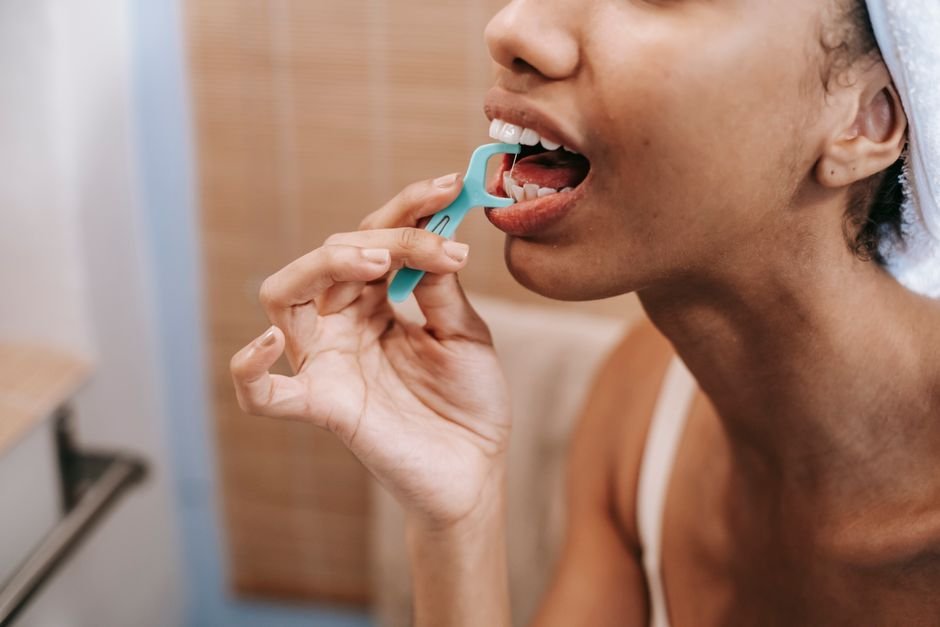
A strong family oral health routine works best when it is shared, visible, and simple enough that nobody has an excuse to skip it. Brushing twice daily, flossing once a day, limiting sugary snacks between meals, and keeping regular check-ups on the calendar form the backbone of good habits for every age group. The families who keep healthy mouths long-term are rarely the ones with the fanciest toothbrushes; they are the ones who make oral care a normal, unremarkable part of the day, the same way meals or bedtime are non-negotiable.
Key takeaways
- Shared routines, such as brushing together as a family, make consistency easier for children and adults alike.
- Supervision of brushing should continue well past the toddler years, not just during the first few years of teeth.
- Diet and snacking patterns influence oral health as much as brushing technique does.
- Every family member, regardless of age, benefits from a scheduled dental check-up rather than waiting for pain.
- Oral care habits should evolve as children grow, particularly around independence and orthodontic needs.
Why Should Oral Health Be a Family Routine, Not Just an Individual One?
Oral health habits are learned largely through observation. When children see parents or older siblings brushing, flossing, and attending dental visits without fuss, they absorb the idea that these actions are simply part of daily life rather than a chore imposed on them alone. A household where oral care is treated as a shared ritual, rather than a private task each person handles separately, tends to produce more consistent habits across every generation living under one roof.
Treating oral health as a family matter also creates natural accountability. A parent who brushes alongside a young child is more likely to notice if their own habits have slipped, and an older sibling modelling good flossing technique often does more to influence a younger one than repeated reminders ever could. This collective approach reduces the sense that oral care is a solitary obligation and instead frames it as something the whole household values and does together.
When Should Children Start Brushing Their Teeth?
Oral care should begin before the first tooth even appears. Wiping an infant’s gums gently with a clean, damp cloth after feeds helps remove bacteria and gets babies accustomed to having their mouth touched, which makes the transition to brushing far smoother. Once the first tooth emerges, a soft, small-headed toothbrush designed for infants should be introduced, along with a rice-grain-sized smear of fluoride toothpaste appropriate for the child’s age.
As more teeth come through, brushing twice a day becomes the standard, with a pea-sized amount of toothpaste once a child is old enough to spit rather than swallow. Parents should continue to brush for young children, or at least supervise closely, because the fine motor skills needed to clean every surface properly do not typically develop until around seven or eight years of age. Rushing this handover too early is one of the most common reasons cavities appear in primary teeth.
How Can Parents Make Brushing a Habit Kids Actually Enjoy?
Turning brushing into a fixed point in the daily schedule, rather than an optional extra, removes much of the negotiation that frustrates both parents and children. Anchoring it to another reliable routine, such as straight after breakfast and straight after the last snack before bed, helps the habit stick because it is tied to something that already happens every day without fail. Timers, songs, or brushing apps that run for two minutes can also make the process feel less like a chore and more like a small daily game.
Letting children choose their own toothbrush, within reason, gives them a small sense of ownership over the routine, which often increases cooperation. Praise for effort, rather than criticism for missed spots, keeps the experience positive, and framing brushing as something that keeps their smile strong and comfortable, rather than something done purely to avoid a scolding, builds a healthier long-term relationship with dental care.
What Role Does Diet Play in a Family’s Oral Health?
Frequent snacking on sugary or starchy foods throughout the day is often more damaging to teeth than the occasional treat, because it keeps the mouth in an acidic state for longer periods. Every time sugar is consumed, bacteria in plaque produce acid that attacks tooth enamel for around twenty to thirty minutes afterwards. A family that grazes constantly on biscuits, crisps, or sweetened drinks gives teeth far less recovery time than one that limits sugary items to mealtimes.
Water should be the default drink between meals for every family member, since it does not feed the bacteria responsible for decay and helps rinse away food particles. Cheese, plain yoghurt, vegetables, and nuts make sensible snack choices because they are less likely to stick to teeth and, in some cases, actively help neutralise acid in the mouth. Building these choices into the household’s normal shopping and meal planning removes the daily battle over what counts as an acceptable snack.
How Often Should the Whole Family Visit the Dentist?
A check-up roughly every six months is the general guideline for most people, though some individuals with a higher risk of decay or gum disease may be advised to attend more frequently. Rather than each family member booking separately whenever a problem arises, many households find it easier to schedule everyone’s check-ups around the same period, which reduces the mental load of tracking multiple appointments and reinforces the idea that dental visits are routine rather than reactive.
Children benefit enormously from early, low-pressure exposure to the dental setting, ideally starting once their first teeth appear or by their first birthday. A child who attends regular check-ups from an early age, even before any treatment is needed, tends to develop far less anxiety about dental visits than one whose first appointment coincides with pain or an urgent problem. Regular visits also allow a dental professional to catch small issues early, before they become larger and more uncomfortable to treat.
What Should a Family Oral Care Kit Include?
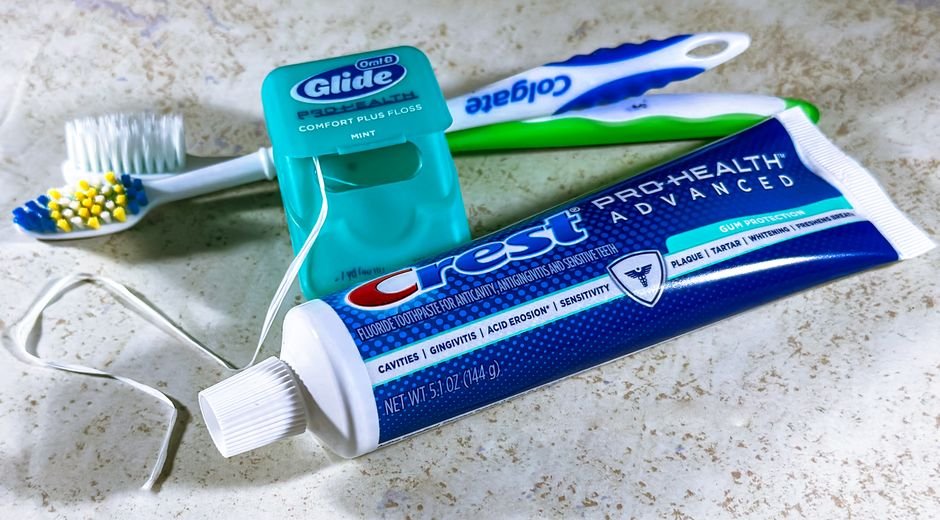
A well-stocked household should have a soft-bristled toothbrush for each family member, replaced roughly every three months or sooner if the bristles look frayed. Fluoride toothpaste suited to each person’s age, floss or interdental brushes, and a fluoride mouth rinse for those old enough to use one safely round out the essentials. Keeping spares on hand, rather than waiting until a brush wears out completely, makes it easier to maintain the habit without interruption.
A small mirror kept near the sink can help children and adults alike check their own brushing coverage, particularly around the back molars and along the gumline, which are the areas most commonly missed. A simple family chart or checklist on the bathroom wall can also help younger children track their own brushing and flossing, turning consistency into something visible and rewarding rather than an invisible expectation.
How Can Families Manage Dental Anxiety Together?
Dental anxiety often has roots in childhood, and the language used around dental visits at home has a real influence on how a child feels before they even sit in the chair. Avoiding words like “pain,” “hurt,” or “injection” in favour of neutral, factual descriptions of what will happen helps prevent unnecessary fear from being planted before an appointment even occurs. Parents who are visibly calm and matter-of-fact about their own appointments tend to pass that same composure on to their children.
Role-playing a dental visit at home, using a soft-bristled brush to “count” a stuffed toy’s teeth, can familiarise very young children with the idea of someone else looking inside their mouth. For older children or adults with more established anxiety, discussing concerns openly with the dental team beforehand, agreeing on a signal to pause during treatment, and scheduling appointments at a calmer time of day can all make a meaningful difference to how manageable the experience feels.
What Oral Health Habits Should Change as Children Grow Into Teenagers?
As children move into their teenage years, independence naturally increases, but this is exactly the period when supervision of brushing quality often disappears too soon. Teenagers are also more likely to consume sugary drinks, snack irregularly due to busy schedules, and, in some cases, begin habits such as vaping or piercings that can affect oral tissue. Keeping open conversations going about these choices, rather than assuming habits formed in early childhood will simply continue unattended, helps maintain consistency through this transitional stage.
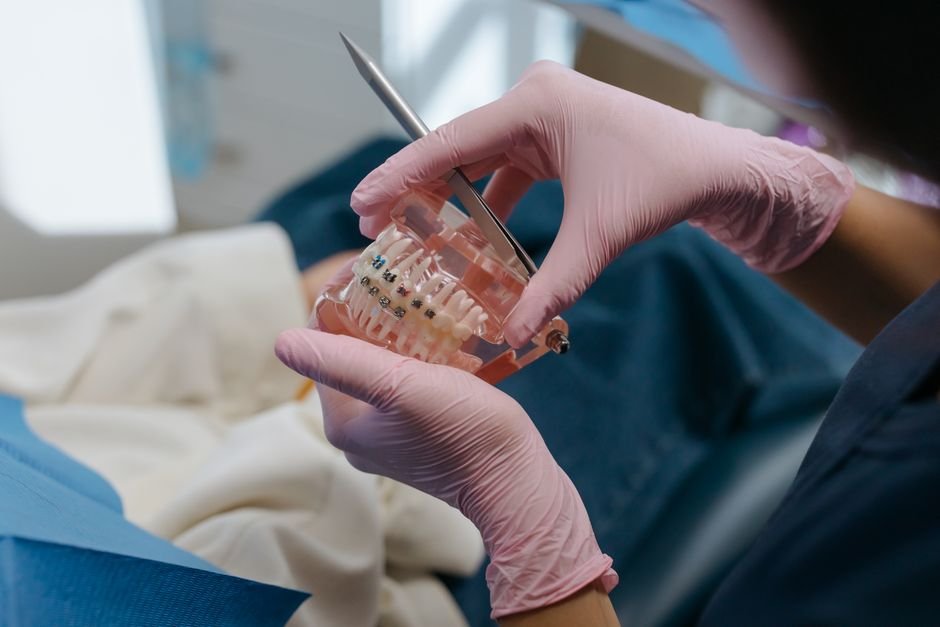
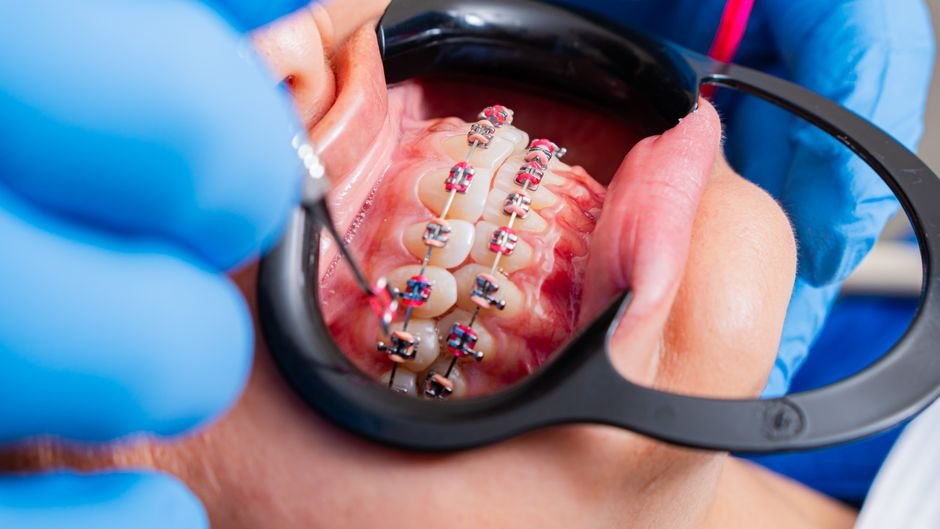
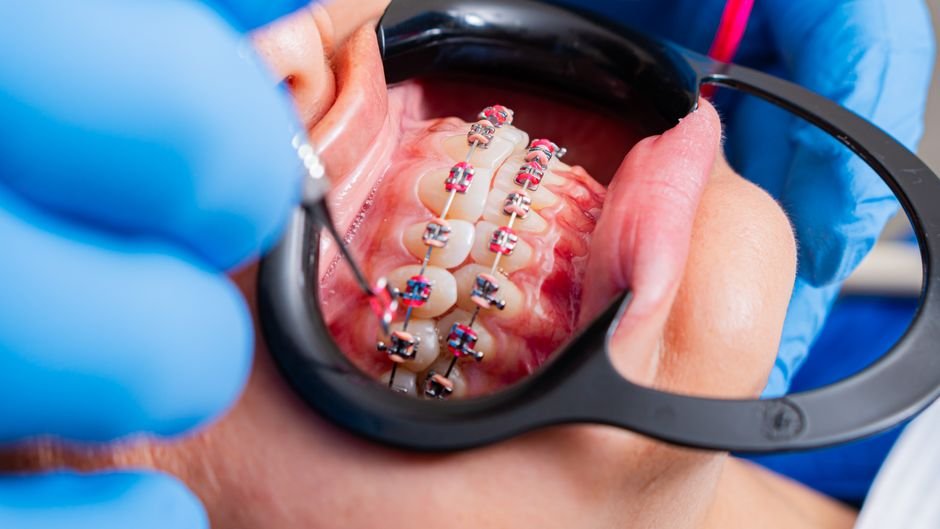
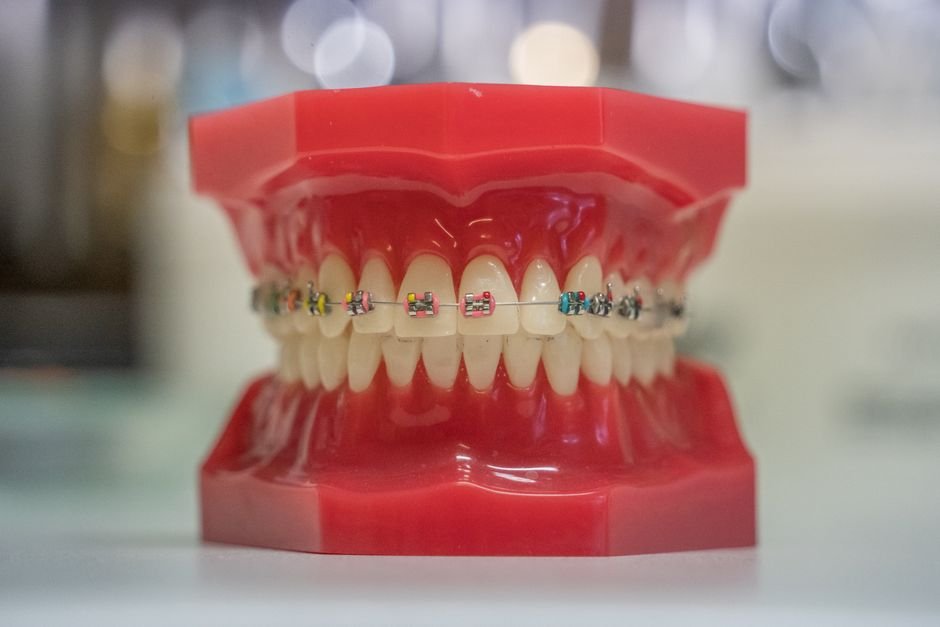
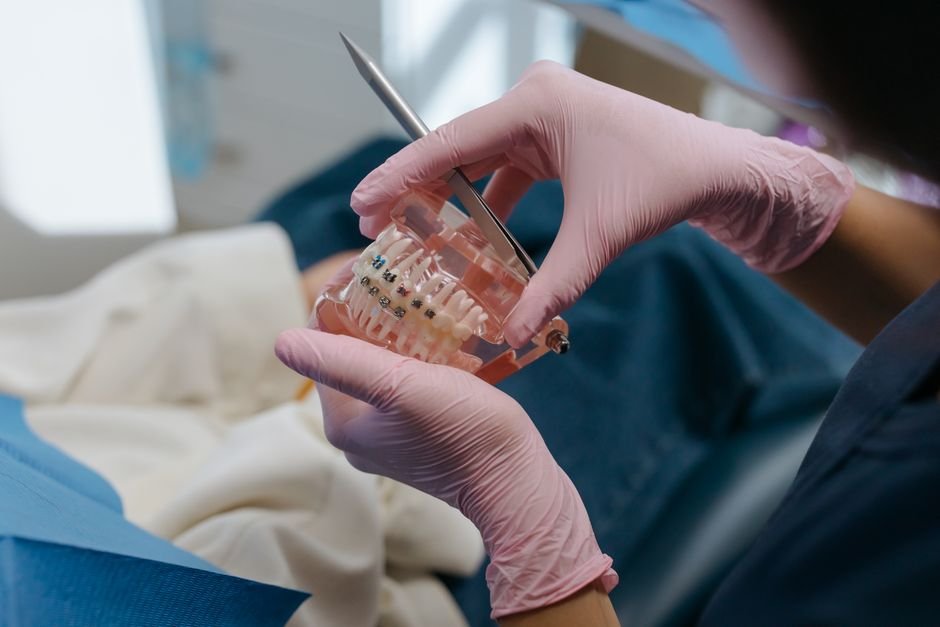
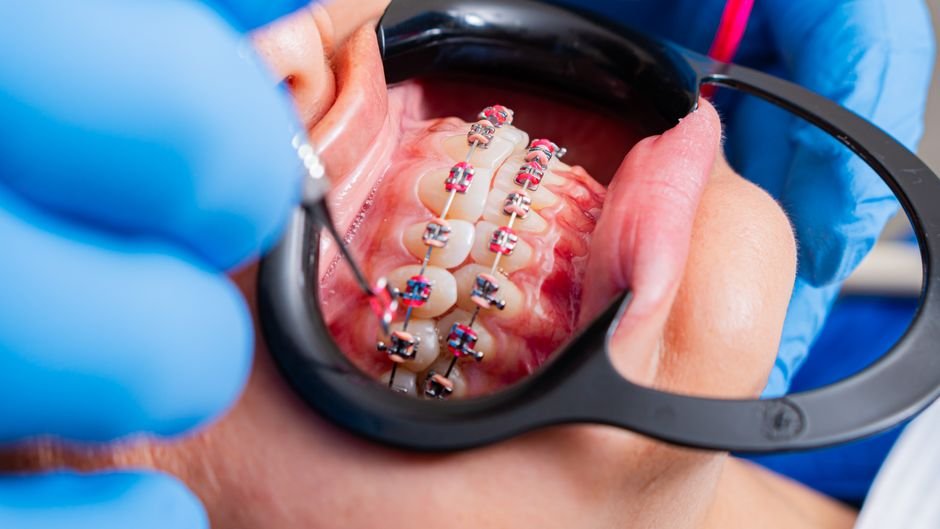
Orthodontic needs frequently emerge or become more noticeable during the teenage years, and keeping up with any recommended braces, retainers, or aligner care becomes an additional layer of daily routine. Encouraging teenagers to take ownership of their own oral care, while still checking in periodically, strikes a useful balance between fostering independence and ensuring habits do not quietly slip during a period of significant change.
How Can Grandparents and Older Family Members Maintain Oral Health?
Oral health needs shift again in later life, and older family members often face different challenges, including drier mouths from certain medications, receding gums, or the presence of dentures, bridges, or implants that require specific cleaning routines. Family members can play a supportive role by checking in on whether an older relative is managing their oral care comfortably, particularly if arthritis or reduced dexterity makes holding a standard toothbrush more difficult.
Electric toothbrushes with wider handles, floss holders, or water flossers can make daily care considerably easier for those with limited grip strength or mobility. Denture wearers should be reminded that gums and any remaining natural teeth still need daily cleaning, and that dentures themselves require regular removal, brushing, and soaking rather than being treated as a permanent fixture that needs no attention.
Frequently Asked Questions
At what age should a family start scheduling children’s dental check-ups?
Most guidance suggests bringing a child in for their first dental visit around the time their first tooth appears, or by their first birthday at the latest. Starting early allows a dental professional to monitor development, offer guidance on brushing technique, and helps the child build familiarity with the dental setting before any treatment is ever needed.
Is mouthwash necessary for children as part of a family routine?
Mouthwash is generally not recommended for very young children because of the risk of accidental swallowing, and most guidance suggests waiting until a child is old enough to reliably spit rather than swallow, often around six years of age or older. Brushing and flossing remain the primary daily habits, with mouthwash considered a helpful addition rather than a replacement.
How can parents tell if a child is brushing effectively on their own?
Signs of thorough brushing include a toothbrush with visible, evenly worn bristles, no lingering food particles along the gumline, and fresh breath after cleaning. Many parents find it helpful to occasionally use disclosing tablets, which temporarily stain plaque a visible colour, giving both the parent and child a clear picture of any areas that are consistently being missed.
Should every family member use the same type of toothbrush?
Not necessarily. While a soft-bristled brush is generally recommended for everyone to protect enamel and gums, brush head size and handle design should be matched to the individual, with smaller heads for children and ergonomic or electric options for those with limited dexterity. What matters most is that each person can comfortably reach every surface of their teeth.
Can bad breath in a family member be a sign of a bigger oral health issue?
Persistent bad breath that does not improve with regular brushing, flossing, and tongue cleaning can sometimes indicate gum disease, dry mouth, or other underlying conditions rather than simply poor hygiene. If it continues despite a consistent oral care routine, it is worth having it assessed by a dental professional rather than masking it with mints or mouthwash alone.

Matthew is a dental content writer passionate about helping readers understand their oral health, one article at a time.