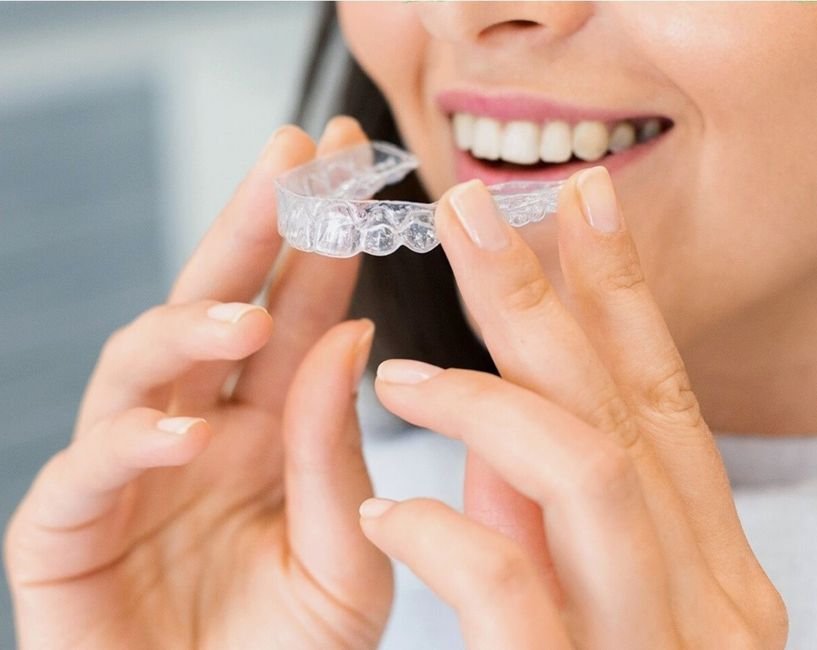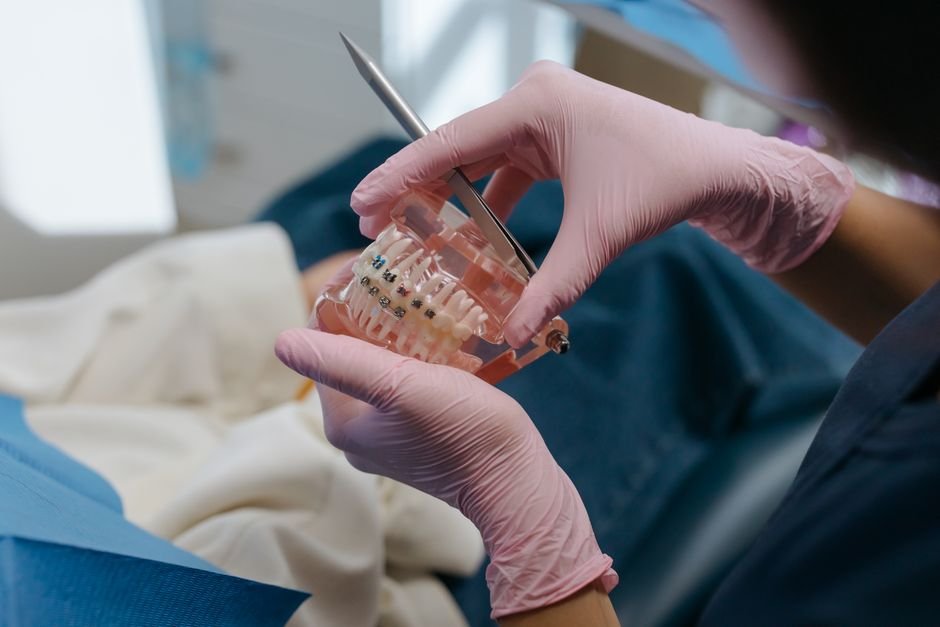
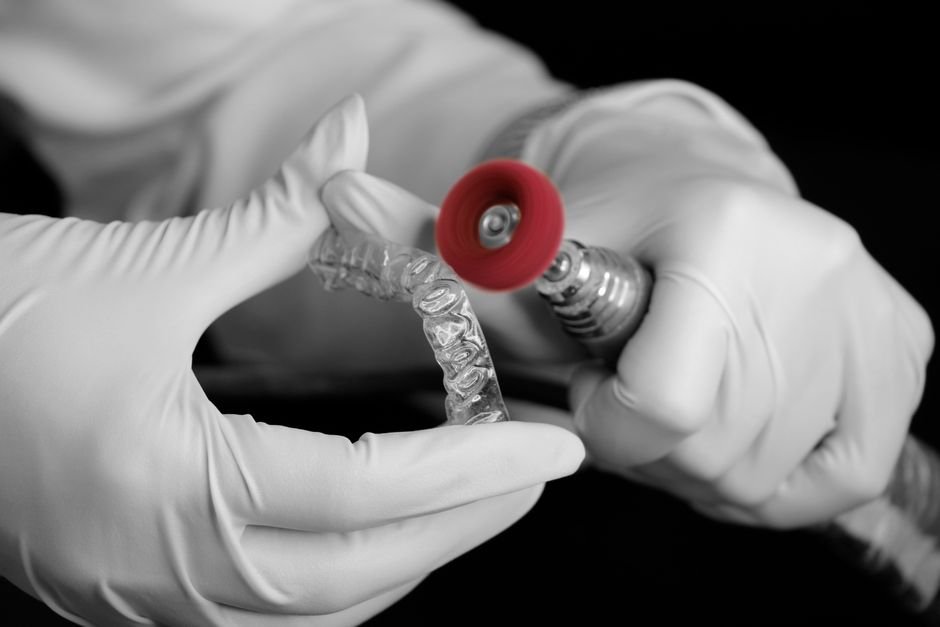
Caring for clear aligners comes down to cleaning them gently every day, storing them in their case whenever they are out of the mouth, and avoiding habits like eating or drinking anything but water while wearing them, since food particles and staining liquids trapped against the teeth can undo much of the benefit aligners are meant to provide. Good aligner care is a simple daily habit once it becomes routine, but it is also one of the most common areas where people slip into shortcuts that affect both hygiene and treatment progress.
Key takeaways
- Gentle daily cleaning prevents bacteria build-up and keeps aligners looking clear.
- Aligners should be removed before eating or drinking anything except water.
- A dedicated case protects aligners from damage and loss when not being worn.
- Hot water and abrasive cleaning tools can warp or scratch aligner material.
- Consistent wear time matters just as much as cleanliness for treatment progress.
Why Does Daily Cleaning Matter So Much for Aligners?
Aligners sit directly against the teeth for many hours each day, which means any bacteria, plaque, or food residue that accumulates on them stays in close, prolonged contact with the tooth surface. Without regular cleaning, this can contribute to a higher risk of decay and gum irritation compared to not wearing aligners at all.
Beyond the hygiene concern, aligners that are not cleaned regularly tend to develop a cloudy or discoloured appearance, which is far more noticeable than the intended near-invisible look most people choose aligners for in the first place. Daily cleaning addresses both the hygiene and cosmetic aspects at the same time.
What Is the Correct Way to Clean Aligners Daily?
Rinsing aligners with lukewarm water immediately after removing them prevents saliva and food particles from drying onto the surface, which can otherwise be harder to remove later. Gently brushing them with a soft toothbrush, ideally a separate one from the toothbrush used for teeth, helps remove any remaining residue without scratching the material.
Avoiding coloured or heavily flavoured toothpaste for this step is important, since some ingredients can leave residue or contribute to discolouration over time. A clear, mild soap or a cleaning solution specifically designed for aligners is generally a better choice than standard toothpaste for this particular task.
Why Should Hot Water Be Avoided When Cleaning Aligners?
Clear aligners are made from a thermoplastic material that can warp when exposed to heat, including hot water from a tap or dishwasher-level temperatures. A warped aligner may no longer fit correctly, which can affect both comfort and the aligner’s ability to apply the intended pressure to move teeth as planned.
Lukewarm or cool water is sufficient for effective daily cleaning without risking this kind of damage. This is one of the most common and easily avoidable mistakes people make when trying to clean aligners more thoroughly than necessary, inadvertently damaging them in the process.
How Should Aligners Be Stored When Not Being Worn?
Aligners should always be placed in their dedicated case when removed, even for short periods such as during a meal. Leaving them wrapped in a napkin or set down on a table significantly increases the risk of them being thrown away accidentally or exposed to bacteria from surfaces they were not designed to touch.
A dedicated case also protects aligners from being bent, cracked, or lost, all of which are common issues for people who are not yet used to the habit of immediately storing them properly. Keeping a case easily accessible, such as in a bag or at a desk, makes this habit easier to maintain consistently.
What Should Be Avoided While Wearing Aligners?
Eating or drinking anything other than water while wearing aligners is generally discouraged, since food particles can become trapped between the aligner and the teeth, and warm or sugary drinks can stain the aligner material or create a favourable environment for bacteria. Removing aligners before eating avoids these issues entirely.
Chewing gum while wearing aligners should also be avoided, since it can stick to the aligner material and be difficult to fully remove. Establishing a simple habit of always removing aligners before consuming anything but water prevents most of the common problems associated with aligner care.
How Often Should Aligners Be Deep Cleaned Beyond Daily Rinsing?
In addition to daily rinsing and brushing, using a specifically designed aligner cleaning solution or crystals a few times a week can help remove any residue that daily cleaning alone might miss, keeping aligners clearer and fresher. Soaking for the recommended time on the product, rather than longer than necessary, is usually sufficient.
Overusing cleaning solutions or soaking for extended periods is generally unnecessary and does not provide additional benefit beyond the recommended routine. Following the guidance provided by the aligner manufacturer or dentist for cleaning frequency tends to give the best balance of cleanliness and material longevity.
How Does Aligner Care Affect Treatment Timeline and Progress?
Aligners that are not cared for properly may need to be replaced sooner than planned if they become damaged, warped, or excessively worn, which can disrupt the treatment schedule and require additional visits to address the issue. Consistent, proper care helps aligners function as intended for their designated wear period.
Beyond physical damage, poor hygiene can also contribute to gum inflammation or decay that complicates treatment progress, sometimes requiring a pause in aligner therapy to address the dental issue first. Good care habits, in this sense, directly support staying on track with the overall treatment timeline.
What Mistakes Are Most Common Among New Aligner Wearers?
New aligner wearers often forget to bring their case when eating out, leading to aligners being wrapped in tissue or, in some cases, accidentally thrown away. Keeping a spare travel-sized case in a bag or car can help address this common and entirely avoidable mistake.
Another frequent mistake is using whitening toothpaste or harsh cleaning agents on aligners, assuming this will help keep them clear, when in fact these products can be abrasive or leave residues that cause the opposite effect. Sticking to recommended cleaning methods avoids this well-intentioned but counterproductive habit.
How Does Wear Time Interact With Cleaning Habits?
Most aligner treatment plans require wearing the aligners for a significant portion of each day, often twenty to twenty-two hours, with removal primarily for eating, drinking, and cleaning. This means the daily cleaning routine needs to be efficient enough to fit within the limited windows aligners are out of the mouth.
Establishing a quick, consistent cleaning routine, such as immediately after breakfast and again before bed, helps ensure aligners are cleaned thoroughly without significantly reducing the total wear time needed for the treatment to progress as planned. Rushing this step or skipping it to save time can undermine both hygiene and treatment effectiveness.
How Should Aligners Be Handled While Travelling?
Travel disrupts normal routines, making it easy to forget the case, skip cleaning, or leave aligners exposed on an unfamiliar surface. Packing a small travel kit with a spare case, a travel-sized cleaning brush, and cleaning solution helps maintain the same standard of care away from home as at home.
Airports, restaurants, and unfamiliar bathrooms are common places where aligners get left behind entirely, often because they were removed briefly and set aside without their case at hand. Building a habit of never removing aligners without the case already within reach helps prevent this common and costly mistake while travelling.
Frequently Asked Questions
Can I use regular toothpaste to clean my aligners?
It is generally better to avoid coloured or heavily flavoured toothpaste, since some ingredients can cause residue or discolouration. A clear, mild soap or a dedicated aligner cleaning product is usually a better choice.
Why can’t I clean my aligners with hot water?
Hot water can warp the thermoplastic material aligners are made from, affecting how well they fit and function. Lukewarm or cool water is sufficient for effective daily cleaning without this risk.
Is it okay to drink coffee or tea while wearing aligners?
It is best to remove aligners before drinking anything other than water, since staining liquids like coffee and tea can discolour the aligner material and increase the risk of trapped bacteria.
What should I do if I lose or damage an aligner?
Contact your dentist or orthodontist promptly, since wearing a damaged or missing aligner for too long can affect treatment progress. They can advise on next steps, which may include moving to the next set early or providing a replacement.
How often should the aligner case itself be cleaned?
Wiping out the case regularly, roughly once a week, helps prevent bacteria build-up inside it. A case that is never cleaned can reintroduce bacteria onto freshly cleaned aligners each time they are stored.

Matthew is a dental content writer passionate about helping readers understand their oral health, one article at a time.