To keep your teeth healthy with braces, brush carefully after every meal or at least twice a day, cleaning above, below and around each bracket, and clean between your teeth once a day using a floss threader, orthodontic floss, interdental brushes or a water flosser. Braces create lots of small spaces where food and plaque collect, so cleaning takes longer than usual, typically a few minutes more each time. A consistent routine, the right tools and a little patience prevent problems such as swollen gums, cavities and white marks on the teeth, so that when the braces come off, your newly straightened smile is healthy as well.
Key takeaways
- Braces trap food and plaque, so brushing and cleaning between teeth needs extra time and attention.
- Brush each tooth in sections: along the gumline, above the brackets, below the brackets and the biting surfaces.
- Floss threaders, orthodontic floss, interdental brushes and water flossers all make cleaning around wires easier.
- Fluoride toothpaste and limiting sugary snacks help protect enamel from white spots and decay.
- A simple daily checklist and a mirror make it easier to stay consistent throughout treatment.
Why is cleaning more important with braces?
Brackets and wires create many small ledges and corners where plaque and food particles can gather. These areas are harder to reach than smooth tooth surfaces, and saliva cannot wash them clean as easily. If plaque is left around the brackets, the bacteria produce acids that attack the enamel. Over time, this can cause white, chalky marks called decalcification, which may remain visible after the braces are removed, and in more serious cases it can lead to cavities.
The gums are also at risk. Plaque along the gumline causes inflammation, making the gums red, puffy and prone to bleeding. Swollen gums can even partly cover the brackets, making cleaning more difficult still and sometimes slowing tooth movement. The good news is that all of these problems are largely preventable. People who build a thorough cleaning routine early in their treatment usually finish with healthy teeth and gums, and they get the full benefit of the time and effort invested in straightening their smile.
What tools do you need for cleaning around braces?
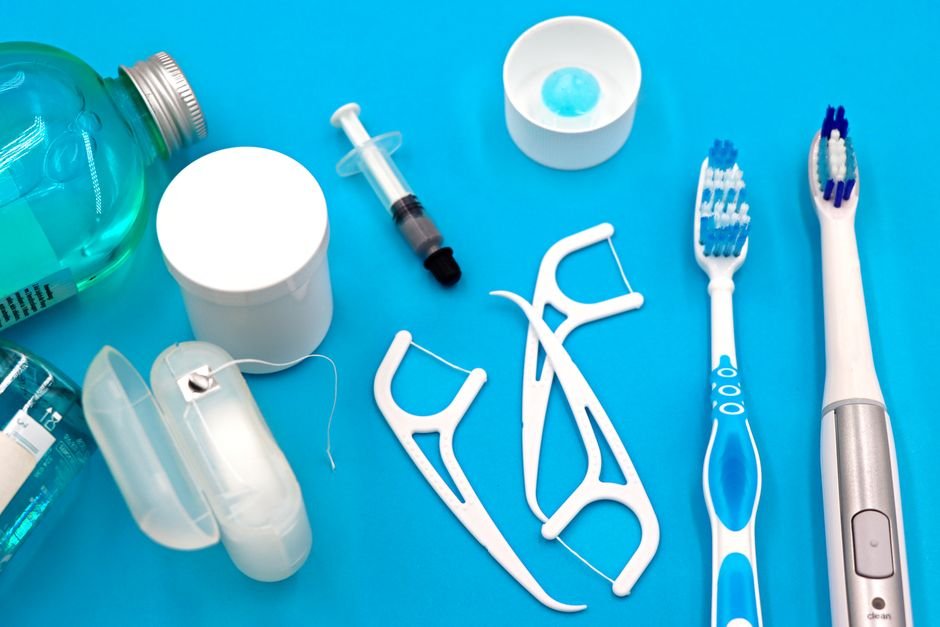
A soft-bristled toothbrush is the foundation of any braces routine. Some people prefer an orthodontic toothbrush, which has bristles arranged in a V shape so the centre row fits over the brackets while the outer rows clean above and below. An electric toothbrush with a small, soft head can also be very effective, as long as you guide it slowly around each bracket. Whichever you choose, replace the brush or head regularly, because braces wear bristles out faster than usual.
For cleaning between teeth, several tools are useful. Floss threaders are small, flexible loops that help guide normal floss under the wire. Orthodontic floss often has a stiffened end that can be pushed under the wire without a threader. Interdental brushes, sometimes called interproximal brushes, are tiny cone-shaped or cylindrical brushes that slip between brackets and under the wire. Water flossers use a pulsing stream of water to flush debris from around the braces. A fluoride toothpaste and a small mirror complete the kit, and a travel set makes cleaning after lunch much easier.
How should you brush your teeth with braces?
Start by rinsing your mouth with water to loosen any trapped food. Then brush methodically, working around the mouth so you do not miss any teeth. For each tooth, think of four areas. First, angle the brush towards the gumline and use small, gentle circles to clean where the tooth meets the gum. Next, tilt the bristles down from above to clean the upper edge of each bracket, then tilt them up from below to clean the lower edge.
After that, brush the biting surfaces of the back teeth with short back-and-forth strokes, and clean the inner surfaces facing the tongue, which are often overlooked. Take your time: most people need around three to five minutes to brush thoroughly with braces. Use a pea-sized amount of fluoride toothpaste, and after brushing, spit out the excess rather than rinsing heavily, so a little fluoride remains on the teeth. Finish by checking in a mirror that each bracket looks clean and shiny, with no food or fuzzy plaque left around its edges.
How do you floss with braces?
Flossing with braces takes a little practice, but it becomes much quicker with time. If you are using a floss threader, thread a length of floss through its loop, then push the threader under the archwire between two teeth from the front. Pull the floss through until you can hold both ends. Gently guide the floss up between the teeth and curve it around one tooth, sliding it slightly beneath the gumline and moving it up and down. Repeat on the neighbouring tooth.
Then pull the floss out from under the wire and move to the next space. Orthodontic floss with a stiffened end works in the same way, without needing a separate threader. Interdental brushes can be used alongside or instead of floss: slide them gently between the brackets and under the wire, moving them in and out a few times. Choose a size that fits snugly without forcing. If your gums bleed a little at first, keep going gently; bleeding usually reduces within a couple of weeks as the gums become healthier.
Are water flossers useful for people with braces?
Water flossers can be a valuable addition to a braces routine. They direct a thin, pulsing stream of water around the brackets, under the wire and between the teeth, flushing out food debris and some plaque from areas that are awkward to reach. Many people with braces find them quicker and easier to use than threading floss, which can make it more likely that they clean between their teeth every day.
To use one, lean over the sink, place the tip in your mouth and aim it at the gumline, moving slowly from tooth to tooth and pausing briefly at each bracket and gap. Start on a low pressure setting and increase gradually as you become comfortable. While water flossers are very helpful, many dental professionals suggest using them as a complement to brushing and interdental brushes rather than a complete replacement, because physically wiping the tooth surface removes sticky plaque most effectively. Ask your orthodontist which combination is best for you.
What does a practical daily routine look like?
A simple structure makes it much easier to stay consistent. In the morning, rinse with water, brush thoroughly for three to five minutes and use fluoride toothpaste. After lunch or snacks, rinse your mouth with water and, if you can, give your teeth a quick brush with a travel toothbrush. If brushing is not possible, rinsing well still helps remove loose food particles until you can clean properly.
In the evening, give your mouth the most thorough clean of the day. Rinse, then clean between your teeth with floss, interdental brushes or a water flosser, working through every space. Brush carefully around each bracket, along the gumline and over every tooth surface. Check your work in a mirror. If your orthodontist or dentist has recommended a fluoride mouthwash, use it at a different time from brushing, such as after lunch, so it adds protection rather than washing away the toothpaste. Many people find that keeping their tools together in one visible place helps the routine become automatic.
Which foods make cleaning harder with braces?
Some foods make cleaning more difficult and increase the risk of damage to the braces. Sticky and chewy foods, such as toffee, caramel and chewy sweets, cling to brackets and wires and are hard to remove. Hard foods like nuts, boiled sweets, ice and crusty bread can bend wires or knock brackets loose. Crunchy foods such as popcorn can leave small fragments wedged around the brackets and between teeth.
Sugary and acidic foods and drinks are also worth limiting. Frequent snacking on sugar feeds the bacteria in plaque, and acidic drinks such as fizzy drinks, sports drinks and fruit juices can soften enamel, making it more vulnerable to white marks. Drinking water between meals, keeping sweet treats to mealtimes and cutting harder foods like apples and raw carrots into small pieces all help. Making a few sensible food choices reduces the amount of cleaning you need to do and lowers the chance of emergency repairs during treatment.
How can you tell if your cleaning routine is working?
Healthy teeth and gums with braces should look and feel clean. The gums should be pink and firm rather than red and swollen, and they should not bleed much when you brush or floss once you have settled into your routine. The brackets should look shiny, with no build-up of soft white or yellow material around their edges. Your breath should stay reasonably fresh, and your teeth should feel smooth when you run your tongue over them.
Plaque-disclosing tablets are a useful way to check your technique. They temporarily stain plaque a bright colour so you can see exactly where you are missing. Your orthodontist and dentist will also check your oral hygiene at appointments and can point out areas that need more attention. Continue attending your regular dental check-ups and hygiene visits throughout orthodontic treatment, as the orthodontist focuses on tooth movement while the dental team monitors cavities and gum health. If you notice persistent bleeding, white marks or sensitivity, mention it promptly.
Frequently Asked Questions
How often should you brush your teeth with braces?
Ideally, brush after every meal, and at minimum twice a day for three to five minutes each time. Braces trap food and plaque around the brackets, so more frequent brushing helps prevent cavities, gum inflammation and white marks. If you cannot brush after eating, rinse your mouth thoroughly with water.
What is the easiest way to floss with braces?
Many people find interdental brushes or a water flosser the easiest option, as they slip between the brackets and under the wire without threading. Floss threaders and orthodontic floss with a stiffened end also work well. The best method is the one you will use every day without skipping.
Can you use an electric toothbrush with braces?
Yes. An electric toothbrush with a small, soft head can clean very effectively around braces. Guide it slowly over each tooth, pausing at the gumline and above and below each bracket. Brush heads wear out faster with braces, so check the bristles regularly and replace the head when they splay.
What causes white spots on teeth after braces?
White spots after braces are usually caused by plaque sitting around the brackets for long periods. The acids produced by plaque bacteria draw minerals out of the enamel, leaving chalky marks. Thorough daily cleaning, fluoride toothpaste and limiting sugary or acidic foods and drinks help prevent them.
Should you still see your dentist while wearing braces?
Yes. Regular dental check-ups and hygiene appointments remain important during orthodontic treatment. The orthodontist manages tooth movement, while the dentist and hygienist check for cavities, monitor gum health and remove hardened deposits that brushing cannot reach, helping keep teeth healthy throughout treatment.

Matthew is a dental content writer passionate about helping readers understand their oral health, one article at a time.