
Tooth enamel is protected mainly by what you eat and drink, how you brush, and how well you manage habits like grinding or snacking throughout the day. Because enamel cannot regenerate once it wears away, the most effective approach is prevention: limiting acid exposure, using a soft-bristled brush with gentle technique, staying hydrated, and giving your mouth time to recover between meals. Small, consistent daily choices matter far more than any single product, and most people can noticeably slow enamel wear by adjusting just a handful of everyday routines.
Key takeaways
- Enamel does not regrow, so protecting it early is far easier than managing damage later.
- Acidic foods and drinks soften enamel temporarily, and brushing too soon afterwards can accelerate wear.
- A soft-bristled brush and gentle technique protect enamel better than firm scrubbing.
- Saliva plays a major role in naturally remineralising and buffering the mouth against acid.
- Grinding, poor hydration, and constant snacking are underrated contributors to enamel loss.
What Is Tooth Enamel and Why Does It Matter?
Enamel is the hard, translucent outer layer covering each tooth, and it is the most mineralised tissue in the body. Its job is to shield the softer dentine underneath from the daily wear of chewing, temperature changes, and exposure to acids and bacteria. Because enamel contains no living cells, it cannot repair itself the way skin or bone can. Once a section is worn away or chipped, it is gone permanently, which is why prevention carries so much weight in long-term oral health.
When enamel thins, teeth often become more sensitive to hot, cold, or sweet foods, and they may take on a slightly yellowish appearance as the dentine beneath becomes more visible. Thinner enamel is also more prone to chipping and staining. Understanding that enamel loss is cumulative and irreversible helps explain why small daily habits, rather than occasional intensive care, make the biggest difference in keeping it intact for the long term.
How Does Diet Affect Enamel Strength?
Diet is one of the single biggest influences on enamel health. Sugary foods feed the bacteria in plaque, which then produce acids that attack the mineral structure of enamel. Frequent snacking throughout the day, even on foods that seem relatively healthy, keeps the mouth in a near-constant acidic state because saliva needs time between exposures to neutralise pH levels. Choosing fewer, more structured meals rather than grazing continuously gives enamel regular windows to recover.
Certain foods also actively support enamel strength. Dairy products, leafy greens, and foods rich in calcium and phosphates help replenish the minerals enamel needs to stay resilient. Crunchy fruits and vegetables can stimulate saliva flow, which naturally helps wash away food particles and buffer acid. A balanced diet that limits added sugar and prioritises whole foods does more for enamel over time than any single change to a brushing routine alone.
Are Acidic Foods and Drinks Really That Harmful?
Acidic foods and drinks, including citrus fruits, fizzy drinks, sports drinks, and even some flavoured waters, can soften enamel temporarily by lowering the mouth’s pH. This softening is usually reversible if the mouth is given time to recover, but frequent or prolonged exposure prevents that recovery and leads to gradual, permanent thinning. It is not just sugary drinks that pose a risk; sugar-free acidic beverages can be just as damaging to enamel because acidity, not sugar content, is the main driver of this particular type of wear.
Sipping acidic drinks slowly over a long period is often more damaging than drinking the same amount quickly, since it extends the time enamel spends exposed to acid. Using a straw can help direct liquid further back in the mouth and reduce contact with front teeth. Rinsing with plain water afterwards, rather than brushing immediately, is a simple habit that helps dilute acid without mechanically stressing enamel while it is temporarily softened.
Is Your Brushing Technique Wearing Down Your Enamel?
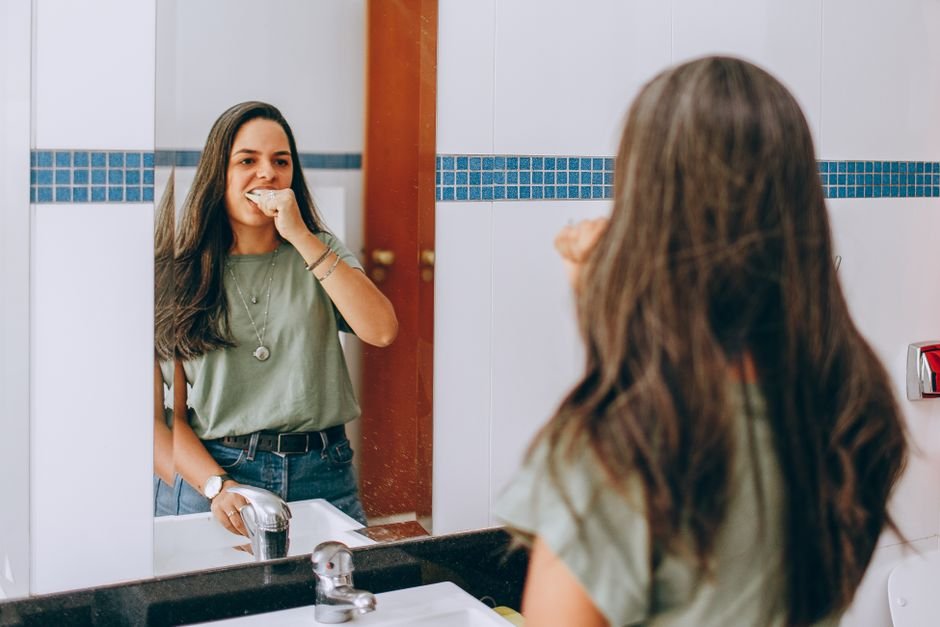
Brushing is essential for oral health, but technique matters as much as frequency. Using a hard-bristled brush, pressing too firmly, or brushing in an aggressive back-and-forth scrubbing motion can gradually wear down enamel, particularly near the gumline where it is thinner. Over years, this kind of mechanical wear can contribute to sensitivity and visible notching at the base of teeth, a pattern dentists sometimes see in patients who brush enthusiastically but without gentle control.
A soft-bristled brush paired with light, circular motions is generally considered gentler and just as effective at removing plaque. Timing also matters: brushing immediately after consuming something acidic can be counterproductive, because enamel is temporarily softer and more vulnerable to abrasion during that window. Waiting around thirty minutes after eating or drinking something acidic before brushing allows saliva to help restore the mouth’s natural balance first.
Can Dry Mouth Weaken Your Enamel?
Saliva does far more than keep the mouth comfortable. It buffers acid, carries minerals like calcium and phosphate that help remineralise enamel, and physically washes away food debris and bacteria. When saliva flow is reduced, whether from dehydration, mouth breathing, certain medications, or simply not drinking enough water throughout the day, the mouth loses much of its natural defence against acid and enamel becomes more vulnerable to erosion.
Staying well hydrated, breathing through the nose where possible, and being mindful of how certain medications affect saliva production are practical ways to support this natural protective system. Chewing sugar-free gum can also encourage saliva flow, particularly after meals when acid levels in the mouth tend to rise. For anyone who consistently experiences a dry mouth, mentioning it during a dental check-up allows the underlying cause to be identified and managed appropriately.
Does Teeth Grinding Damage Enamel?
Grinding or clenching the teeth, often linked to stress or occurring unconsciously during sleep, places repeated mechanical force on enamel that it is not designed to withstand over the long term. Unlike normal chewing, grinding involves sustained pressure and lateral movement, which can flatten biting surfaces, create small cracks, and accelerate enamel thinning far faster than everyday wear alone. Many people are unaware they grind their teeth until a dentist points out the telltale wear patterns.
Managing stress, being mindful of jaw tension during the day, and addressing sleep quality can all help reduce grinding frequency. A properly fitted night guard is one of the most effective ways to protect enamel from nighttime grinding, since it creates a physical barrier between the upper and lower teeth. Anyone who wakes with jaw soreness, headaches, or notices flattened tooth surfaces should raise the possibility of grinding with a dental professional.
How Can Fluoride and Remineralisation Help?
Fluoride works by encouraging the redeposition of minerals into microscopic weak spots in enamel before they progress into visible damage, and it also makes enamel more resistant to future acid attacks. This is why fluoride toothpaste remains one of the most consistently recommended tools for enamel protection. Using a pea-sized amount and spitting rather than rinsing thoroughly afterwards allows the fluoride to remain on the teeth slightly longer, extending its protective effect.
Remineralisation is a natural, ongoing process where minerals from saliva and fluoride sources are redeposited into enamel that has been softened by acid. This process works continuously in a healthy mouth, but it can be overwhelmed if acid exposure happens too frequently for saliva to keep pace. Supporting remineralisation through fluoride use, adequate hydration, and spacing out acidic foods gives this natural repair process the best chance to keep enamel strong.
What Daily Habits Best Protect Enamel Long-Term?
Consistency tends to matter more than intensity when it comes to protecting enamel over a lifetime. Brushing gently twice a day with a fluoride toothpaste, flossing daily to reduce plaque between teeth, and limiting how often acidic or sugary items are consumed all work together as a foundation. Rather than eliminating entire food groups, most dental professionals recommend moderation and thoughtful timing, such as pairing acidic foods with a meal rather than snacking on them alone throughout the day.
Regular dental check-ups also play an important preventive role, since early enamel wear is often easier to spot professionally than at home. A dentist can monitor subtle changes over time and suggest adjustments before minor wear becomes a bigger issue. Combining professional monitoring with steady daily habits, rather than relying on either one alone, gives enamel the best possible chance of staying strong for decades.
Frequently Asked Questions
Can worn tooth enamel grow back?
No, enamel cannot regenerate once it is structurally worn away because it contains no living cells. However, early-stage softening from acid exposure can often be remineralised with fluoride, saliva, and good habits before it becomes permanent damage, which is why catching changes early matters.
Is it bad to brush teeth right after eating?
Brushing immediately after eating acidic foods or drinks can be harmful because enamel is temporarily softened and more vulnerable to abrasion. It is generally better to rinse with water and wait around thirty minutes before brushing, allowing saliva to help restore the mouth’s natural balance first.
Do sugar-free drinks still harm enamel?
Yes, many sugar-free drinks are still acidic and can soften enamel even without sugar present. Acidity itself, not just sugar content, is a major driver of enamel erosion, so checking a drink’s acidity rather than only its sugar content is a more reliable guide to its impact on enamel.
How does stress affect tooth enamel?
Stress can contribute to enamel wear indirectly by increasing the likelihood of teeth grinding or clenching, often during sleep. This repeated pressure can flatten and crack enamel over time. Managing stress and using a night guard where appropriate can help reduce this type of mechanical damage.
Does drinking more water actually help protect enamel?
Yes, staying hydrated supports healthy saliva flow, and saliva is one of the mouth’s main natural defences against enamel erosion. Adequate hydration helps buffer acids, wash away food particles, and supply minerals that support ongoing remineralisation, making water intake a simple but genuinely effective habit.

Matthew is a dental content writer passionate about helping readers understand their oral health, one article at a time.