
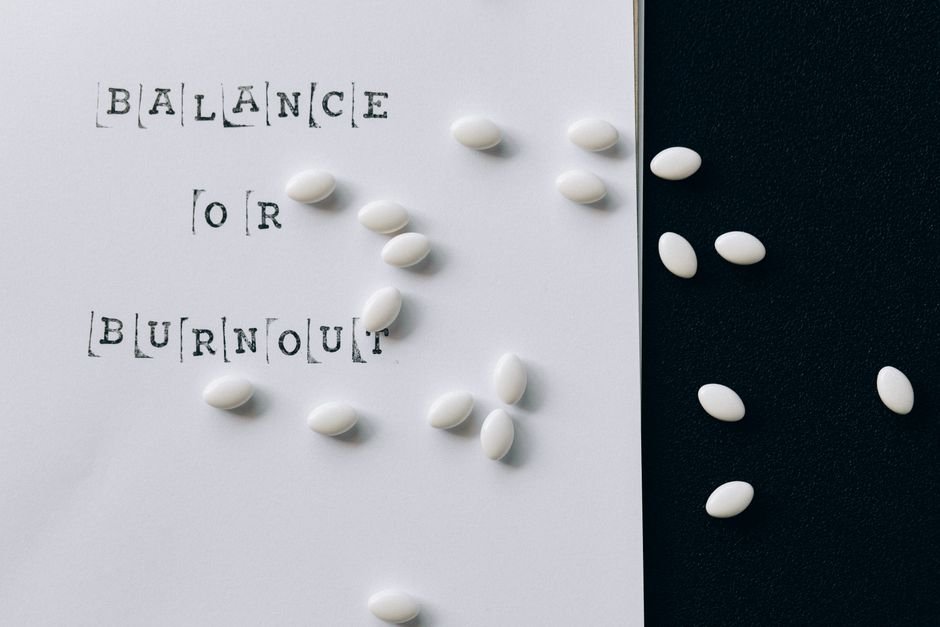
Chronic stress affects oral health more directly than most people realise, largely through increased teeth grinding, changes in hygiene consistency, and its influence on gum inflammation. Building simple daily stress management habits into a routine can meaningfully reduce these downstream effects and protect both teeth and gums over time.
Key takeaways
- Stress commonly increases teeth grinding and clenching, which wears down enamel over time.
- High stress periods often coincide with lapses in consistent oral hygiene habits.
- Stress can contribute to gum inflammation through its effect on the body’s immune response.
- Simple daily stress management practices can indirectly protect teeth and reduce jaw tension.
- Recognising stress-related dental symptoms early allows for more effective, targeted management.
How Does Stress Lead to Teeth Grinding and Clenching?
Teeth grinding and clenching, medically known as bruxism, is one of the most well-documented ways stress manifests physically in the mouth. Many people grind or clench without any conscious awareness, particularly during sleep, and stress is one of the most commonly identified triggers for this behaviour intensifying.
Over time, this repetitive pressure can wear down enamel, flatten biting surfaces, and in more severe cases contribute to cracked teeth or jaw discomfort. Because grinding often happens unconsciously, many people only become aware of the connection to their stress levels after a dentist points out visible wear patterns during a routine checkup.
Why Does Stress Often Disrupt Consistent Oral Hygiene?
During particularly stressful periods, daily routines including oral hygiene are often among the first habits to slip, even for people who normally maintain consistent brushing and flossing. Fatigue, distraction, and simply having less mental bandwidth for routine tasks can all contribute to skipped or rushed hygiene sessions.
This disruption, even if temporary, allows plaque to accumulate more than usual, increasing the risk of gum irritation and early decay during exactly the period when the body may already be managing elevated inflammation from stress itself. Recognising this pattern can help people be more intentional about maintaining hygiene consistency specifically during demanding periods.
Is There a Real Connection Between Stress and Gum Inflammation?
Yes, chronic stress has been associated with changes in immune function that can make the body somewhat less effective at managing the bacterial challenge that drives gum inflammation. Elevated stress hormones over extended periods can influence how the body responds to the bacteria involved in gum disease.
This does not mean stress directly causes gum disease on its own, but it can act as a contributing factor that makes existing risk more pronounced, particularly when combined with the hygiene lapses that often accompany stressful periods. Managing stress is therefore a meaningful, if indirect, part of a broader approach to protecting gum health.
What Are the Common Signs of Stress-Related Dental Symptoms?
Jaw soreness or tightness upon waking, headaches concentrated around the temples, and visible wear on the biting surfaces of teeth are all common signs that stress may be manifesting as nighttime grinding or clenching. Some people also notice increased tooth sensitivity as enamel gradually thins in response to this repeated pressure.
Noticing these signs early and connecting them to stress levels, rather than assuming they are unrelated or simply a normal part of ageing, allows for more targeted management. A dentist can often confirm whether these symptoms align with grinding patterns through examination and discussion of recent stress levels or sleep quality.
How Can Simple Daily Practices Help Reduce Stress-Related Grinding?
Practices such as regular physical movement, mindfulness or breathing exercises, and maintaining consistent sleep habits have all been associated with reduced overall stress levels, which can in turn reduce the frequency and intensity of stress-related grinding. These do not need to be elaborate to be effective.
Even brief daily practices, such as a short walk, a few minutes of focused breathing before bed, or simply reducing screen time in the evening, can meaningfully lower the baseline tension that often contributes to nighttime grinding. Consistency in these small habits tends to matter more than the specific technique chosen.
Can Awareness Alone Reduce Daytime Clenching?
Unlike nighttime grinding, which happens unconsciously during sleep, daytime clenching often occurs during moments of concentration or stress and can sometimes be interrupted through simple awareness. Many people find that once they become conscious of the habit, they can notice when their jaw is tense and deliberately relax it.
Setting periodic reminders throughout the day, whether through a phone alert or simply pairing awareness checks with an existing routine like checking emails, can help build this habit over time. While this approach works better for daytime clenching than for unconscious nighttime grinding, it is a genuinely useful tool for people who notice jaw tension during waking hours.
How Does a Night Guard Fit Into Stress-Related Dental Care?
For people whose stress consistently manifests as nighttime grinding, a custom-fitted night guard remains one of the most effective protective tools available, since it creates a physical barrier that absorbs grinding forces rather than allowing them to wear directly on the teeth. This does not address the underlying stress itself, but it protects teeth while other stress management strategies take effect.
Many dentists recommend approaching stress-related grinding on two fronts simultaneously: protecting the teeth physically with a night guard while also working on reducing overall stress levels through lifestyle changes. This combined approach tends to be more effective than relying on either strategy alone.
Does Better Sleep Quality Reduce Stress-Related Dental Issues?
Sleep quality and stress levels are closely intertwined, with poor sleep often both a cause and a consequence of elevated stress. Since much of stress-related grinding occurs during sleep, improving overall sleep quality can have a meaningful indirect effect on reducing how much grinding occurs during the night.
Simple sleep hygiene practices, such as maintaining a consistent bedtime, reducing screen exposure before sleep, and limiting caffeine later in the day, can support better sleep quality generally. While these practices are not marketed as dental interventions, their downstream effect on reducing stress and grinding makes them genuinely relevant to protecting teeth over time.
When Should Stress-Related Dental Symptoms Be Discussed With a Dentist?
If jaw soreness, headaches, or visible tooth wear are becoming a regular occurrence, it is worth raising these symptoms with a dentist rather than assuming they will resolve on their own. A dentist can assess the extent of any wear, discuss whether a night guard is appropriate, and help distinguish stress-related symptoms from other possible causes.
Being open about stress levels and sleep quality during a dental visit, even though it might feel unrelated to dental care at first glance, gives a dentist important context for understanding symptoms and recommending the most appropriate combination of protective and lifestyle-based strategies going forward.
How Can Small Environmental Changes Support Lower Daily Stress?
Beyond individual habits, small changes to the surrounding environment can meaningfully lower baseline stress levels throughout the day. Reducing clutter in frequently used spaces, building short breaks into a busy schedule, and limiting exposure to constant notifications can all reduce the low-grade tension that accumulates gradually and often goes unnoticed until it shows up as jaw tightness or disrupted sleep.
These changes work best when introduced gradually rather than all at once, allowing new habits to settle naturally into an existing routine. Over time, a calmer daily environment supports not just general wellbeing but also the specific dental symptoms, like grinding and clenching, that tend to intensify when stress levels remain persistently elevated.
Frequently Asked Questions
How do I know if I grind my teeth at night due to stress?
Common signs include waking with jaw soreness, headaches, or noticing flattened or worn biting surfaces on your teeth. A dentist can often confirm grinding patterns during a routine examination.
Can stress management alone stop teeth grinding completely?
Stress management can reduce the frequency and intensity of grinding for many people, but a night guard is often still recommended for physical protection, especially while working on reducing overall stress levels.
Is daytime clenching as damaging as nighttime grinding?
Both can contribute to wear over time, though nighttime grinding often involves greater force since it occurs unconsciously during sleep, making it harder to interrupt compared to daytime clenching.
Does exercise really help reduce stress-related dental symptoms?
Regular physical activity is associated with lower overall stress levels, which can indirectly reduce stress-related grinding and clenching, making it a genuinely useful addition to a broader management approach.
Should I mention my stress levels to my dentist even if it feels unrelated?
Yes, sharing this context helps your dentist better understand symptoms like jaw tension or tooth wear and recommend the most appropriate combination of protective and lifestyle strategies.

Matthew is a dental content writer passionate about helping readers understand their oral health, one article at a time.