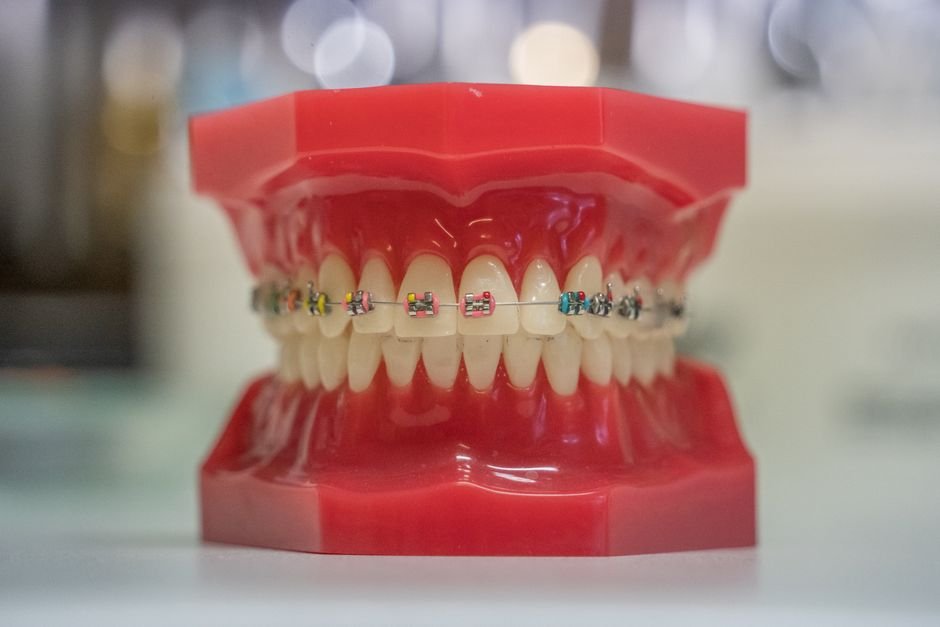
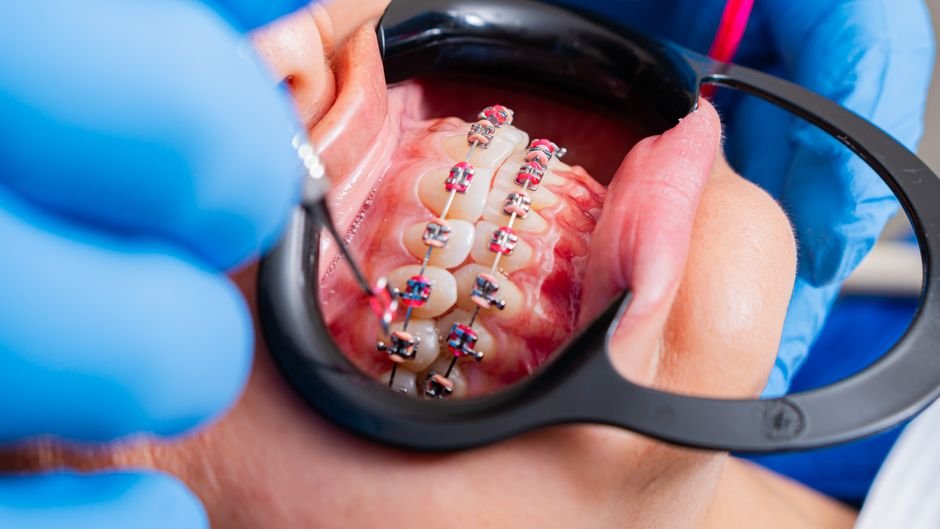
Ceramic braces work much like traditional metal braces, using brackets and wires to gradually move teeth into better alignment, but with tooth-coloured or clear brackets that blend in more closely with natural teeth. This makes them a popular middle-ground option for people who want the effectiveness of fixed braces without the more noticeable appearance of metal, particularly among older teens and adults. Understanding how they compare to other options helps in deciding whether they are the right fit for a particular situation.
Key takeaways
- Ceramic braces function similarly to metal braces but with less visible brackets.
- They tend to be less noticeable while offering comparable treatment capability.
- Ceramic brackets can be more prone to staining than metal if not cared for well.
- They are generally more fragile than metal brackets and need gentler handling.
- Cost is often somewhat higher than traditional metal braces.
How Do Ceramic Braces Actually Work?
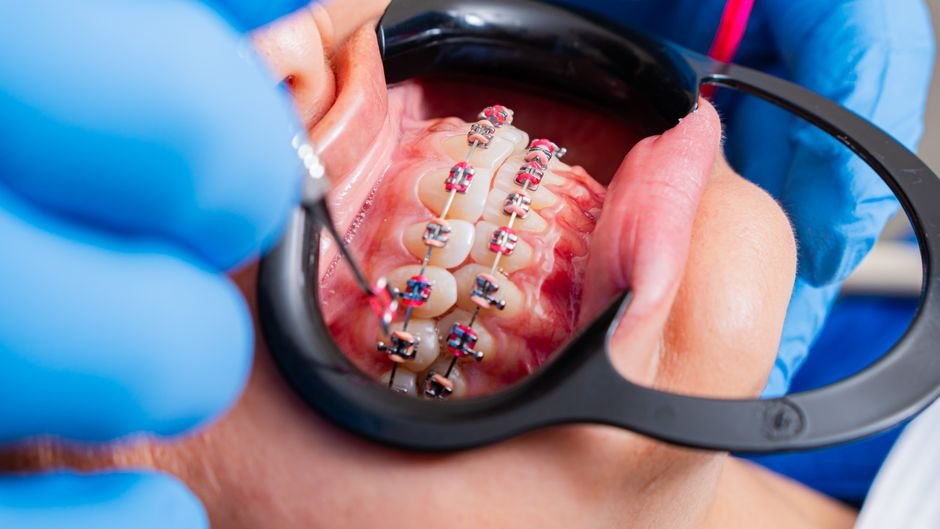
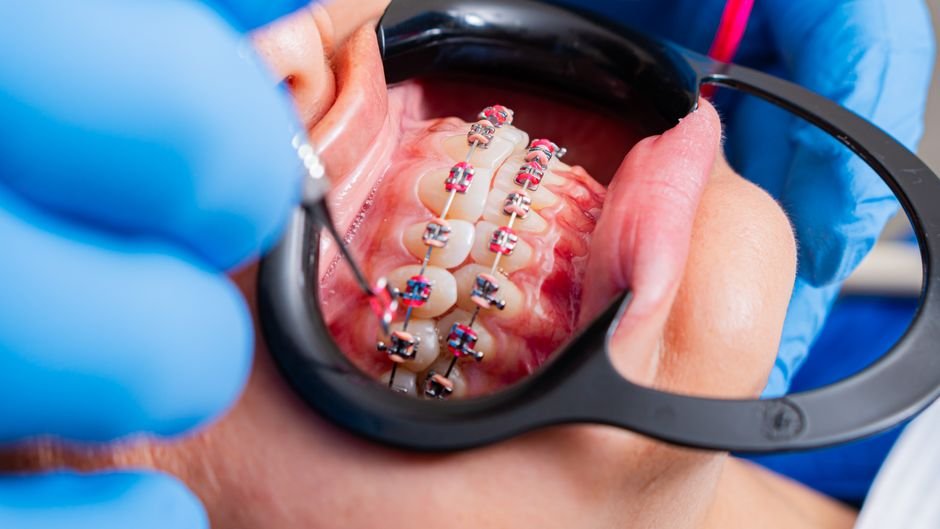
Ceramic braces use the same fundamental mechanism as traditional metal braces: brackets are bonded to the front of each tooth, and a wire threaded through them applies steady, controlled pressure that gradually guides teeth into their intended position over time. The main difference lies in the material of the brackets themselves.
Because the underlying mechanics are so similar, ceramic braces are generally capable of treating a similarly wide range of alignment and bite issues as metal braces, from simple crowding to more complex corrections. The choice between the two is typically more about appearance and personal preference than about which one is more effective for a given case.
What Makes Ceramic Brackets Less Noticeable?
Ceramic brackets are made from a tooth-coloured or translucent material designed to blend more closely with the natural shade of teeth, rather than standing out with a metallic shine. From a short distance, this can make the braces considerably less obvious compared to traditional metal brackets.
Some ceramic braces systems also use tooth-coloured wires or clear elastic ties, further reducing their visibility, though metal wires are still sometimes used even with ceramic brackets for structural reasons. The overall effect is a noticeably more discreet appearance, which is often the main reason people choose this option over traditional metal braces.
Are Ceramic Braces as Effective as Metal Braces?
In terms of pure treatment capability, ceramic braces are generally comparable to metal braces for most types of corrections, since the material change affects appearance and some handling characteristics rather than the underlying force and movement mechanics that actually shift teeth.
That said, an orthodontist will consider the specific complexity of a case when recommending ceramic versus metal, since certain more involved corrections may be more predictably managed with one option over the other in specific circumstances. A consultation is the best way to determine whether ceramic braces are well suited to your particular alignment needs.
Do Ceramic Braces Require Different Care Than Metal Braces?
Ceramic brackets are more prone to staining than metal, particularly from foods and drinks with strong colour pigments such as coffee, tea, red wine, and certain sauces. Being more mindful of these items, or rinsing promptly after consuming them, helps keep ceramic brackets looking their best throughout treatment.
Ceramic brackets are also somewhat more fragile than metal ones, meaning they can chip or crack more easily under significant force. This makes avoiding very hard or crunchy foods, and being cautious during contact sports, particularly important for anyone wearing ceramic braces, alongside the general dietary precautions recommended for anyone with fixed braces.
How Does the Cost of Ceramic Braces Compare?
Ceramic braces are generally somewhat more expensive than traditional metal braces, reflecting the cost of the specialised material and, in some cases, additional care needed during the manufacturing and fitting process. The exact difference in cost varies depending on the orthodontic practice and the complexity of treatment involved.
For many people, the less noticeable appearance is considered worth this additional cost, particularly for older teens and adults who may feel more self-conscious about the visibility of metal braces during a multi-year treatment period. Discussing cost alongside treatment goals during a consultation helps clarify whether the difference feels justified for your particular situation.
How Do Ceramic Braces Compare to Clear Aligners?
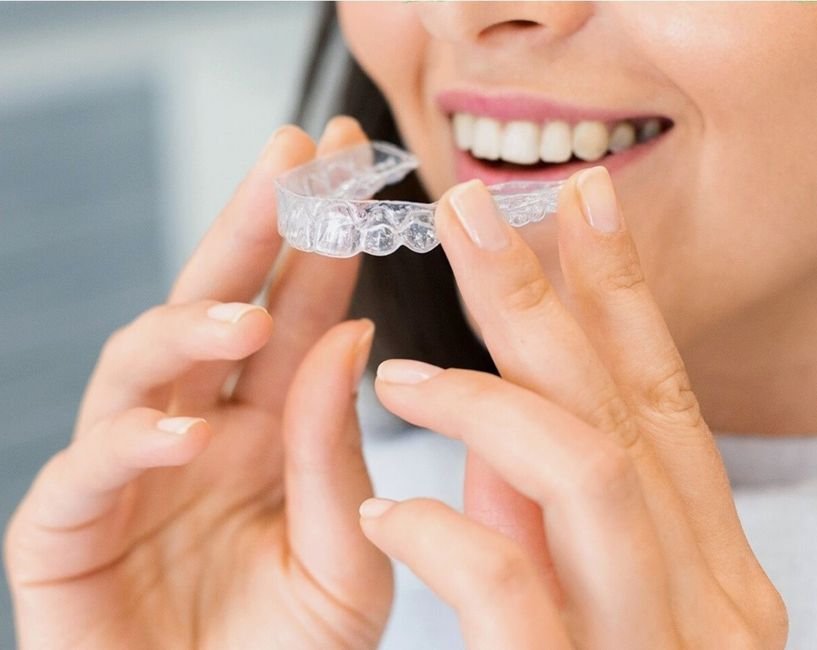
While both ceramic braces and clear aligners are less visible options compared to traditional metal braces, they work quite differently. Ceramic braces are fixed to the teeth for the duration of treatment, while clear aligners are removable trays that are changed periodically and can be taken out for eating and cleaning.
Ceramic braces tend to be well suited to more complex corrections that may be harder to manage with aligners, while clear aligners often appeal to people prioritising the ability to remove their treatment device for meals and special occasions. An orthodontist can help determine which approach better matches both the complexity of the case and personal lifestyle preferences.
Are Ceramic Braces Suitable for Everyone?
Most people who are candidates for traditional metal braces are also reasonable candidates for ceramic braces, since the two options address similar types of alignment and bite issues. However, an orthodontist will assess factors such as bite complexity and the position of specific teeth when advising on the best fit.
Ceramic braces are often particularly popular among older teens and adults who want a more discreet treatment option but still need or prefer the predictability of fixed braces over removable alternatives. A thorough consultation remains the most reliable way to determine suitability for any individual case.
What Should You Expect During Treatment With Ceramic Braces?
The overall treatment experience with ceramic braces is quite similar to metal braces, including regular adjustment appointments where the orthodontist tightens or adjusts the wire to continue guiding tooth movement. Some initial discomfort after adjustments is normal and generally fades within a few days, just as it does with metal braces.
Treatment duration with ceramic braces is typically comparable to metal braces for similar cases, since the underlying tooth movement mechanics are largely the same. Maintaining good oral hygiene throughout treatment remains just as important, since brackets and wires of any material create additional surfaces where plaque can accumulate if not cleaned thoroughly.
What Role Does the Wire Colour Play in Overall Appearance?
Even with tooth-coloured ceramic brackets, the wire that connects them can still affect how noticeable the braces appear overall, since a standard metal wire creates more visual contrast against ceramic brackets than it would against metal ones. Some orthodontists offer tooth-coloured or coated wires as an additional option to further reduce visibility.
It is worth discussing wire options specifically during a consultation if minimising visibility is a priority, since this detail is sometimes overlooked when people focus primarily on bracket material. Combining ceramic brackets with a less conspicuous wire option tends to produce the most discreet possible result among fixed brace systems.
How Should You Decide Between Ceramic and Metal Braces?
Deciding between ceramic and metal braces often comes down to weighing the importance of appearance against considerations like cost, durability, and personal habits around diet and care. Someone who is very consistent with careful eating habits and diligent cleaning may find ceramic braces suit them well, while someone less concerned about visibility might prefer the lower cost and higher durability of metal.
An honest conversation with your orthodontist about your priorities, lifestyle, and budget will usually clarify which option makes the most sense. Both approaches are well established and effective, so the decision largely comes down to which trade-offs feel most comfortable for your particular circumstances.
Frequently Asked Questions
Do ceramic braces stain permanently over time?
The brackets themselves can develop staining if exposed frequently to strongly pigmented foods and drinks, though careful attention to diet and cleaning can help minimise this throughout the course of treatment.
Are ceramic braces more painful than metal braces?
No, the level of discomfort experienced with ceramic braces is generally similar to metal braces, since both work through the same gradual pressure mechanism and involve a comparable adjustment process.
How long does treatment with ceramic braces typically take?
Treatment length depends primarily on the complexity of the case being corrected rather than the bracket material, so ceramic braces generally take a similar amount of time as metal braces for a comparable correction.
Can ceramic braces be used for a full course of orthodontic treatment?
Yes, ceramic braces are designed for full treatment courses in the same way metal braces are, and are not limited to minor or short term corrections only.
Do ceramic braces require more frequent orthodontist visits?
Generally not. Adjustment appointment frequency with ceramic braces tends to follow a similar schedule to metal braces, based on the specific treatment plan rather than the bracket material used.

Matthew is a dental content writer passionate about helping readers understand their oral health, one article at a time.