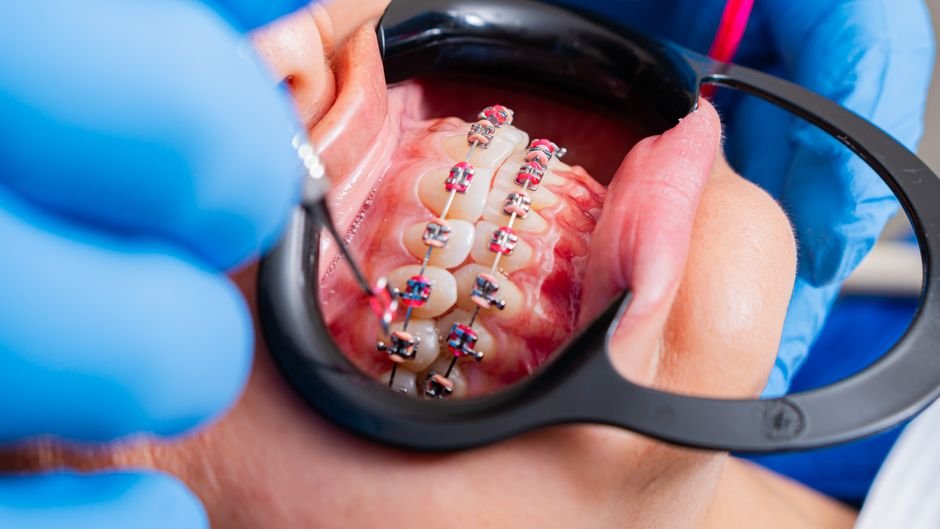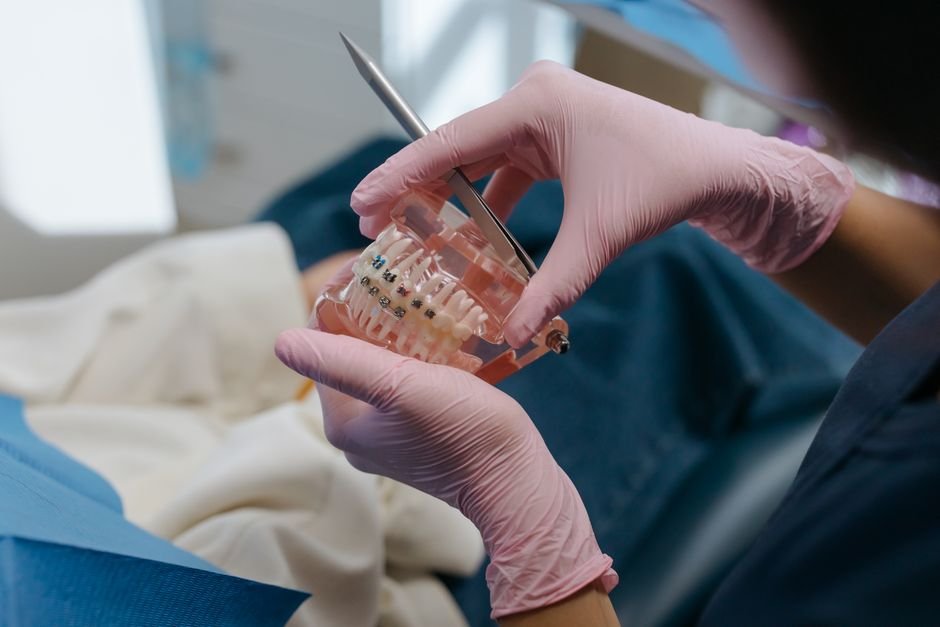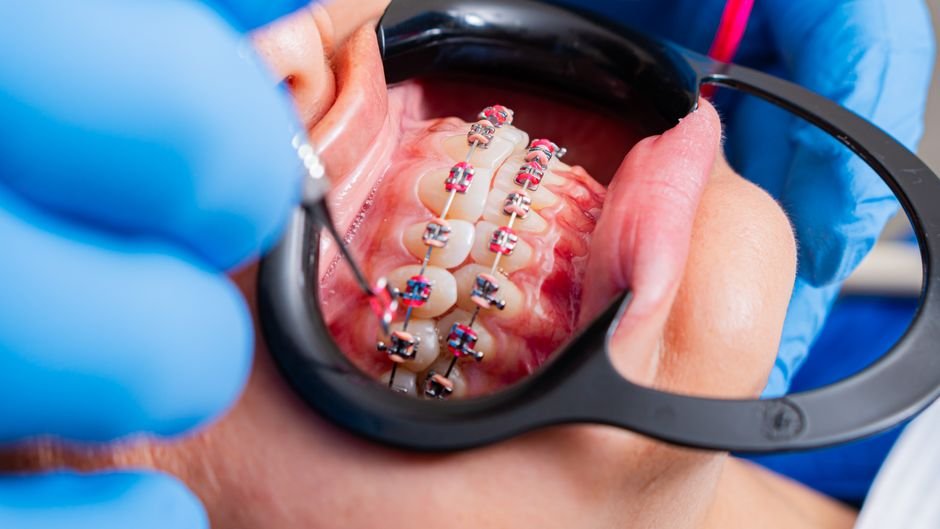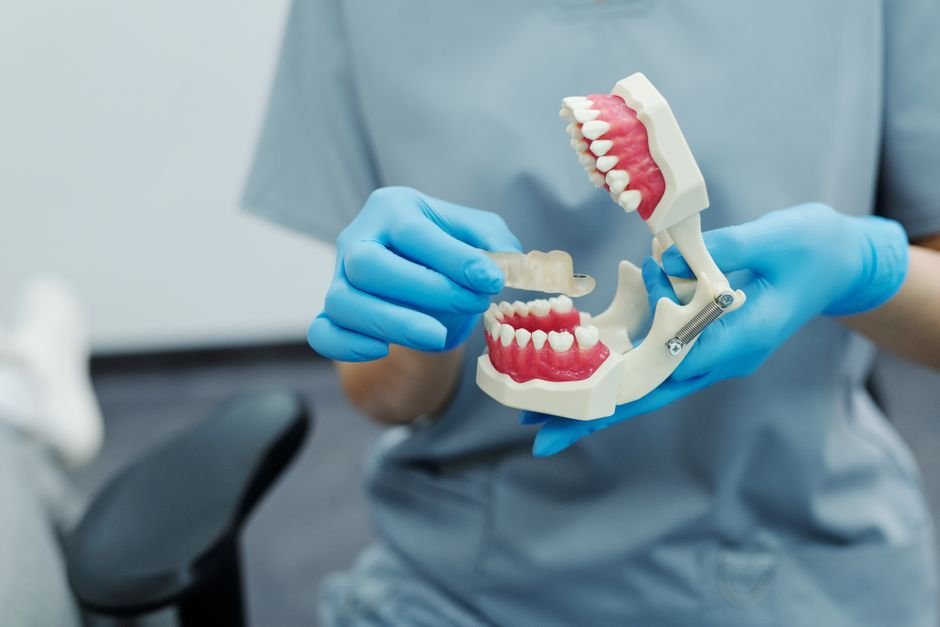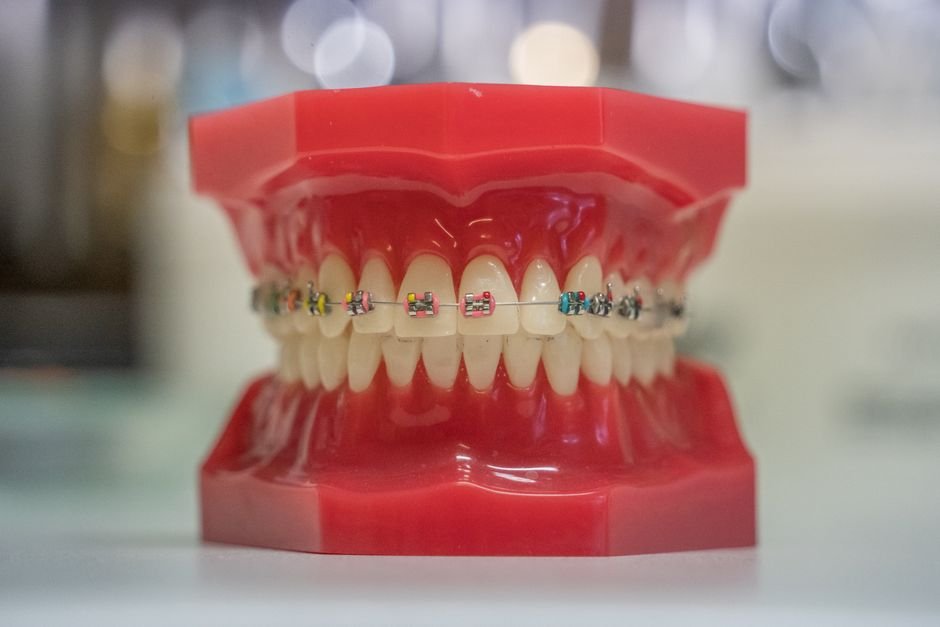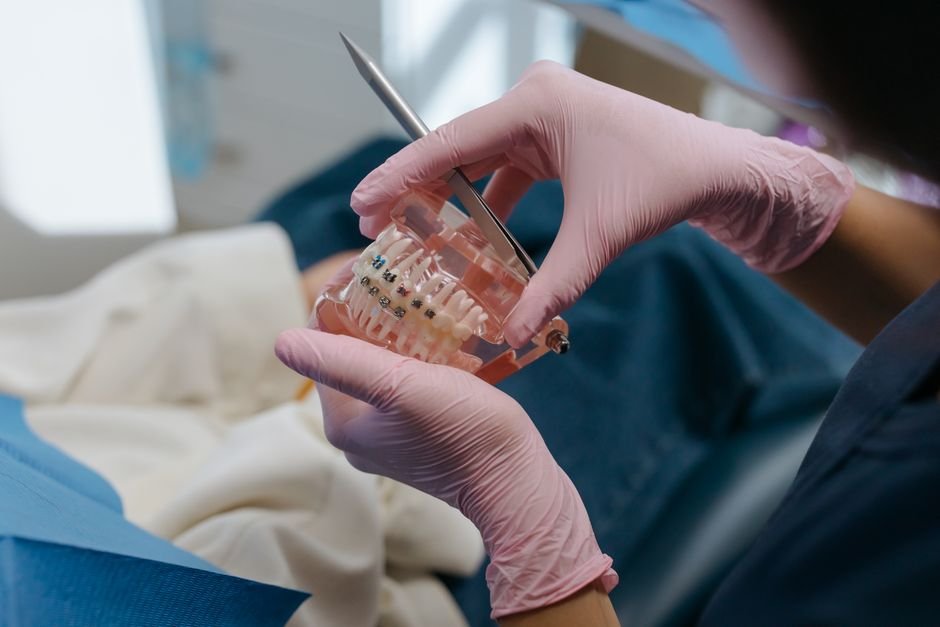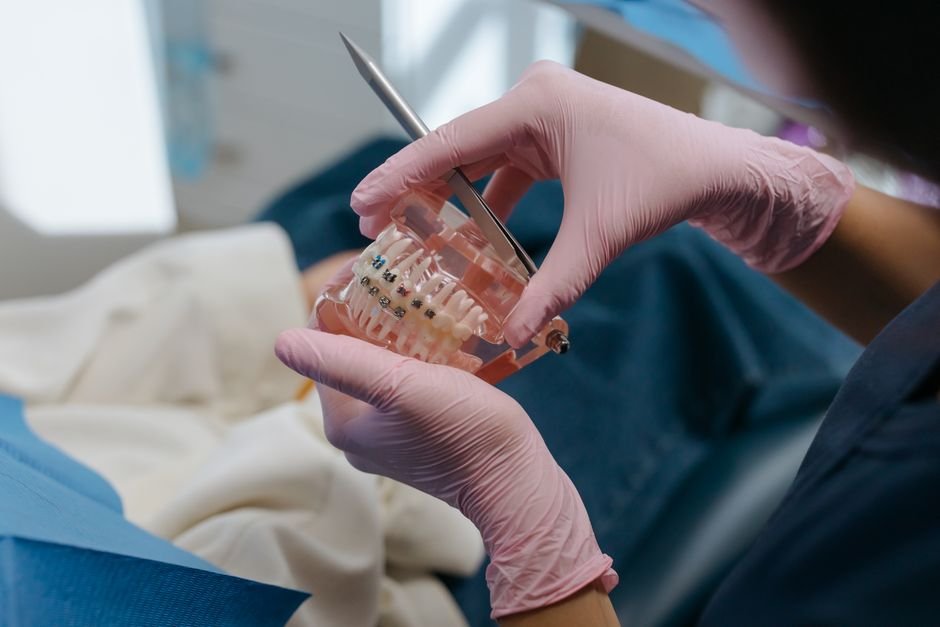
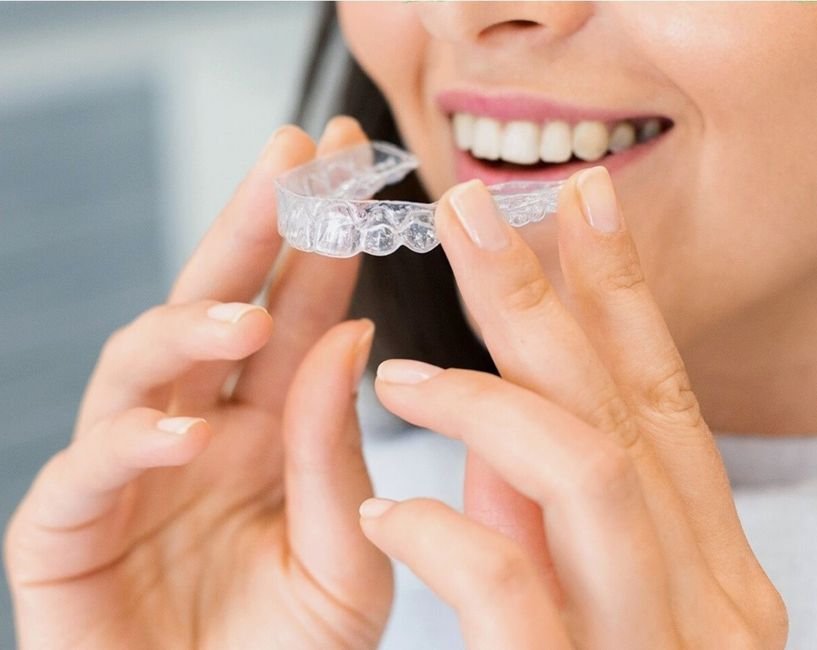
Orthodontic treatment does far more than straighten crooked teeth cosmetically: by gradually repositioning teeth into proper alignment, it improves how upper and lower teeth meet, which distributes chewing forces more evenly, reduces strain on the jaw joint, and makes everyday functions like biting, chewing, and even speaking noticeably more comfortable. A well-aligned bite is a functional outcome, not just an aesthetic one, and understanding that distinction helps explain why orthodontic treatment matters beyond appearance.
Key takeaways
- A properly aligned bite distributes chewing force evenly rather than concentrating it on a few teeth.
- Misaligned bites can contribute to jaw joint strain, uneven wear, and difficulty chewing certain foods.
- Orthodontic correction often improves speech clarity when misalignment was affecting tongue placement.
- Bite correction can reduce the risk of chipped teeth caused by uneven contact points during chewing.
- Functional improvements from orthodontic treatment typically continue well after braces or aligners come off.
What Does a Properly Aligned Bite Actually Mean?
A properly aligned bite refers to how the upper and lower teeth meet when the jaw closes, ideally with each tooth making even, appropriate contact with its opposing partner rather than some teeth bearing excessive force while others barely touch. This even distribution matters because teeth and the jaw joint are designed to handle chewing forces collectively, not concentrated on a handful of teeth.
When teeth are misaligned, whether through crowding, gaps, or a bite that does not close evenly, certain teeth end up absorbing far more force than they are built to handle over the long term. This uneven distribution is often invisible day to day but tends to show up gradually as excessive wear, sensitivity, or discomfort in the teeth that are bearing more than their share of the load.
How Does Misalignment Affect Chewing Efficiency?
Chewing efficiency depends on teeth meeting in a way that allows food to be broken down effectively across the full width of the bite, and misalignment can interfere with this by leaving certain teeth unable to make proper contact during chewing. This often leads people with significant misalignment to unconsciously favour one side of the mouth, relying more heavily on the teeth that do meet properly.
Favouring one side consistently can create its own problems over time, since that side experiences disproportionate wear while the other side becomes underused. Orthodontic treatment addresses this by bringing more teeth into proper functional contact, allowing chewing forces to be shared more evenly across the whole bite rather than concentrated on a favoured side.
What Is the Connection Between Bite Alignment and Jaw Joint Comfort?
The jaw joint, positioned just in front of each ear, relies on a balanced bite to function comfortably, since an uneven bite can force the joint into positions it was not designed to hold repeatedly throughout the day. Over time, this added strain can contribute to jaw discomfort, clicking, or tension in the surrounding muscles, particularly for people who already grind or clench their teeth.
Correcting bite alignment through orthodontic treatment can meaningfully reduce this strain by allowing the jaw to close and function in a more natural, balanced position. Many people who complete orthodontic treatment notice a reduction in jaw tension or discomfort that they had previously assumed was unrelated to their bite, simply because the connection between the two is not always obvious before treatment.
Can Correcting a Bite Reduce the Risk of Chipped or Cracked Teeth?
Teeth that meet unevenly during chewing are more prone to experiencing sudden, concentrated force on specific edges or surfaces, which increases the likelihood of chips or cracks developing over time, particularly on teeth that are absorbing more than their fair share of chewing pressure. This risk compounds gradually with every meal, making it a genuine long-term concern rather than an occasional inconvenience.
By redistributing how force is applied across the bite, orthodontic treatment reduces the concentrated pressure on vulnerable teeth and lowers the overall risk of this type of damage occurring. This protective effect is one of the less visible but genuinely important functional benefits of bite correction, distinct from the more commonly discussed cosmetic improvements.
How Does Bite Correction Affect Speech?
Certain types of misalignment, particularly significant gaps between teeth or bites where the upper and lower teeth do not meet properly, can affect how air and tongue placement work together to form certain sounds clearly. This connection between bite alignment and speech is not always obvious, since speech patterns often develop as a workaround for years before treatment.
As orthodontic treatment gradually shifts teeth into better alignment, many people notice subtle improvements in speech clarity, particularly with sounds that rely on precise tongue-to-teeth contact. This tends to happen naturally as the mouth adapts to the new alignment, though it can take some adjustment time as speech patterns catch up with the physical changes.
What Happens to Bite Function During Different Stages of Treatment?
Bite function typically changes gradually throughout orthodontic treatment rather than shifting all at once, since teeth are being moved incrementally over weeks and months. It is common to notice temporary changes in how the bite feels at various points during treatment, as teeth pass through different positions on their way to the final planned alignment.
These interim changes are a normal and expected part of the process, and they generally resolve into a more stable, comfortable bite as treatment progresses toward completion. Orthodontic providers typically monitor bite function throughout treatment, adjusting the approach as needed to ensure the final result achieves the intended functional improvement, not just a cosmetically straighter appearance.
Do the Functional Benefits Continue After Treatment Ends?
The functional improvements gained through orthodontic treatment, including more even chewing force distribution and reduced jaw strain, generally continue well after braces or aligners are removed, provided the corrected bite is maintained properly. This is one of the reasons retainers are such an important part of the overall process, even though treatment itself feels complete once the active alignment phase ends.
Without consistent retainer use, teeth can gradually shift back toward their original positions, which would also mean losing some of the functional bite improvements that were achieved during treatment. Maintaining the corrected bite over the long term protects not just the cosmetic result but the genuine functional benefits that made the treatment worthwhile in the first place.
Who Benefits Most From Bite-Focused Orthodontic Treatment?
While anyone with misalignment can experience some functional benefit from orthodontic treatment, people with more significant bite issues, such as pronounced overbites, underbites, or crossbites, often notice the most substantial improvement in day-to-day comfort and chewing efficiency once treatment is complete. These more pronounced cases tend to involve greater force imbalance before treatment begins.
That said, even relatively mild misalignment can produce meaningful functional benefits when corrected, particularly for people who have been unconsciously compensating for years, whether by favouring one side while chewing or adjusting how they bite into certain foods. Discussing specific functional concerns, not just cosmetic goals, with an orthodontic provider helps ensure treatment planning accounts for both.
How Do Orthodontists Evaluate Bite Function Before Treatment?
Before recommending a treatment plan, an orthodontist typically examines how the teeth currently meet, looking for signs of uneven wear, gaps in contact, or areas where the bite closes prematurely on one side before the rest of the teeth come together. Digital scans and bite records are often used alongside a visual and physical exam to build a clear picture of exactly how the current bite is functioning, not just how it looks.
This functional assessment shapes the treatment plan just as much as the cosmetic goals do, since moving teeth purely for a straighter appearance without accounting for how they will meet afterward could leave underlying functional problems unresolved. A thorough evaluation upfront helps ensure the final result addresses both what the smile looks like and how comfortably and efficiently it actually works.
Frequently Asked Questions
Can adults still gain functional bite benefits from orthodontic treatment?
Yes, adult orthodontic treatment can improve bite function just as effectively as treatment in younger patients, since the biological process that allows teeth to be repositioned does not depend on age, though treatment timelines may vary based on individual circumstances.
Will my bite feel strange while my teeth are being moved?
Some temporary changes in how the bite feels are common during treatment as teeth move through different positions, and this is a normal part of the process that typically settles into a more comfortable, stable feeling as treatment nears completion.
Does bite correction help with jaw clicking or popping?
For some people, correcting an uneven bite can reduce jaw joint strain that contributes to clicking or discomfort, though jaw joint issues can have multiple causes, so a full evaluation helps determine how much a corrected bite is likely to help in a specific case.
How soon after treatment will I notice improved chewing function?
Many people notice a difference in how evenly they can chew fairly soon after treatment concludes, though full adaptation as the mouth adjusts to the new alignment can continue gradually over the following weeks.
Is retainer wear really necessary for keeping functional improvements?
Yes, consistent retainer wear as recommended is what prevents teeth from gradually shifting back toward their original positions, which would also mean losing the functional bite improvements achieved during active treatment.

Matthew is a dental content writer passionate about helping readers understand their oral health, one article at a time.