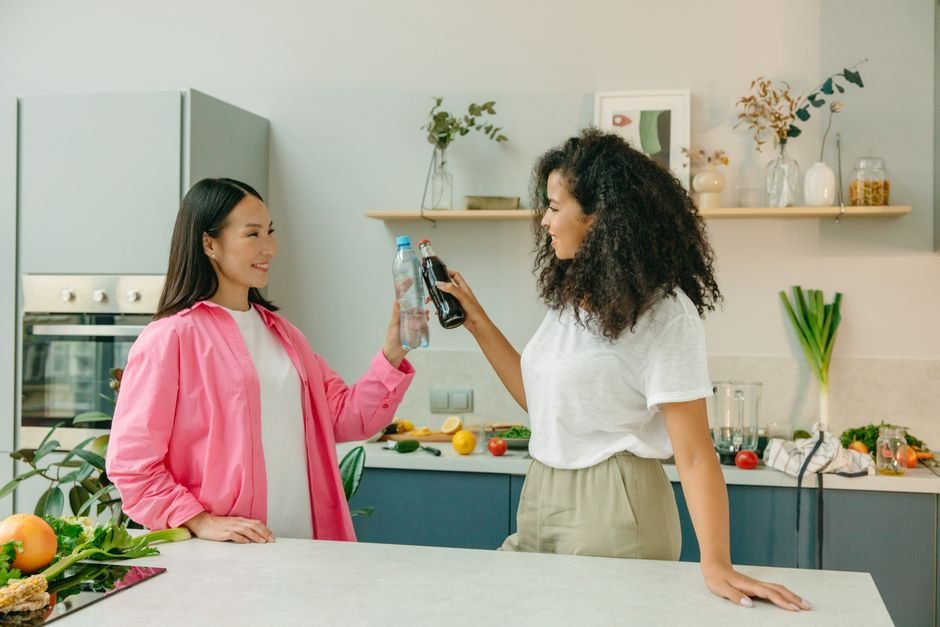
What you drink throughout the day has a quiet but cumulative effect on tooth enamel, often more significant than many people realise. While a single acidic or sugary drink is unlikely to cause noticeable harm, regular patterns of consumption over months and years can gradually wear down enamel, making beverage choices one of the more overlooked factors in long-term oral health.
Key takeaways
- Acidic drinks can soften enamel temporarily with each exposure.
- Frequency of consumption matters more than occasional indulgence.
- Sipping slowly over long periods increases cumulative enamel exposure.
- Water remains the most enamel-friendly everyday beverage choice.
- Simple habits like timing and rinsing can reduce long-term impact.
Why Are Acidic Drinks Particularly Hard on Enamel?
Enamel, while the hardest substance in the human body, is still vulnerable to acid. When acidic beverages, such as fruit juices, fizzy drinks or flavoured waters, come into contact with teeth, they temporarily soften the outer layer of enamel, making it more susceptible to physical wear until saliva has time to help neutralise the acid and support remineralisation.
This softening effect is temporary after a single exposure, but frequent acidic drink consumption throughout the day does not give enamel adequate time to fully recover between exposures. Over months and years, this repeated cycle of softening without full recovery can contribute to gradual, cumulative enamel erosion that becomes more noticeable over time.
Does Frequency Matter More Than Quantity?
Interestingly, how often a beverage is consumed tends to matter more for enamel health than the total quantity consumed in a day. Drinking a moderately sized acidic beverage all at once, followed by a period without further acidic exposure, is generally less harmful than sipping the same drink slowly over several hours, even if the total amount consumed is identical.
This is because each exposure resets the clock on enamel softening and recovery. Extended sipping keeps enamel in a more vulnerable state for a much longer cumulative period throughout the day, which is why habits like nursing a fizzy drink over an entire afternoon can be more damaging than a single, quicker serving.
How Does Sugar Content Factor Into the Equation?
Beyond acidity, many beverages also contain significant sugar, which introduces a separate but related concern. Bacteria in the mouth feed on sugar and produce acid as a by-product, meaning sugary drinks can contribute to enamel erosion even if the drink itself is not particularly acidic to begin with, compounding the direct acidic effect of some beverages.
Drinks that are both sugary and acidic, a combination found in many popular fizzy drinks and some juices, present something of a double impact on enamel, since they contribute to erosion through two separate mechanisms simultaneously. Being aware of this combined effect helps explain why these particular beverages are often highlighted as worth moderating.
Are All Fruit Juices Equally Concerning for Enamel?
Not all fruit juices have identical effects on enamel, since acidity levels vary depending on the specific fruit involved. Citrus-based juices tend to be more acidic than some other fruit juices, meaning they can have a more pronounced softening effect on enamel with regular consumption compared to less acidic alternatives.
This does not mean fruit juice needs to be avoided altogether, particularly given its nutritional benefits, but it does suggest that moderation and mindful timing, such as drinking juice alongside a meal rather than sipping it throughout the day, can help reduce its cumulative impact on enamel over time.
How Does Coffee and Tea Consumption Affect Enamel?
Coffee and tea are generally less acidic than many fizzy drinks or fruit juices, meaning their direct erosive effect on enamel is comparatively milder. However, both are well known for contributing to surface staining over time, which, while a separate issue from erosion, is still a common concern for people who consume these beverages regularly throughout the day.
Adding sugar to coffee or tea reintroduces the sugar-related concerns discussed earlier, compounding any staining effect with an additional contributor to bacterial acid production. Choosing to reduce added sugar, alongside mindful consumption patterns, can help address both staining and erosion concerns simultaneously for regular coffee or tea drinkers.
What Makes Water the Most Enamel-Friendly Choice?
Plain water has no acidity and no sugar content, making it essentially neutral in terms of any direct effect on enamel. Beyond simply avoiding harm, water also supports saliva production and helps rinse away food particles and residual acid from other foods and drinks consumed throughout the day, offering an active protective benefit alongside its lack of erosive potential.
Making water the default beverage choice between meals, rather than reaching for something acidic or sugary out of habit, is one of the simplest and most effective ways to support long-term enamel health. This single habit shift can meaningfully reduce overall daily acid and sugar exposure without requiring significant lifestyle change.
What Practical Habits Can Reduce Beverage-Related Enamel Wear?
Several simple adjustments can meaningfully reduce the impact of acidic or sugary drinks without requiring their complete elimination. Drinking through a straw can help reduce direct contact between a beverage and the front teeth, while rinsing with water after consuming an acidic or sugary drink helps neutralise leftover acid more quickly than saliva alone would manage.
Timing also matters. Consuming acidic or sugary beverages alongside a meal, rather than sipping them alone between meals, takes advantage of the increased saliva production that occurs during eating, which helps buffer acid more effectively. These small, practical adjustments add up meaningfully over months and years of consistent practice.
Should Brushing Happen Immediately After Drinking Something Acidic?
It might seem logical to brush immediately after consuming an acidic drink, but this can actually be counterproductive. Because acid temporarily softens enamel, brushing too soon afterward can cause more surface wear than brushing would normally cause, since the enamel is in a more vulnerable state immediately following acidic exposure.
Waiting around thirty minutes after consuming something acidic before brushing allows saliva time to help neutralise the acid and support some natural remineralisation first. Rinsing with plain water immediately after the drink, followed by a delayed brushing session, tends to be a more enamel-friendly sequence than brushing right away.
How Do Sports and Energy Drinks Compare to Other Beverages?
Sports and energy drinks are frequently formulated with both significant acidity and high sugar content, often making them among the more concerning everyday beverage choices for enamel health. They are also commonly consumed during or after physical activity, a time when the mouth may already be somewhat dehydrated, reducing the protective buffering effect that saliva would normally provide.
For casual, everyday hydration, water remains a far better default than sports or energy drinks, which are generally more appropriate for genuinely intense or prolonged physical exertion where their specific formulation serves a real purpose. Reserving these drinks for the situations they were actually designed for, rather than routine daily consumption, helps limit their cumulative impact on enamel.
Can Enamel-Friendly Habits Be Built Gradually Over Time?
Shifting long-standing beverage habits does not need to happen all at once to be effective. Gradually reducing the frequency of acidic or sugary drinks, replacing one daily serving with water at a time, tends to be a more sustainable approach than attempting a sudden, complete overhaul that may be difficult to maintain consistently over the long term.
Small, incremental changes compound meaningfully over months and years, much like the gradual enamel wear they are designed to prevent. Framing these adjustments as a long-term investment in oral health, rather than a strict short-term restriction, tends to make them easier to sustain and more likely to become a genuinely lasting habit.
Frequently Asked Questions
Is sparkling water as harmful to enamel as fizzy drinks?
Plain sparkling water is generally far less harmful than sugary fizzy drinks, since it lacks sugar and tends to be less acidic than flavoured or sweetened carbonated beverages, though it can still be mildly more acidic than still water.
Does drinking through a straw really make a meaningful difference?
Yes, using a straw can help reduce direct contact between an acidic or sugary beverage and the front teeth, which are often the most visibly affected area, making it a simple and genuinely useful habit.
How soon after drinking something acidic is it safe to brush?
Waiting approximately thirty minutes is generally recommended, giving saliva time to help neutralise acid and begin supporting remineralisation before the mechanical action of brushing is introduced.
Are diet or sugar-free fizzy drinks better for enamel?
They eliminate the sugar-related concern, but many diet or sugar-free versions remain acidic, meaning they can still contribute to enamel erosion, particularly with frequent consumption over time.
Can enamel that has already eroded be restored?
Enamel does not regenerate once it has been structurally lost, though early-stage softening can sometimes be supported through remineralisation. A dentist can assess the extent of any erosion and discuss appropriate options.

Matthew is a dental content writer passionate about helping readers understand their oral health, one article at a time.