Flossing becomes automatic the same way any habit does: by attaching it to an existing routine, removing friction from the process, and repeating it consistently until the brain no longer treats it as a decision. Most people who “forget” to floss are not lacking willpower; they simply have not built a reliable trigger that reminds them to do it every single day. Pairing flossing with an action that already happens without fail, such as brushing at night, and keeping the floss within arm’s reach of that moment, is usually enough to turn an occasional habit into a permanent one.
Key takeaways
- Flossing removes plaque and debris from between teeth that a toothbrush physically cannot reach.
- Attaching flossing to an existing daily routine, a technique known as habit stacking, is one of the most reliable ways to make it stick.
- The right tool matters less than consistency; floss picks, string floss, and water flossers can all be effective if used daily.
- New habits typically take several weeks of repetition before they start to feel automatic rather than effortful.
- Small barriers, such as floss being stored out of sight, are often the real reason a flossing habit fails to form.
Why Is Flossing So Hard to Turn Into a Habit?
Flossing tends to fall away from daily routines because it lacks the immediate, obvious feedback that brushing provides. A brushed mouth feels instantly cleaner, while the benefits of flossing are largely invisible in the short term, showing up over months and years as healthier gums and fewer cavities between teeth. Without that instant reward, the brain has less incentive to prioritise it, especially at the end of a long day when tiredness makes any extra step feel like a burden.
Another common obstacle is simple inconvenience. If floss is stored in a drawer, in another room, or buried behind other bathroom items, that small amount of extra effort is often enough to derail the habit before it starts. Habits form far more reliably when the required action is easy and visible, which is why the physical placement of floss in a household matters just as much as the intention to use it.
What Does Flossing Actually Do That Brushing Doesn’t?
A toothbrush cleans the front, back, and biting surfaces of teeth reasonably well, but its bristles cannot reach the tight contact points between adjacent teeth. Plaque and trapped food particles build up in these spaces regardless of how thoroughly someone brushes, and left undisturbed, that plaque hardens and contributes to both cavities between teeth and inflammation of the gum tissue that sits just below the contact point.
Flossing physically disrupts this build-up in a way brushing simply cannot replicate, which is why dental professionals consistently describe the two as complementary rather than interchangeable. Skipping flossing, even with excellent brushing technique, still leaves roughly a third of each tooth’s surface uncleaned. Over time, this gap is where much of the decay and gum irritation between teeth actually originates, making flossing a distinct and necessary part of a complete oral care routine rather than an optional extra.
What Is the Best Time of Day to Floss?
There is no strict rule that flossing must happen at a specific time, but most people find it easiest to sustain when it is done once daily, ideally in the evening before the final brush of the day. Flossing before bed clears away the day’s accumulated food debris and plaque before hours of reduced saliva flow during sleep, a period when the mouth is naturally more vulnerable to bacterial activity.
Some people prefer flossing in the morning if evenings tend to be rushed or unpredictable, and that is a perfectly reasonable alternative as long as it happens consistently. The single most important factor is not the exact time of day but the reliability of the slot chosen; picking a moment that rarely gets skipped, rather than chasing an ideal but unrealistic time, is what actually makes the habit last.
How Can Habit Stacking Make Flossing Stick?
Habit stacking is a simple technique where a new behaviour is deliberately linked to an existing one that already happens automatically, such as brushing teeth, making coffee, or getting into bed. Because the existing habit already has a strong, established trigger, attaching flossing directly before or after it borrows that same reliability, making the new behaviour far easier to remember than trying to build a completely standalone routine from nothing.
For flossing specifically, the most effective stack is usually placing it immediately before the evening brush, since both actions take place in the same location with the same tools already in hand. Saying a simple mental cue, such as “floss, then brush,” every time reinforces the sequence until it no longer requires conscious thought. Over a few weeks, the brain begins to treat the two actions as a single combined routine rather than two separate decisions.
Which Flossing Tools Make the Habit Easier to Maintain?
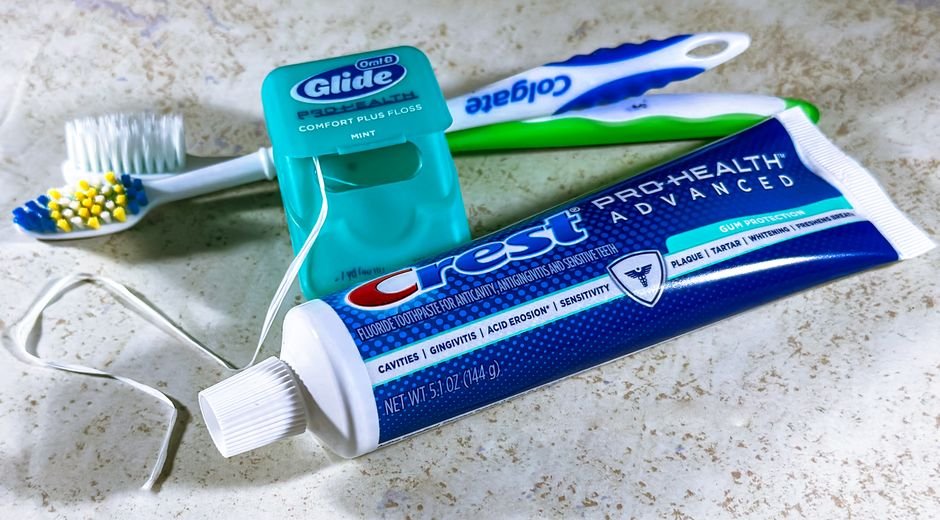
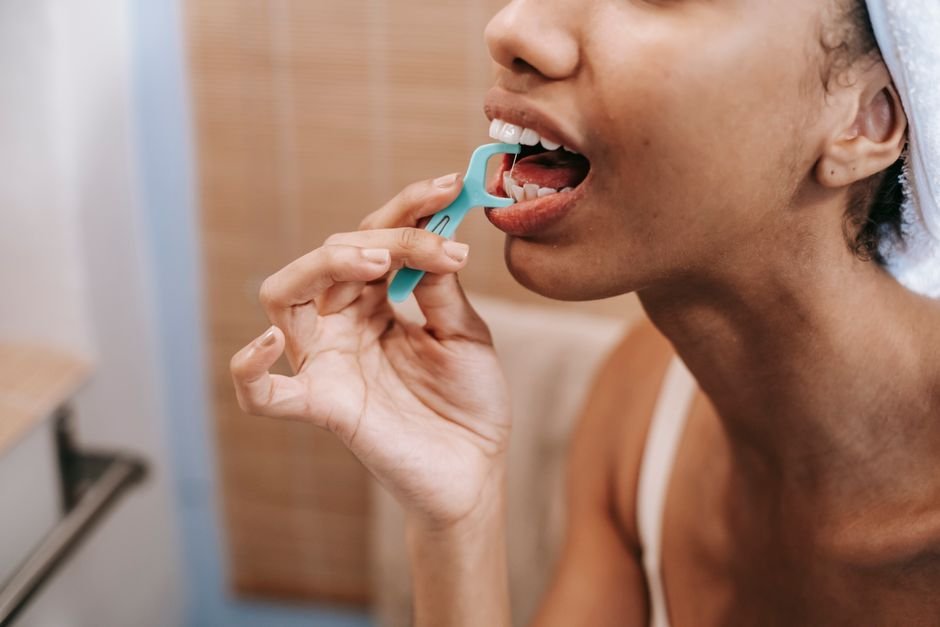
Traditional string floss remains highly effective and is often recommended because it can be shaped precisely around the curve of each tooth, but it does require a bit more manual dexterity and practice to use comfortably. Floss picks, which hold a short length of floss on a small plastic handle, are often easier for beginners, children, or anyone who finds wrapping floss around their fingers awkward, and they can be kept in convenient places like a car, bag, or desk drawer.
Water flossers use a pressurised stream of water to clean between teeth and along the gumline, and they can be a helpful option for people with braces, bridges, or limited hand dexterity. Interdental brushes, small brushes designed to fit between wider gaps, work well for people with more space between certain teeth. The most effective tool is ultimately whichever one someone will actually use every day without hesitation, since consistency matters far more than which specific product is chosen.
What Is the Correct Flossing Technique?
Effective flossing starts with roughly forty-five centimetres of floss, wound around the middle fingers of each hand and guided gently between teeth using the thumbs and index fingers. Rather than snapping the floss down forcefully, which can injure the gum tissue, it should be eased in with a gentle back-and-forth motion until it reaches the point where the tooth meets the gum.
Once there, the floss should be curved into a C-shape against the side of one tooth and moved gently up and down a few times before repeating the same motion against the neighbouring tooth. Using a clean section of floss for each gap prevents bacteria from simply being moved from one space to another. Light bleeding during the first week or two of a new flossing routine is common and usually settles as gum health improves, but persistent bleeding beyond that point is worth mentioning at a dental check-up.
How Long Does It Really Take for Flossing to Become Automatic?
Habit research generally suggests that new behaviours take anywhere from a few weeks to a couple of months of consistent repetition before they start to feel automatic rather than effortful, and the exact timeline varies considerably from person to person. What matters most during this early period is not perfection but consistency; missing a single day occasionally does not undo progress, but consciously deciding to skip it repeatedly early on makes it far more likely the habit never fully forms.
Tracking progress, even with something as simple as a tick on a calendar or a habit-tracking app, can provide the visible feedback that flossing itself lacks in the short term. Seeing an unbroken streak build day by day taps into a separate motivational reward that helps carry the habit through the weeks before the behaviour becomes second nature and requires no conscious reminder at all.
What Common Mistakes Derail a New Flossing Habit?
One of the most frequent mistakes is trying to build the habit around willpower alone, relying on remembering rather than designing an environment that makes flossing the easiest, most obvious option available. Storing floss out of sight, choosing an inconvenient time, or picking a tool that feels fiddly and unpleasant to use all increase the friction involved, and even small amounts of friction are enough to derail a habit that has not yet become automatic.
Another common misstep is treating a missed day as a failure that ends the habit entirely, rather than a normal part of building any new routine. All-or-nothing thinking often leads people to abandon flossing altogether after a lapse instead of simply resuming the next day. Setting an unrealistic goal, such as committing to flossing after every single meal rather than once a day, can also backfire by making the habit feel far more demanding than it needs to be to be effective.
How Can Families or Couples Support Each Other’s Flossing Habit?
Shared accountability can be a powerful tool for building any new routine, and flossing is no exception. When two or more people in a household commit to flossing at the same point in the evening, they naturally remind each other, and the shared bathroom routine becomes a built-in trigger that is harder to forget than a solitary habit practised alone. Simply floss being visible on the counter as someone else uses it can prompt a partner or family member to follow suit.
Light, friendly encouragement, rather than nagging, tends to work best for sustaining this kind of shared habit over the long term. Keeping multiple floss options available, since different people often prefer different tools, removes one more excuse for anyone in the household to skip the routine. Over time, a flossing habit that starts as an individual effort often becomes a normal, unremarkable part of the household’s shared evening routine.
Frequently Asked Questions
Is it better to floss before or after brushing?
Flossing before brushing is generally considered slightly more effective, since it loosens plaque and debris from between teeth first, allowing the fluoride in toothpaste to reach those areas more directly during the brush that follows. That said, the difference is modest, and doing both consistently each day matters far more than the specific order in which they happen.
Why do my gums bleed when I start flossing again after a break?
Bleeding after a period of inconsistent flossing usually indicates mild gum inflammation that has built up from plaque sitting undisturbed between teeth. As flossing resumes and becomes regular again, this bleeding typically reduces within one to two weeks as gum health improves. If bleeding continues well beyond that point, it is worth having it checked by a dental professional.
Can mouthwash replace flossing if I am short on time?
Mouthwash can reduce bacteria across the mouth generally, but it cannot physically dislodge plaque and food particles trapped tightly between teeth the way flossing does. The two serve different purposes, and mouthwash is best used as an addition to flossing and brushing rather than a substitute for either one.
Are floss picks as effective as traditional string floss?
Floss picks can be just as effective as traditional string floss when used correctly and consistently, particularly for people who find wrapping floss around their fingers difficult. The main limitation is that the small, fixed piece of floss on a pick can be harder to angle around tightly curved teeth, but for most people, a floss pick used daily is far better than string floss used rarely.
How long should flossing take once it becomes a habit?
Once the technique becomes familiar, flossing the entire mouth typically takes between one and three minutes. Early on, while still learning the correct motion and finding a comfortable rhythm, it may take a little longer, but this time usually shortens quickly as the movements become more natural and require less conscious thought.

Matthew is a dental content writer passionate about helping readers understand their oral health, one article at a time.