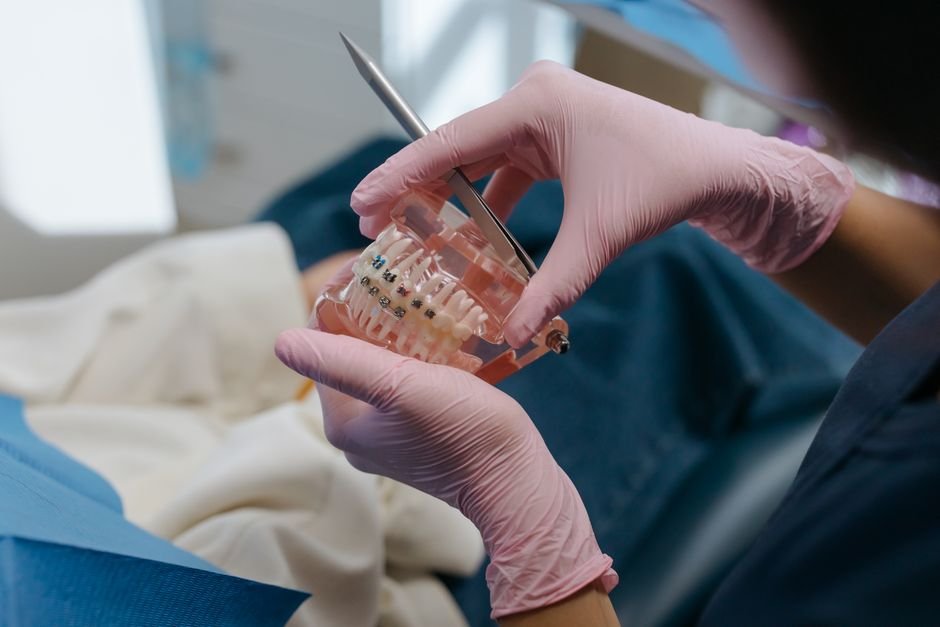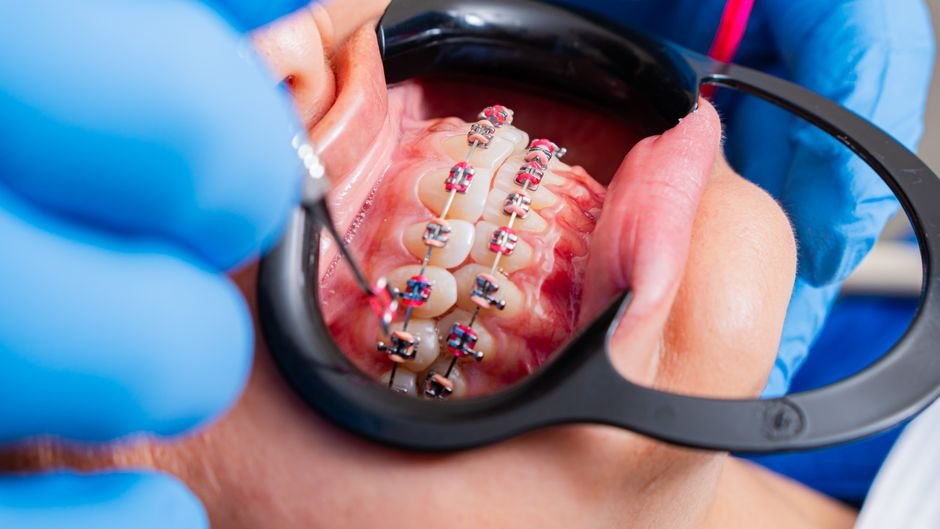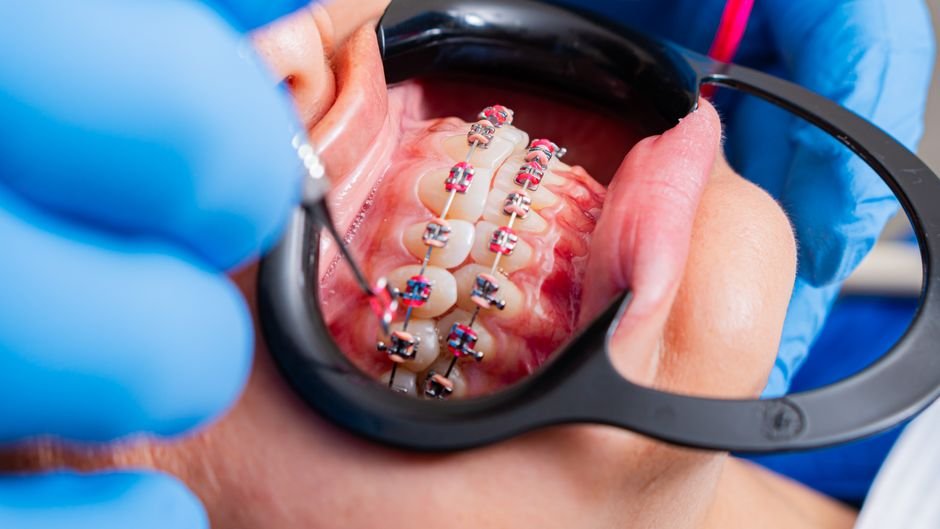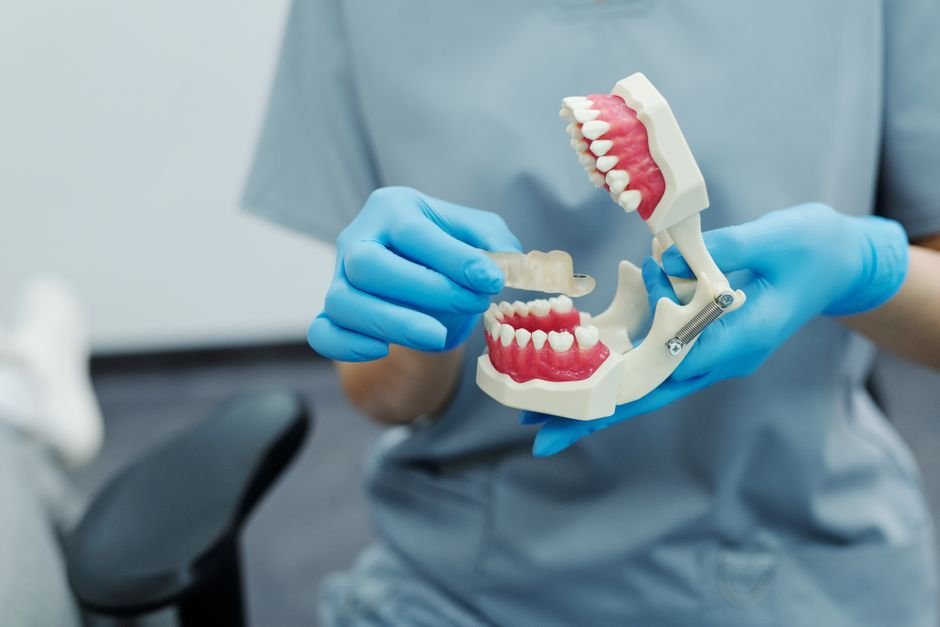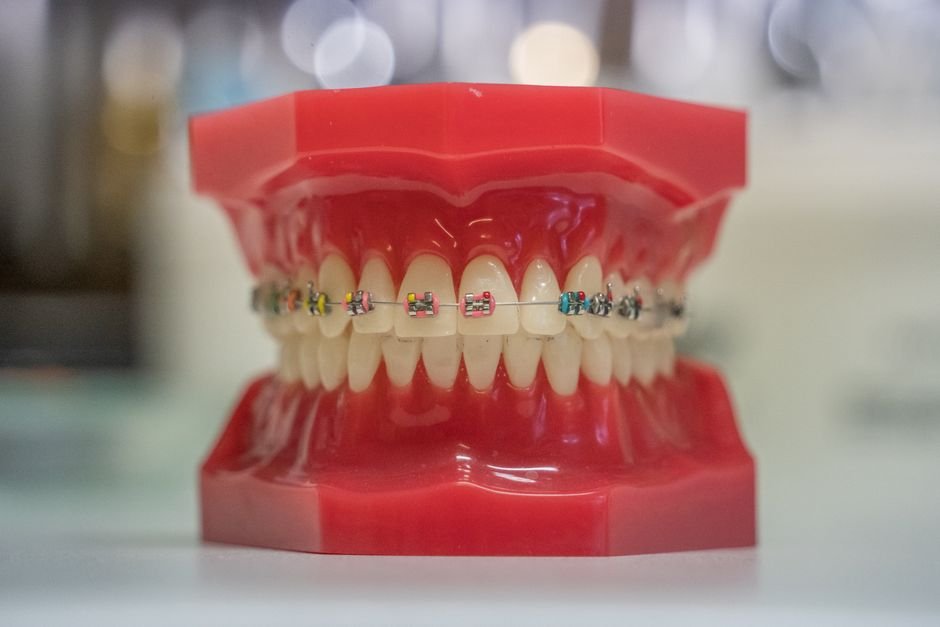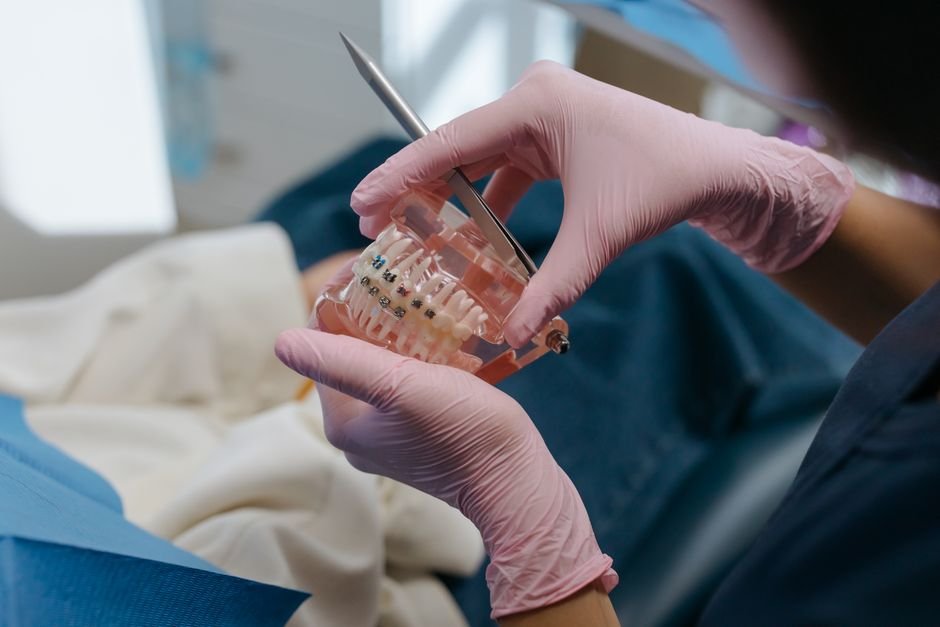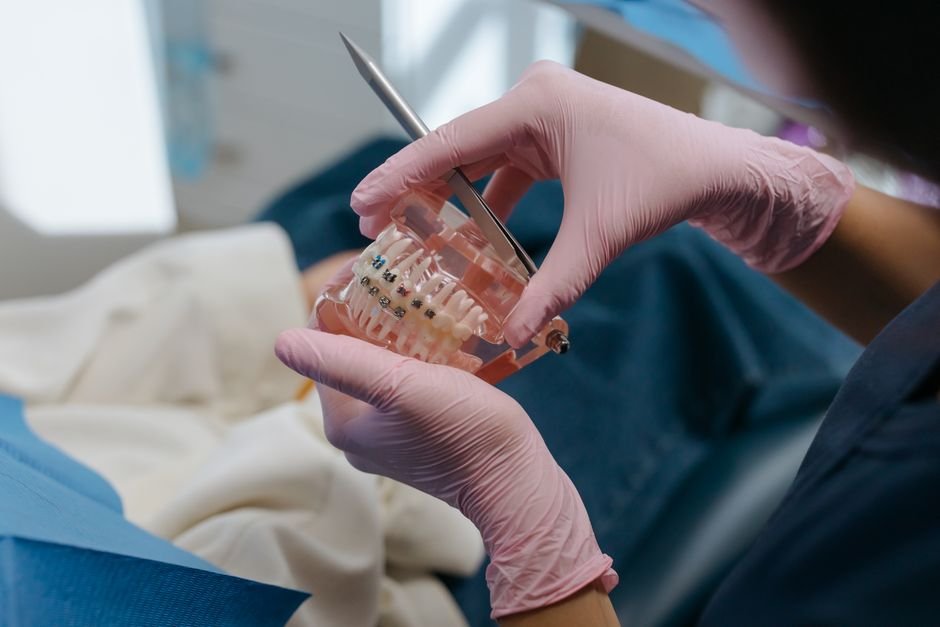

A palate expander is an orthodontic device used to gradually widen the upper jaw when it is too narrow to properly accommodate all the teeth or to align correctly with the lower jaw, and it works by applying steady pressure across the roof of the mouth to slowly separate the bone at the midline suture before new bone fills in the expanded space. This device is most commonly used in children and younger adolescents, whose jawbones are still developing and respond more predictably to this kind of gradual widening than fully mature adult bone does.
Key takeaways
- Palate expanders widen a narrow upper jaw by gradually separating the bone at the midline suture.
- They are most effective in children and younger adolescents whose jaw bones have not yet fully fused.
- Common uses include correcting crossbites, crowding, and narrow dental arches.
- Daily adjustment with a small key is typical during the active expansion phase.
- A retention period follows expansion to allow new bone to stabilise in place.
Why would a child need a palate expander?
A narrow upper jaw can cause several dental issues, including crowding, where there simply is not enough space for all the permanent teeth to erupt in proper alignment, and crossbite, where the upper teeth sit inside the lower teeth rather than slightly outside them as they should. Both of these issues can affect not just appearance but also how evenly a person bites and chews, and left unaddressed, they can contribute to more complex orthodontic problems as the child continues to grow.
An orthodontist typically identifies the need for expansion through a combination of a physical exam and imaging that shows how the upper and lower dental arches relate to each other, and how much space is available for the teeth that have yet to come in. Addressing a narrow palate early, while the jaw is still developing, is often more straightforward than addressing the same issue once growth has slowed considerably.
How does the expansion process actually work mechanically?
The upper jaw is made up of two bone plates joined at a suture running down the centre of the roof of the mouth, and in children this suture has not yet fully fused, which allows gradual, controlled pressure to slowly separate it over a period of weeks. A palate expander, typically fitted with bands or a bonded frame attached to the back teeth, applies this pressure through a small screw mechanism in the centre of the device.
As the screw is turned, typically once daily using a small key provided by the orthodontist, it applies a gentle outward force that gradually widens the gap at the suture. New bone naturally fills in this widened space over time, effectively creating a broader, more stable palate once the process is complete.
What does the daily adjustment process actually involve?
During the active expansion phase, a parent or the child themselves, depending on age, typically turns a small key inserted into the centre of the device once a day, which advances the screw a very small, precise amount. This process takes only a few seconds and causes a brief sensation of pressure, though most children adjust to the routine quickly and describe it as more strange than painful once they are used to it.
This daily turning continues for a period usually lasting a few weeks, with the orthodontist monitoring progress at intervals to check that the expansion is proceeding as planned and to determine when the target width has been achieved and the active phase can end.
Is the process uncomfortable for a child?
Most children experience some pressure sensation, particularly in the first few days, and may notice mild soreness in the teeth or a temporary gap appearing between the two upper front teeth as the suture separates, which is an expected and normal part of the process rather than a cause for concern. This gap typically closes on its own once the expander is removed and the teeth naturally shift back together, or with further orthodontic treatment if needed.
Adjusting to speaking and eating with the device in place usually takes a few days, since the appliance sits against the roof of the mouth and can affect how certain sounds and food textures feel initially. Most children adapt within a week or so and return to normal eating and speaking patterns without ongoing difficulty.
What happens after the active expansion phase ends?
Once the desired width has been achieved, the expander is typically left in place for a retention period, often several months, without further adjustment, allowing the new bone that has formed in the widened suture to fully harden and stabilise. Removing the device too early, before this new bone has solidified, risks the palate gradually narrowing back toward its original width.
After the retention period, the expander is removed, and depending on the individual case, further orthodontic treatment such as braces may follow to align the individual teeth within the now-widened arch. Palate expansion is often just one stage within a broader orthodontic treatment plan rather than a standalone final step.
Why does age matter so much for how well this treatment works?
The midline suture in the upper jaw gradually fuses as a person grows, typically becoming considerably more resistant to this kind of gradual separation by the time someone reaches late adolescence or adulthood. This is why palate expansion is most commonly recommended for younger patients, whose sutures are still open enough to respond predictably to steady, gentle pressure over a period of weeks.
In older adolescents or adults with a fully fused suture, achieving similar widening typically requires a surgical procedure to help separate the bone before an expansion appliance can be used effectively, which is a considerably more involved process than the non-surgical approach used in younger patients. This age-related difference is one of the main reasons orthodontists often recommend addressing a narrow palate as early as reasonably appropriate.
Are there different types of palate expanders?
Fixed expanders, bonded or banded to the back teeth, are the most common type used for active expansion, since they provide a stable anchor point for the steady pressure needed over the treatment period. Removable expanders exist as well, though they generally rely on the child consistently wearing the device as directed, which can make them less predictable for cases needing a precise, steady expansion.
The specific type recommended depends on the individual case, including the degree of narrowing present, the child’s age, and their ability to reliably manage a removable appliance if that option is being considered. An orthodontist’s assessment of the specific bite and jaw structure ultimately determines which type is most appropriate.
Does expanding the palate affect anything besides tooth alignment?
Widening the upper jaw can, in some cases, also create additional space in the nasal passage, since the floor of the nasal cavity sits directly above the roof of the mouth, and some children with airway concerns are evaluated for palate expansion partly for this reason alongside the dental benefits. This is not the primary purpose in most standard orthodontic cases, but it is a recognised secondary effect worth being aware of.
The primary and most consistent benefit remains improved alignment and available space for the permanent teeth, which supports a more stable, functional bite as the child’s remaining adult teeth continue to come in over the following years.
How should a child clean their teeth with an expander in place?
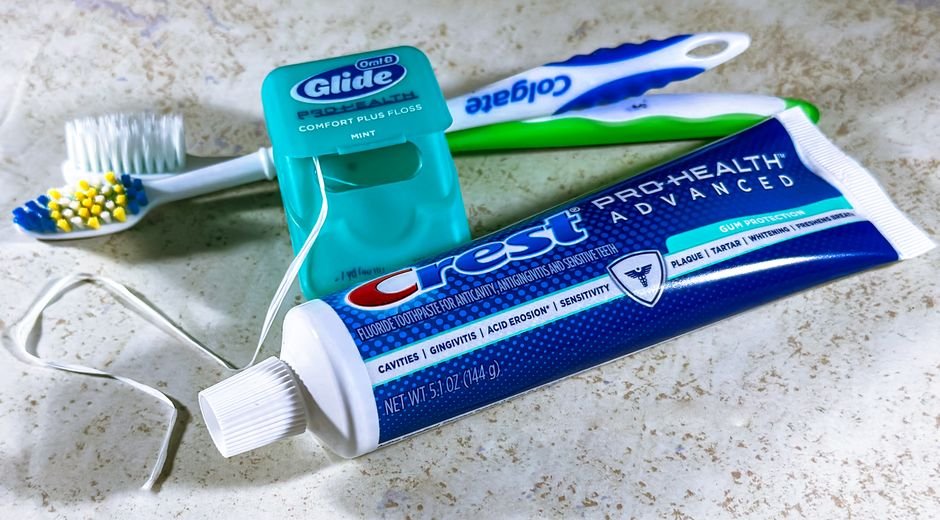
A palate expander adds extra surfaces around the back teeth where food particles and plaque can more easily collect, which means brushing needs a bit more attention and time than usual, particularly around the bands or bonded frame anchoring the device. Angling the toothbrush carefully to reach beneath and around the appliance, rather than just brushing straight across it, helps keep the area properly clean throughout treatment.
A water flosser can also be a useful addition during this period, since it can reach into small gaps around the expander that a toothbrush alone may struggle to clean thoroughly. Maintaining good oral hygiene throughout the expansion process helps prevent gum irritation or decay from developing around the appliance while it remains in place for the following months.
Frequently Asked Questions
At what age is palate expansion typically done?
It is most commonly performed during childhood or early adolescence, while the midline suture in the upper jaw has not yet fully fused, which allows for more predictable and gradual widening.
Is the gap between the front teeth during expansion permanent?
No, the temporary gap that often appears during active expansion typically closes on its own once the device is removed, or with further orthodontic treatment if some space remains afterward.
How long does someone typically need to wear a palate expander?
The active expansion phase usually lasts a few weeks, followed by a retention period of several months to allow the new bone to stabilise before the device is removed.
Does eating become difficult with a palate expander in place?
There is usually a short adjustment period of a few days where certain foods feel more difficult to manage, but most children return to normal eating patterns within a week or so.
Can adults get palate expansion treatment?
Adults can undergo palate expansion, but because the midline suture has typically fused by adulthood, it usually requires a surgical procedure first to allow the same kind of controlled widening used in children.

Matthew is a dental content writer passionate about helping readers understand their oral health, one article at a time.