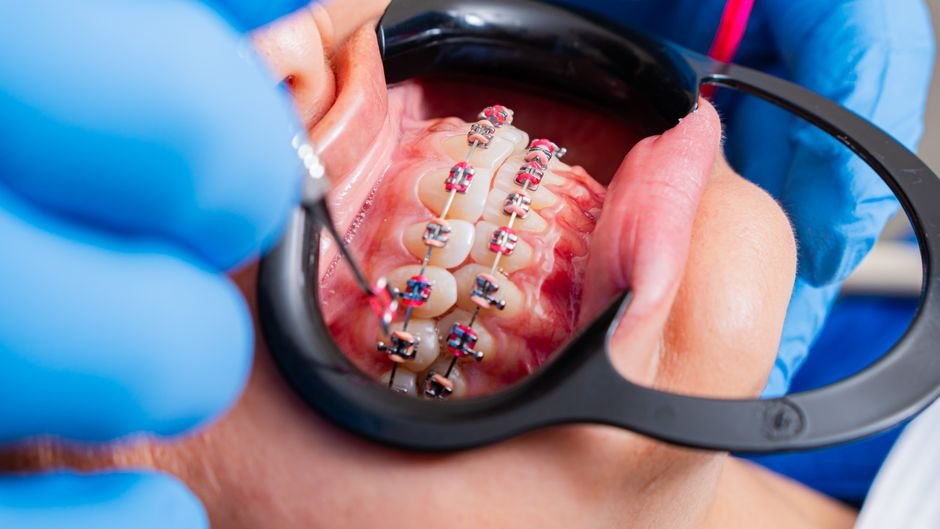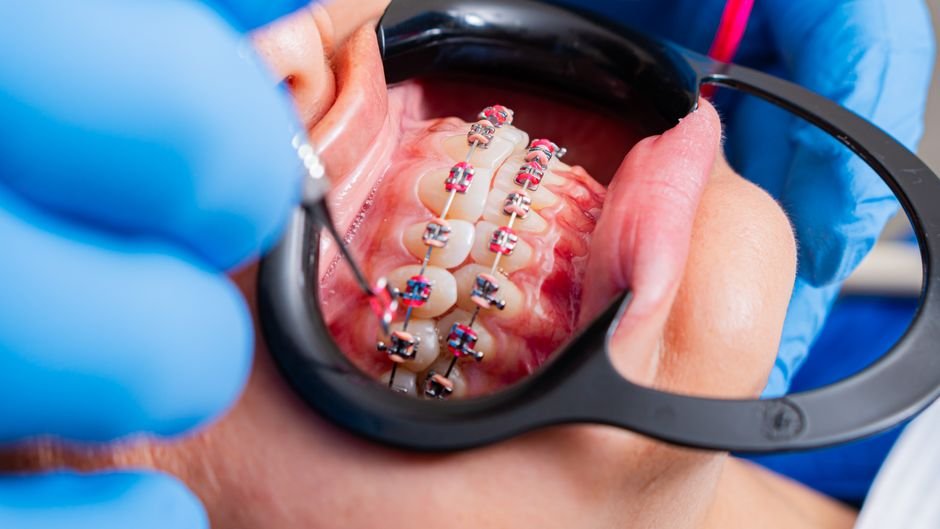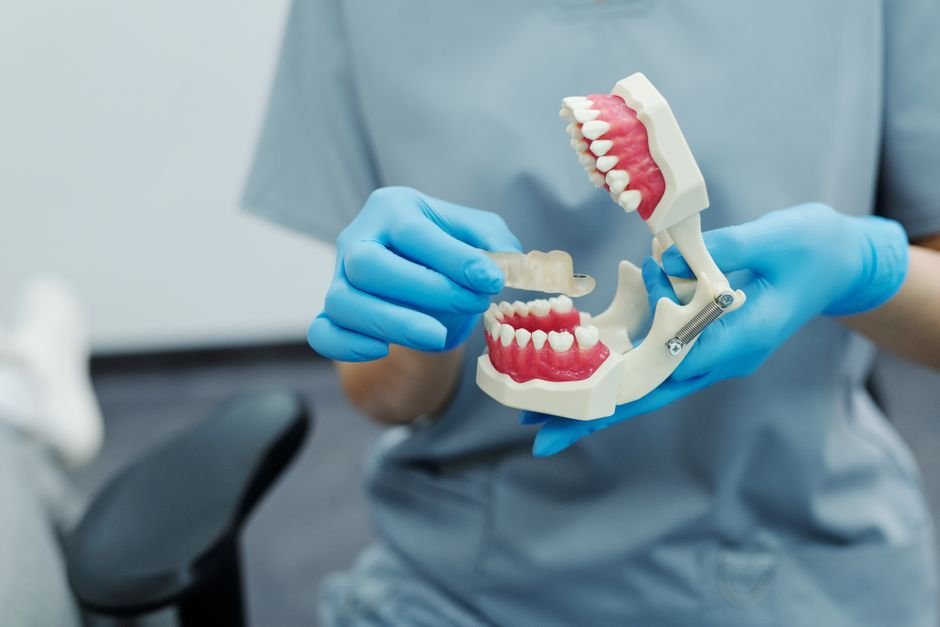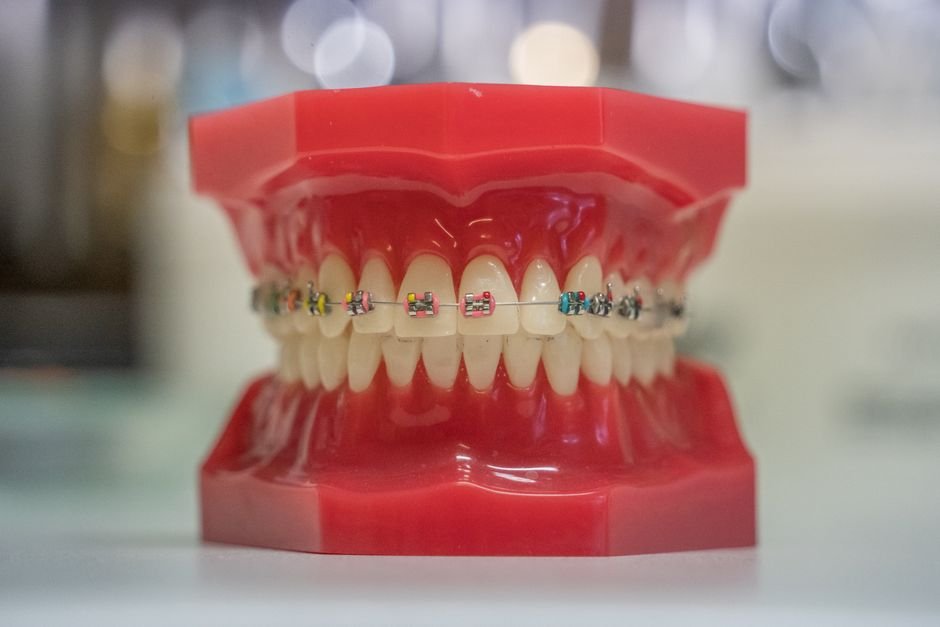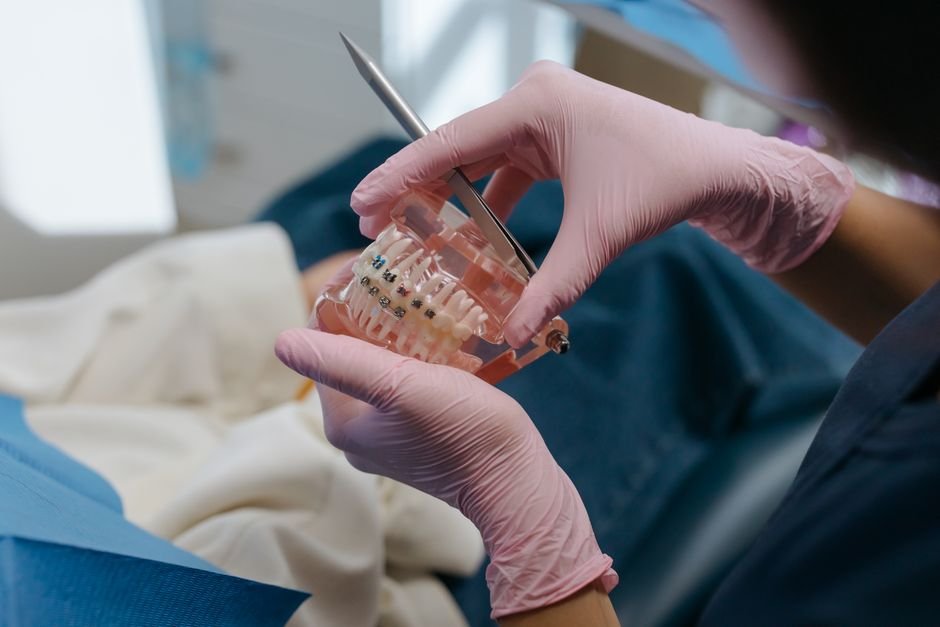
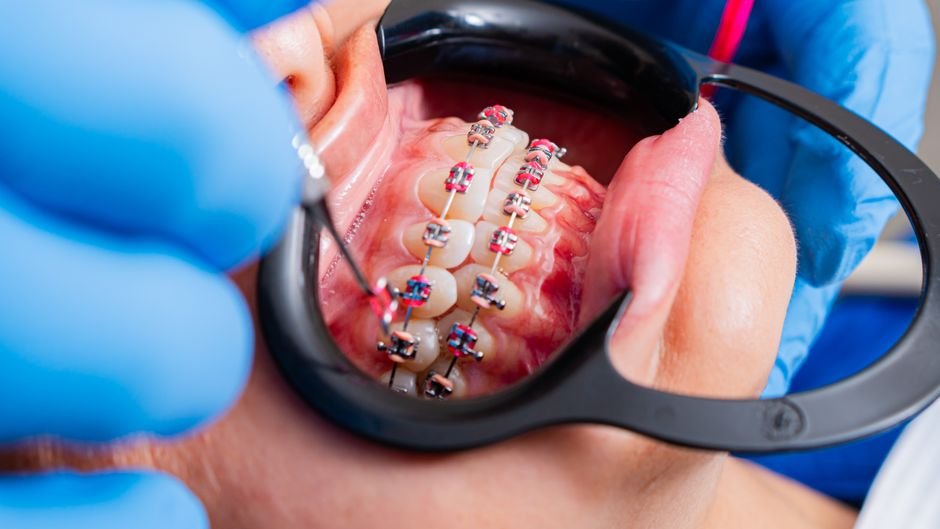
Orthodontic issues affect jaw function by changing how the upper and lower teeth meet, which can force the jaw joint and surrounding muscles to work harder or move unevenly to compensate. Problems like a misaligned bite, crowded teeth, or crossbite do not just affect appearance; over time they can contribute to jaw discomfort, clicking, or uneven wear that becomes more noticeable the longer misalignment goes unaddressed.
Key takeaways
- Misaligned teeth can force the jaw muscles and joint to work asymmetrically.
- Crossbites and overbites are particularly linked to uneven jaw strain over time.
- Jaw clicking or popping often develops gradually alongside untreated bite issues.
- Orthodontic treatment can improve jaw function, not just tooth alignment.
- Persistent jaw pain or limited movement is worth discussing with a dental professional.
How Are Teeth Alignment and Jaw Function Connected?
The jaw joint, muscles, and teeth all work together as a coordinated system every time you chew, speak, or even rest your mouth closed. When teeth are properly aligned, the bite distributes force evenly across the jaw, allowing the surrounding muscles to work in a balanced, predictable way throughout the day.
When teeth are misaligned, this even distribution breaks down. The jaw may need to shift slightly to find a comfortable bite position, or certain muscles may compensate more than others during chewing. Over months and years, this uneven workload can contribute to muscle fatigue and joint strain that would not occur with a properly aligned bite.
What Is the Difference Between an Overbite, Underbite, and Crossbite?
An overbite occurs when the upper front teeth extend noticeably further forward than the lower teeth, while an underbite is the reverse, with the lower teeth positioned in front of the upper ones. A crossbite happens when some upper teeth sit inside the lower teeth rather than outside, creating an uneven bite pattern across one or both sides of the mouth.
Each of these bite patterns changes how chewing forces travel through the jaw. Crossbites in particular are associated with asymmetrical jaw development and muscle strain, since one side of the jaw often ends up working differently from the other to accommodate the misalignment.
Can Crowded or Crooked Teeth Affect the Jaw Joint?
Crowded teeth do not just create cleaning challenges; they can also affect where the jaw naturally settles when the mouth is closed. If teeth are overlapping or angled awkwardly, the jaw may need to find an unusual resting position to allow the teeth to fit together at all, which places atypical strain on the jaw joint over time.
This altered resting position, sometimes small enough to go unnoticed day to day, can accumulate into muscle tension around the jaw and temples. People with significant crowding sometimes report jaw fatigue after extended talking or chewing, which often improves once alignment is corrected through orthodontic treatment.
Why Does Jaw Clicking Sometimes Develop Alongside Bite Problems?
Jaw clicking or popping, often linked to the jaw joint itself rather than the teeth directly, can develop when an uneven bite causes the jaw to move along a slightly different path than it was designed to follow. Over time, this altered movement pattern can affect the small disc of cartilage within the jaw joint, leading to the clicking or popping sound some people notice when opening or closing their mouth.
Not every case of jaw clicking is linked to orthodontic issues, since other factors like grinding or joint injury can also cause it. However, when clicking develops alongside a noticeable bite problem, addressing the alignment is often part of a broader approach to easing joint strain.
Does Untreated Misalignment Get Worse Over Time?
Bite misalignment does not typically resolve on its own and can, in some cases, become more pronounced as jaw muscles adapt further to compensate for the uneven bite. What starts as a minor asymmetry in childhood or adolescence can become a more established pattern of muscle tension and joint strain by adulthood if left unaddressed.
This gradual progression is one reason orthodontic issues are often easier to correct earlier rather than later, since the jaw and surrounding muscles have had less time to build compensatory habits around the misalignment. Early evaluation gives more options for guiding both tooth position and jaw function together.
How Does Orthodontic Treatment Help Jaw Function?
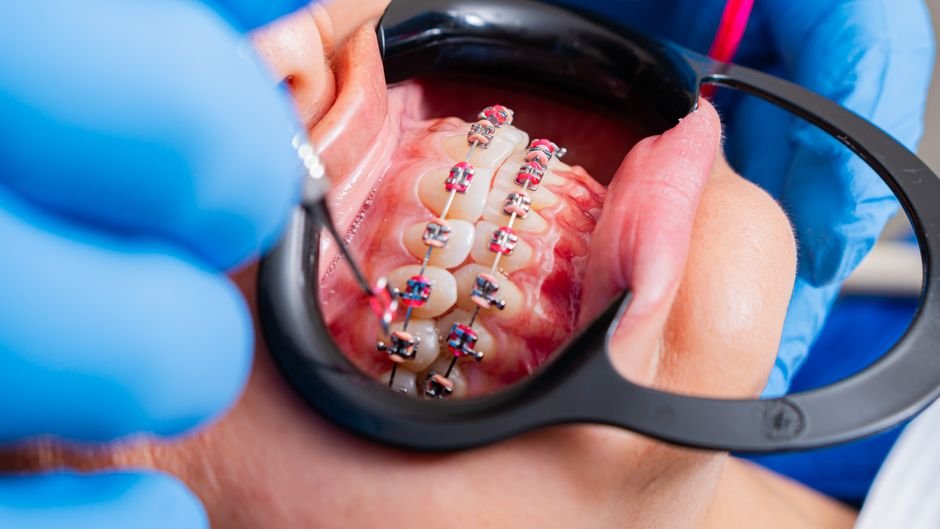
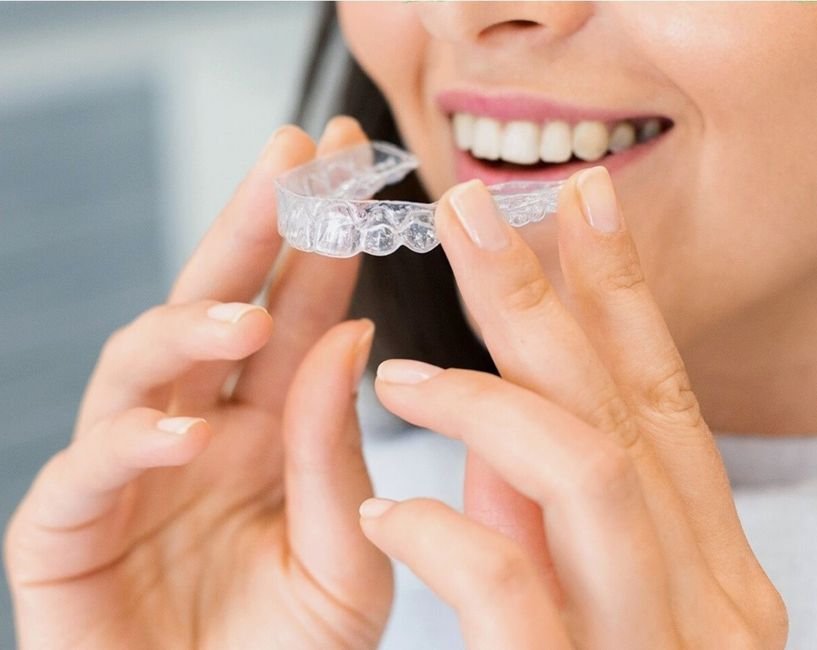
Orthodontic treatment works by gradually repositioning teeth into a more balanced bite, which allows chewing forces to distribute more evenly across the jaw. As alignment improves, the jaw muscles often adjust to a more symmetrical, less strained pattern of movement, which can ease some of the discomfort associated with the original misalignment.
In cases involving more significant bite discrepancies, treatment may also involve guiding jaw growth or position, particularly when started during adolescence while growth is still occurring. For adults, treatment still improves bite balance, though changes to jaw positioning itself are generally more limited once growth has finished.
What Symptoms Suggest a Bite Issue Is Affecting Your Jaw?
Jaw soreness after chewing, a feeling of the jaw being tired by the end of the day, or noticeable clicking when opening the mouth wide can all point toward an underlying bite issue affecting jaw function. Headaches centred around the temples, particularly ones that build through the day, are sometimes connected as well.
Difficulty finding a comfortable resting position for the jaw, or noticing that one side of the mouth seems to do more of the chewing work, are also worth paying attention to. These patterns are useful details to share with a dentist or orthodontist, since they help pinpoint whether alignment is a contributing factor.
When Should You See a Professional About Jaw and Bite Concerns?
If jaw discomfort, clicking, or uneven chewing patterns persist for more than a few weeks, it is worth having both the bite and jaw joint assessed together rather than treating them as separate issues. A combined evaluation gives a clearer picture of whether misalignment is contributing to the jaw symptoms being experienced.
Early assessment is particularly useful for children and teenagers, since growth periods offer more flexibility for guiding both bite and jaw development. For adults, an evaluation still helps clarify treatment options and can prevent existing strain patterns from becoming more entrenched over time.
How Does Grinding Interact With an Existing Bite Problem?
Teeth grinding, often happening unconsciously during sleep, tends to be more pronounced and more damaging when combined with an existing bite misalignment. An uneven bite gives grinding a less stable surface to work against, which can intensify the mechanical stress placed on both the teeth and the jaw joint during a grinding episode.
This overlap can make it harder to tell which issue is driving symptoms like jaw soreness or headaches, since grinding and misalignment often produce similar patterns of discomfort. Addressing bite alignment alongside grinding-specific treatments, such as a night guard, tends to give a more complete approach to easing jaw strain.
What Everyday Habits Can Ease Jaw Strain While Awaiting Treatment?
Sticking to softer foods and cutting larger portions into smaller pieces reduces the force the jaw needs to generate during chewing, which can ease discomfort for people dealing with bite-related jaw strain. Avoiding excessive gum chewing or biting on hard objects like pens also reduces unnecessary strain on an already compensating jaw.
Gentle jaw stretches and being mindful of clenching during stressful moments, such as while working or driving, can also help in the short term. These habits do not correct the underlying misalignment, but they can meaningfully reduce day-to-day discomfort while a longer-term treatment plan is being considered.
Frequently Asked Questions
Can fixing my bite stop my jaw from clicking?
In many cases, correcting an underlying bite issue reduces the uneven strain that contributes to jaw clicking, though results vary depending on how long the pattern has been present and other contributing factors like grinding.
Is jaw pain always related to orthodontic problems?
Not always. Jaw pain can stem from grinding, stress, injury, or joint conditions unrelated to bite alignment. A professional evaluation helps determine whether an orthodontic issue is contributing to the symptoms.
At what age is it best to address bite-related jaw concerns?
Addressing significant bite issues during childhood or adolescence, while jaw growth is still occurring, generally offers the most flexibility. However, adults can still benefit from treatment to improve bite balance and reduce ongoing strain.
Can a crossbite really cause one side of the jaw to develop differently?
Yes, an untreated crossbite can contribute to asymmetrical jaw muscle use and, in growing children, may influence how the jaw develops on each side if left unaddressed for an extended period.
Will orthodontic treatment guarantee my jaw pain goes away completely?
Treatment often eases bite-related jaw strain, but it cannot address every possible cause of jaw pain. A dentist or orthodontist can clarify how much of the discomfort is likely linked to alignment versus other factors.

Matthew is a dental content writer passionate about helping readers understand their oral health, one article at a time.