
Family history affects dental health because many of the traits that determine how resistant your teeth and gums are to problems, such as enamel strength, jaw shape, saliva composition, and susceptibility to gum disease, are influenced by inherited genes. On top of this biological inheritance, families also tend to share habits, diets, and attitudes toward oral hygiene, which compound any genetic tendencies. The result is that certain dental issues, from crowded teeth to a higher risk of decay or gum disease, often appear repeatedly across generations of the same family.
Key takeaways
- Jaw size, tooth shape, and enamel quality are all traits that can be inherited from parents.
- A family history of gum disease can indicate a genetic tendency toward a stronger inflammatory response.
- Shared household habits, such as diet and oral hygiene routines, reinforce genetic tendencies.
- Knowing your family’s dental history helps a dental team tailor prevention and monitoring.
- Genetics is not destiny; consistent oral care can offset many inherited risk factors.
Can crooked teeth really run in families?
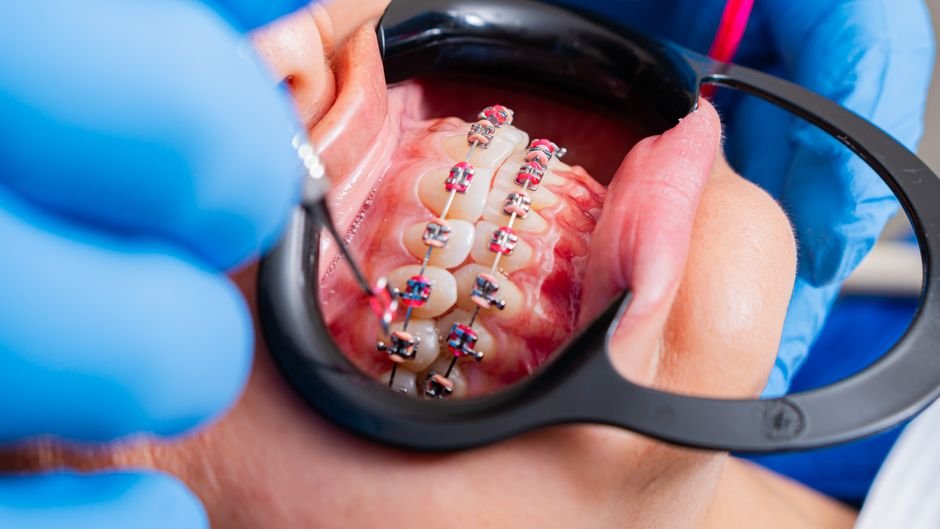
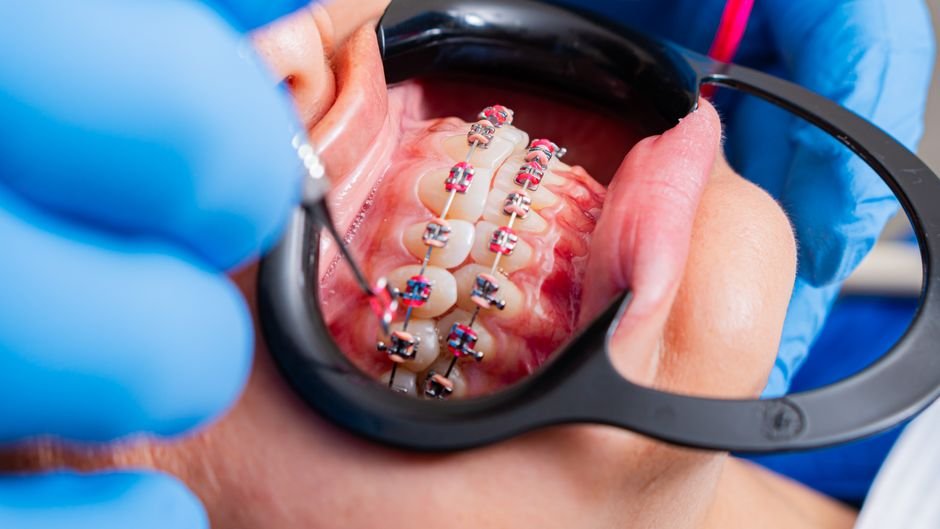
The size and shape of the jaw, along with the size of individual teeth, are strongly influenced by inherited genes. Problems arise when a child inherits a jaw size from one parent and tooth size from the other, creating a mismatch where the teeth simply do not have enough room to align properly. This is one of the most common reasons crowding, gaps, or bite irregularities appear consistently across generations within the same family, independent of any habits or lifestyle factors.
Beyond overall jaw dimensions, specific traits such as an unusually narrow palate, a pronounced overbite or underbite, or missing teeth can also be passed down. Families sometimes notice that several members share a very similar smile shape or the same pattern of misalignment, which reflects this shared genetic blueprint. Recognising these patterns early, particularly in children, allows problems to be monitored and addressed while the jaw is still developing, often making correction more straightforward than waiting until adulthood.
Does a family history of gum disease increase personal risk?
Gum disease develops when bacteria in plaque trigger an inflammatory response in the gum tissue, but not everyone’s immune system responds to that bacterial presence in the same way. Research into families has shown that some people inherit a more intense inflammatory response, meaning their gums react more aggressively to the same level of plaque than someone without that genetic tendency. This helps explain why gum disease can appear to cluster within families even when oral hygiene habits look broadly similar.
This does not mean gum disease is unavoidable if it runs in the family; it means extra vigilance is worthwhile. People with relatives who have experienced gum disease benefit from being particularly consistent with brushing, interdental cleaning, and regular professional check-ups, since catching early inflammation before it progresses to more advanced disease is far easier to manage. Mentioning a family history of gum problems to a dental team allows them to monitor gum health more closely and intervene earlier if warning signs appear.
Is tooth decay influenced by genetics as well as diet?
Tooth decay is primarily driven by diet and oral hygiene, but genetics plays a meaningful supporting role. The strength and mineral composition of enamel, the protective outer layer of the tooth, varies between individuals partly due to inherited factors, meaning some people naturally have more decay-resistant enamel than others. The shape of the grooves on the chewing surfaces of molars is another inherited trait; deeper grooves can trap food and plaque more easily, making those teeth more prone to decay regardless of how carefully someone brushes.
Saliva also plays an important protective role, since it helps neutralise acids and wash away food particles, and both the quantity and composition of saliva can be influenced by inherited factors. Someone with naturally lower saliva flow may find they are more prone to decay even with a reasonable diet and hygiene routine. None of this removes the importance of brushing, limiting sugary foods, and attending check-ups, but it does explain why two people with similar habits can still have quite different experiences with tooth decay.
How do shared family habits add to genetic tendencies?
Genetics rarely acts alone, because families also share environments, routines, and attitudes that shape oral health outcomes. Children typically learn brushing habits, attitudes toward dental visits, and dietary patterns from the adults around them, and these learned behaviours can either offset or reinforce inherited risks. A household where sugary snacks are frequent and dental visits are irregular will tend to see decay rates rise, compounding any genetic predisposition already present.
This overlap between nature and habit can make it difficult to separate what is truly inherited from what is simply learned, but from a practical standpoint the distinction matters less than the outcome. Families who are aware that a particular issue, such as decay or gum sensitivity, seems to affect multiple relatives can use that awareness as motivation to strengthen shared habits, such as establishing a consistent brushing routine or reducing frequent sugary snacking together as a household, rather than assuming the outcome is fixed.
Why does knowing your family’s dental history help your dental team?
When a dental team understands that a patient has close relatives with a history of issues such as early tooth loss, gum disease, or significant misalignment, they can adjust how closely certain aspects of that patient’s oral health are monitored. For example, a patient with a strong family history of gum disease might be scheduled for more frequent periodontal assessments, while someone from a family with a pattern of crowding might be referred for an orthodontic opinion earlier rather than later.
This kind of tailored attention does not replace standard preventive care, but it does allow potential problems to be caught at an earlier, more manageable stage. Sharing details about relatives’ dental issues during a check-up, even ones that might seem unrelated, gives the dental team a fuller picture and helps them ask the right follow-up questions. Patients are often unaware that this information is relevant, but it can meaningfully shape the advice and monitoring they receive.
Are there conditions beyond decay and gum disease with a genetic link?
Yes, several less common conditions affecting the teeth have a clear hereditary component. Conditions that affect how enamel or dentine form during tooth development, for instance, can run strongly in families and result in teeth that are more fragile, discoloured, or prone to wear than usual. Similarly, some patterns of missing teeth, where one or more teeth never develop at all, have a recognised genetic basis and often appear in multiple family members.
Cleft lip and palate, along with certain syndromes that affect facial and jaw development, also have hereditary links and carry significant implications for dental development and treatment planning. While these conditions are less common than everyday decay or gum disease, they illustrate how broad the genetic influence on oral health can be. Anyone aware of such conditions within their family should mention this during dental appointments, since it can inform both preventive strategies and the timing of any specialist referrals.
Does genetics affect how teeth respond to orthodontic or restorative treatment?
Inherited traits can influence not just whether problems develop but how the mouth responds to treatment. Bone density and the rate at which bone remodels, both of which have hereditary components, affect how predictably teeth move during orthodontic treatment. Similarly, the natural strength of enamel and dentine can influence how well restorations such as fillings bond and hold up over time, meaning outcomes can vary somewhat between individuals even when the same materials and techniques are used.
Understanding these inherited tendencies allows a dental team to set realistic expectations and choose approaches suited to an individual’s biology rather than assuming a one-size-fits-all response. A patient whose family has a history of naturally brittle enamel, for example, might benefit from particular attention to protective measures such as consistent fluoride use. This underlines why family history is treated as clinically relevant information rather than simply background detail.
Can lifestyle changes offset an inherited risk?
A genetic predisposition toward decay, gum disease, or enamel weakness is not the same as an inevitable outcome. Consistent oral hygiene, a diet lower in frequent sugary snacking, adequate hydration to support healthy saliva flow, and regular professional check-ups all meaningfully reduce risk regardless of underlying genetic tendencies. In many cases, someone with a strong family history of dental problems who maintains excellent habits can have noticeably better outcomes than a relative who shares the same genetic background but has less consistent habits.
This is an encouraging way to think about inherited risk: genetics may set a starting point, but daily habits and professional care determine much of the actual outcome. Rather than viewing a family history of dental issues as discouraging, it can be used constructively, as a reason to be more diligent with prevention and to seek professional advice sooner rather than later. This proactive approach tends to produce far better long-term results than genetics alone would predict.
Frequently Asked Questions
Should I tell my dental team about relatives’ dental problems even if I feel fine?
Yes, sharing this information is worthwhile even without current symptoms, since certain conditions such as gum disease or enamel defects can be present in early stages before they become noticeable. This context allows monitoring and preventive advice to be tailored more closely to your actual risk level.
If both my parents had healthy teeth, does that mean I am not at risk of dental problems?
Not necessarily, because oral health depends on a combination of genetics, habits, and diet rather than genetics alone. Even with a favourable family history, decay and gum disease can still develop from inconsistent hygiene or a diet high in frequent sugary foods and drinks.
Can inherited jaw shape be corrected without waiting until adulthood?
In many cases, inherited jaw or bite irregularities can be monitored from childhood, and some issues are more straightforward to address while the jaw is still developing. Early assessment allows a clinician to determine the most suitable time to begin any necessary treatment.
Is gum disease definitely going to develop if it runs in my family?
A family history increases the likelihood of a stronger inflammatory response to plaque, but it does not guarantee gum disease will develop. Thorough daily cleaning and regular professional monitoring substantially reduce this risk even in people with a genetic predisposition.
Does family history matter more for children than adults?
Family history is relevant at every age, but it can be especially useful to consider during childhood, since early identification of inherited tendencies allows preventive steps, closer monitoring, or timely referrals before issues become more established.

Matthew is a dental content writer passionate about helping readers understand their oral health, one article at a time.