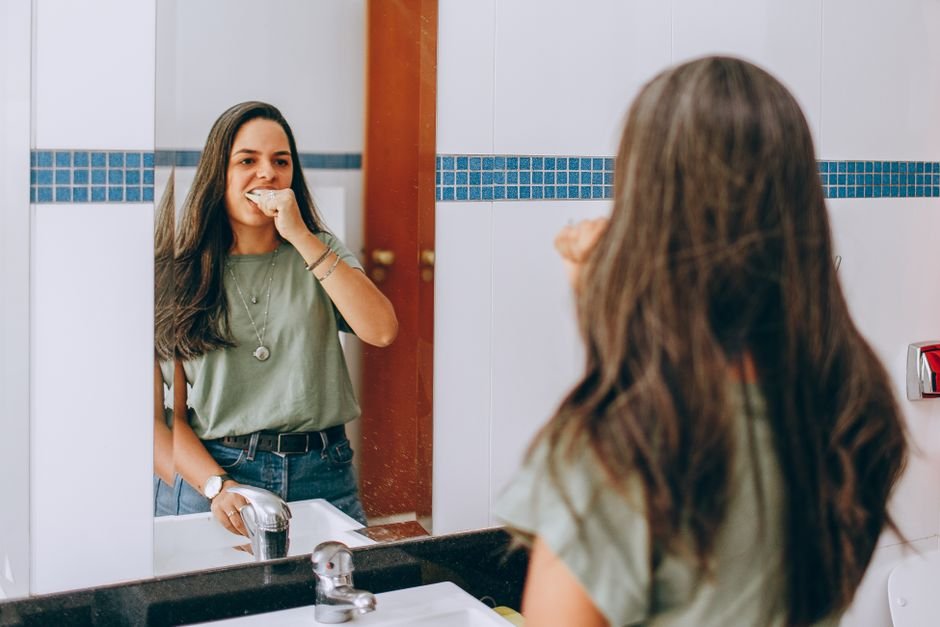

A solid evening dental routine protects your smile by removing the day’s accumulated plaque and food debris before hours of overnight saliva reduction give bacteria an easier opportunity to cause damage. Brushing thoroughly, flossing daily, and avoiding food or sugary drinks right before bed are the core habits that make the biggest difference to how your teeth fare overnight.
Key takeaways
- Saliva production naturally drops overnight, making evening cleaning especially important.
- Thorough brushing and flossing before bed removes the day’s plaque buildup.
- Eating or drinking sugary items right before bed increases overnight decay risk.
- A consistent order of steps helps make the routine easier to stick to long term.
- Small adjustments, like winding down brushing time, can improve overall thoroughness.
Why Is Evening Cleaning More Important Than It Might Seem?
Saliva plays a significant protective role during the day, helping to wash away food particles and neutralise acids produced by bacteria. Saliva production naturally decreases significantly during sleep, meaning the mouth loses much of this natural defence overnight. Any plaque or food debris left on the teeth before bed has an extended, largely uninterrupted opportunity to interact with bacteria and produce acid.
This is why dental professionals consistently emphasise that the evening clean matters just as much, if not more, than brushing earlier in the day. Skipping or rushing through evening brushing effectively gives bacteria a multi-hour window with reduced natural protection, which can meaningfully increase the risk of decay over time if it becomes a regular habit.
What Should a Thorough Evening Brushing Routine Include?
An effective evening brushing routine involves covering every surface of every tooth, including the front, back, and chewing surfaces, using gentle circular or short back-and-forth motions with a soft-bristled brush. Rushing through this process, particularly when tired at the end of the day, is one of the most common reasons plaque is left behind despite brushing having technically occurred.
Spending the full recommended two minutes, rather than a much shorter, hurried pass, makes a meaningful difference in how thoroughly plaque is actually removed. Some people find that using a timer, or an electric toothbrush with a built-in timer, helps ensure they consistently spend adequate time even when they feel tired or rushed before bed.
Why Does Flossing Matter So Much in an Evening Routine?
Flossing removes plaque and food particles from between the teeth, areas that a toothbrush cannot reach effectively regardless of how thoroughly someone brushes. Since these tight spaces are common sites for decay to develop, incorporating flossing into an evening routine addresses a gap that brushing alone leaves uncovered.
Many people find flossing easier to maintain consistently when it becomes a fixed step in their evening routine, performed either before or after brushing, rather than something done sporadically. Establishing a specific order, such as flossing first to loosen debris before a final brush, can help make the overall routine feel more logical and easier to stick to consistently.
Does It Matter What You Eat or Drink Before Bed?
Consuming sugary or starchy foods and drinks shortly before bed gives acid-producing bacteria fresh fuel right before the mouth’s natural saliva-based defences decrease overnight. This combination of factors makes late-night sugary snacks or beverages particularly likely to contribute to decay compared with the same items consumed earlier in the day.
If a late snack is unavoidable, choosing options lower in sugar and following up with thorough brushing afterwards, rather than skipping the clean because it feels like “too much effort” before bed, helps offset some of the added risk. Plain water is generally a safe choice if something is needed close to bedtime, since it does not feed bacteria in the same way sugary options do.
Should Mouthwash Be Part of an Evening Routine?
Many people choose to incorporate a fluoride or antibacterial mouthwash into their evening routine, typically used after brushing and flossing, to provide an additional layer of protection overnight. Mouthwash can help reach areas that brushing and flossing might miss and can leave a protective fluoride layer on the teeth going into the extended overnight period.
It is worth checking with a dentist about whether rinsing with water immediately after using a fluoride mouthwash is advisable, since doing so can wash away some of the fluoride’s benefit depending on the specific product. Following the instructions on the particular mouthwash being used, or asking a dentist directly, helps ensure it is used most effectively.
How Can a Consistent Order of Steps Help?
Following the same sequence of steps each evening, such as flossing, brushing, then rinsing, helps turn the routine into more of an automatic habit rather than something requiring conscious decision-making each night. This consistency can be particularly helpful on tired evenings when motivation to complete a thorough routine might otherwise be lower.
Keeping all necessary items, such as floss, toothbrush, and mouthwash, together and easily accessible in the same spot can also reduce friction that might otherwise lead to skipping a step. Small environmental adjustments like this often make a meaningful difference in how consistently a routine is actually followed over time.
What Common Mistakes Undermine an Evening Routine?
One common mistake is brushing immediately before eating or drinking something afterwards, which effectively undoes much of the benefit of the evening clean. Ideally, brushing and flossing should be the last thing done before sleep, after all eating and drinking for the night has finished, rather than being treated as a step that happens earlier in the evening.
Another common issue is falling asleep before completing the routine, particularly on especially tired nights. Building the routine into a consistent time slot, rather than leaving it until the very end of a long evening, can help reduce the likelihood of skipping it altogether due to exhaustion.
How Can Families Build Evening Routines That Work for Everyone?
Establishing a consistent evening routine as a shared family habit, rather than something only expected of children, can help reinforce its importance across every age group in the household. Brushing together, even briefly, can also serve as a natural reminder and make the habit feel less like an isolated chore for younger family members.
Adjusting timing to fit around each family member’s bedtime, rather than enforcing one rigid schedule for everyone, allows the routine to remain realistic and sustainable. The specific timing matters less than the consistency of completing the full routine, thoroughly, every single night regardless of how the rest of the evening has gone.
How Can Technology Support a Better Evening Routine?
Electric toothbrushes with built-in timers and pressure sensors can help ensure brushing lasts the full recommended duration and is not applied too forcefully, particularly at the end of a tiring day when technique can naturally start to slip. Some models also offer gentle reminders or app-based tracking that can help build awareness of consistency over time.
Simple phone reminders or alarms set for a consistent evening time can also help prompt the start of a routine before tiredness sets in too heavily. While none of these tools replace the fundamentals of thorough brushing and flossing, they can make it easier to maintain consistency, particularly during busier or more exhausting periods.
Frequently Asked Questions
Is it worse to skip brushing in the morning or in the evening?
Both matter, but many dental professionals consider evening brushing especially important, since it removes the day’s accumulated plaque before an extended overnight period with reduced saliva protection. Ideally, neither should be skipped, but if time is genuinely limited, prioritising a thorough evening routine is generally advisable.
Is it fine to drink water after brushing at night?
Yes, plain water is generally considered safe to drink after brushing at night, since it does not contain sugars or acids that would feed bacteria or contribute to decay. If you tend to get thirsty overnight, keeping water nearby is a reasonable and low-risk option.
How long should an evening dental routine take?
A thorough routine, including flossing, two minutes of brushing, and optionally mouthwash, typically takes around five minutes in total. While this may feel like a small time investment, being consistent with it every night is what provides the meaningful long-term benefit.
What should I do if I’m too tired to complete my full routine some nights?
On nights when a full routine feels genuinely unmanageable, at minimum brushing thoroughly should still be prioritised over skipping oral care altogether. Building the routine into an earlier part of the evening, before exhaustion sets in, can help reduce how often this situation arises.
Does it matter which order I floss and brush in the evening?
Both orders can be effective, though some evidence suggests flossing before brushing may allow fluoride from toothpaste to reach between teeth more effectively. The most important factor overall is that both steps are completed thoroughly and consistently, regardless of the specific order chosen.

Matthew is a dental content writer passionate about helping readers understand their oral health, one article at a time.