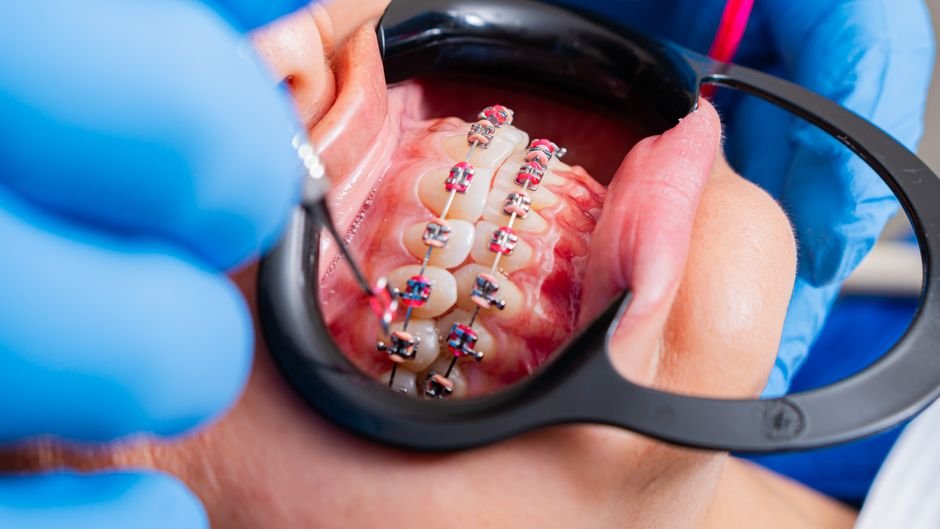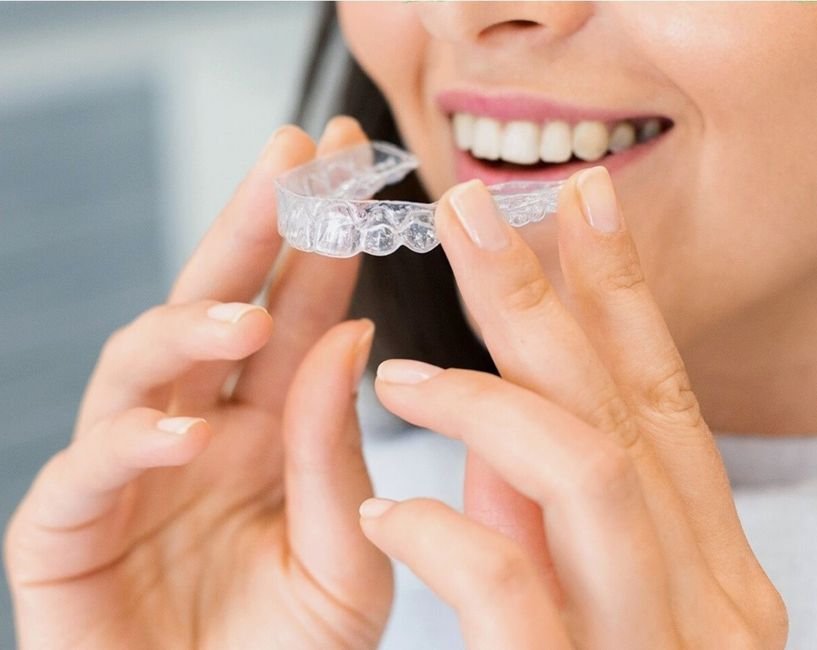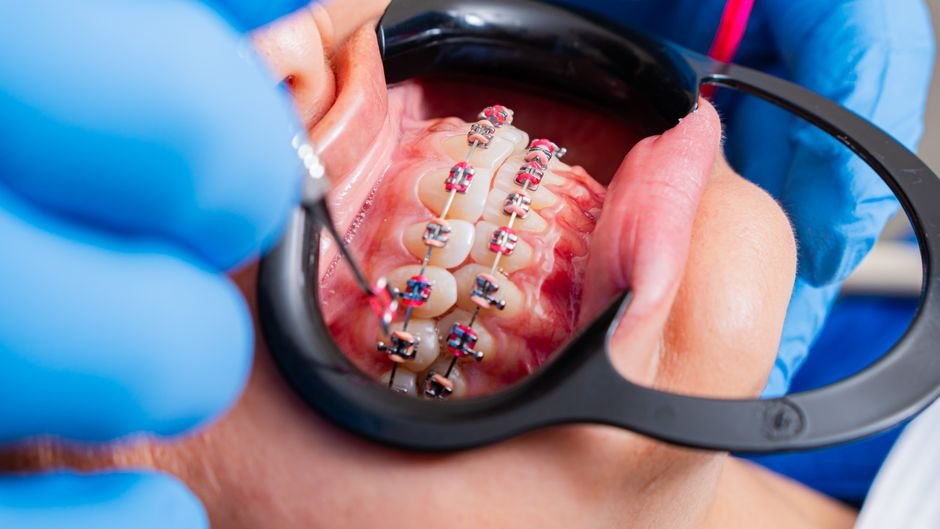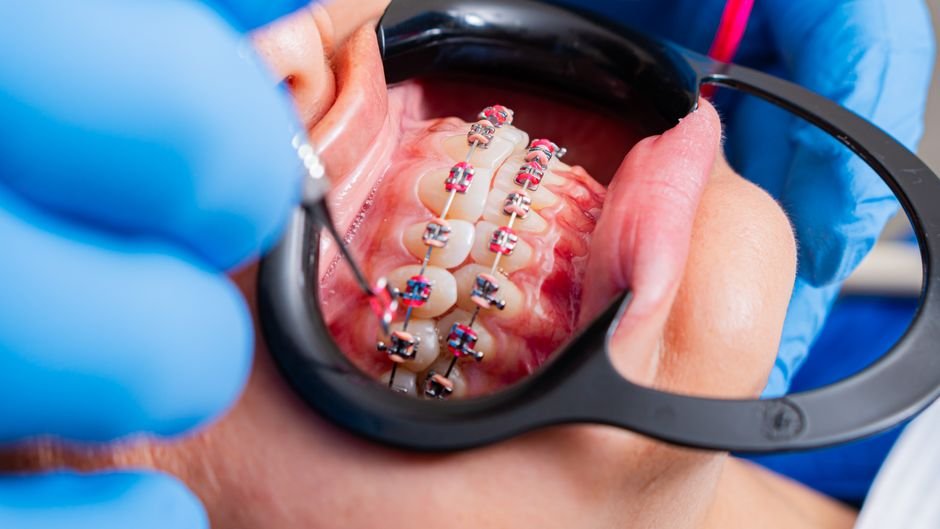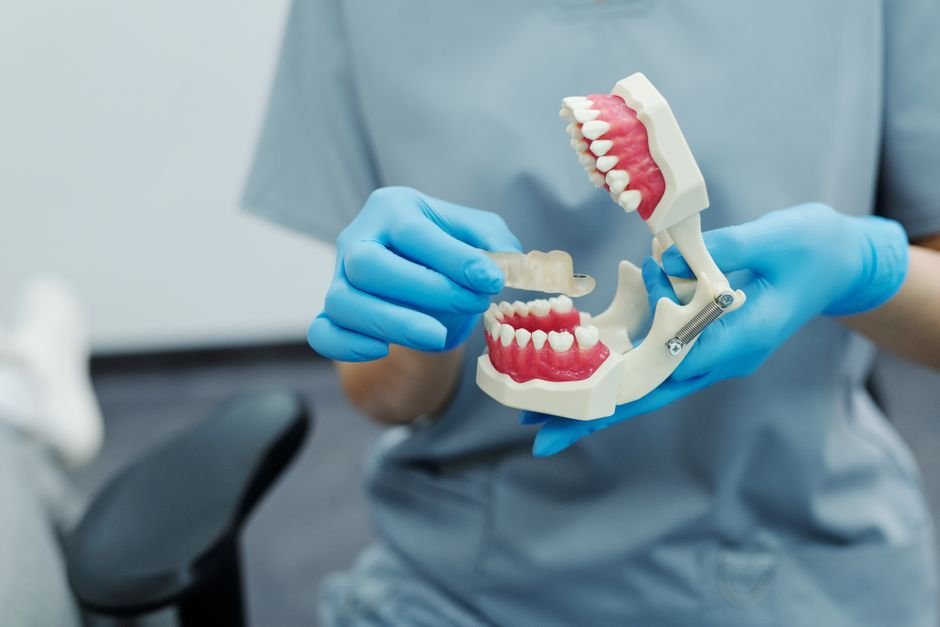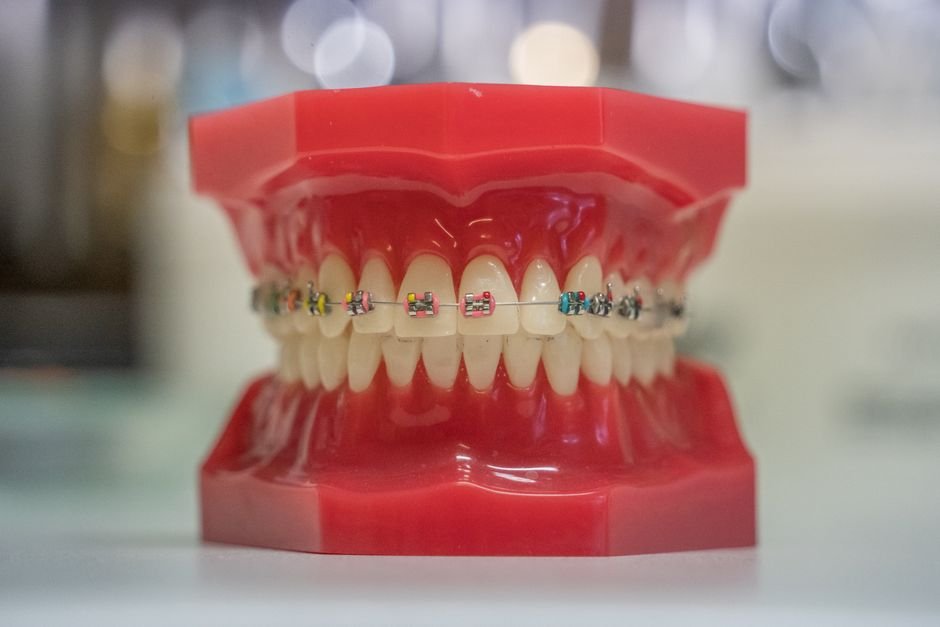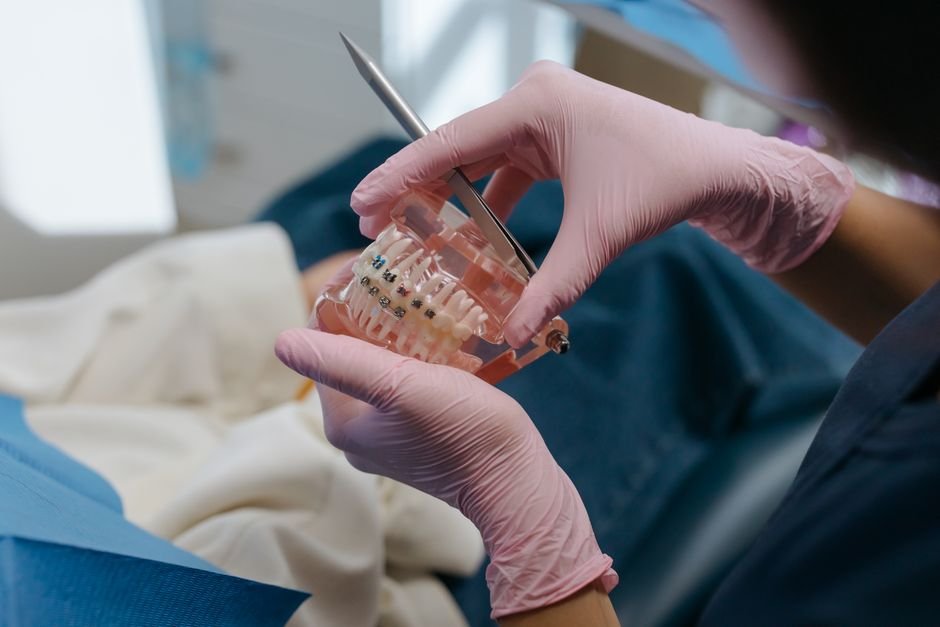
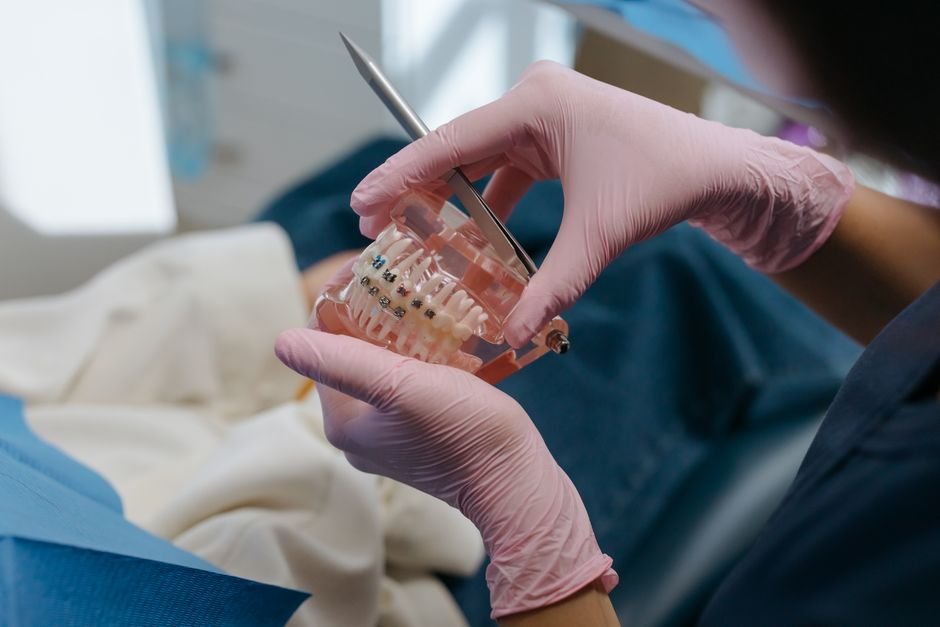
Starting orthodontic treatment, whether traditional braces or clear aligners, often causes a brief adjustment period where speech feels slightly different, since the tongue and lips need time to adapt to new hardware or plastic trays occupying space they weren’t previously working around during normal speech.
Key takeaways
- Speech changes with orthodontic treatment are generally temporary and resolve with practice.
- Clear aligners tend to cause a brief lisp more often than traditional fixed braces.
- The tongue naturally adapts to new orthodontic hardware within one to two weeks typically.
- Speaking practice and reading aloud can help speed up this adjustment period.
- Persistent speech issues beyond a few weeks are worth discussing with your orthodontist.
Why Does Orthodontic Treatment Affect Speech at All?
Speech relies heavily on precise tongue placement against the teeth and roof of the mouth to form certain sounds, and introducing new hardware, whether brackets and wires or a plastic aligner tray, temporarily changes the available space and surface the tongue is accustomed to working with.
This is a normal, expected part of adjusting to orthodontic treatment rather than a sign of a problem, since the mouth’s soft tissues and the tongue in particular are remarkably adaptable and generally recalibrate to the new configuration within a relatively short period of consistent wear.
Why Do Clear Aligners Often Cause More Noticeable Speech Changes?
Because aligners cover the entire biting surface and inner side of the teeth with a thin layer of plastic, they can more noticeably affect certain sounds, particularly those requiring the tongue to touch closely behind the front teeth, sometimes producing a temporary, mild lisp.
Traditional braces, by contrast, sit primarily on the outer surface of the teeth and generally have less impact on the space the tongue uses internally, which is part of why speech adjustment with traditional braces tends to be less pronounced than with removable aligner trays.
How Long Does This Speech Adjustment Typically Last?
Most people notice a significant improvement within the first few days, with speech typically returning close to normal within one to two weeks as the tongue and mouth adapt to the new hardware or aligner trays through the natural process of ongoing daily use and speaking.
Some very minor, subtle differences may persist a bit longer for certain specific sounds, but noticeable speech issues affecting overall clarity and confidence in conversation generally resolve well within this initial adjustment window for the vast majority of orthodontic patients.
What Practical Steps Can Help Speed Up This Adjustment?
Reading aloud for a few minutes daily, practising specific words or sounds that feel particularly affected, and simply talking more than usual during the first week or two can all help the tongue and mouth adapt more quickly to the new orthodontic hardware or aligners.
Speaking slowly and deliberately at first, rather than rushing through sentences, also tends to help during this adjustment period, giving the tongue time to find its new positioning accurately rather than reinforcing imprecise speech patterns through rushed, careless practice.
Does Removing and Reinserting Aligners Affect Speech Differently?
Each time aligner trays are removed for eating and then reinserted, there can be a brief, momentary adjustment as the tongue reacquaints itself with the tray’s presence, though this typically becomes far less noticeable after the initial adjustment period has already passed.
Some people find that speech feels slightly different with aligners removed as well, particularly right after a period of extended wear, though this effect is usually brief and resolves quickly as the mouth readjusts to being without the tray for the short periods during meals.
Can New Aligner Trays Reset This Adjustment Process?
Each new tray in a series of aligners is slightly different from the last, meaning some patients notice a brief, minor return of speech adjustment with each new tray, though this effect is generally much less pronounced than the initial adjustment experienced with the very first tray.
This diminishing effect happens because the overall changes between consecutive trays are small, and the tongue has already learned to adapt to the general presence of aligners, making each subsequent adjustment considerably quicker than the original adaptation period at the very start of treatment.
What Sounds Are Most Commonly Affected During This Adjustment?
Sounds that require the tongue to touch precisely behind the front teeth, such as certain consonant sounds, tend to be most noticeably affected during the initial adjustment period, since these sounds rely on exact tongue placement that orthodontic hardware temporarily alters.
Vowel sounds and sounds produced further back in the mouth are generally less affected, which is part of why the overall impact on speech, while noticeable, usually does not significantly disrupt overall communication clarity even during the more pronounced initial days of adjustment.
Should You Be Concerned About Speech Changes Affecting Work or School?
For most people, the adjustment period is brief enough that it does not meaningfully disrupt work presentations, school participation, or general daily communication, particularly if orthodontic treatment begins during a period allowing a few days of extra practice beforehand if timing allows.
If a significant speaking event, such as an important presentation, is scheduled very soon after starting treatment, practising extensively in the days beforehand or discussing timing options with your orthodontist can help you feel more prepared and confident heading into that specific situation.
When Should Persistent Speech Issues Be Discussed With an Orthodontist?
If speech difficulties continue well beyond the typical one to two week adjustment window, or if a specific tray or bracket feels unusually uncomfortable or is causing ongoing difficulty with clear speech, it is worth mentioning this directly to your orthodontist during a follow-up visit.
Occasionally, a minor adjustment to how a tray fits or a bracket is positioned can resolve a persistent issue more quickly than waiting for natural adaptation alone, making it worthwhile to raise any lingering concerns rather than assuming they will inevitably resolve without any professional input.
How Does This Temporary Adjustment Compare to the Overall Treatment Timeline?
In the context of orthodontic treatment that often lasts many months or even a couple of years, a one to two week speech adjustment period represents a very small portion of the overall process, and most patients look back on this initial adjustment as a minor, quickly forgotten inconvenience.
Keeping this broader perspective in mind during the first few days, when the adjustment feels most noticeable, can help reduce any frustration, since the vast majority of the treatment timeline ahead will not involve any ongoing speech-related difficulty once this initial period has passed.
How Does Age Affect the Speed of Speech Adaptation?
Younger patients, particularly children and teenagers, often adapt to new orthodontic hardware slightly faster than adults, since younger mouths and speech patterns tend to be somewhat more flexible and adjust more readily to physical changes affecting speech production.
Adults are certainly still fully capable of adapting well within the typical timeframe, though being aware that the process might feel marginally slower can help manage expectations appropriately, particularly for adults undergoing orthodontic treatment for the first time later in life after years of speech patterns already firmly established.
Frequently Asked Questions
Will braces or aligners permanently change how I speak?
No, speech changes from orthodontic treatment are temporary. Most people notice significant improvement within days and a return to near-normal speech within one to two weeks of consistent wear.
Why do clear aligners seem to affect speech more than braces?
Aligners cover the entire biting surface of the teeth with plastic, affecting the space the tongue uses for certain sounds more noticeably than traditional braces, which sit mainly on the outer tooth surface.
Does every new aligner tray cause a fresh speech adjustment?
Some minor adjustment can occur with each new tray, but it is typically much less noticeable than the initial adjustment, since the tongue has already adapted to the general presence of aligners.
What can I do to speak more clearly while adjusting to new orthodontic treatment?
Reading aloud, practising specific affected sounds, and speaking slowly and deliberately during the first week or two can all help speed up the natural adjustment process considerably.
Should I worry if speech difficulties last longer than two weeks?
If speech issues persist well beyond the typical adjustment window, mention this to your orthodontist, since a minor fit adjustment to your braces or aligners may help resolve the issue more quickly.

Matthew is a dental content writer passionate about helping readers understand their oral health, one article at a time.