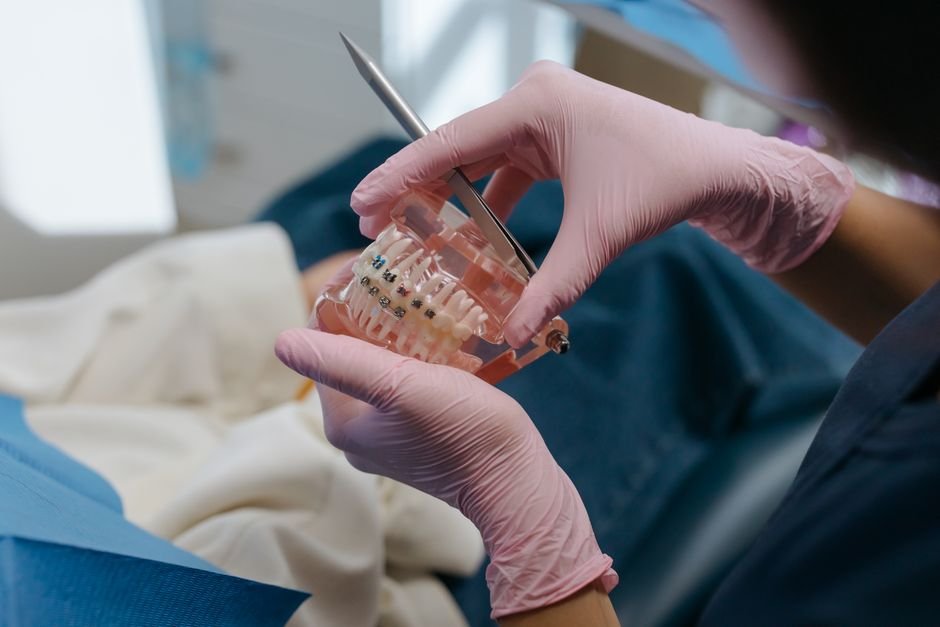
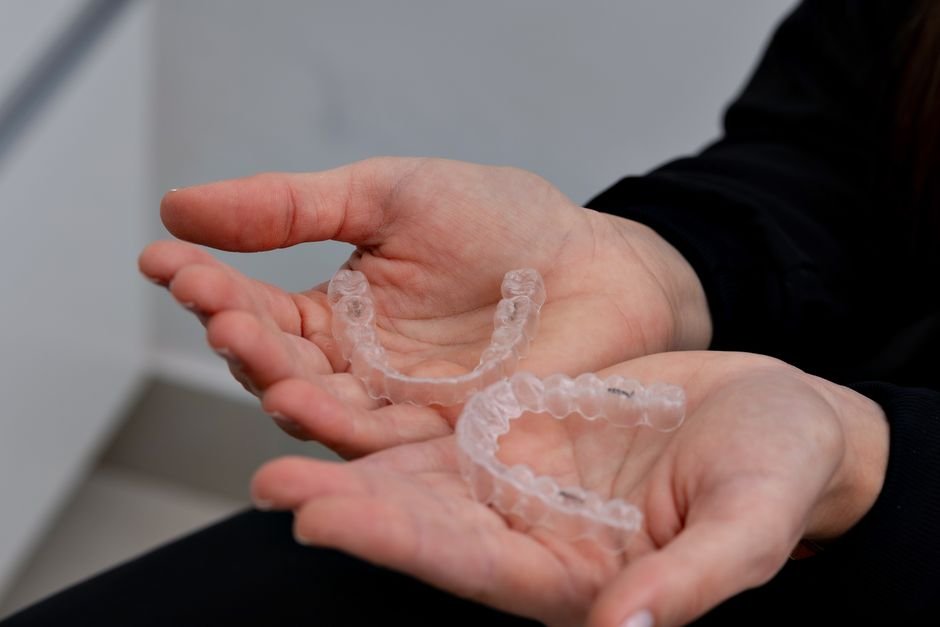
Invisible aligners and traditional braces both straighten teeth effectively, but they work in different ways and suit different situations. Aligners are removable, nearly invisible trays swapped out every couple of weeks, while traditional braces use fixed brackets and wires that stay in place throughout treatment. Which one fits you best depends largely on the complexity of your case and your daily lifestyle.
Key takeaways
- Aligners are removable and far less visible than traditional braces.
- Traditional braces often handle more complex bite corrections.
- Aligners require discipline to wear them consistently each day.
- Both options require a similar level of commitment to good results.
Why Has This Decision Become More Common in Recent Years?
Both aligners and modern braces have become more widely available and more affordable than they once were, which has expanded the range of people considering orthodontic treatment beyond the teenage years traditionally associated with braces. Adults in particular now make up a significant portion of new orthodontic patients.
This broader interest has, in turn, driven continued improvement in both technologies, as providers compete to offer more comfortable, more discreet, and more convenient treatment options across the board.
How Do Aligners and Braces Actually Work Differently?
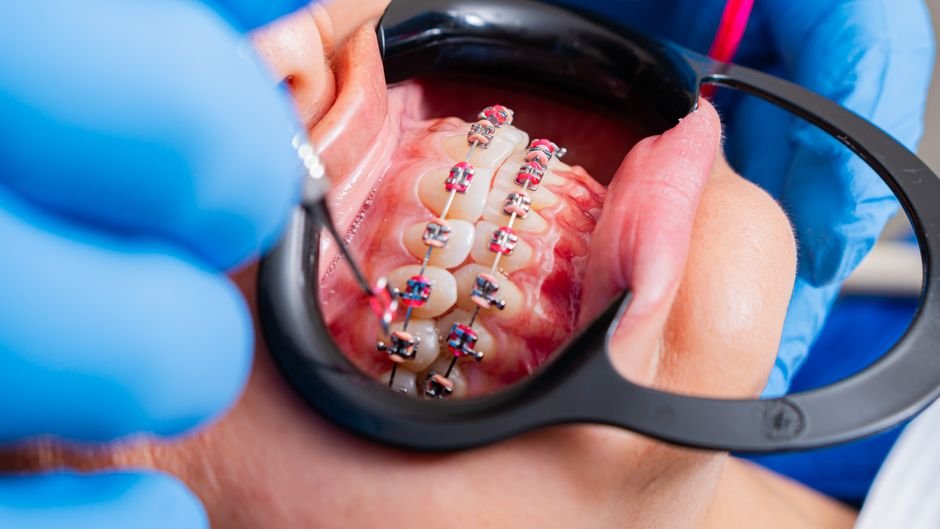
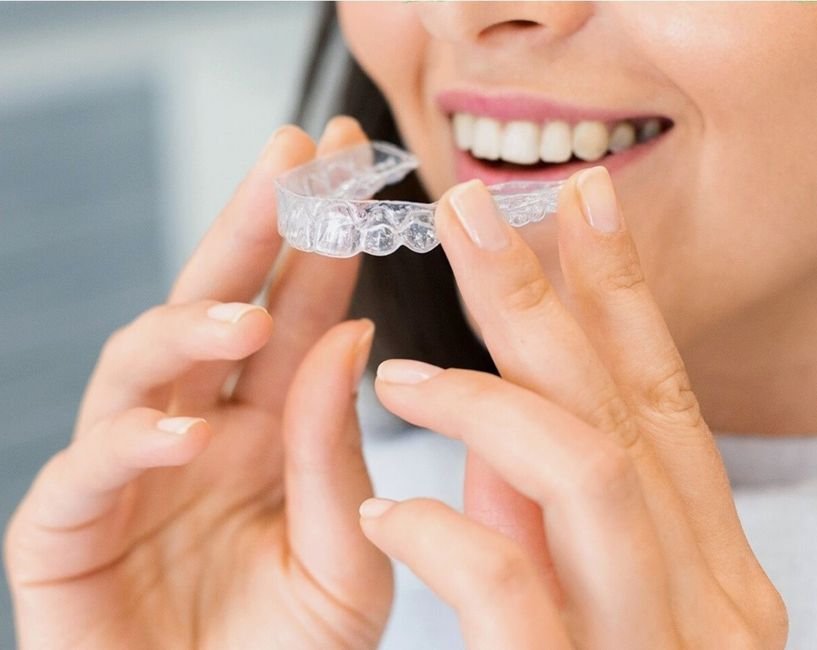
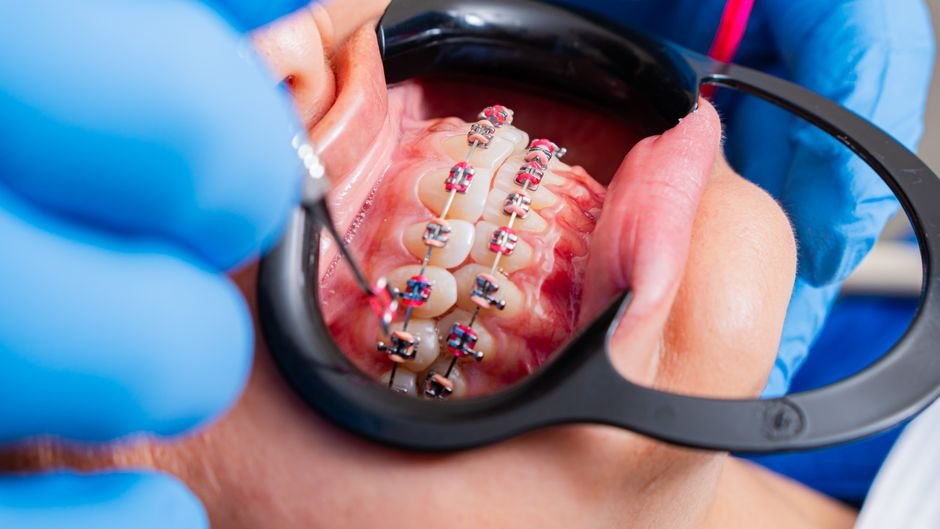
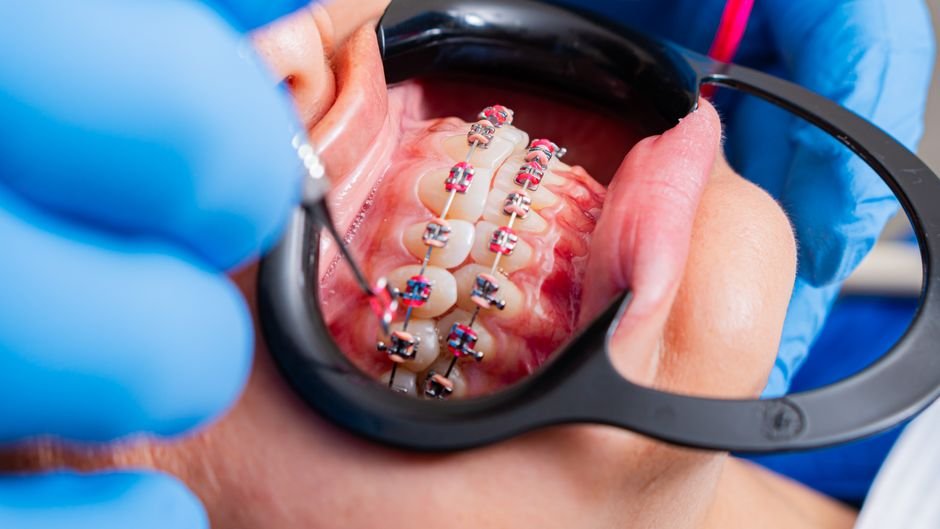
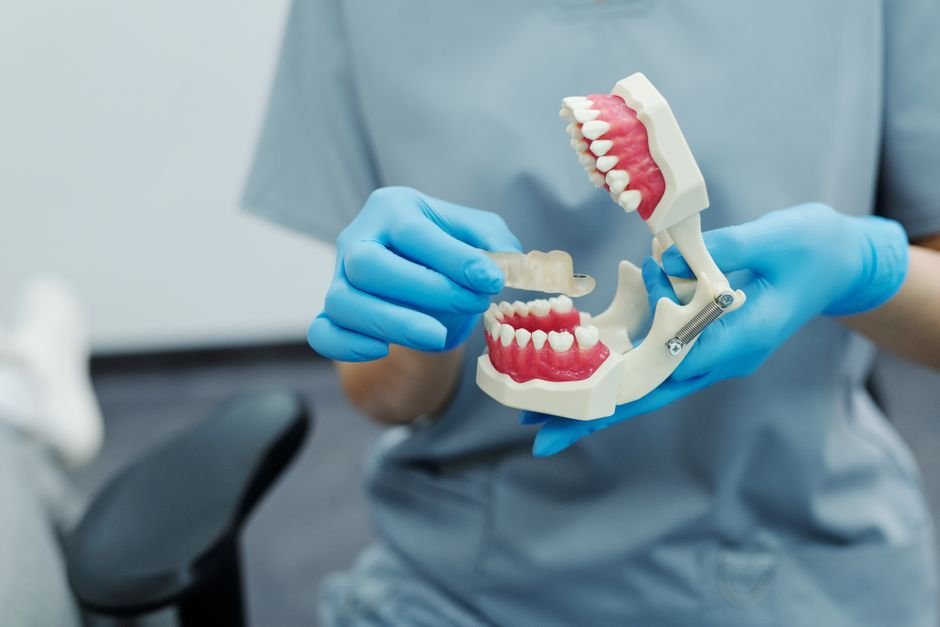
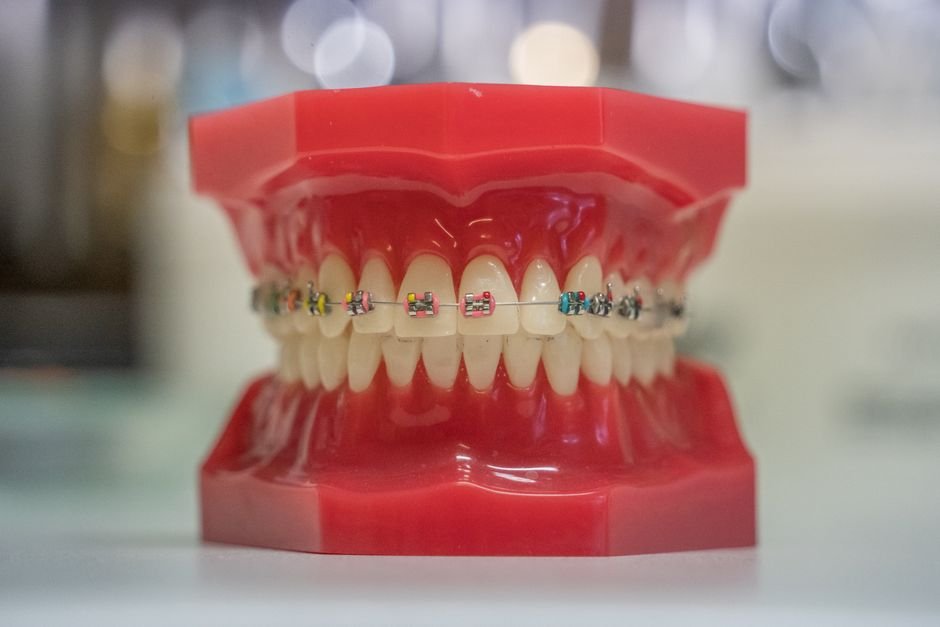
Traditional braces use brackets bonded to each tooth, connected by a wire that gradually adjusts position at each appointment. Aligners take a different approach, using a series of custom made, removable trays that each shift teeth slightly before being swapped for the next in the sequence.
Because aligners are removable, they place more responsibility on the wearer to keep them in for the recommended hours each day, while traditional braces work continuously without requiring the same level of daily discipline. This fundamental difference in mechanism is what shapes most of the other practical differences between the two options.
Which Option Handles Complex Cases Better?
Traditional braces generally offer more precise control for complex bite corrections, significant crowding, or cases involving substantial tooth rotation. Their fixed nature allows for very specific, targeted movements that can be harder to achieve with removable trays alone.
Aligners tend to work best for mild to moderate alignment issues, though advances in aligner technology have expanded the range of cases they can now treat effectively. An orthodontist’s assessment during a consultation remains the most reliable way to determine which option suits a specific case.
How Do Comfort and Appearance Compare?
Aligners are virtually invisible and generally more comfortable day to day, since they lack the brackets and wires that can occasionally irritate the inside of the mouth. Many adults choose aligners specifically for this discreet appearance during treatment.
Traditional braces, while more visible, now come in smaller, less noticeable designs than in the past, including ceramic options that blend in more closely with natural tooth colour. For some patients, particularly younger patients less concerned about visibility, this trade off between visibility and treatment precision tips in favour of traditional braces.
What Does Daily Life Look Like With Each Option?
With aligners, you can remove the trays to eat, brush, and floss normally, which many people find more convenient for daily hygiene. However, this also means remembering to put them back in and wearing them for the recommended twenty or more hours a day to stay on track.
Traditional braces stay in place throughout treatment, which removes the responsibility of remembering to wear them, though it does require more careful cleaning around brackets and wires and some care with certain foods. Neither approach is inherently easier, simply different in where the daily effort is required.
How Do Treatment Timelines Typically Compare?
Treatment length depends heavily on the complexity of the case rather than which option is chosen, though straightforward cases sometimes progress a little faster with aligners due to the precision of digital planning involved. More complex cases often take a similar amount of time with either approach.
Your orthodontist can give a more accurate estimate once they have assessed your teeth and discussed which option is the better fit for your specific goals. Consistency in wearing aligners as instructed has a direct, measurable effect on whether treatment stays on its projected timeline.
How Do Costs Generally Compare?
Pricing for both options varies considerably based on case complexity, geographic location, and the specific system or brand used, making direct comparisons difficult without a personalised quote. In many cases the two options land in a similar overall price range, though this is not universal.
Rather than assuming one option is automatically cheaper, requesting a detailed quote for both during a consultation gives a clearer, more accurate picture for your specific situation.
How Should You Decide Between the Two?
Beyond clinical suitability, personal lifestyle factors matter considerably in this decision. Someone who travels frequently or has an active social calendar involving lots of eating and drinking may find the flexibility of removable aligners appealing, while someone who prefers not to worry about remembering to wear something consistently may lean toward fixed braces instead.
Discussing your daily routine honestly with an orthodontist, alongside the clinical assessment of your teeth, tends to produce the most satisfying long term choice between the two options.
How Do Both Options Handle the End of Treatment?
Regardless of which option you choose, retention after active treatment ends is essential to keep teeth in their new position. Both aligner and traditional brace treatment typically conclude with a retainer, either fixed or removable, that needs to be worn consistently, especially in the months immediately following treatment.
Skipping this retention phase is one of the more common reasons teeth gradually shift back toward their original position after otherwise successful treatment, regardless of which method was used to straighten them initially.
What Questions Should You Ask at a Consultation?
Whichever option you are leaning toward, it is worth asking directly about the expected timeline, the retention plan afterwards, and what happens if your case turns out to be more complex than initially expected. A thorough, honest answer to each of these questions is a strong sign of an experienced, trustworthy provider.
It is equally reasonable to ask to see examples of similar cases the practice has treated successfully with your preferred option, giving you a clearer sense of what realistic results might look like for someone in a similar starting position.
Frequently Asked Questions
Are aligners more expensive than traditional braces?
Costs vary by case complexity and treatment length rather than the option itself, so it is worth discussing pricing directly during a consultation.
Can I switch from aligners to braces partway through treatment?
Yes, if aligners are not achieving the intended results, an orthodontist can transition you to traditional braces to complete treatment.
Do aligners work for teenagers as well as adults?
Yes, aligners are used for both age groups, though a dentist will assess whether a teenager is disciplined enough to wear them consistently.
How often do aligners need to be changed?
Most aligner systems involve changing to a new tray roughly every one to two weeks, depending on the specific treatment plan.
Is it harder to keep teeth clean with traditional braces?
It requires more careful technique around brackets and wires, though with the right approach, oral hygiene can still be maintained effectively throughout treatment.

Matthew is a dental content writer passionate about helping readers understand their oral health, one article at a time.