Common Orthodontic Emergencies and What to Do
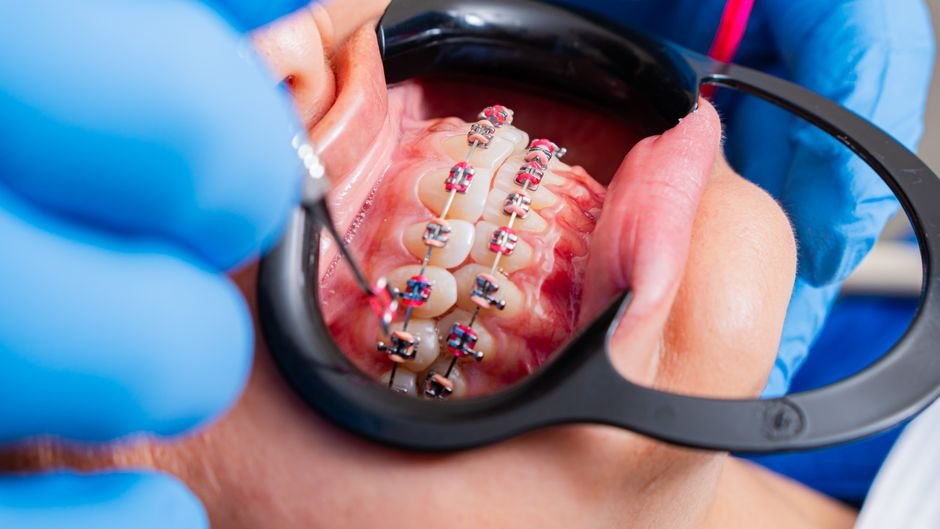
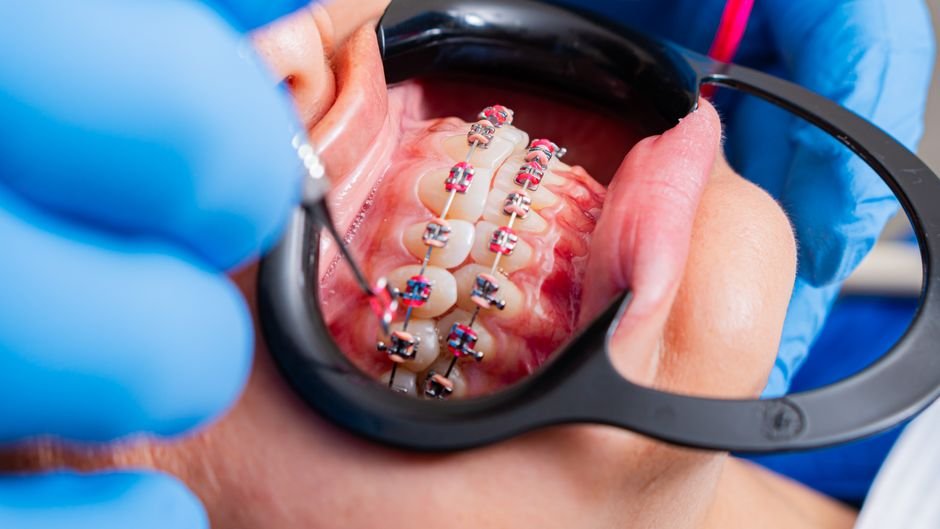
Most orthodontic problems fall into two camps: minor irritations you can manage at home until your next scheduled appointment, and genuine issues that need attention

Most orthodontic problems fall into two camps: minor irritations you can manage at home until your next scheduled appointment, and genuine issues that need attention

Travel disrupts oral care mainly because it removes the fixed anchors a routine depends on: a consistent bedtime, a familiar bathroom, regular mealtimes and easy
Orthodontic treatment supports long term jaw health by correcting how the upper and lower teeth meet, which allows the jaw joints and chewing muscles to
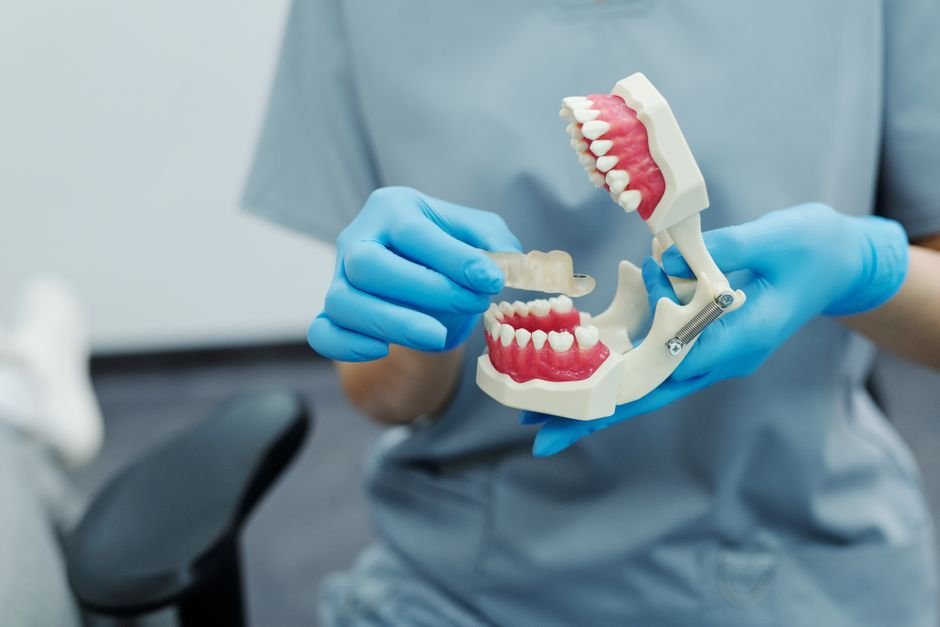
Every orthodontist is a dentist, but not every dentist is an orthodontist, and understanding this distinction helps explain why certain dental needs are referred to
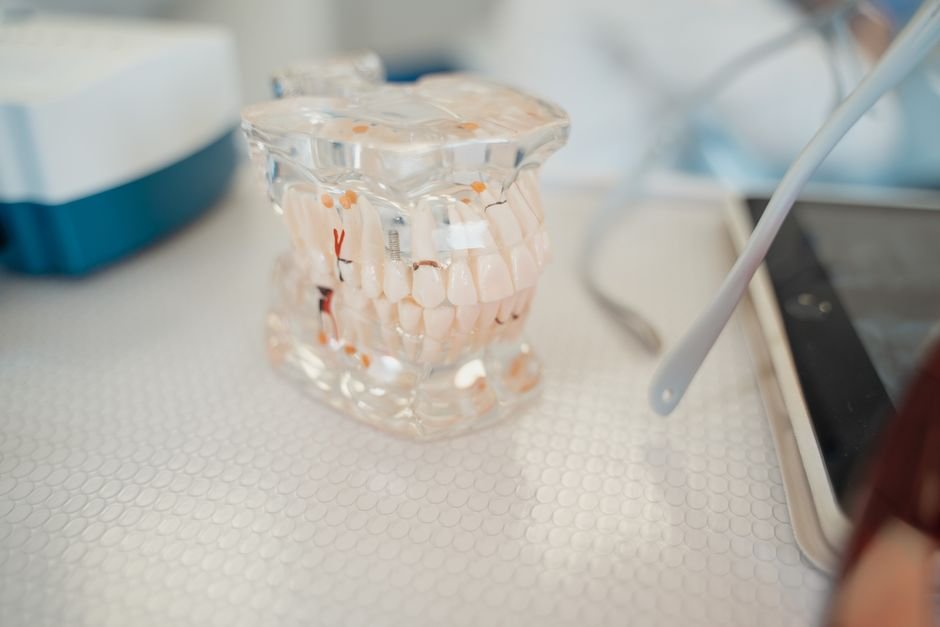
A realistic oral care routine is one built around how life actually unfolds day to day, rather than an idealised version that assumes unlimited time
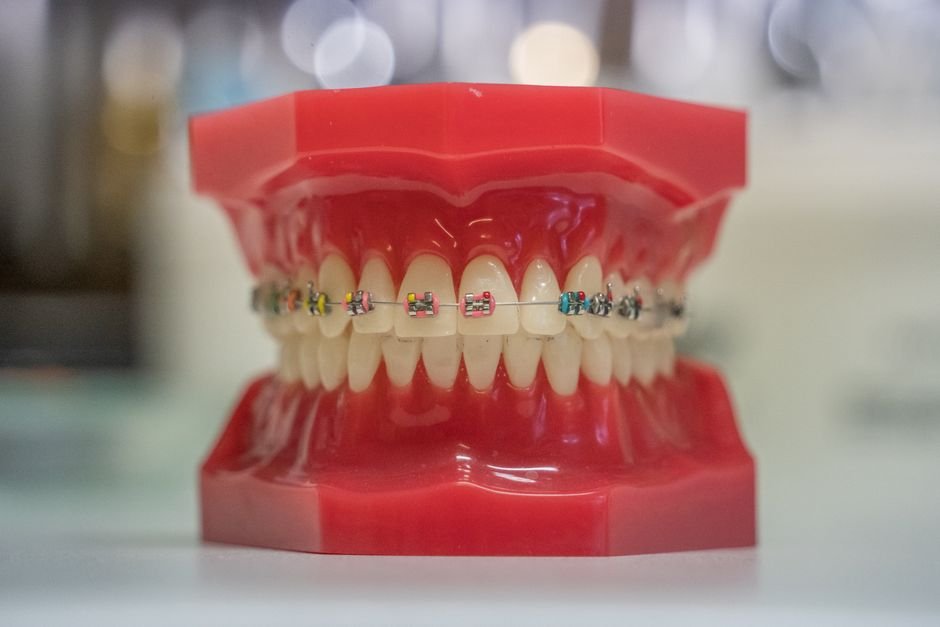
What you eat during orthodontic treatment directly affects how quickly your teeth move, how often appliances break, and how healthy your gums stay along the

The way you chew shapes the health of your jaw joint and the strength of your teeth over time. Habits such as biting nails, chewing
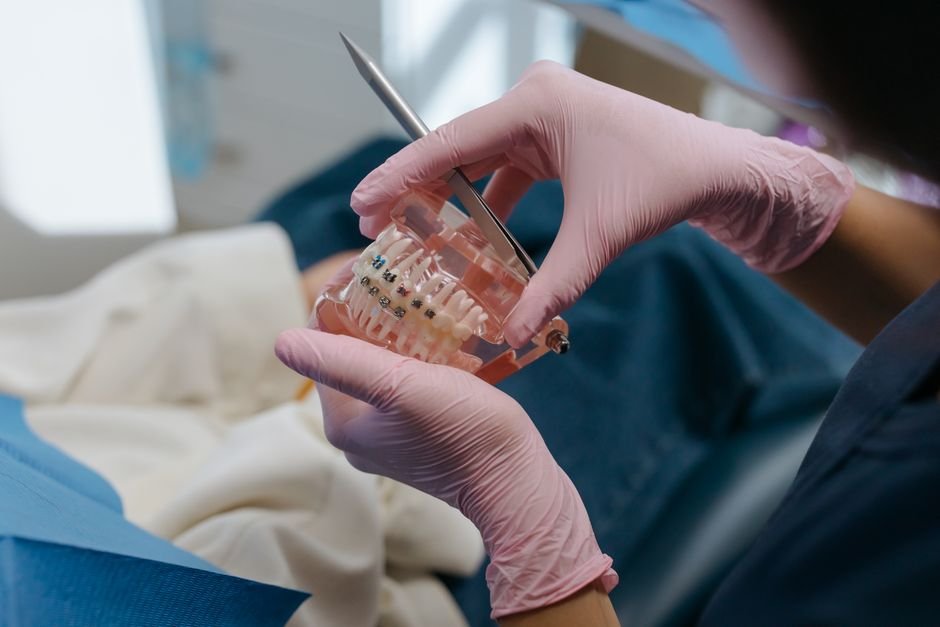
Orthodontic relapse is the gradual shifting of teeth back toward their original position after braces or clear aligners are removed. It happens because the periodontal
Persistent bad breath, known clinically as halitosis, is most often caused by bacteria breaking down food particles, dead cells and plaque on the tongue and
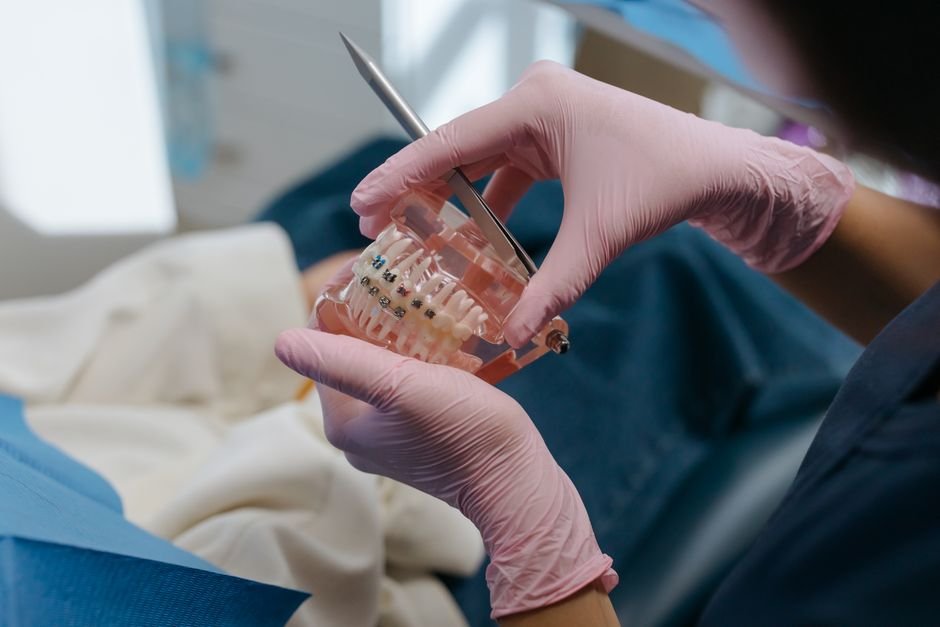
An orthodontic consultation is often the first real step toward understanding whether treatment like braces or clear aligners is right for a particular bite or