Preventive dental care works best when it’s approached as an ongoing, family-wide commitment rather than a series of isolated individual visits. Family dentistry, which treats patients across all age groups within one practice, is particularly well suited to supporting this long-term preventive approach, since it allows patterns, habits and risks to be tracked consistently across an entire household over many years. This continuity often makes the difference between catching small issues early and only addressing problems once they’ve already become more serious.
Key takeaways
- Family dentistry supports consistent, long-term monitoring of oral health across all ages.
- Preventive care is generally more effective and affordable than treating advanced dental issues.
- Shared family habits and history help a practice anticipate and address risks early.
- Regular checkups remain the foundation of any effective long-term preventive strategy.
- Preventive care evolves as needs change from childhood through to later adulthood.
What Does Long-Term Preventive Dental Care Actually Involve?
Long-term preventive dental care goes beyond simply attending a checkup every six months. It includes ongoing monitoring for early signs of decay or gum disease, professional cleanings that remove plaque buildup missed by daily brushing, and tailored advice that adjusts as a person’s needs change over the years, from childhood through to older adulthood.
This approach treats dental health as a continuous process rather than a series of disconnected events. Each visit builds on the information gathered previously, allowing a dental practice to notice subtle changes over time that might not be obvious within the context of any single appointment alone.
Why Is Family Dentistry Well Suited to This Approach?
A family dental practice that treats every generation under one roof develops a genuinely comprehensive view of a household’s collective oral health patterns. This can include recognising shared genetic tendencies, common dietary habits, or lifestyle factors that affect multiple family members in similar ways, offering insight that’s harder to gain when each person sees a different, unconnected provider.
This comprehensive view supports more proactive preventive recommendations. If a practice notices a pattern of a particular issue appearing across siblings or generations, it can adjust its preventive approach accordingly, rather than treating each family member as a completely separate case with no shared context.
How Does Preventive Care Change From Childhood to Adulthood?
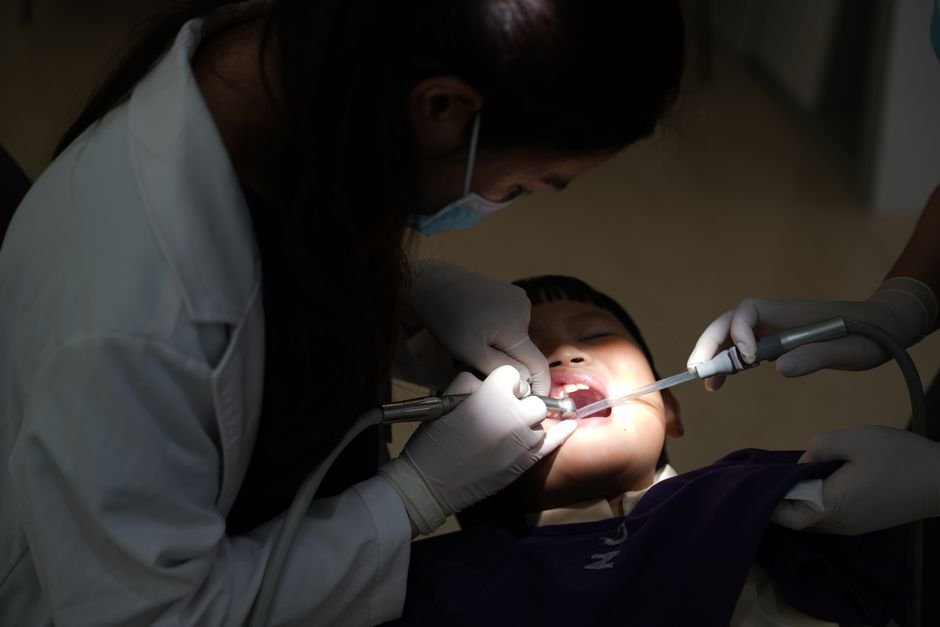
A child’s preventive dental needs centre heavily around monitoring the development of both baby and permanent teeth, catching early signs of decay, and establishing good habits that will carry forward for life. Fluoride treatments and dental sealants are commonly used preventive tools during these developmental years.
As a person moves into adulthood, preventive priorities often shift toward managing the effects of decades of wear, monitoring for gum disease, and addressing any restorative work that may need attention over time. A family practice that has followed this progression closely tends to anticipate these shifting needs more naturally.
What Role Do Regular Checkups Play in Preventing Bigger Problems?
Regular checkups, typically recommended every six months, allow a dentist to catch early warning signs long before they turn into pain, infection or more extensive treatment needs. Many serious dental issues develop gradually and painlessly in their early stages, making these routine visits the primary opportunity to intervene while options are still simple.
Skipping or delaying these checkups doesn’t just risk missing early problems; it also means losing the accumulated benefit of consistent monitoring that makes preventive care so effective in the first place. Each missed visit represents a gap in the ongoing picture a practice is building of a person’s oral health.
How Does Preventive Care Save Money Over Time?
Preventive treatments, such as routine cleanings, fluoride applications and early cavity fillings, are consistently less costly than the more extensive procedures often needed once dental issues progress significantly. A small cavity caught early might only need a simple filling, while the same issue left untreated could eventually require a root canal or extraction.
Thinking about preventive dental visits as a long-term financial strategy, not just a health one, can help families prioritise them even during busy or budget-conscious periods. The relatively modest, predictable cost of regular preventive care tends to compare favourably against the far less predictable cost of addressing advanced dental problems.
Does Family History Inform Preventive Recommendations?
Certain dental tendencies, including susceptibility to decay, gum disease and bite alignment issues, can run in families due to a combination of genetic and shared environmental factors. A family dentistry practice that’s aware of these patterns across a household can tailor its preventive recommendations more precisely for each individual.
This might mean recommending more frequent cleanings for a family with a history of gum disease, or closer monitoring of a child’s bite development if older siblings or parents needed orthodontic treatment. This kind of informed, personalised prevention is one of the clearer advantages of consistent family-wide dental care.
How Do Daily Habits Fit Into a Preventive Strategy?
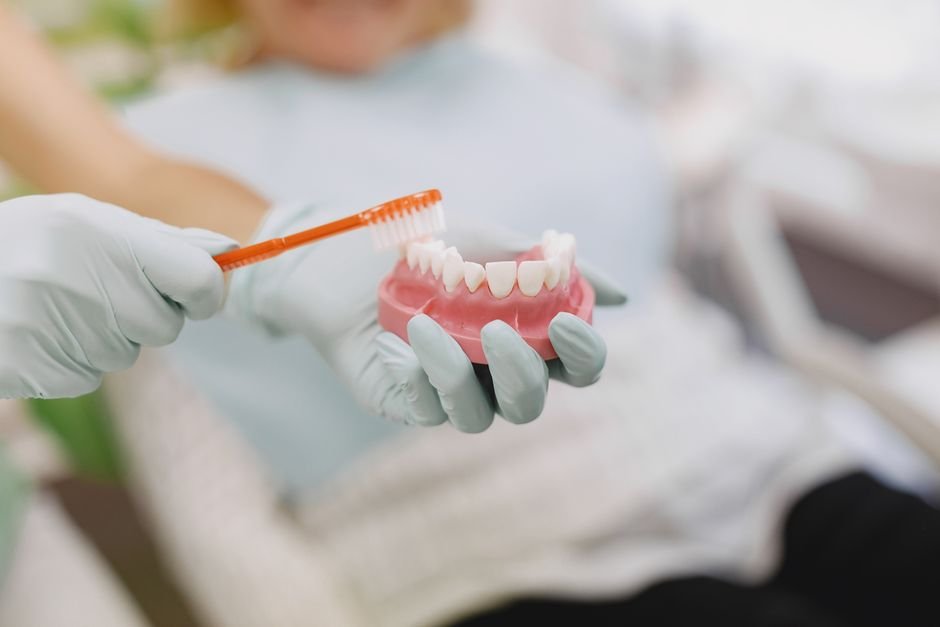
Professional preventive care works best alongside consistent daily habits at home, including thorough brushing, regular flossing and mindful dietary choices. A dental practice can offer guidance and monitoring, but the majority of preventive maintenance happens in the time between appointments, through everyday routines.
Family dentistry practices often reinforce these habits across the whole household, since consistent messaging delivered to every family member at their respective visits helps establish a shared standard for oral care at home. Children in particular benefit from seeing preventive habits modelled and reinforced consistently by the same trusted practice.
What Preventive Tools Are Commonly Used in Family Dentistry?
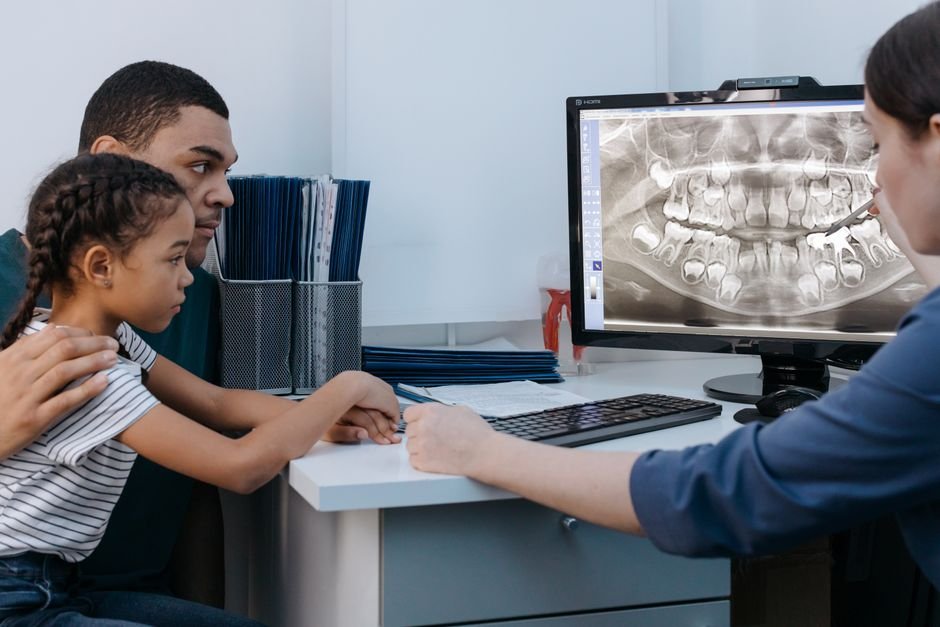
Beyond routine cleanings and checkups, family dental practices often use tools like dental sealants to protect the chewing surfaces of back teeth from decay, fluoride treatments to strengthen enamel, and detailed x-rays to catch issues not visible during a standard visual examination.
The specific combination of preventive tools used tends to vary by age and individual risk factors, which is part of why an ongoing relationship with a single practice supports more tailored care. A practice familiar with a person’s history can adjust these tools appropriately as circumstances change over time.
How Can Families Build a Sustainable Preventive Routine?
Building a sustainable preventive routine starts with treating dental checkups as a non-negotiable part of the family’s regular schedule, similar to other routine health appointments. Booking future appointments before leaving a current visit is a simple, practical way many families maintain consistency without letting visits slip.
Pairing professional checkups with realistic, sustainable daily habits at home, rather than aiming for an unrealistic standard that’s hard to maintain, tends to produce the best long-term results. Small, consistent efforts sustained over years generally outperform occasional bursts of intense effort followed by long gaps.
How Does Communication Support Preventive Success?
Open communication between patients and a family dental practice plays a bigger role in preventive success than many people realise. Mentioning new symptoms, changes in habits, or concerns as soon as they arise, rather than waiting for the next scheduled checkup, allows a practice to respond promptly rather than after a delay of several months.
This works both ways, since a practice that clearly explains what it’s noticing and why certain preventive steps are recommended helps patients understand and stick with the guidance given. Preventive care tends to be most effective when it feels like a genuine, ongoing partnership rather than a one-directional set of instructions.
Frequently Asked Questions
How often should preventive dental checkups happen?
Most dental professionals recommend checkups every six months for most people, though this can vary based on individual risk factors. Someone with a higher risk of decay or gum disease may be advised to attend more frequently.
Is preventive dental care really more cost-effective long term?
Yes, addressing small issues early through preventive care is generally far less expensive than treating advanced dental problems that have been left unaddressed. Regular checkups help catch issues while treatment options are still simple and affordable.
Does family dentistry offer different services than a general dentist?
Family dentistry typically offers a similar range of core services but is specifically equipped and experienced in treating all age groups, from young children through to older adults, within one consistent practice.
What preventive care is recommended for young children specifically?
Young children commonly benefit from fluoride treatments, dental sealants once molars come in, and regular monitoring of both baby and emerging permanent teeth to catch any early developmental concerns.
Can adults still benefit meaningfully from preventive dental care?
Yes, preventive care remains valuable throughout adulthood, helping manage gum health, monitor existing restorative work, and catch new issues early, regardless of age or how long it’s been since previous dental problems occurred.

Matthew is a dental content writer passionate about helping readers understand their oral health, one article at a time.