
Many parents make decisions about their children’s oral care based on ideas that sound reasonable but are not actually true. Myths about baby teeth, fluoride, thumb-sucking, and first dental visits get passed down through generations, and they can lead to real problems such as delayed treatment, untreated decay, or unnecessary worry. Understanding what is fact and what is fiction helps families build better habits and avoid mistakes that are easy to prevent.
Key takeaways
- Baby teeth matter just as much as adult teeth for chewing, speech, and guiding permanent teeth into place.
- A child’s first dental visit should happen much earlier than most parents assume.
- Fluoride, used in the correct amount, is safe and genuinely helps protect young teeth.
- Thumb-sucking and dummy use only become concerning if they continue past a certain age.
- Parents should supervise brushing well beyond the age most families expect.
Do baby teeth really not matter since they fall out anyway?
This is one of the most persistent myths in family dentistry, and it is entirely incorrect. Baby teeth, also called primary teeth, hold space in the jaw for the permanent teeth that will eventually replace them. If a baby tooth is lost too early because of decay or injury, neighbouring teeth can shift into the empty space, leaving insufficient room for the adult tooth when it is ready to come through. This often results in crowding, crooked teeth, or the need for orthodontic treatment later in childhood.
Baby teeth also play an essential role in chewing, nutrition, and speech development. Children rely on a full, healthy set of primary teeth to bite and chew food properly, which supports healthy eating habits during a critical growth period. Decay in baby teeth can cause pain and infection just as it can in adult teeth, and untreated cavities can affect a child’s sleep, concentration, and confidence. Treating baby teeth with the same seriousness as adult teeth sets children up for a healthier mouth throughout their life.
Is sugar the only cause of cavities in children?
Sugar plays a major role in tooth decay, but it is not the sole culprit. Cavities form when bacteria in the mouth feed on carbohydrates, including sugars and starches, and produce acid that erodes tooth enamel. This means starchy snacks such as crackers, crisps, and even dried fruit can contribute to decay just as much as sweets, particularly when they stick to teeth for long periods. The frequency of eating matters as much as the amount of sugar consumed, since each exposure to fermentable carbohydrate triggers a fresh acid attack on the enamel.
Other factors also influence a child’s risk of cavities, including how thoroughly and consistently they brush, whether they receive enough fluoride, saliva flow, and even genetics. Children who sip sugary or acidic drinks throughout the day, rather than during set mealtimes, tend to have a higher risk because their teeth are exposed to acid almost continuously. Understanding these broader causes helps parents focus on timing and habits, not just cutting out sweets.
Should children only start seeing a dentist once all their teeth arrive?
Many parents wait until a child has a full set of baby teeth, or even until school age, before booking a first dental appointment. Dental professionals generally recommend a much earlier start, ideally around the time the first tooth appears or by a child’s first birthday. Early visits are not about extensive treatment; they are focused on checking healthy development, catching early signs of decay, and helping a child become comfortable with the dental environment before any problems arise.
Starting early also gives parents a chance to ask questions about feeding habits, teething, thumb-sucking, and brushing technique while these habits are still forming. A dentist can spot subtle issues, such as early enamel changes or bite problems, well before they become noticeable to a parent. Children who begin regular visits young are typically far less anxious about dental care as they grow older, because the clinic becomes a familiar, low-stress environment rather than something unknown and frightening.
Does thumb-sucking always ruin a child’s bite?
Thumb-sucking and dummy use are common self-soothing behaviours in infants and toddlers, and on their own they are not automatically harmful. Most children stop these habits naturally between the ages of two and four, and any minor effect on the bite at that stage usually corrects itself as the jaw continues to grow. The concern arises when the habit continues intensely well beyond this age range, particularly once permanent teeth begin to emerge.
Prolonged and vigorous thumb-sucking can push the front teeth outward or create an open bite, where the upper and lower front teeth do not meet properly when the mouth is closed. The intensity and duration of the habit matter more than the habit itself. Parents concerned about a child who continues sucking their thumb past the age of four or five should discuss gentle strategies with a dentist rather than assuming lasting damage is inevitable or, conversely, that no action is ever needed.
Is fluoride toothpaste unsafe for young children?
Concerns about fluoride safety circulate widely among parents, but the professional consensus remains that fluoride, used correctly, is one of the most effective tools for preventing decay in children. Fluoride strengthens tooth enamel and helps reverse the very earliest stages of decay before a cavity fully forms. The key issue is not whether to use fluoride toothpaste, but ensuring the amount used matches a child’s age, since young children often swallow toothpaste rather than spitting it out.
For most young children, a smear or pea-sized amount of fluoride toothpaste is appropriate, applied under adult supervision to limit swallowing. Parents worried about fluorosis, a cosmetic condition that can cause faint white markings on developing teeth from excessive fluoride exposure during early childhood, can avoid it simply by monitoring the amount used and discouraging children from eating or licking toothpaste outside of brushing time. Avoiding fluoride altogether removes a well-established layer of cavity protection without addressing the actual, manageable risk.
Can children brush their own teeth effectively from an early age?
Many parents hand over brushing responsibility as soon as a child expresses a desire for independence, sometimes as young as three or four years old. In reality, most children lack the fine motor skills needed to brush thoroughly until well into their school years, often around age seven or eight. Areas such as the back molars and along the gumline are easy for small hands to miss, leaving plaque behind even when a child believes they have brushed properly.
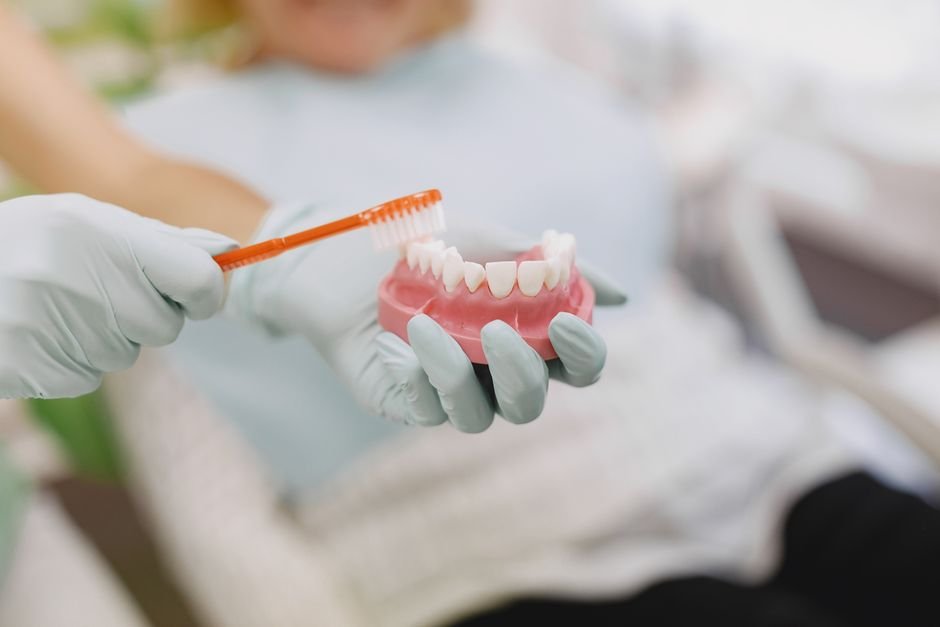
The recommended approach is a shared one: letting children practise brushing independently to build the habit, followed by a parent going over the teeth again to ensure nothing is missed, particularly before bedtime. This supervised approach should continue longer than most parents expect, ideally until a dentist confirms the child can manage the task alone. Flossing, which requires even more dexterity, typically needs parental help for even longer.
Do dental X-rays pose a serious risk to children?
Some parents decline dental X-rays for their children out of concern about radiation exposure. Modern dental X-ray equipment uses extremely low doses of radiation, and the amount involved in a routine set of paediatric dental images is small, especially compared with everyday background radiation exposure. Dentists also use protective aprons and modern digital sensors that further reduce the already minimal exposure involved.
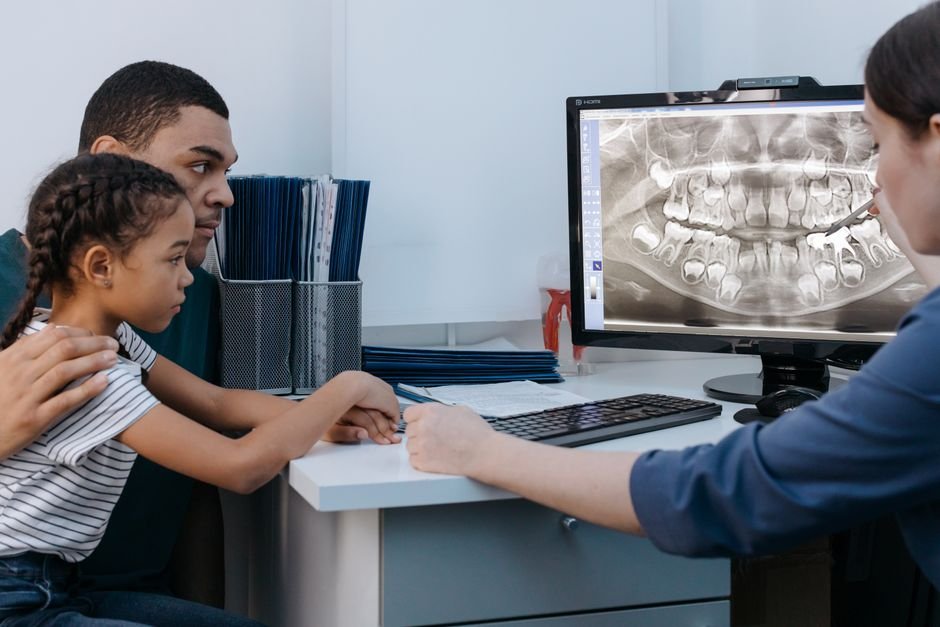
X-rays serve an important diagnostic purpose that cannot be replaced by a visual examination alone. They reveal decay developing between teeth, problems with erupting adult teeth still under the gum, and issues with jaw development that would otherwise go unnoticed until they become more serious. Dentists generally recommend X-rays only at appropriate intervals based on a child’s individual risk of decay, rather than as a routine step at every single visit, which further limits unnecessary exposure.
Is teeth grinding in children nothing to worry about?
Teeth grinding, known as bruxism, is common in children and often occurs during sleep. Many parents assume it is purely a passing phase, and in a large number of cases that is correct, particularly in very young children whose grinding coincides with new teeth erupting. It frequently resolves on its own without any lasting effect on the teeth.
However, grinding is not always harmless, and it should not be dismissed automatically without any observation. In some children, ongoing grinding can wear down enamel, cause jaw discomfort, or lead to headaches, particularly if it continues into the years when permanent teeth are present. Stress, an irregular bite, or airway issues during sleep can all contribute to persistent grinding. Parents who notice visible wear on their child’s teeth, or who hear grinding regularly, should mention it to a dentist so the cause can be assessed properly rather than assuming it will simply pass.
Frequently Asked Questions
At what age should a child have their first dental appointment?
Most dental professionals recommend booking a first appointment around the time the first baby tooth appears, or by a child’s first birthday at the latest. This early visit focuses on monitoring healthy development and helping the child become familiar with the dental setting, not on complex treatment.
Do cavities in baby teeth need to be treated if the tooth will fall out anyway?
Yes. Untreated decay in a baby tooth can cause pain, infection, and early tooth loss, which may affect chewing, speech, and the position of the permanent tooth that is meant to replace it. Baby teeth deserve the same prompt attention as adult teeth.
How much fluoride toothpaste should a young child use?
A small smear or pea-sized amount is generally appropriate for young children, applied with adult supervision to reduce the chance of swallowing. This amount provides the protective benefits of fluoride while minimising any risk of cosmetic marking on developing teeth.
When should parents stop supervising their child’s brushing?
Most children need supervised or assisted brushing until around age seven or eight, since fine motor control needed to clean every surface thoroughly usually is not fully developed before then. A dentist can confirm when a child is ready to brush unsupervised.
Is thumb-sucking something parents should always try to stop immediately?
Not necessarily. Thumb-sucking is normal in infants and toddlers and most children stop on their own by around age four. Concerns about bite problems mainly apply when the habit is intense and continues well past this age, particularly once permanent teeth begin to appear.

Matthew is a dental content writer passionate about helping readers understand their oral health, one article at a time.