A family dental checkup is a short, structured visit that usually includes a chat about any concerns, a visual and instrument examination of the teeth and gums, a professional clean, and sometimes an X-ray, all designed to catch small problems before they become painful or expensive ones. For most people, the whole appointment takes between twenty and forty-five minutes, and nothing about it needs to be intimidating once you know what each step actually involves.
Key takeaways
- A routine checkup combines an examination, a professional clean, and an occasional X-ray to spot problems early.
- Children, teens, and adults each get a slightly different focus during the same basic visit structure.
- Regular checkups, typically every six months, make treatment simpler and less invasive over time.
- Early, low-pressure visits help young children build comfort with the dental chair for life.
- Booking the whole family together saves time and reduces the chance of missed appointments.
What happens during a typical family checkup?
Every checkup follows a similar rhythm regardless of age. A dental professional reviews any changes since the last visit, asks about sensitivity, discomfort, or habits like grinding, and then moves into a hands-on examination of the teeth, gums, tongue, and soft tissues of the mouth. This is followed by a clean to remove plaque and tartar buildup that a toothbrush cannot reach, particularly along the gumline and between teeth.
The visit usually finishes with a short conversation covering what was found, any areas to watch, and practical advice tailored to that person’s routine. For families, this means the dentist can compare notes across members, noticing patterns such as shared habits or diet factors that might affect everyone’s oral health in similar ways. The overall pace is calm and methodical rather than rushed, even though the appointment itself is brief.
How does a checkup differ for young children, teens, and adults?
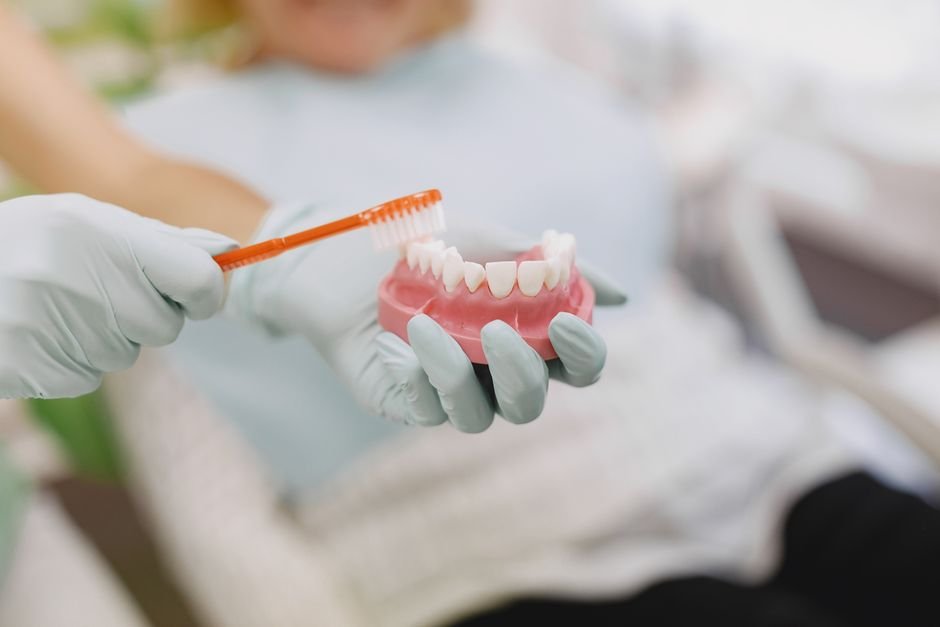
For young children, the focus is gentle familiarisation as much as examination. A dentist will check that baby teeth are coming through correctly, look for early signs of decay, and often talk through brushing technique with a parent in the room. The tone is deliberately light and reassuring, sometimes with a “count the teeth” style approach to keep things friendly and low-pressure for a small child who may be nervous.
Teenagers are usually assessed for how their permanent teeth have settled, including bite alignment, wisdom tooth development, and the impact of any orthodontic work in progress. Adults typically receive the most comprehensive check, since decades of wear, previous fillings, and gum health all need closer attention. Despite these differences, the underlying structure of the visit, examine, clean, advise, stays consistent across every age group in the family.
What actually happens during the examination and cleaning?
During the examination, the dentist uses a small mirror and a fine probe to look closely at each tooth surface, checking for soft spots, cracks, discolouration, or early decay that would not be visible or noticeable otherwise. They also assess the gums for swelling, bleeding, or signs of recession, and check the bite to see how the upper and lower teeth meet. This part of the visit is quick, usually just a few minutes of careful, systematic checking.
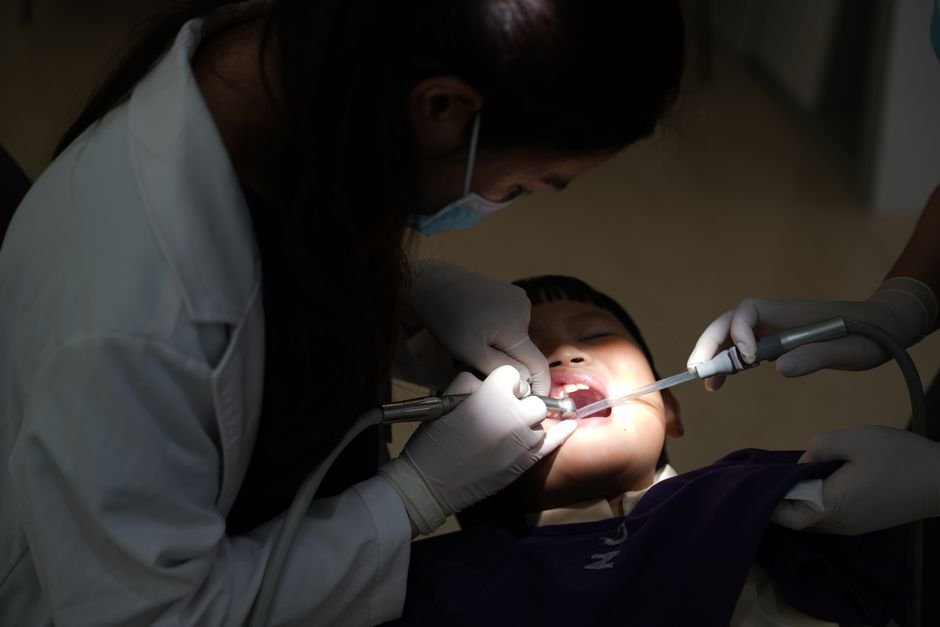
The cleaning, often called a scale and polish, involves gently removing hardened plaque and tartar with specialised instruments, followed by a polish that smooths the tooth surface and removes surface staining. It can feel a little unusual if you are not used to it, with some scraping sensations and the hum of a polishing tool, but it is not typically painful. Afterwards, teeth often feel noticeably smoother and cleaner than they did before the appointment.
How are X-rays used, and how often are they needed?
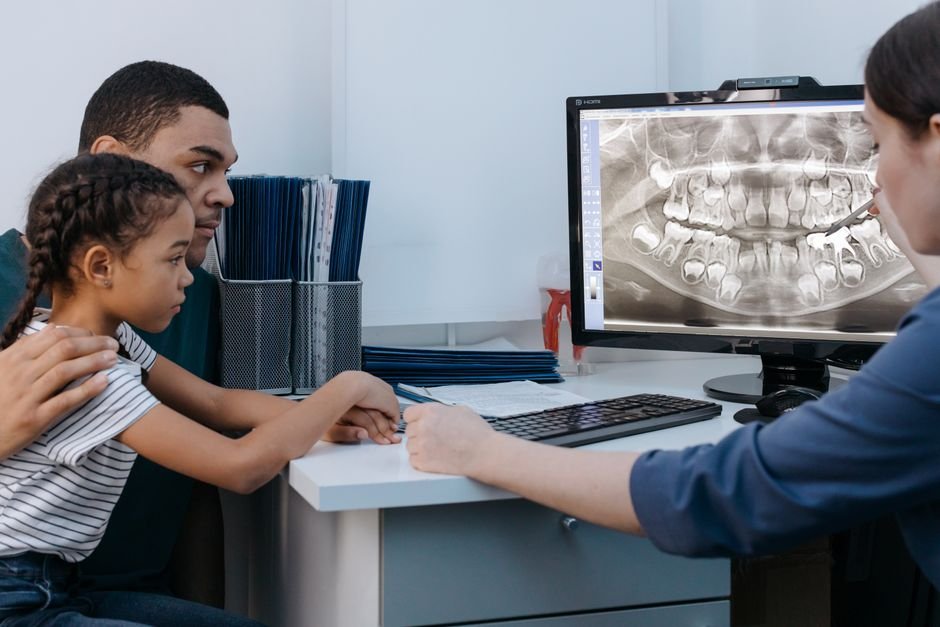
Dental X-rays let a dentist see what is happening below the surface and between teeth, areas that a visual exam alone cannot reach. They are particularly useful for spotting decay forming between teeth, checking the health of tooth roots and surrounding bone, and monitoring how developing teeth are positioned in children and teens. The images give a much fuller picture of oral health than what is visible in the mouth alone.
How often X-rays are needed depends on individual risk factors such as history of decay, gum health, and age, so it varies from person to person rather than following one fixed rule for the whole family. Many people only need them every one to two years, while someone with a higher risk of decay might need them more frequently. Modern dental X-rays use very low levels of radiation, and protective coverings are used to keep exposure to a minimum.
How do dentists check for cavities, gum issues, and bite problems?
Cavities are usually detected through a combination of visual inspection, gentle probing to feel for soft or sticky spots on the enamel, and X-rays that reveal decay hiding between teeth or beneath old fillings. Gum issues are assessed by looking at colour, texture, and firmness, along with measuring the depth of the small gaps between the gum and tooth, since deeper gaps can be an early sign of gum disease developing.
Bite problems, where teeth do not meet evenly when the jaw closes, are checked by watching how the teeth align and by asking the patient to bite down naturally so any unevenness becomes visible. Left unaddressed, an uneven bite can contribute to worn teeth, jaw discomfort, or uneven pressure over time. Catching these three areas early, decay, gum health, and bite alignment, is really the core purpose of a routine checkup.
Why does checkup frequency matter for prevention?
Oral health problems tend to develop slowly and painlessly at first, which means a cavity or early gum issue can be present for months before it causes any noticeable discomfort. Regular checkups catch these changes while they are still small, when treatment is simpler, less invasive, and generally far more comfortable than dealing with a problem that has been left to progress unchecked.
Consistent checkups, typically around every six months for most people, also make it easier to track gradual changes over time, such as gum health trends or wear patterns, rather than assessing each visit in isolation. This pattern of regular monitoring is one of the simplest and most effective ways any family can protect against more serious, costly, or uncomfortable dental issues later on. Prevention really is the quiet, unglamorous work that checkups are built around.
How can you prepare a young child for their first few checkups?
The best preparation is keeping the tone light and matter-of-fact rather than building the visit up as something special or worrying. Simple, calm language works well, describing the visit as a chance for someone to “count and clean” teeth, and avoiding words that might sound frightening even if well-intentioned, such as “hurt,” “pain,” or “injection,” none of which are usually relevant to a routine checkup anyway.
Practising at home can help too, letting a child open wide and count their own teeth in a mirror, or reading a book about visiting the dentist before the appointment. Bringing a comfort item, scheduling the visit at a time of day when the child is well-rested, and letting them watch a sibling or parent go first can all ease the process. Praise afterwards, rather than a reward tied to fear, helps the child associate the visit with a calm, ordinary experience.
What happens if something needs follow-up treatment?
If the dentist finds something during a checkup that needs further attention, such as a cavity, a cracked filling, or early gum disease, they will explain what was found in plain terms and outline the options available. This usually includes how urgent the issue is, what the treatment would involve, and roughly how many further visits might be needed to resolve it fully.
Most follow-up treatment is straightforward and can be scheduled as a separate, focused appointment rather than being rushed into the same visit. Because the issue was caught during a routine checkup rather than after it became painful, the treatment involved is typically simpler and more limited in scope. This is really the practical payoff of regular checkups: problems get handled while they are still small and manageable rather than escalating into something more complex.
What are some tips for scheduling checkups efficiently as a whole family?
Booking everyone’s checkups around the same time of year, even if not on the exact same day, makes it far easier to keep track of who is due and reduces the chance of appointments slipping through the cracks. Many dental practices can also schedule multiple family members back-to-back or on the same day, which cuts down on separate trips and makes the whole process feel less like an ongoing chore.
Setting a recurring reminder, whether a calendar alert or a note tied to a seasonal marker like a school term, helps keep the six-month rhythm consistent without needing to rely on memory alone. Younger children often do best with morning appointments when they are less tired, while teens and adults may find it easier to work checkups around school or work schedules. A little planning at the start of the year can keep the whole family’s oral health on track without much ongoing effort.
Frequently Asked Questions
How long does a typical family dental checkup take?
A routine checkup for one person usually takes between twenty and forty-five minutes, covering the examination, a professional clean, and a brief discussion of findings. Additional time may be needed if X-rays are taken or if a more detailed assessment is required, but most visits stay within this general range.
Is a dental checkup uncomfortable or painful?
A standard checkup is not typically painful. There may be mild sensations during the cleaning, such as scraping or the hum of a polishing tool, and slight pressure during the examination, but genuine pain is unusual unless an existing problem, such as a sensitive tooth, is present and gets touched during the process.
How often should each family member have a checkup?
Most people benefit from a checkup roughly every six months, though the ideal frequency can vary based on individual factors like gum health, decay history, and age. A dentist can recommend a personalised schedule for each family member after an initial assessment, which may be more or less frequent than the general guideline.
At what age should a child have their first dental checkup?
Many dental professionals recommend a child’s first checkup once their first teeth appear, or by around their first year, so that growth can be monitored from an early stage. Starting early also helps a child build familiarity with the dental setting well before any treatment might be needed.
Do X-rays need to be taken at every single checkup?
No, X-rays are not required at every visit. They are typically taken at intervals based on individual risk factors, often every one to two years for many people, and are used specifically to check areas that cannot be assessed through a visual exam alone, such as between teeth or below the gumline.

Matthew is a dental content writer passionate about helping readers understand their oral health, one article at a time.