
Turning dental care from a reluctant obligation into something the whole family genuinely engages with often comes down to making routines fun, involving everyone in small choices, and celebrating consistency rather than perfection. Small, thoughtful changes to how a family approaches oral care can shift the entire household’s attitude over time.
Key takeaways
- Involving children in small choices, like toothbrush colour, builds genuine engagement.
- Turning brushing into a shared family activity makes it feel less like a chore.
- Positive reinforcement works better than pressure or negative consequences.
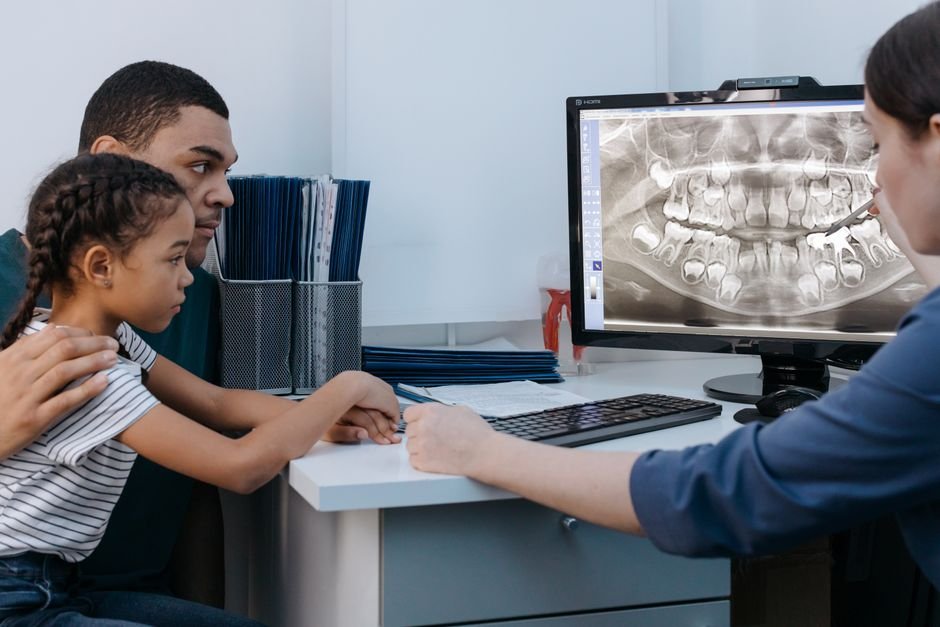
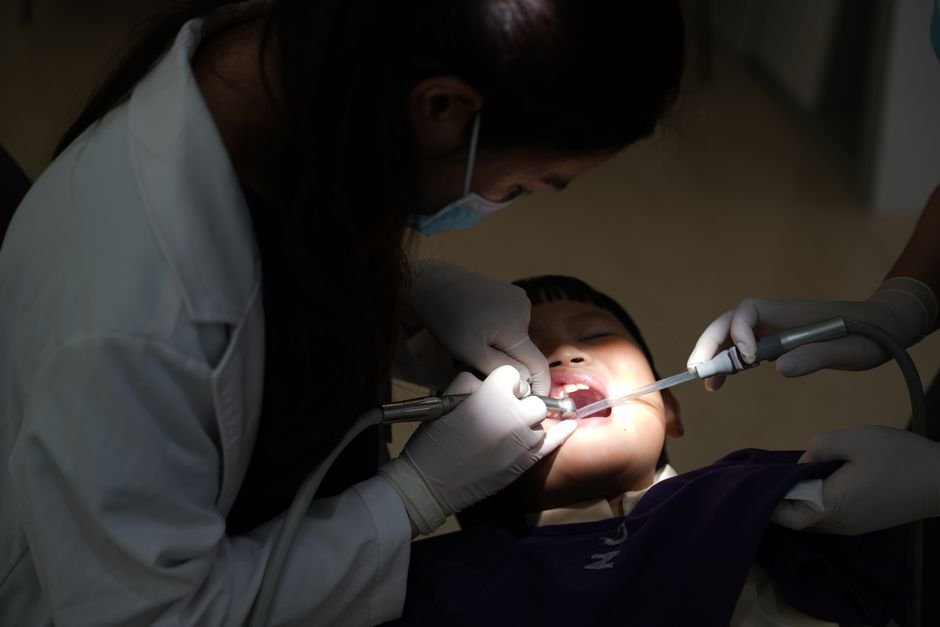
- Making dental visits feel like a normal, low-stakes family outing helps reduce anxiety.
- Celebrating consistency over time builds lasting enthusiasm more than one-off rewards.
Why Does Involving Children in Small Choices Make a Difference?
Letting children choose their own toothbrush colour, a flavoured toothpaste from a few dentist-approved options, or which song to brush along to gives them a genuine sense of ownership over the routine, rather than feeling like brushing is something simply imposed on them by parents.
This small sense of control tends to reduce resistance considerably, since children who feel some agency over a routine are generally more willing participants than those who experience oral care purely as a rule enforced without any input or personal preference considered.
How Can Brushing Become a Genuinely Shared Family Activity?
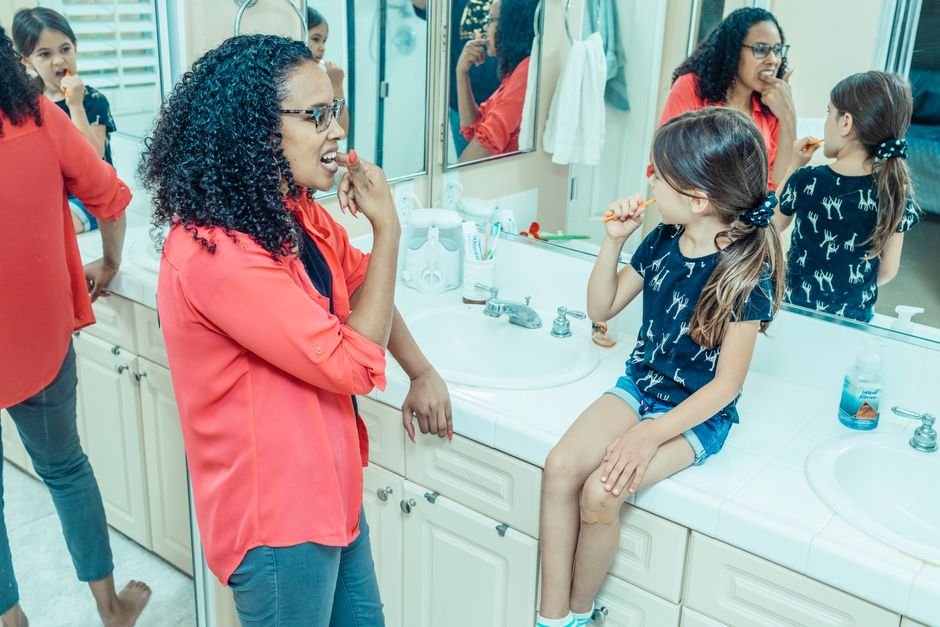
Brushing together as a family at the same time each morning and evening, rather than treating it as an individual task completed separately, creates a natural sense of togetherness and normalises the habit as something everyone in the household does, not just something children are told to do.
This shared approach also removes some of the friction that comes from a parent standing over a child insisting they brush, replacing it with a more natural, side-by-side routine that feels less like enforcement and more like a simple, unremarkable part of the family’s daily rhythm.
Why Does Positive Reinforcement Work Better Than Pressure?
Praising consistency, such as acknowledging a full week of both morning and evening brushing without reminders, tends to build more lasting motivation than threats of consequences for skipped sessions, since positive reinforcement creates a pleasant association with the habit rather than one rooted in avoidance or fear.
Over time, children who experience oral care as something that earns genuine, warm acknowledgment tend to internalise the habit more fully than those who only comply to avoid a negative consequence, which often fades in effectiveness and can create resentment toward the routine itself.
How Can Simple Games or Challenges Make Brushing More Engaging?
Using a two-minute timer with a fun visual countdown, playing a favourite short song during brushing, or turning tooth-brushing into a friendly, no-pressure family challenge to see who can maintain the longest consistent streak can add an element of enjoyment to an otherwise routine task.
These small additions work best when kept light and pressure-free, since the goal is to make the existing habit more enjoyable rather than adding a new source of stress or competition that could undermine the positive association families are trying to build around oral care in the first place.
How Can Dental Visits Be Framed as a Normal, Low-Stakes Outing?
Talking about upcoming dental visits in the same calm, matter-of-fact tone used for other routine family activities, rather than building them up as something to dread or fear, helps set a tone of normalcy that children tend to pick up on and reflect in their own attitude toward the visit.
Planning a small, enjoyable activity after the appointment, such as a trip to the park or a favourite low-sugar snack, can also help create a positive overall association with the day, without needing to frame the reward as compensation for enduring something unpleasant.
What Role Do Parents’ Own Attitudes Play in Family Enthusiasm?
Children are highly attuned to how parents talk about and approach their own dental care, meaning a parent who visibly dreads brushing or complains about dental visits is likely to pass that same attitude on, even unintentionally, through everyday modelling rather than direct instruction.
Conversely, a parent who approaches their own oral care routine and checkups with calm acceptance, or even genuine enthusiasm, tends to model an attitude that children absorb naturally over time, often more effectively than any verbal encouragement about the importance of dental care could achieve alone.
How Can Technology and Apps Add Enjoyment Without Overcomplicating Things?
Brushing timer apps with engaging visuals, family-friendly reward charts, or smart toothbrushes with game-like features can add a layer of fun for children who respond well to this kind of interactive feedback, provided the technology remains a supplement rather than the sole motivator.
Keeping the use of these tools consistent but not overly elaborate helps ensure they remain a genuine source of enjoyment rather than becoming another complicated system that eventually feels like a chore in itself, undermining the very engagement the family is trying to build.
How Can Older Children Be Involved in Building Family Enthusiasm?
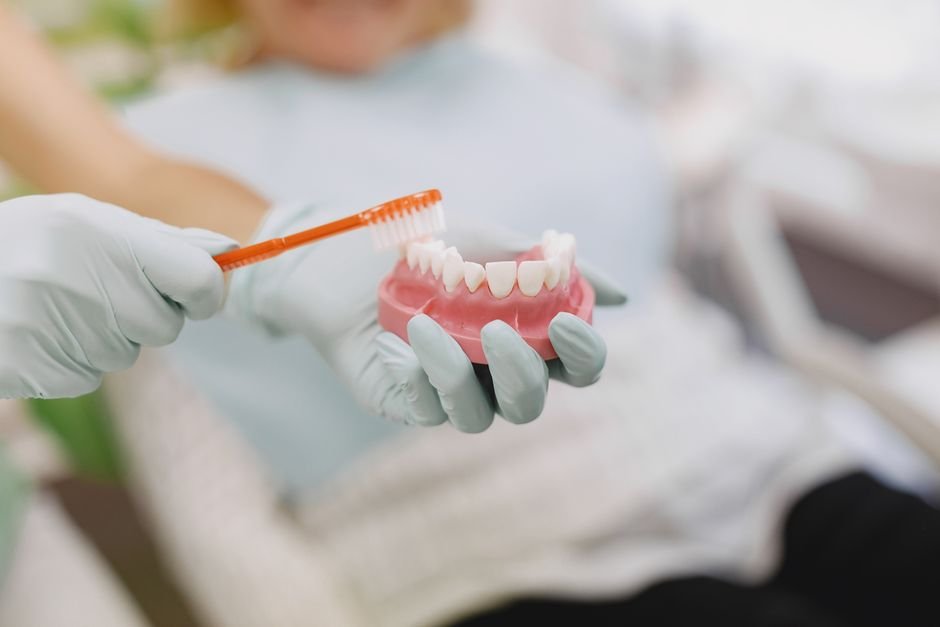
Giving older children or teenagers small opportunities to lead by example for younger siblings, such as demonstrating good technique or discussing what they enjoy about their own updated routine, can create a positive ripple effect throughout the household without requiring constant parental involvement.
This kind of light, natural mentorship tends to work best when it emerges organically rather than being explicitly assigned as a responsibility, since forced mentoring can sometimes create resentment, whereas a genuine, unprompted example tends to influence younger siblings more authentically.
How Can Families Celebrate Consistency Over Time?
Marking milestones, such as a month of consistent brushing across the whole family or a series of positive dental checkups, with a small, meaningful acknowledgment reinforces that consistency itself, not perfection, is the value being celebrated within the household’s approach to oral care.
This kind of milestone-based recognition tends to build more durable enthusiasm than daily rewards, which can lose their motivating power over time, since celebrating sustained effort reinforces the bigger picture of long-term habit building rather than isolated daily compliance alone.
What Long Term Benefits Come From a Genuinely Enthusiastic Family Approach?
Families who build authentic enthusiasm around oral care, rather than relying purely on obligation or enforcement, tend to see these habits carry more naturally into adulthood, since children raised in this kind of environment are less likely to associate oral care with resentment or avoidance later in life.
This positive foundation often extends beyond oral health alone, modelling a broader approach to building sustainable, positive habits around self-care that children can carry into other areas of their health and daily routines well beyond just their teeth and gums.
How Can Family Meals Support Broader Enthusiasm for Oral Care?
Using family meal times as a relaxed opportunity to talk about foods that support healthy teeth, without turning it into a lecture, can subtly reinforce the connection between diet and oral health in a way that feels like shared learning rather than a rule being imposed on any one family member.
Involving children in simple related decisions, such as choosing a healthier snack option together at the grocery store, extends this sense of shared ownership beyond brushing alone, helping build a broader, more positive family culture around oral health as a whole rather than isolating it to a single daily task.
Frequently Asked Questions
How can I make my toddler actually want to brush their teeth?
Offering small choices like toothbrush colour, brushing alongside them, and using a fun timer or song can help build genuine engagement rather than relying purely on repeated reminders or pressure.
Do rewards for brushing actually work long term?
Occasional milestone-based recognition tends to work better long term than daily material rewards, which can lose their motivating effect over time as children come to expect them as standard.
How can I help my child feel less nervous about dental visits?
Talking about visits in a calm, matter-of-fact tone, avoiding language that suggests dread, and planning a simple enjoyable activity afterward can help build a more positive overall association.
Does my own attitude toward dental care really affect my children?
Yes, children often absorb attitudes toward oral care by observing parents closely, meaning a calm, accepting approach to your own routine can meaningfully influence how your children feel about theirs.
Can older siblings help encourage younger children’s oral care habits?
Yes, older siblings modelling good habits naturally, without being explicitly assigned as a mentor, can positively influence younger children more authentically than direct instruction from a parent alone.

Matthew is a dental content writer passionate about helping readers understand their oral health, one article at a time.