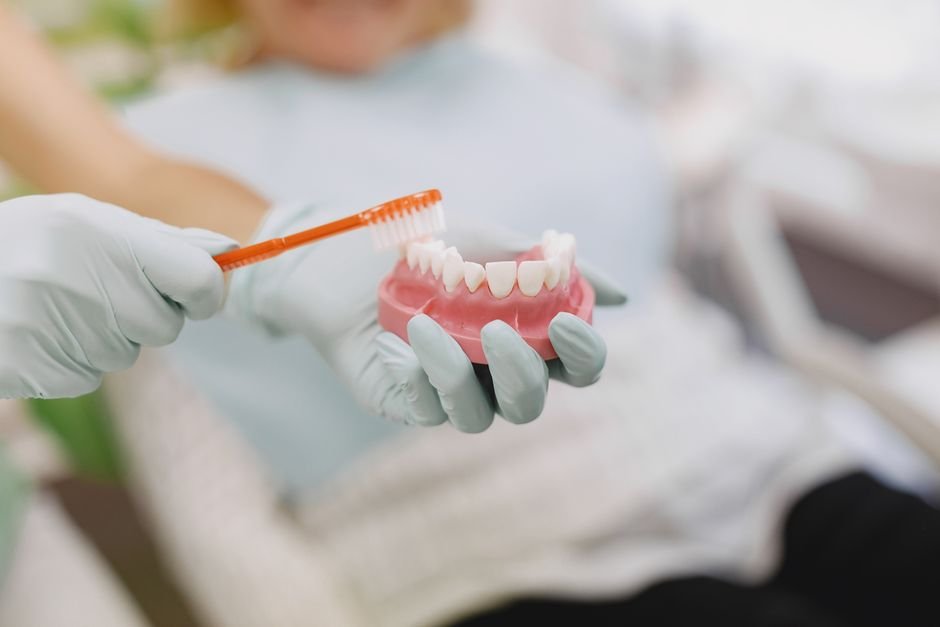
Oral care needs shift throughout life, from a toddler’s first teeth to the changes that come with ageing, which means a one size fits all approach rarely works well for a whole family. Understanding what each generation needs helps every member get the right level of care at the right time, without treating dental care as a single, uniform routine for everyone in the household.
Key takeaways
- Young children need supervision and simple, consistent routines.
- Teenagers often need extra support balancing habits with independence.
- Adults benefit most from consistent preventive care over time.
- Older adults may need adjusted care as gums and enamel change.
Why Does Thinking Generationally Actually Help?
Approaching family dental care generation by generation, rather than as one undifferentiated task, makes it easier to notice when a specific family member’s needs have quietly changed, whether that is a child entering a higher risk period for cavities or an older relative developing new sensitivity linked to gum recession.
This kind of deliberate attention tends to catch issues earlier than a more generic, one size fits all approach to family oral care, since it prompts specific questions suited to each life stage rather than a single repeated routine applied uniformly.
What Do Young Children Need Most?
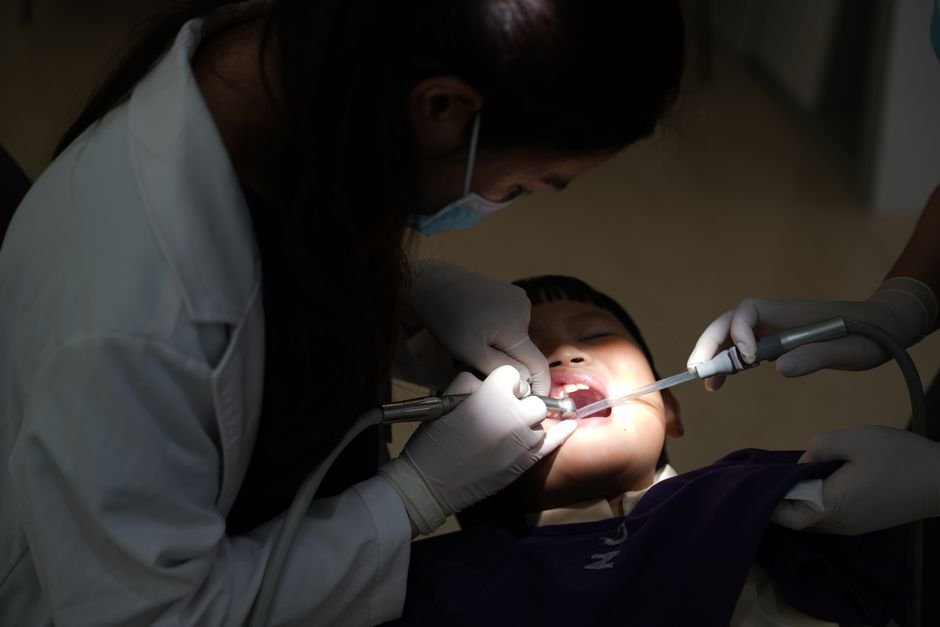
For toddlers and young children, the priority is establishing simple, consistent habits under close supervision. Brushing twice daily, limiting sugary snacks, and regular checkups matter more at this stage than any advanced product or technique.
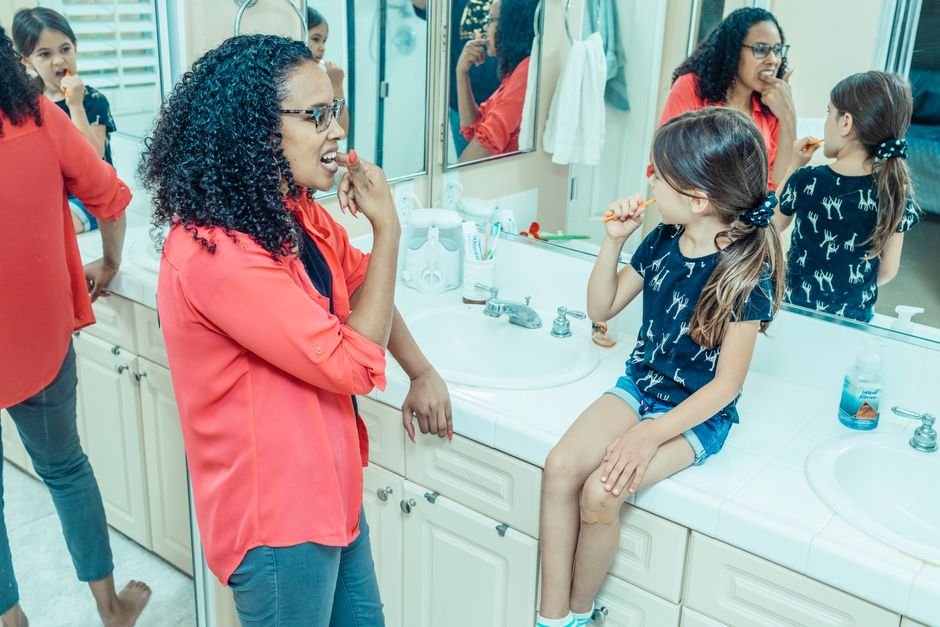
Since young children cannot yet brush effectively on their own, a parent’s involvement remains essential well beyond the point a child starts holding the toothbrush themselves. Making this supervision feel supportive rather than corrective tends to keep young children more cooperative during daily brushing.
How Do Teenagers’ Dental Needs Change?
Teenagers often juggle more independence with less consistent supervision, which can lead to gaps in daily routines just as orthodontic treatment, wisdom teeth, or diet changes become more relevant. Open conversations, rather than constant reminders, tend to work better at this age.
This is also a common stage for orthodontic treatment, so maintaining good oral hygiene becomes especially important to protect both natural teeth and any braces or aligners in use. Encouraging teenagers to take ownership of their own routine, rather than feeling constantly monitored, often produces better long term results.
What Should Adults Focus On Day to Day?
For most adults, consistency is the main factor that separates good long term oral health from ongoing problems. Sticking to regular checkups, addressing early symptoms promptly, and maintaining a steady daily routine tends to matter more than any single product or technique.
Busy schedules are the most common reason adult oral care routines slip, so building simple, sustainable habits that fit realistically into daily life makes a real difference over time. Adults juggling work and family responsibilities often benefit from simplifying their routine rather than adding more steps than they can realistically maintain.
How Does Oral Care Change for Older Adults?
As people age, gum recession, drier mouths, and years of wear on enamel can all change what effective oral care looks like. Older adults may need softer toothbrushes, different flossing techniques, or more frequent checkups to manage these gradual changes.
Medications commonly prescribed later in life can also contribute to dry mouth, which increases the risk of decay, making regular dental visits particularly valuable at this stage. Discussing any new medications with a dentist can help identify oral side effects early, before they contribute to more significant problems.
How Can a Family Manage Such Different Needs Together?
Seeing one dentist as a family often makes it easier to track these generational differences over time, since the same practice can adjust recommendations for each family member as their needs evolve. This also simplifies scheduling and keeps everyone’s dental history in one place.
Regular family conversations about oral care, adjusted appropriately for each age group, help normalise good habits across generations rather than treating dental care as a purely individual responsibility. This shared approach also makes it easier to notice when someone’s routine has quietly slipped.
How Does Family History Influence Individual Risk?
Genetics can influence factors such as enamel strength, gum disease susceptibility, and even the alignment of teeth, meaning family history sometimes offers useful context for a dentist assessing an individual family member’s risk. This does not mean genetics determines outcomes entirely, since daily habits still play the larger role.
Sharing relevant family history with a dentist, particularly a pattern of gum disease or early tooth loss across multiple generations, can help inform a more personalised approach to prevention for each family member.
What Does a Realistic Family Dental Care Plan Look Like?
A workable family plan usually involves a shared baseline, twice daily brushing, regular checkups, and mindful snacking, adjusted with age specific additions layered on top, such as orthodontic monitoring for teenagers or gentler techniques for older adults. This layered approach avoids treating every family member identically while still maintaining a consistent overall standard.
Revisiting this plan periodically, particularly as children grow older or health circumstances change for adult family members, keeps the approach realistic and relevant rather than static.
How Should Families Approach Diet Across Different Ages?
Dietary needs and habits differ considerably across a family, from a toddler’s limited food range to an adult’s more varied diet, but the underlying dental principles remain consistent: less frequent sugar exposure, more water, and a preference for whole foods over heavily processed alternatives. Applying these principles flexibly across each generation’s actual eating patterns tends to work better than rigid, identical rules for everyone.
Shared family meals, discussed elsewhere as a broader wellness habit, also offer a natural opportunity to model these dietary principles across generations without singling out any one family member’s choices.
How Can Families Budget for Different Generational Needs?
Dental costs can add up when a family spans several life stages simultaneously, from a young child’s early checkups to a teenager’s orthodontic treatment and an older relative’s more involved restorative needs. Planning ahead, including understanding what a dental insurance plan or savings approach covers for each type of care, helps avoid unexpected financial pressure.
Discussing anticipated costs openly with a family dentist, particularly around foreseeable milestones like orthodontic treatment, allows for better planning than waiting until treatment becomes urgent.
Frequently Asked Questions
At what age should oral care habits become fully independent?
Most children can manage their own brushing with occasional supervision by around eight to ten years old, though checking technique periodically is still worthwhile.
Why do older adults often experience more dry mouth?
This is commonly linked to medications taken for various health conditions, which can reduce saliva production as a side effect.
Do teenagers need different toothpaste than adults?
Not necessarily, though teenagers in orthodontic treatment may benefit from specific products recommended by their dentist to protect braces or aligners.
Is gum recession a normal part of ageing?
Some gum recession is common with age, though significant recession is often linked to factors like brushing technique or gum disease rather than age alone.
How can a family keep track of everyone’s different dental needs?
Seeing the same family dentist for everyone makes this easier, since one practice can maintain a full picture of each person’s history and needs over time.

Matthew is a dental content writer passionate about helping readers understand their oral health, one article at a time.